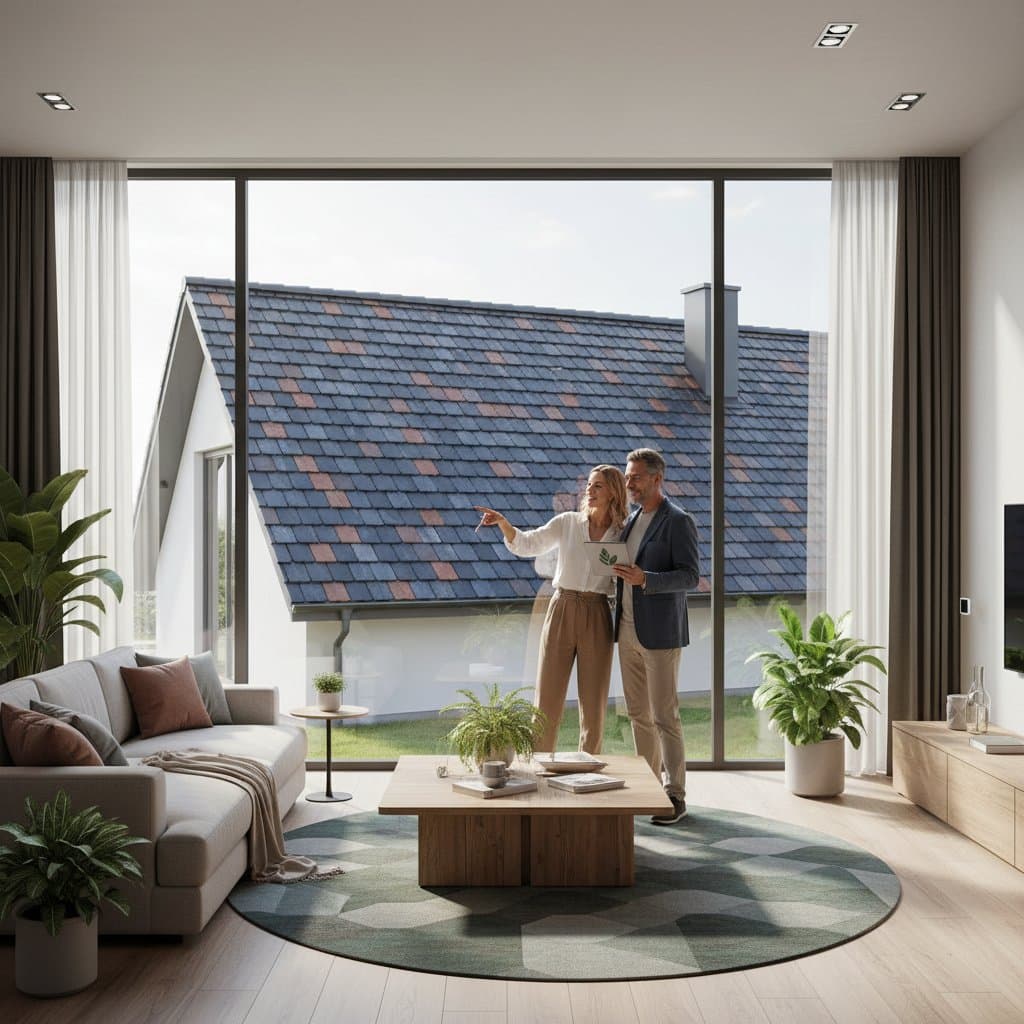
Sustainable Home Design

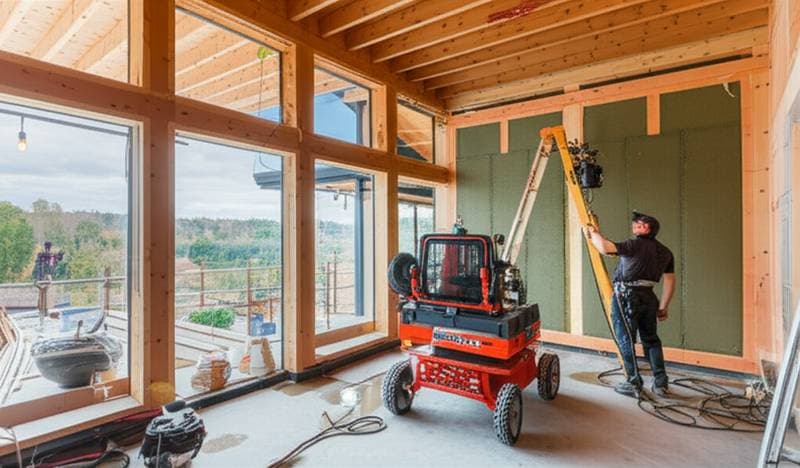
Featured image for Hempcrete Cuts Energy Bills While Locking Carbon

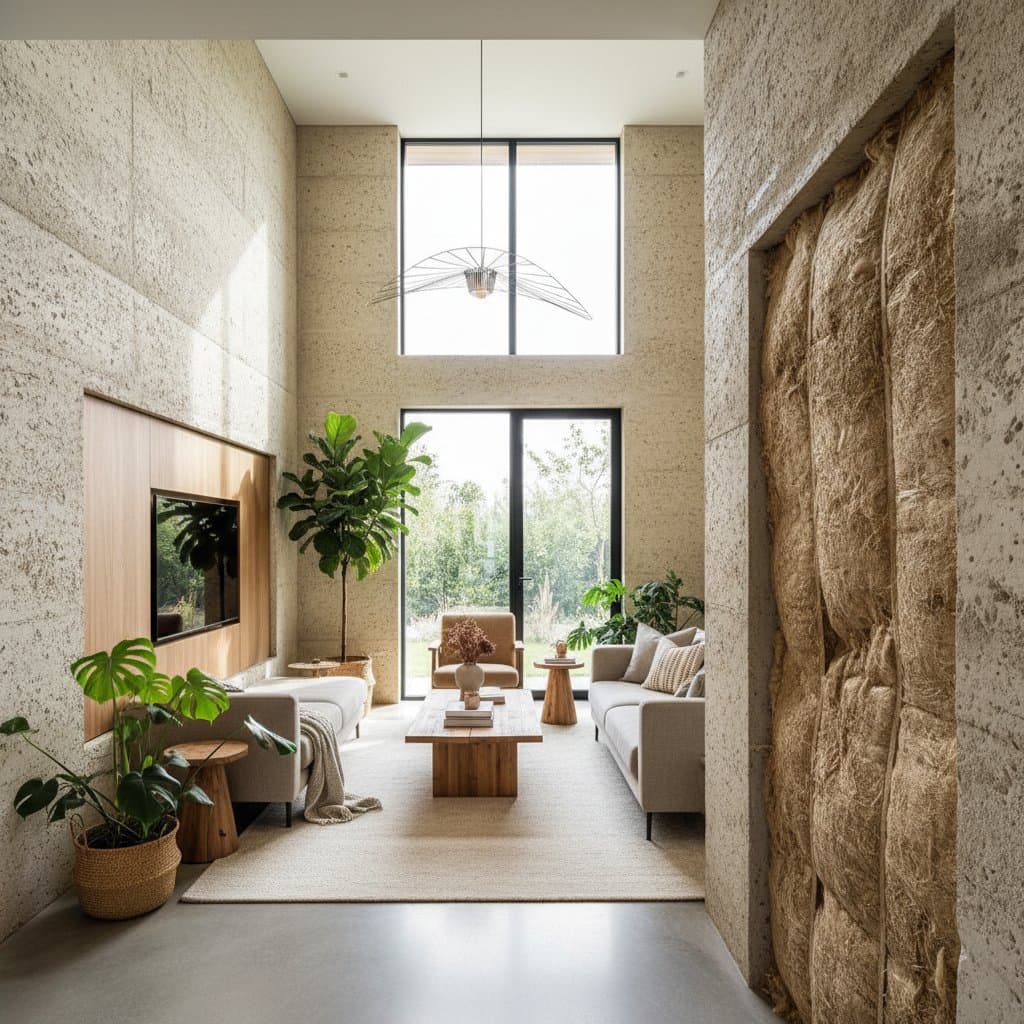
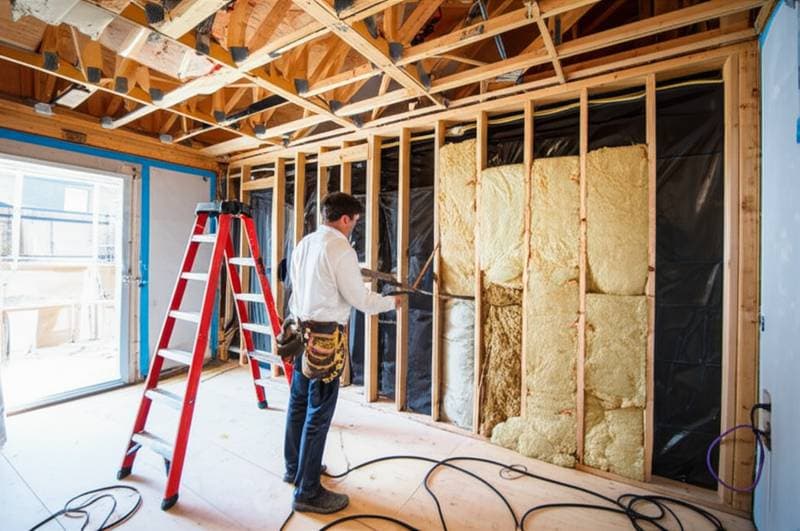
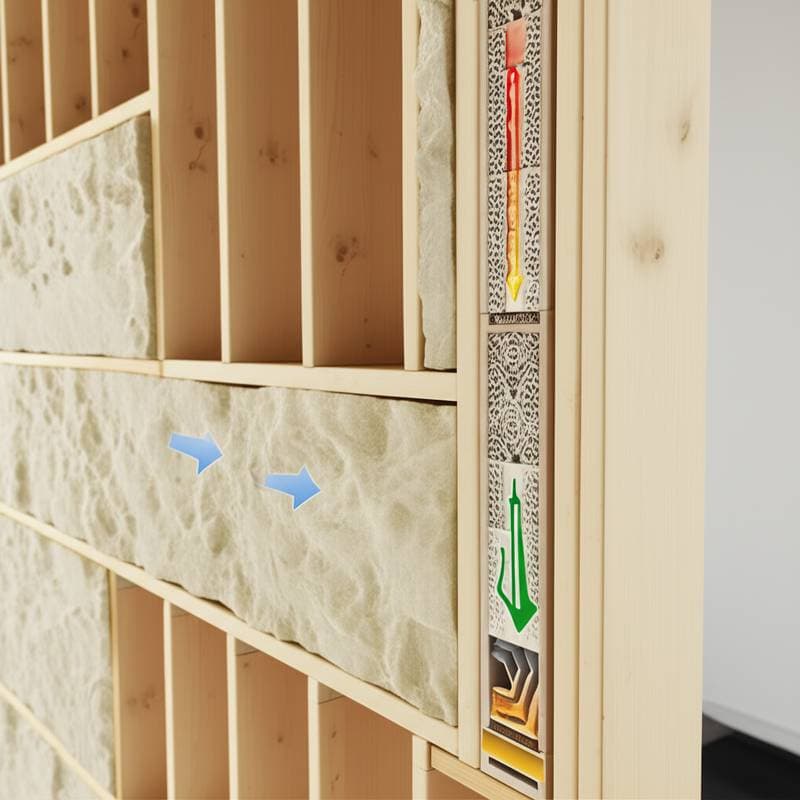
Hempcrete Cuts Energy Bills While Locking Carbon

Hempcrete stands out as a leading eco-friendly insulation material for 2025, providing fire resistance, carbon sequestration, and long-lasting performance. Although initial costs surpass those of traditional insulators, the material delivers substantial energy savings, increased property values, and environmental advantages that yield returns over time. Explore its applications in building codes, design flexibility, and contributions to safer, greener construction practices.

5 min read
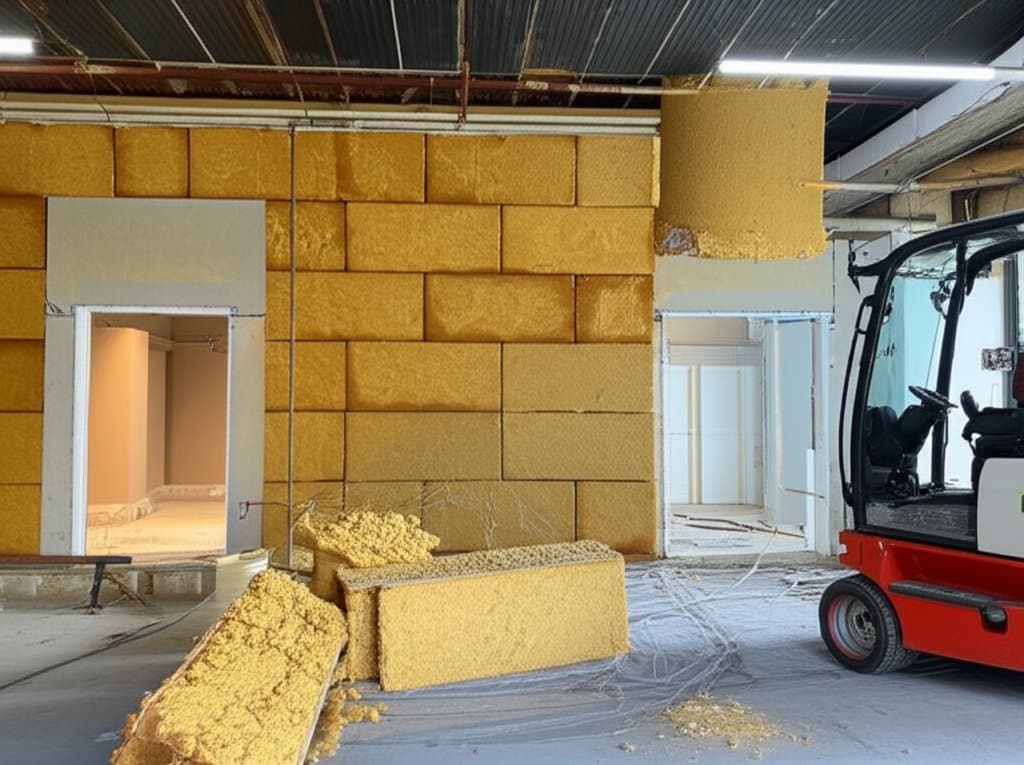
Featured image for Mushroom Insulation Cuts Home Cooling Costs 50%

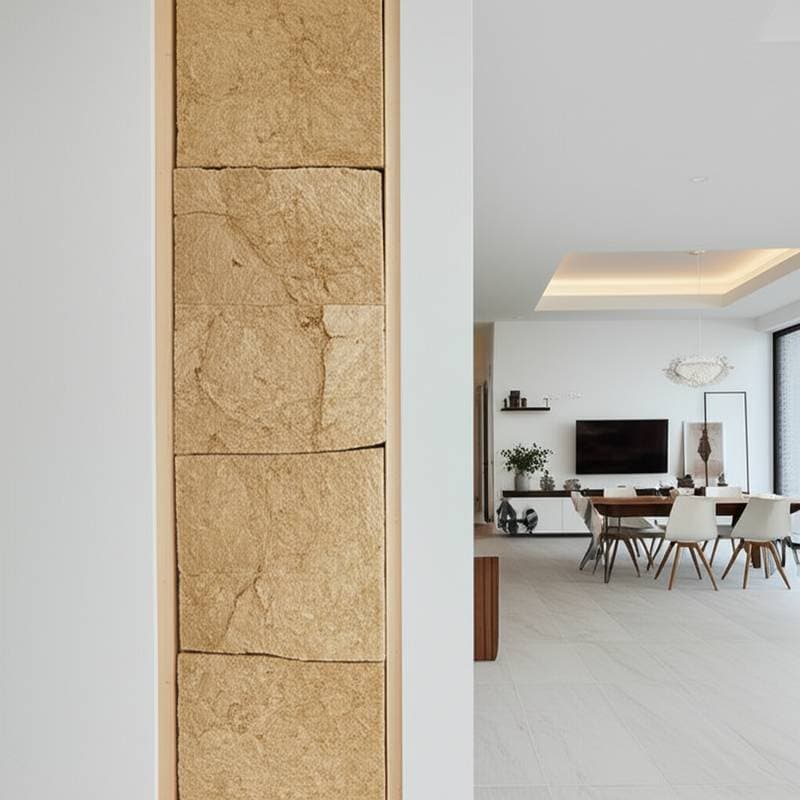
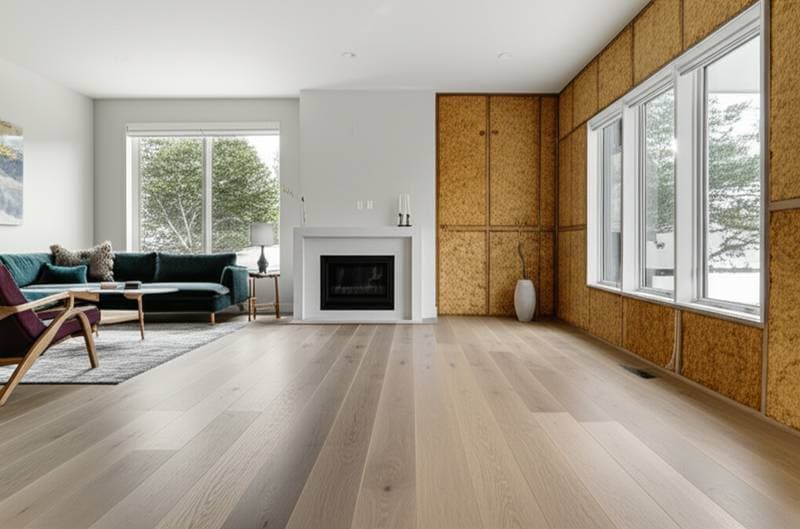
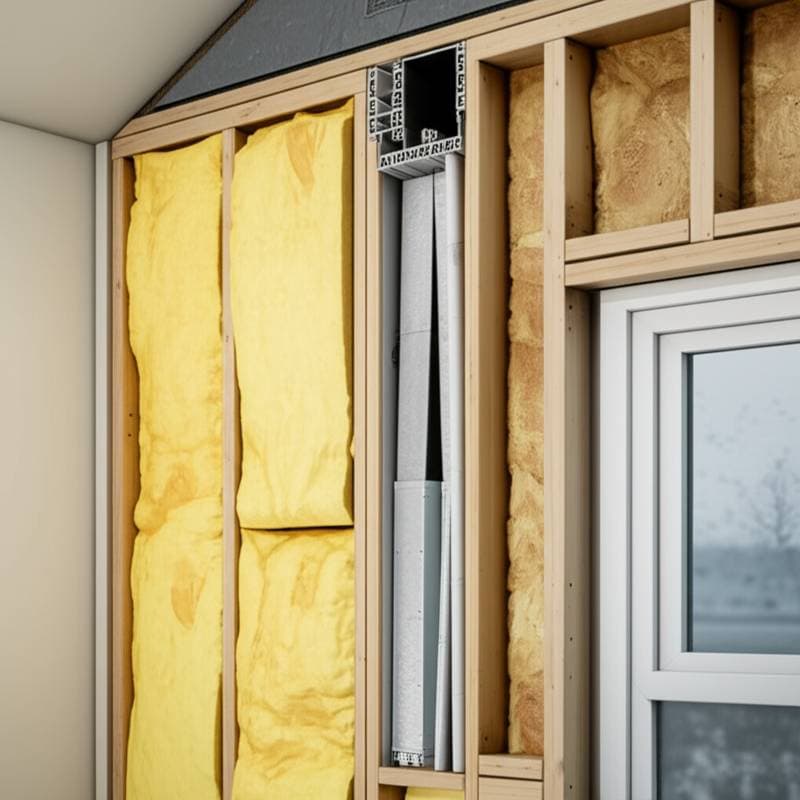
Mushroom Insulation Cuts Home Cooling Costs 50%

Mushroom-based insulation revolutionizes energy efficiency in homes, reducing cooling expenses by up to 50 percent. Crafted from mycelium, this renewable, non-toxic material resists moisture and fire while improving air quality. Options for DIY or professional installation provide sustainability, health benefits, and enduring financial advantages. Learn how this eco-innovation elevates comfort, lowers energy use, and advances planetary health.

5 min read
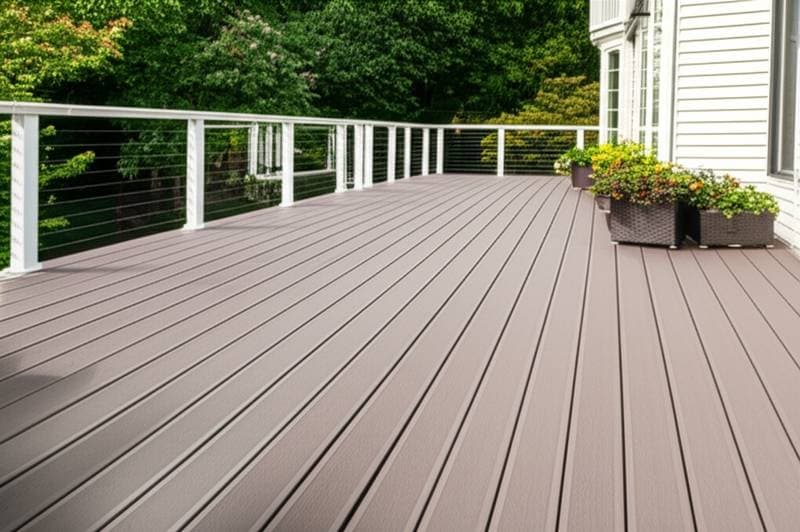
Featured image for Mycelium Insulation Cuts Energy Bills While Going Green

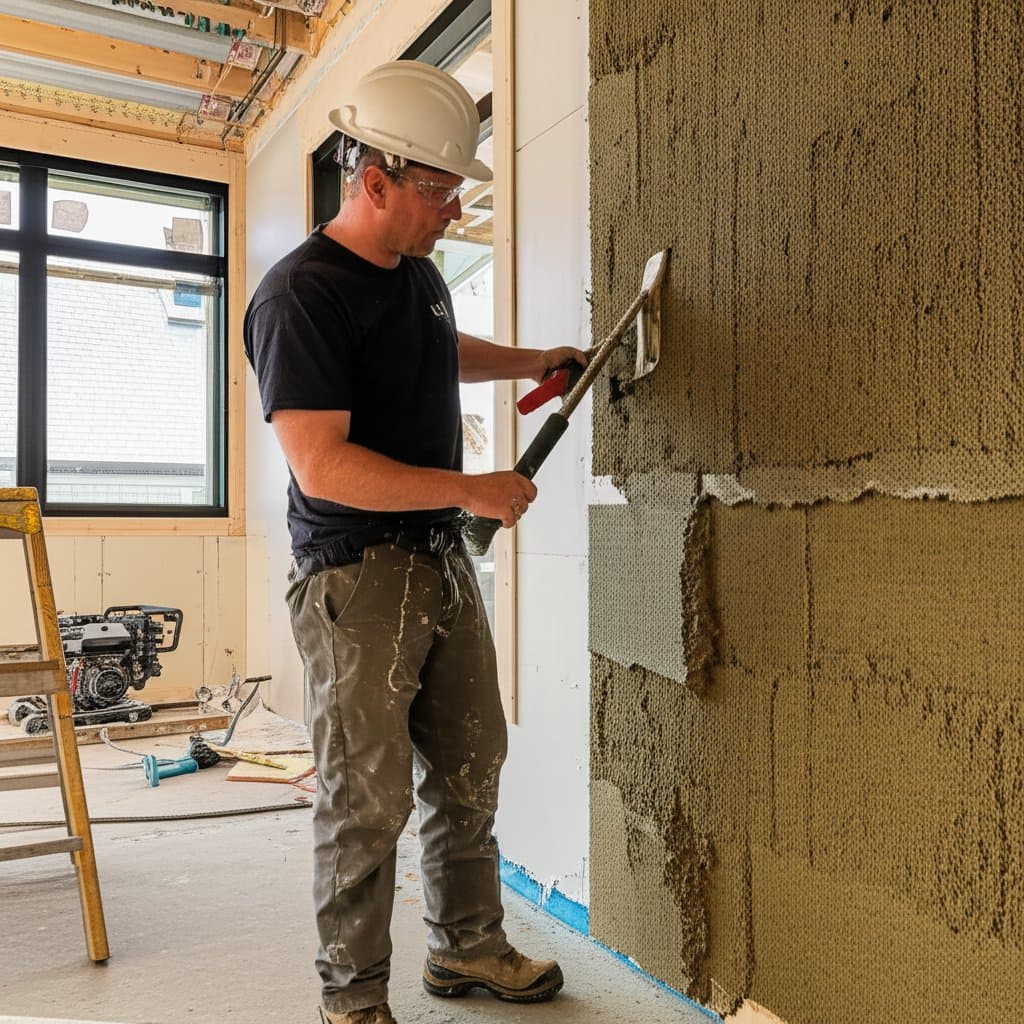
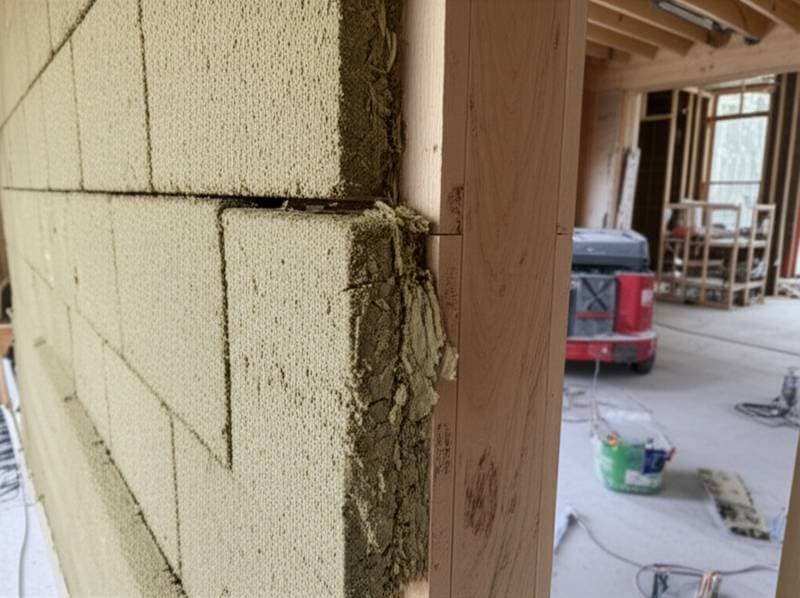
Mycelium Insulation Cuts Energy Bills While Going Green

Mycelium insulation, crafted from mushroom roots, is transforming sustainable homebuilding in 2025. With impressive thermal efficiency, fire resistance, and biodegradability, it reduces energy bills while promoting healthier indoor air. Despite regional availability hurdles, its durability and eco-advantages make it a smart choice for homeowners seeking long-term value.

5 min read
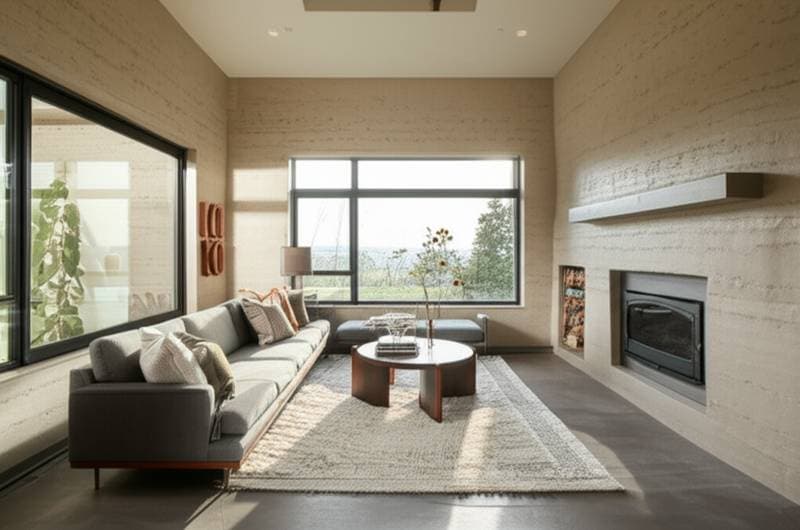
Featured image for 2025 Building Codes Raise Energy Standards by 10%

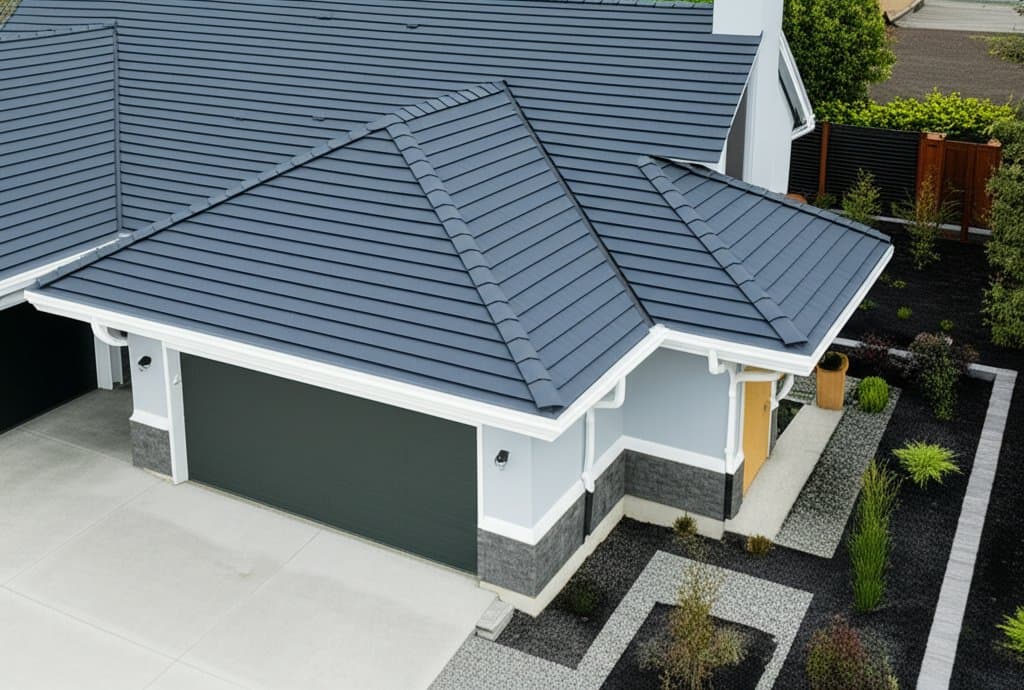
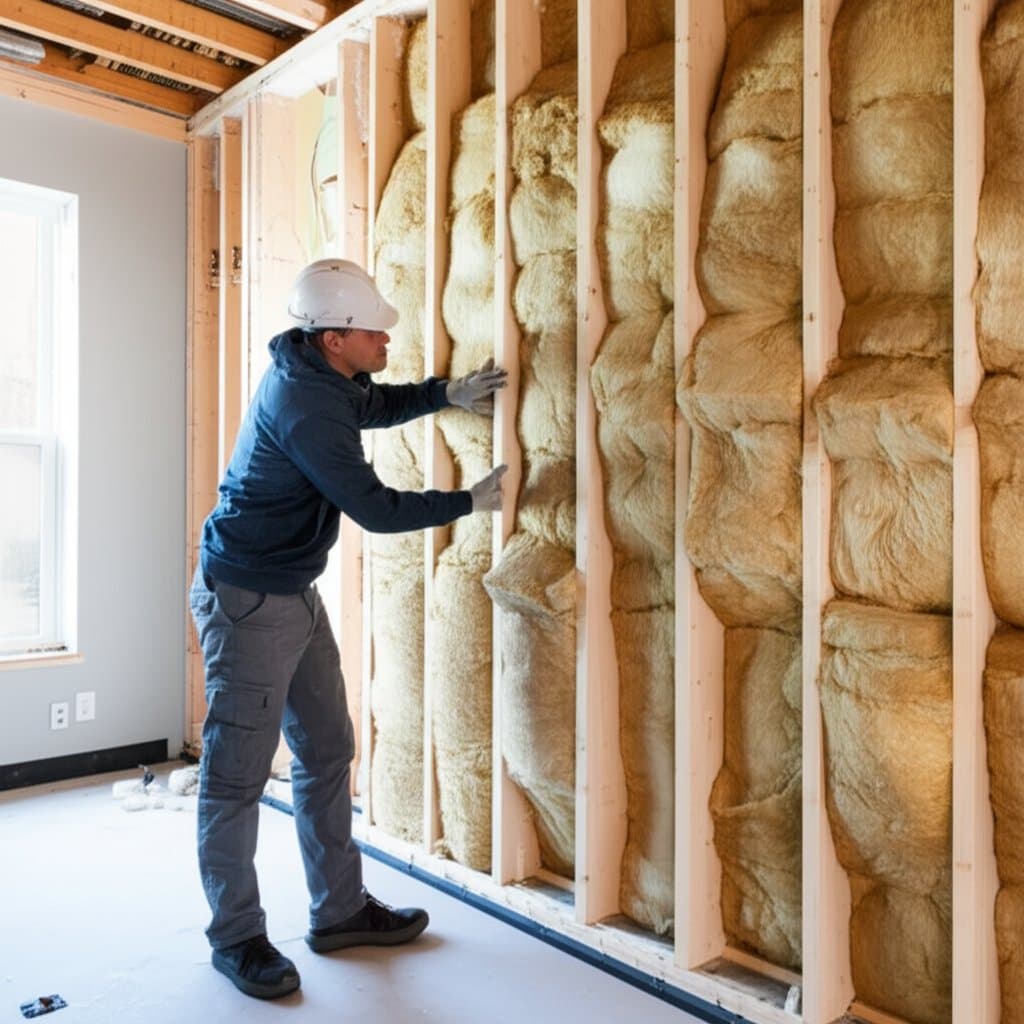
2025 Building Codes Raise Energy Standards by 10%

The 2025 building codes introduce a 10% increase in energy efficiency standards, alongside solar-ready designs, EV charging infrastructure, and enhanced water and air quality measures. These updates raise initial costs but promise significant savings, healthier environments, and future-ready buildings. Learn how they reshape construction practices and sustainability goals.

5 min read
Featured image for Carbon-Negative Concrete Captures 150kg CO₂ Per Cubic Meter

Carbon-Negative Concrete Captures 150kg CO₂ Per Cubic Meter

Concrete drives modern construction but contributes heavily to carbon emissions. Carbon-negative concrete changes the game by capturing up to 150kg of CO₂ per cubic meter, enhancing durability, and aligning with tightening regulations. With long-term savings and eco-certifications, it is becoming a must-have for builders worldwide. Explore how this innovation is shaping sustainable construction.

4 min read