Sustainable Home Design

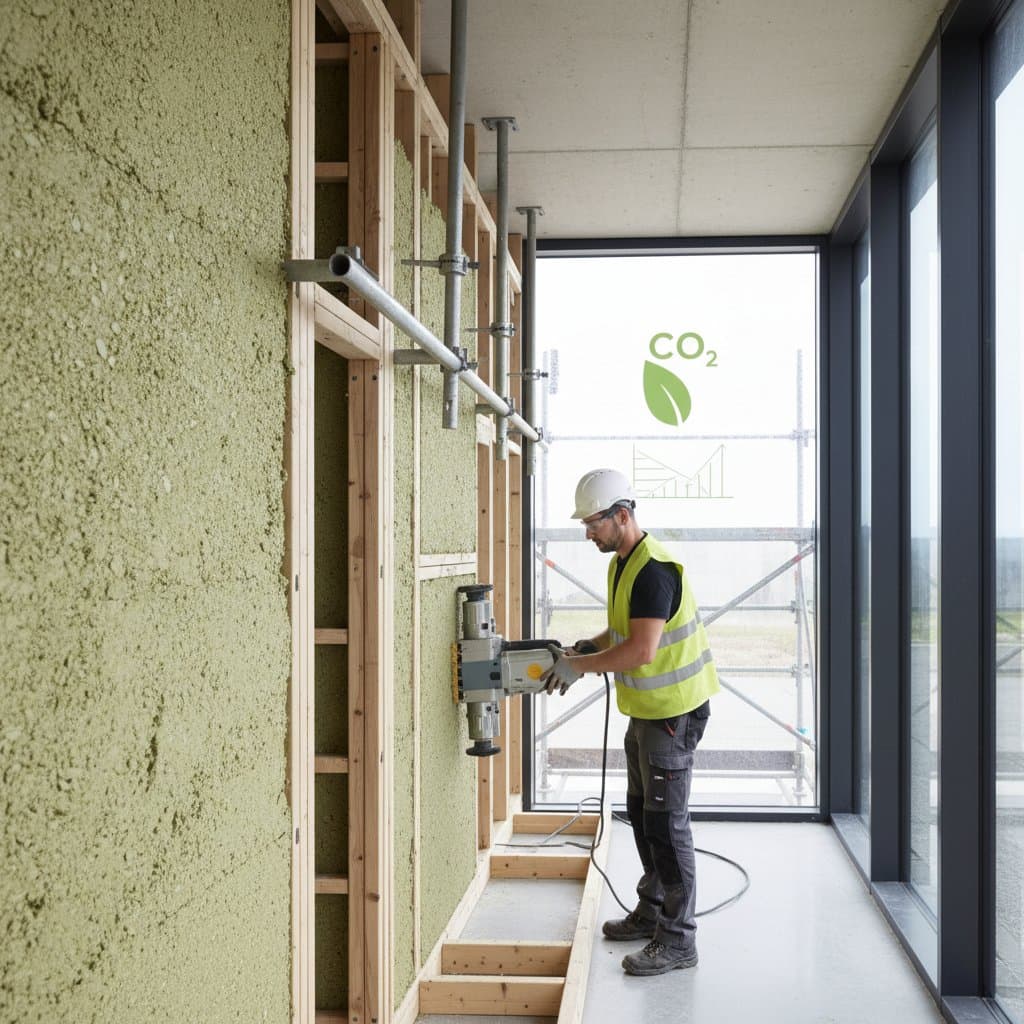
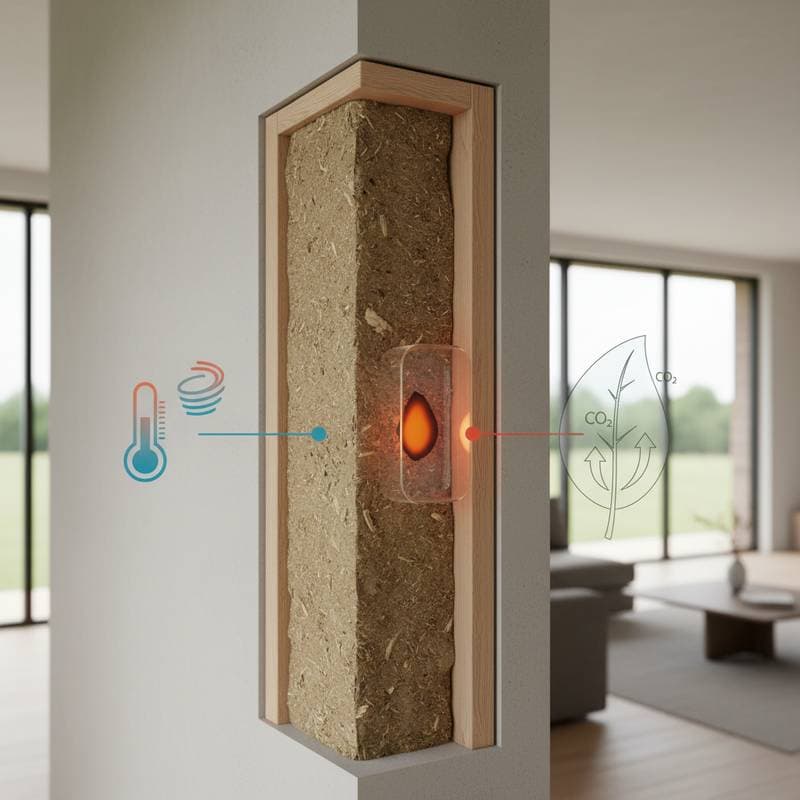
Featured image for Hempcrete Walls Absorb Carbon While Insulating Your Home

Hempcrete Walls Absorb Carbon While Insulating Your Home

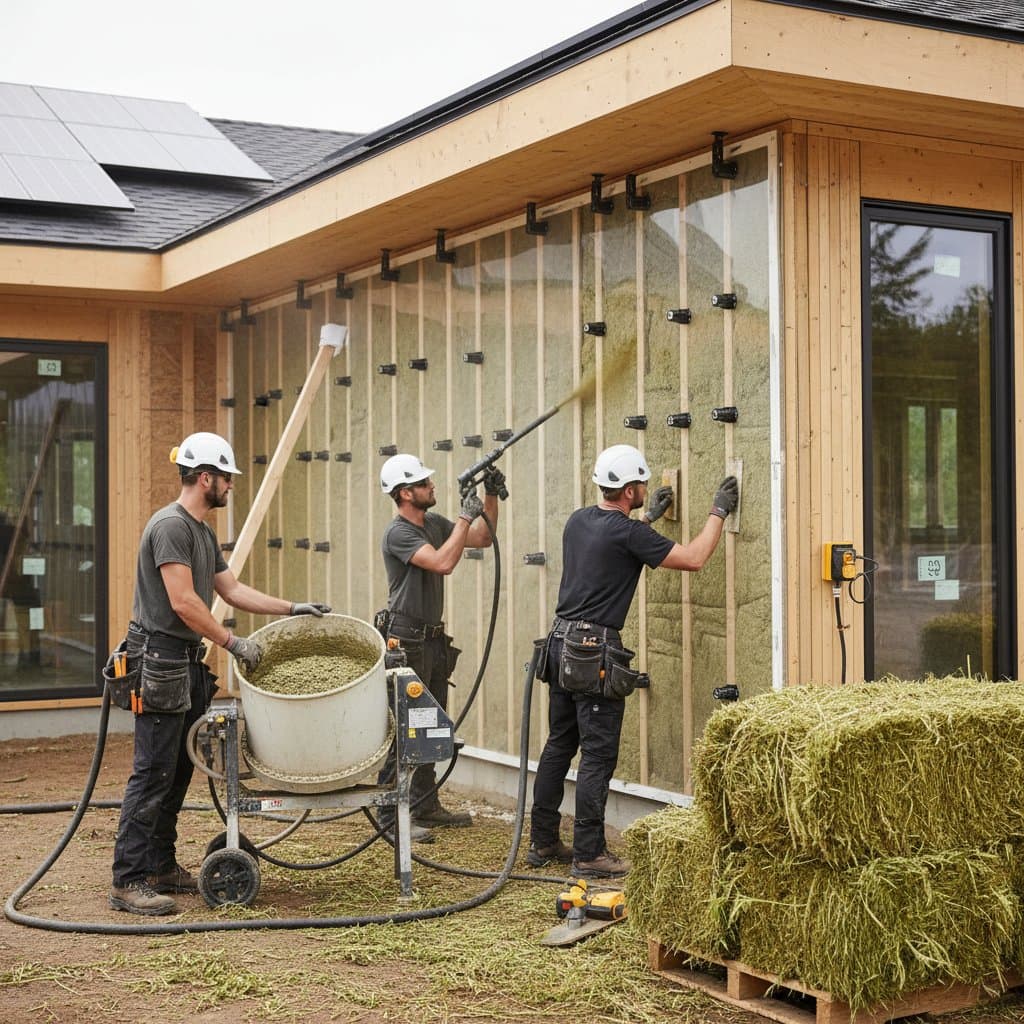
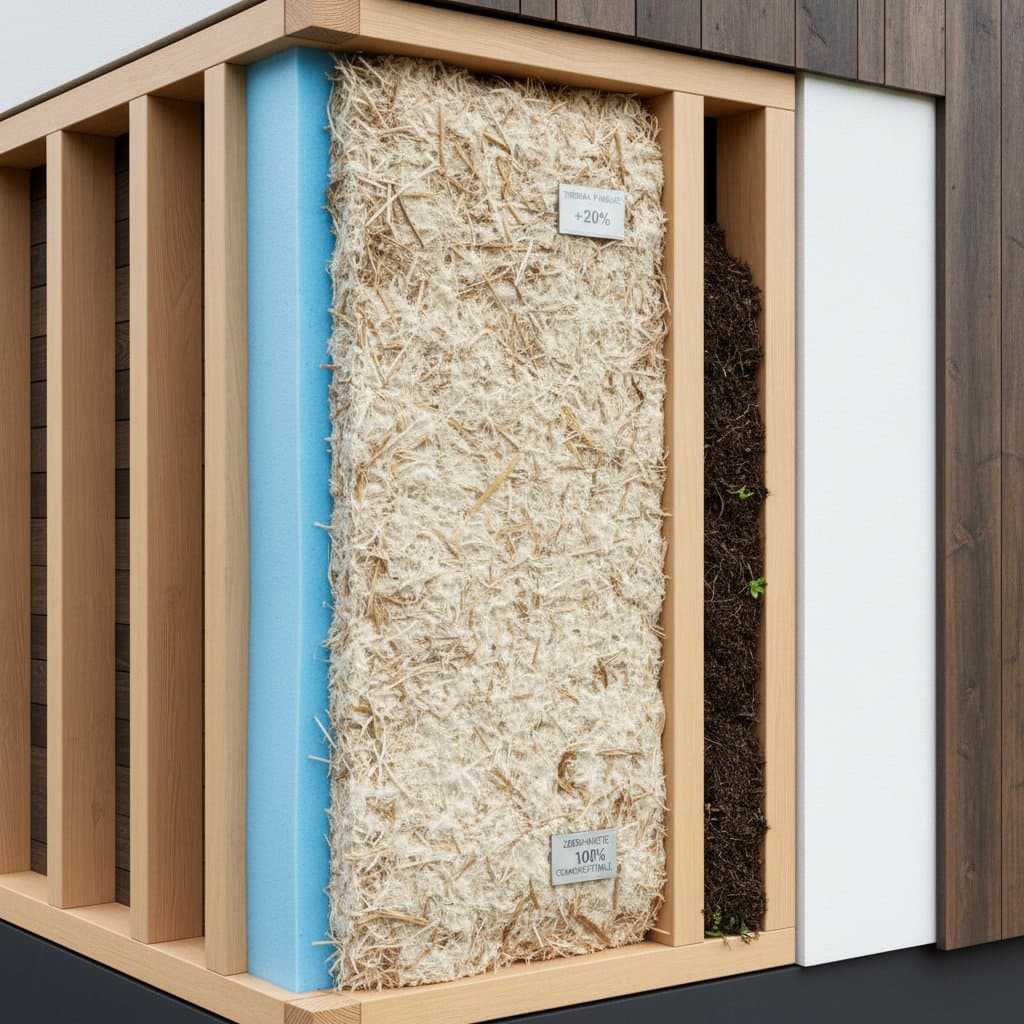
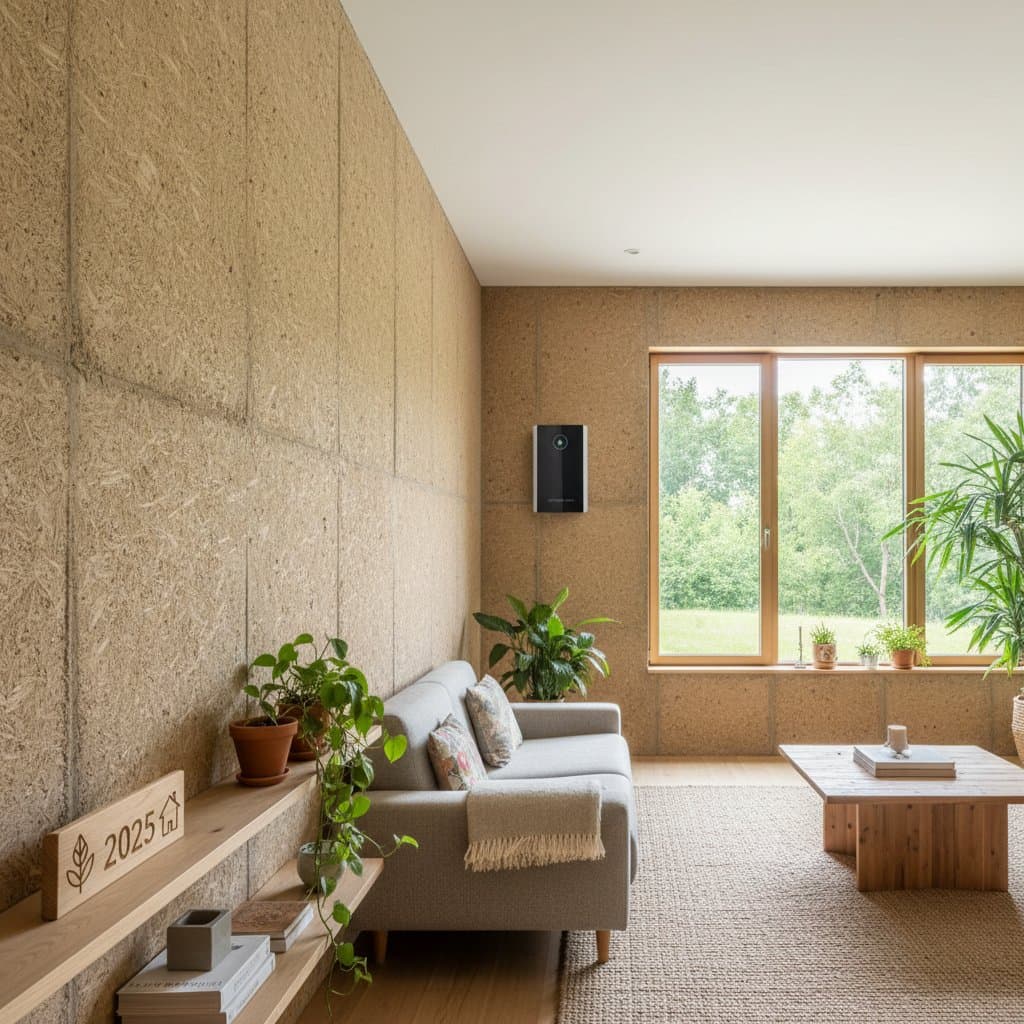
Hempcrete walls transform sustainable building practices by sequestering carbon, managing temperature and humidity, and enhancing indoor environments. Composed of hemp hurds, lime binder, and water, this breathable option reduces energy use and increases comfort. Despite higher initial costs, its enduring savings, resilience, and environmental contributions position it as an ideal selection for eco-conscious residences.

4 min read
Featured image for Recycled Plastic Roofs Cut Waste While Lasting Decades

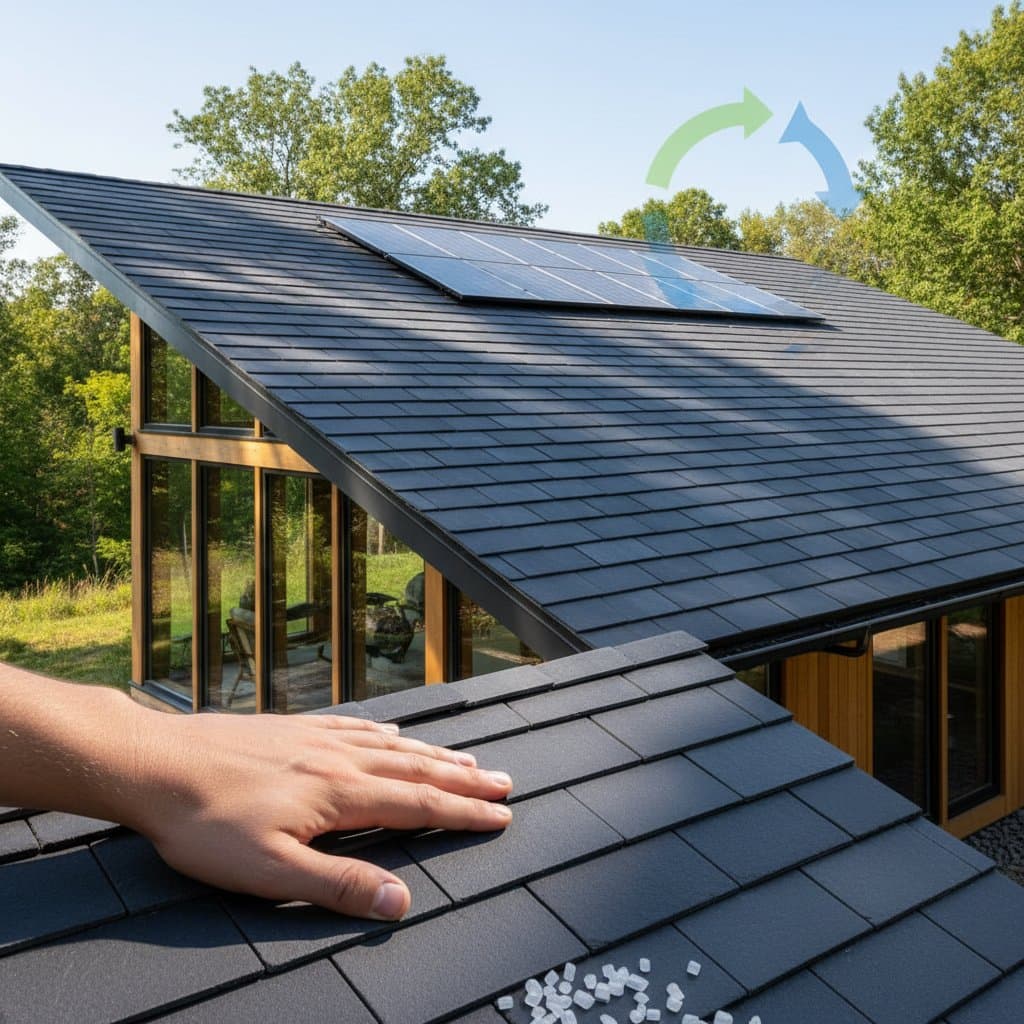
Recycled Plastic Roofs Cut Waste While Lasting Decades

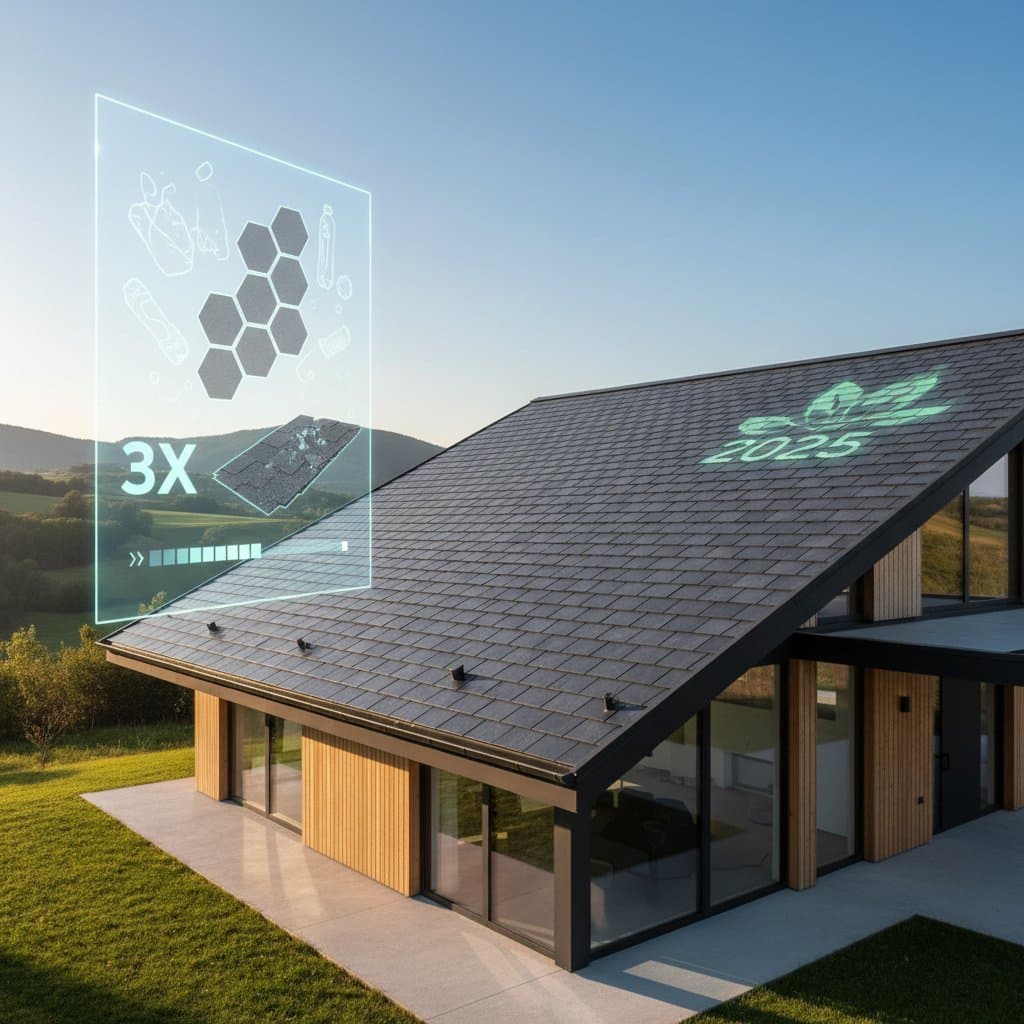
Recycled plastic roofs lead sustainable home improvements in 2025 by merging exceptional durability with environmental benefits. Crafted from repurposed plastics, they prevent landfill waste, reduce energy use, and surpass traditional roofs in longevity. Professional installation and versatile designs make them a smart choice for eco-conscious homeowners seeking lasting value.

4 min read
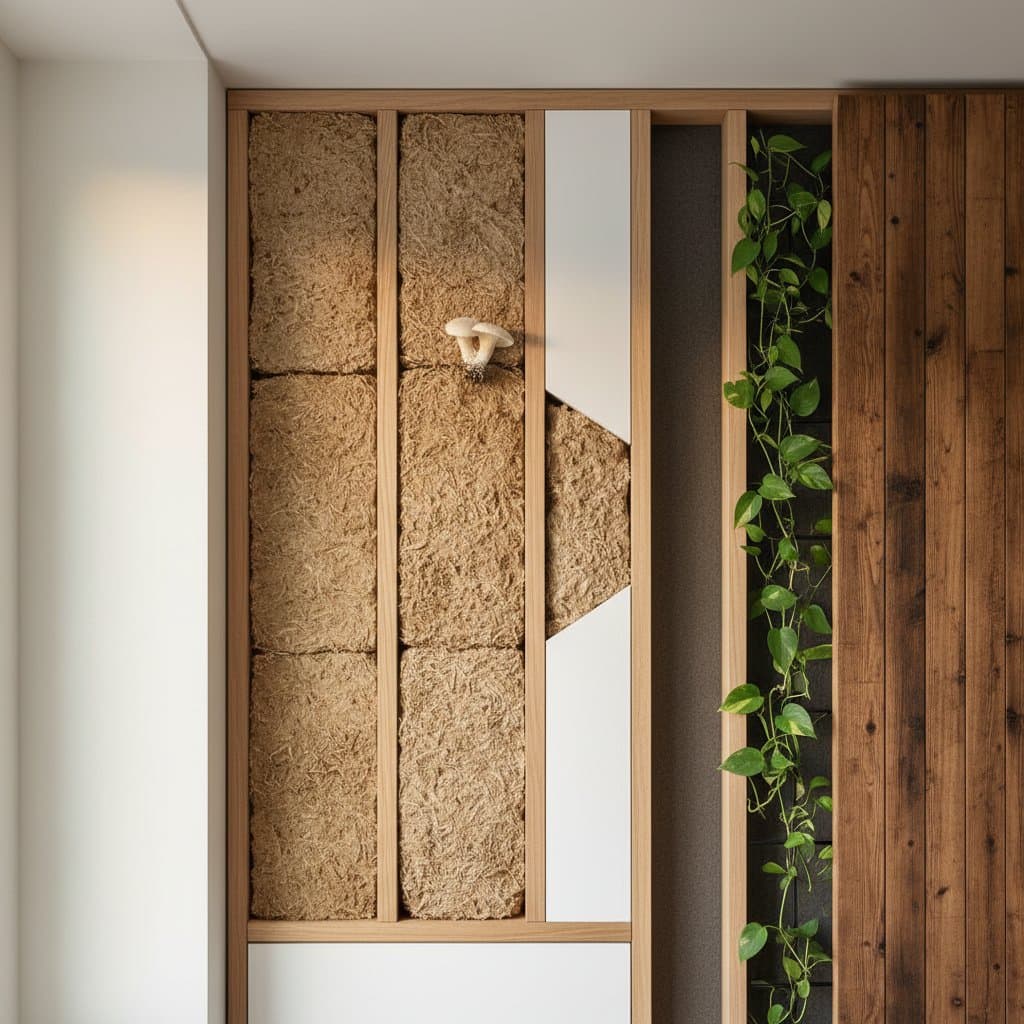
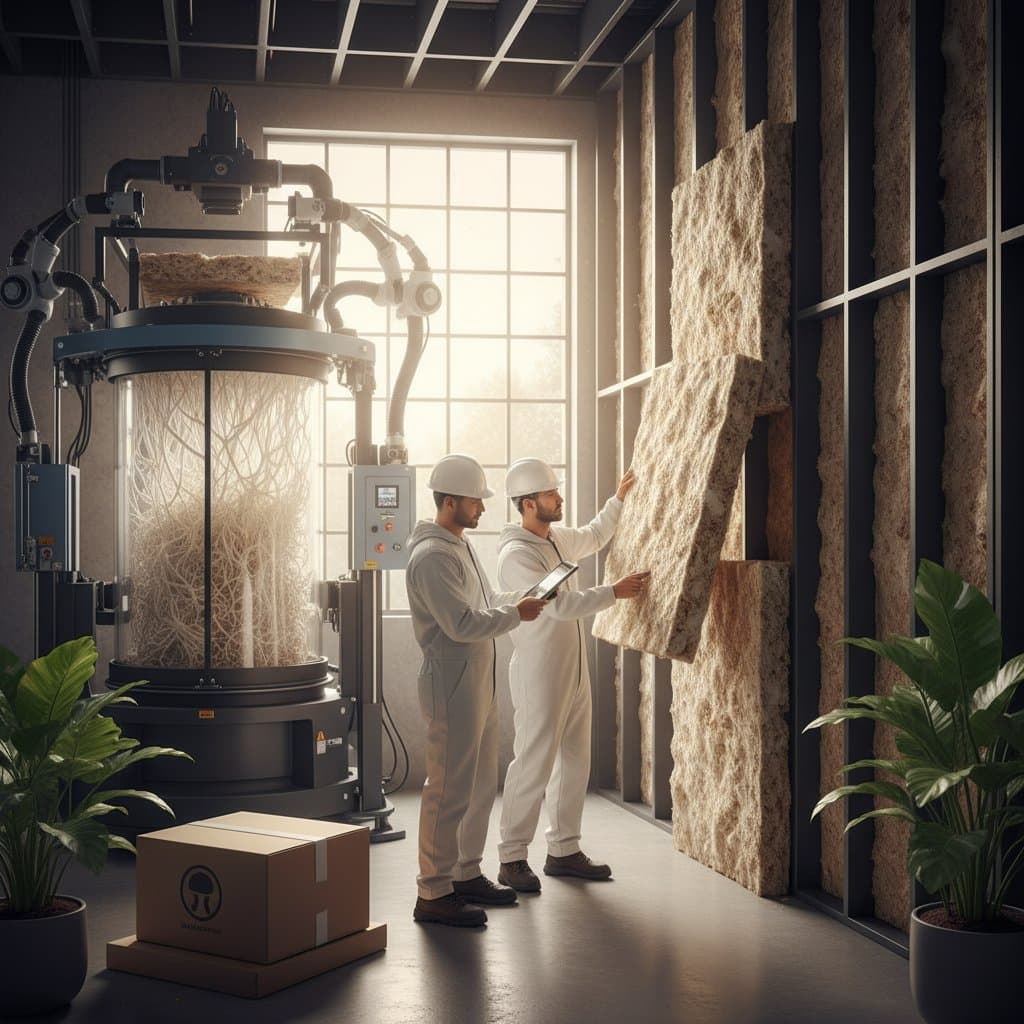
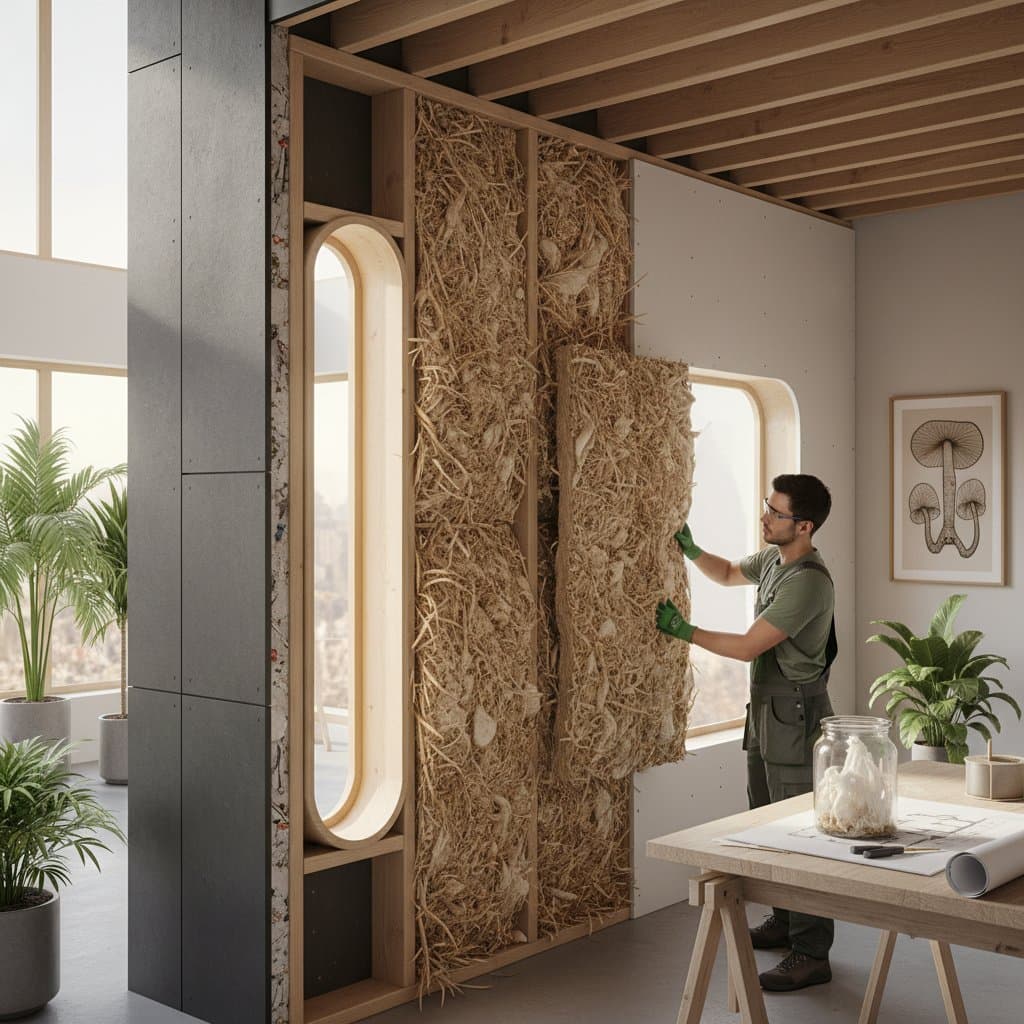
Featured image for Mushroom Walls: The Living Insulation Reshaping Green Homes

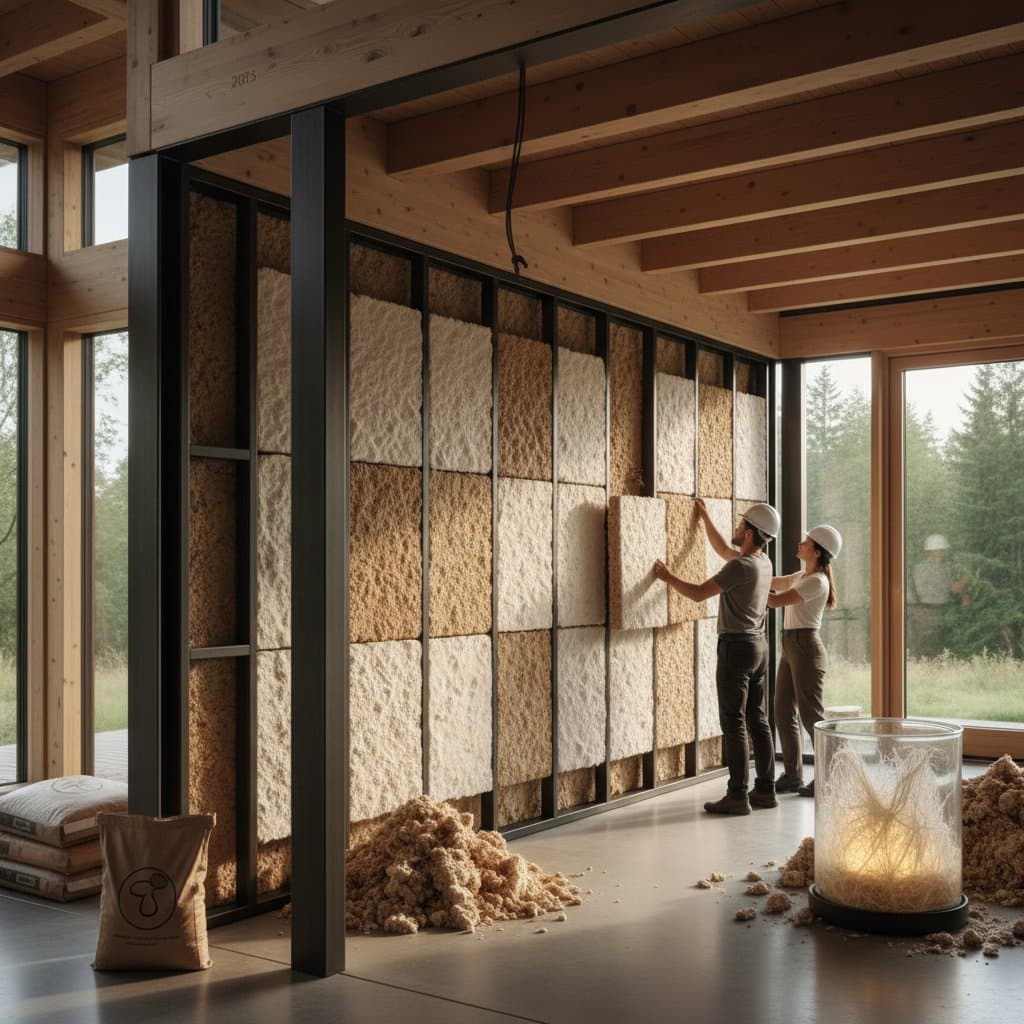
Mushroom Walls: The Living Insulation Reshaping Green Homes

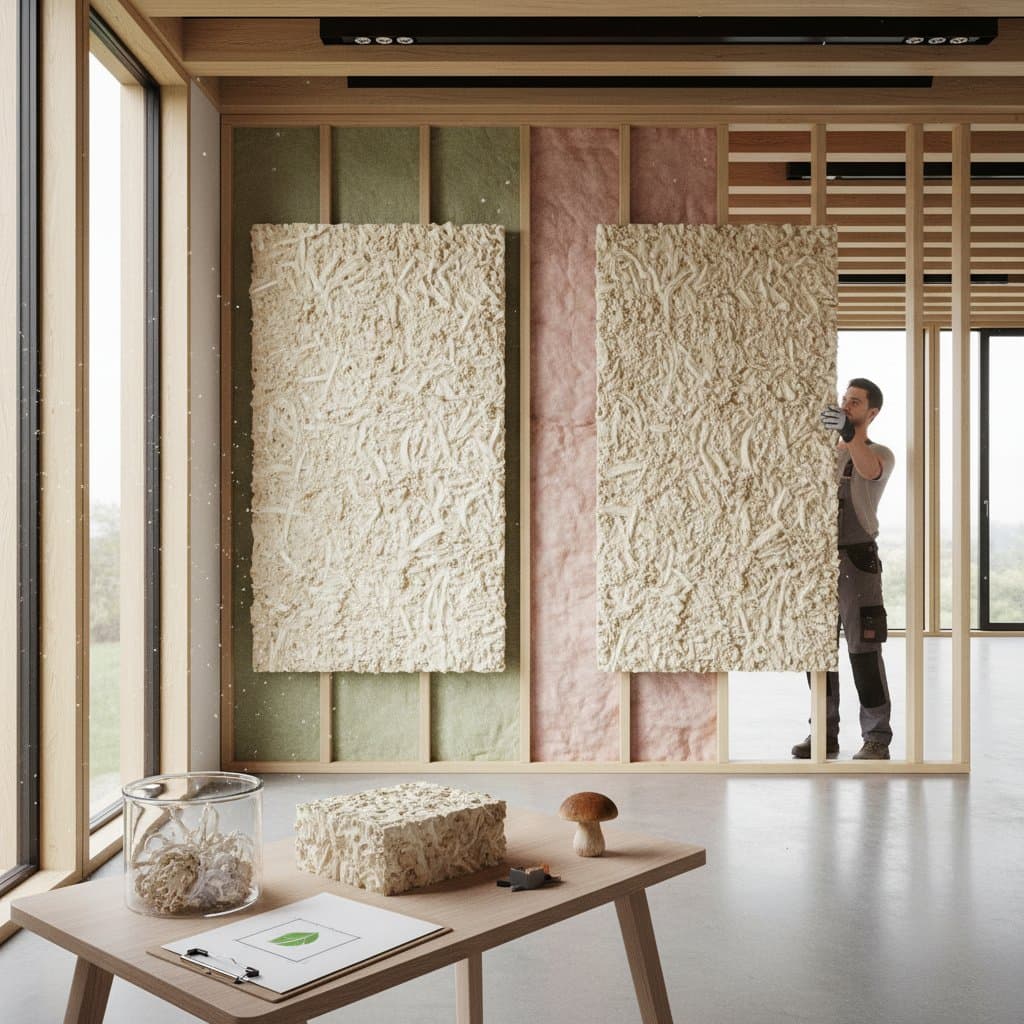
Mycelium-derived mushroom insulation redefines sustainable building through renewable, compostable panels that provide superior temperature regulation, fire resistance, and sound absorption. Sourced locally and capable of carbon sequestration, this material fosters circular economies and promotes healthier indoor environments. With declining costs, it emerges as the key sustainable building advancement for 2025.

6 min read
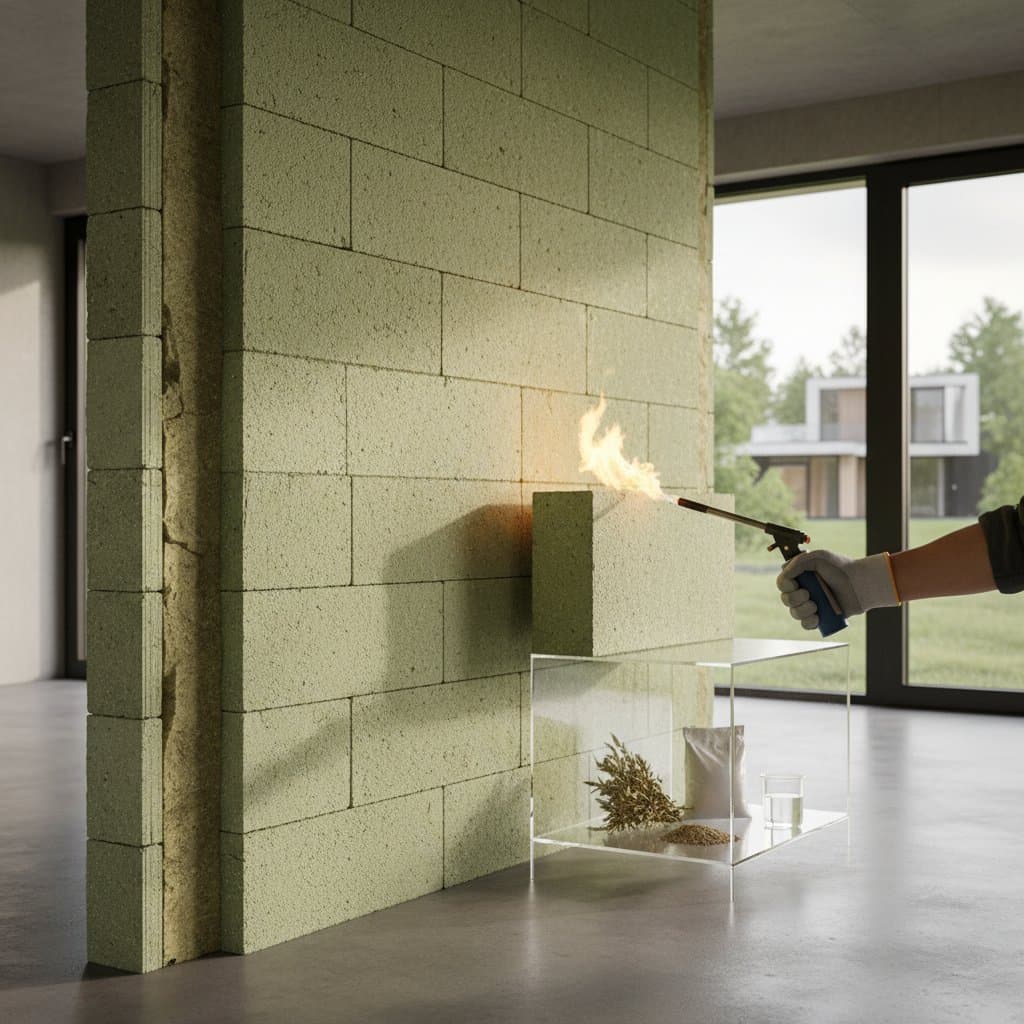
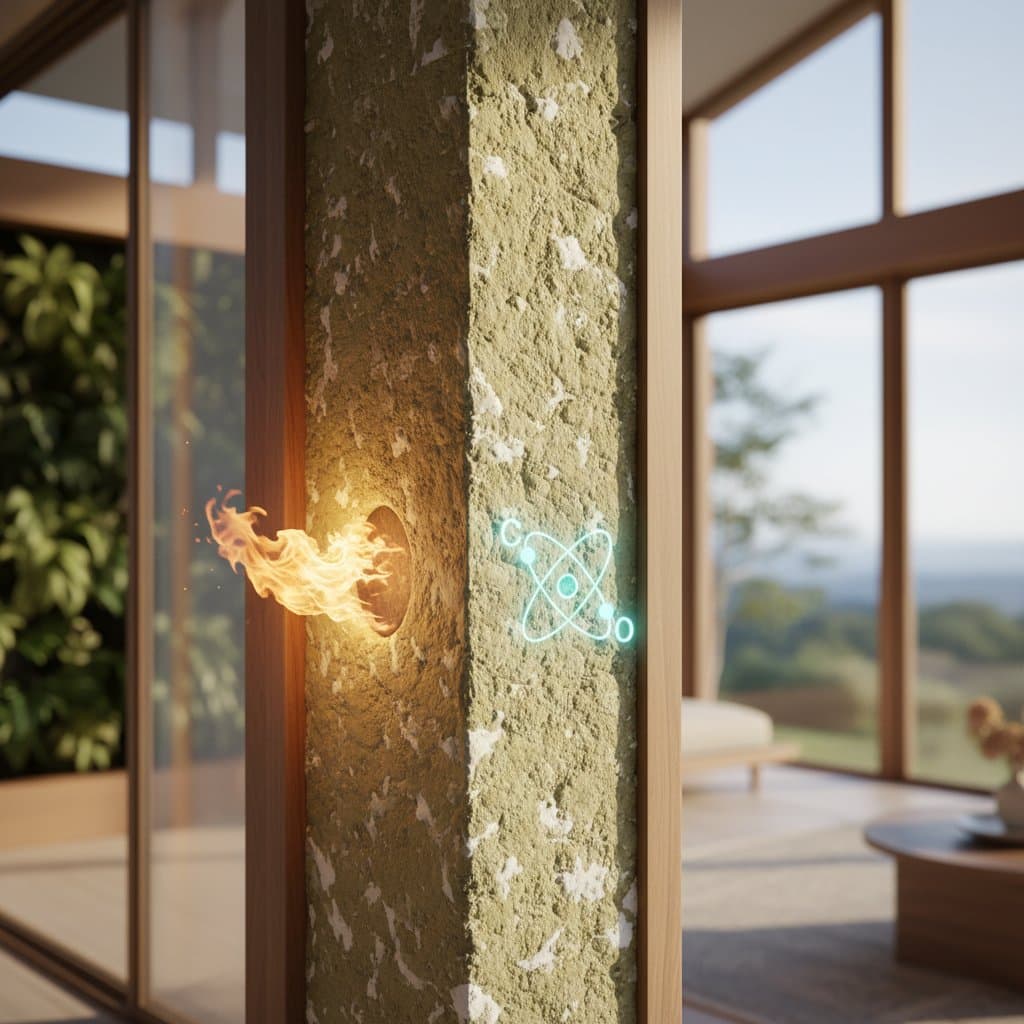
Featured image for Hempcrete Insulates, Resists Fire, and Stores Carbon

Hempcrete Insulates, Resists Fire, and Stores Carbon

Hempcrete revolutionizes 2025 construction through inherent fire resistance, carbon sequestration, and vapor-permeable insulation. Despite higher initial costs, it promises enduring energy efficiency, robust performance, and superior indoor environments. This versatile material elevates structures into active contributors to climate resilience and ecological balance.

5 min read
Featured image for Hempcrete Walls That Actually Store Carbon From Air

Hempcrete Walls That Actually Store Carbon From Air

Hempcrete insulation redefines sustainable building in 2025 by delivering carbon-negative results alongside natural comfort. Crafted from hemp, lime, and water, it manages temperature, cleans air, and locks away carbon for decades. Despite a modest initial cost increase, its longevity, energy reductions, and wellness perks establish it as essential for carbon-positive homes.

3 min read
Featured image for Hempcrete Cuts Energy Bills 40% by 2025

Hempcrete Cuts Energy Bills 40% by 2025

Hempcrete and mycelium transform sustainable construction by providing carbon-sequestering, energy-efficient alternatives to concrete and plastics. These bio-materials reduce energy expenses by as much as 40 percent, enhance indoor air quality, and recover costs in just a few years. Integrated into buildings, they deliver environmental accountability alongside enduring financial and health advantages.

4 min read
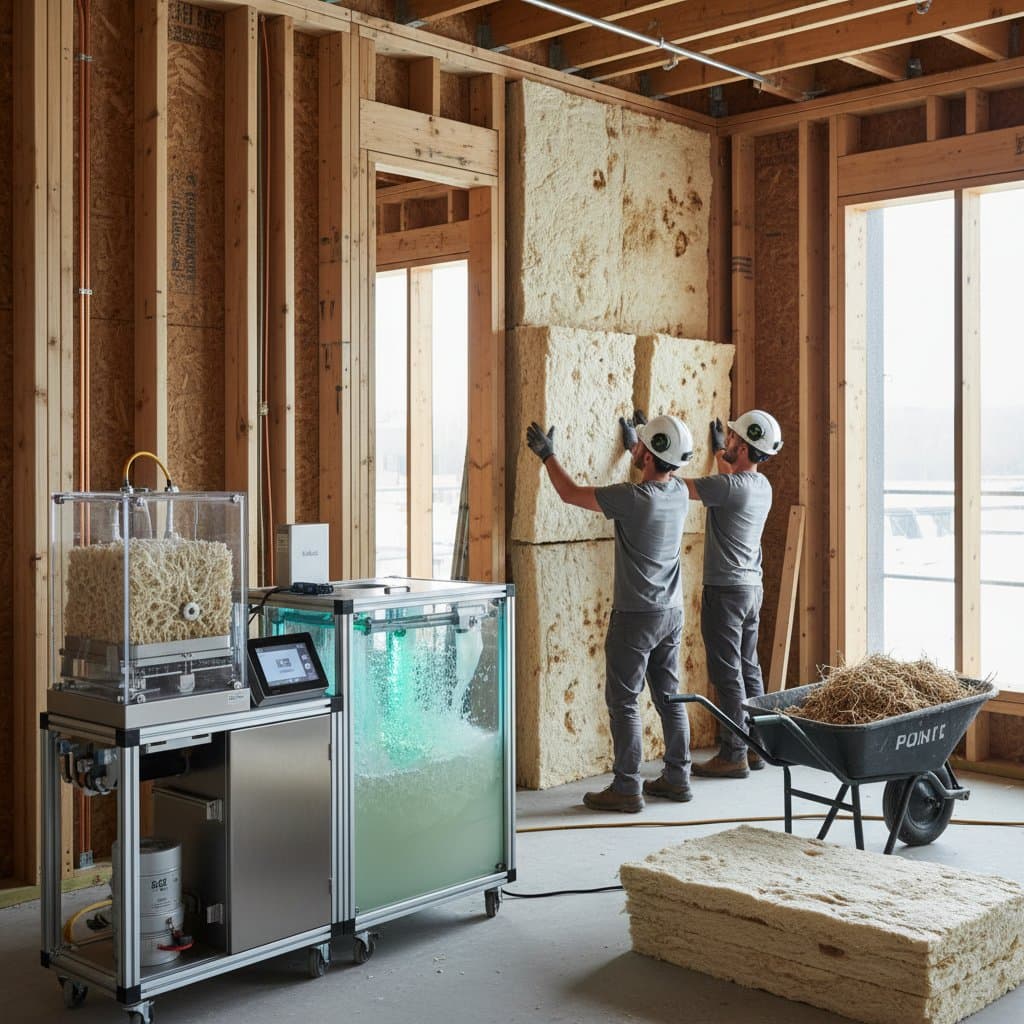
Featured image for Mycelium Insulation Cuts Energy Bills While Composting

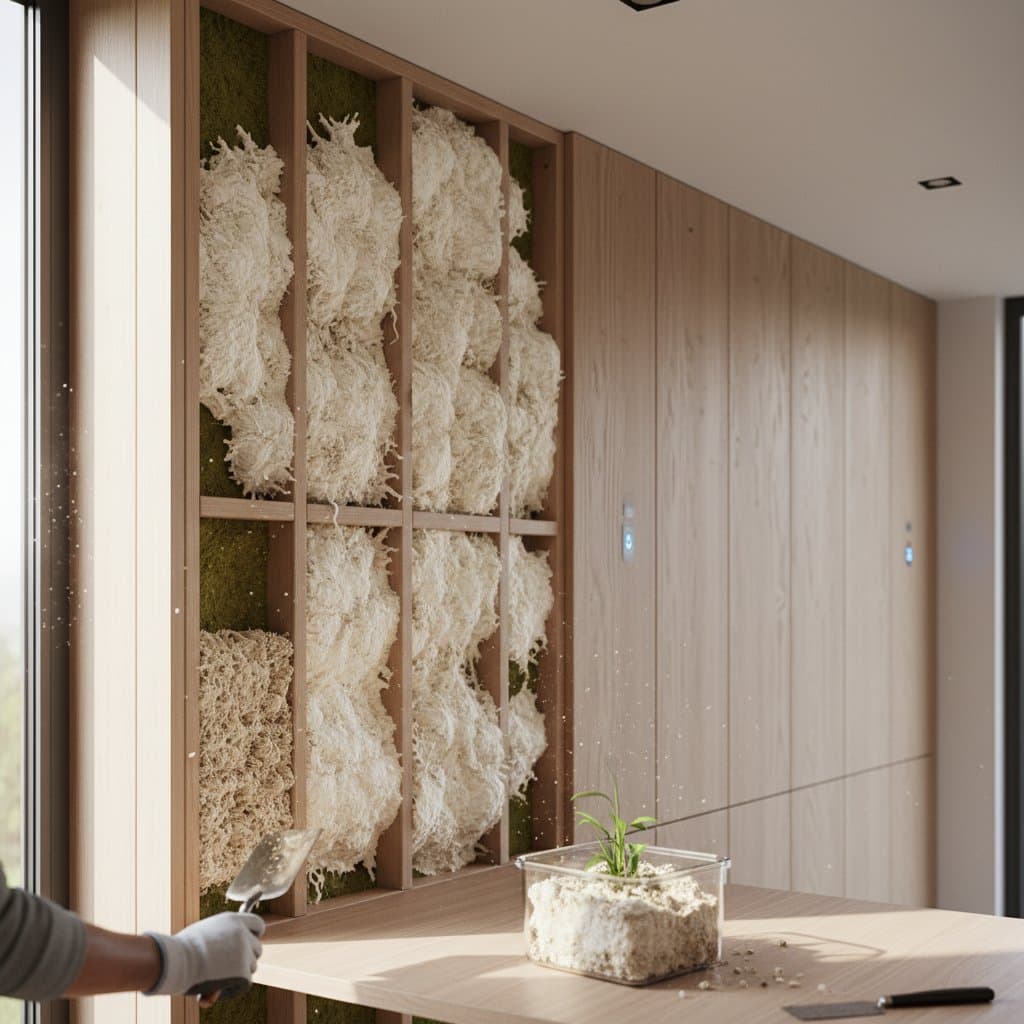
Mycelium Insulation Cuts Energy Bills While Composting

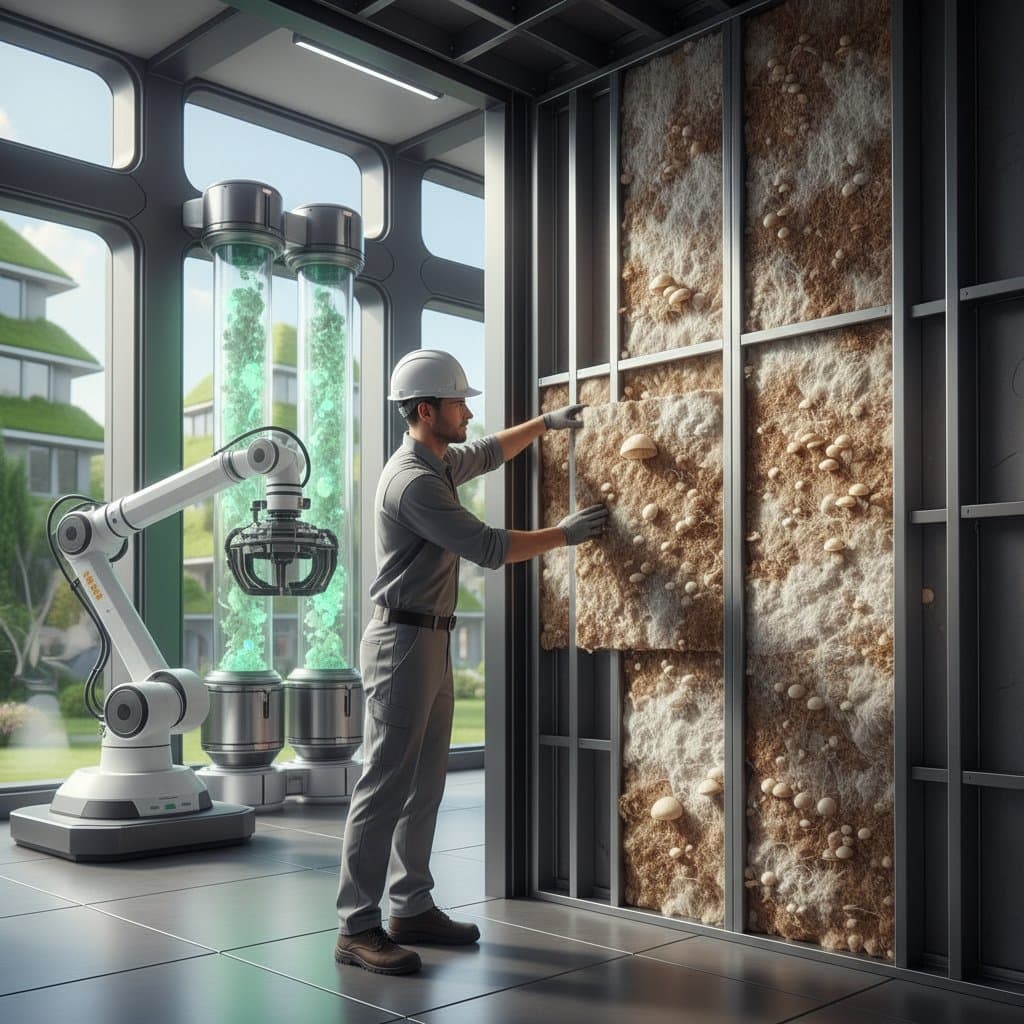
Mycelium insulation revolutionizes eco-friendly home construction by providing renewable, compostable options that match synthetic materials in performance. Although upfront costs exceed those of traditional insulators, benefits include substantial energy reductions, superior indoor air quality, and minimal waste. This durable, fire-resistant material converts farm waste into effective insulation, promoting a regenerative approach to building.

4 min read
Featured image for Smart Passive Retrofits Cut Cooling Costs 25-60%

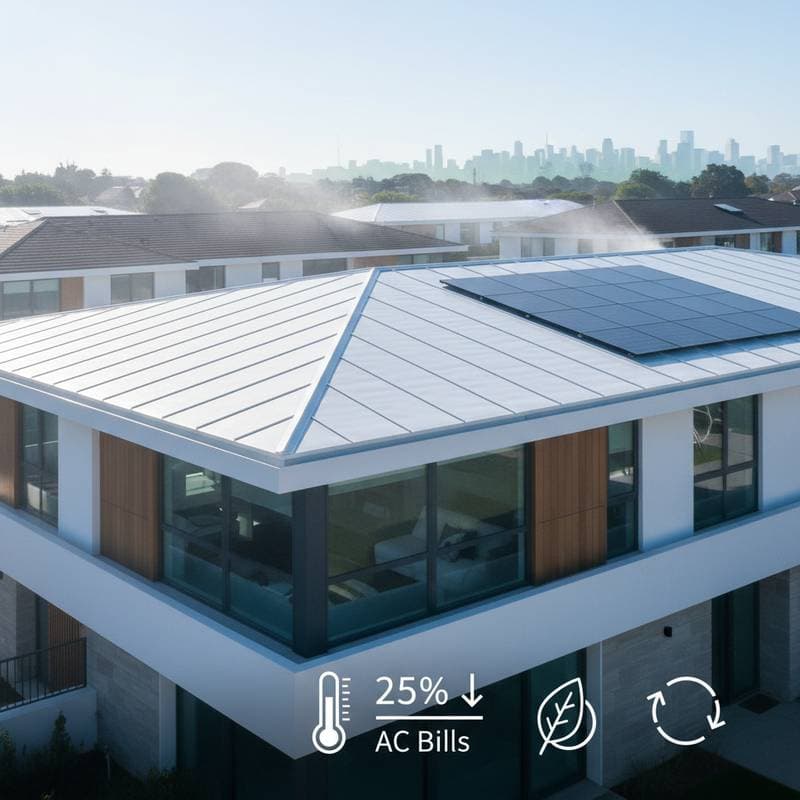
Smart Passive Retrofits Cut Cooling Costs 25-60%

Turn your home into an energy-efficient, naturally cool space. Passive retrofits leverage shading, ventilation, and thermal mass to lower cooling costs by up to 60%, improve comfort levels, and elevate resale value. Uncover actionable strategies, smart investment options, and enduring advantages for climate-resilient living in 2025 and beyond.

6 min read
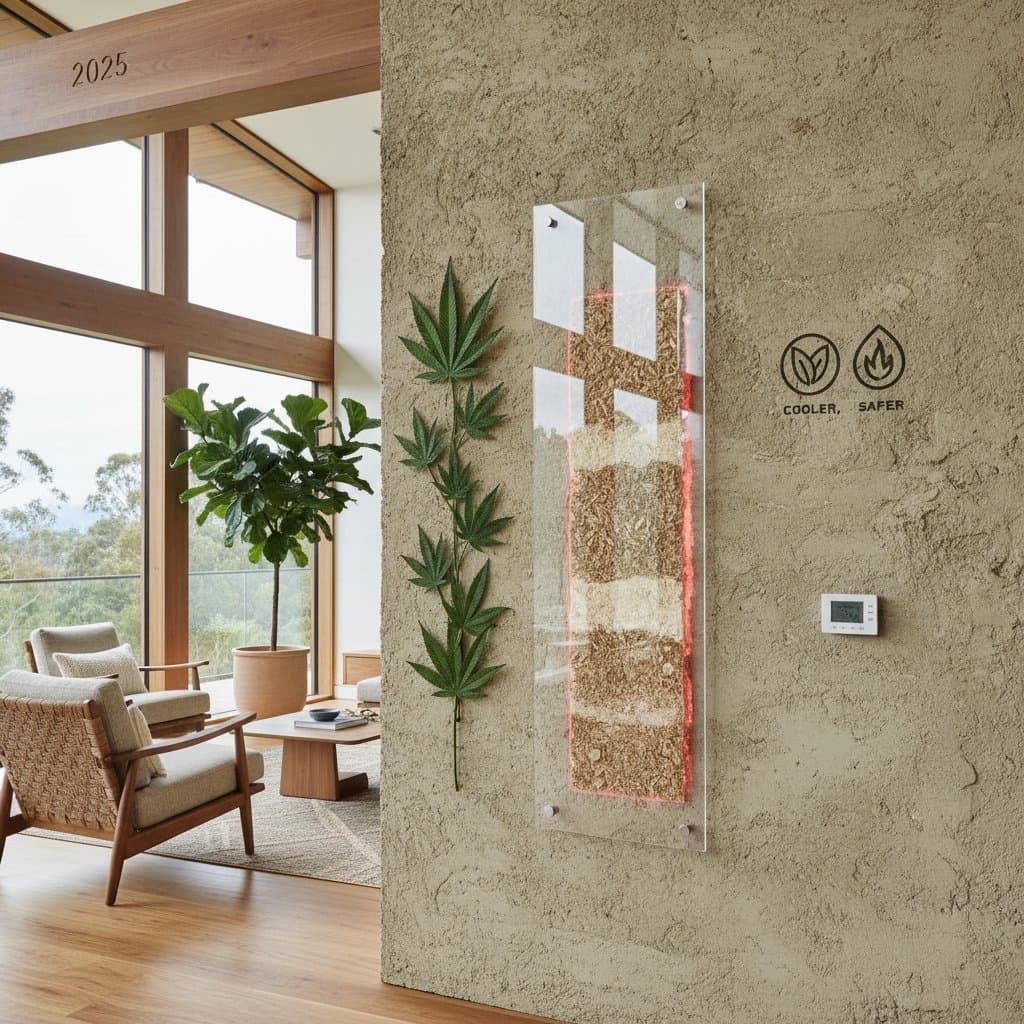
Featured image for Hempcrete Captures Carbon While Insulating Your Home

Hempcrete Captures Carbon While Insulating Your Home

Hempcrete transforms sustainable construction in 2025 by sequestering carbon, regulating humidity, and delivering outstanding insulation. Composed of hemp, lime, and water, it offers energy efficiency, durability, and improved indoor air quality. This carbon-negative material turns homes into efficient, eco-friendly spaces that advance global climate objectives.

5 min read
Featured image for Hempcrete Cuts Building Insulation Costs 50% in 2025

Hempcrete Cuts Building Insulation Costs 50% in 2025

Hempcrete transforms sustainable construction by reducing insulation costs up to 50 percent, sequestering carbon, and enhancing indoor air quality. Composed of hemp hurd and lime, this material provides exceptional durability, fire resistance, and energy efficiency. In 2025, as low-carbon options gain traction, hempcrete delivers a viable route to more affordable, environmentally responsible buildings.

4 min read
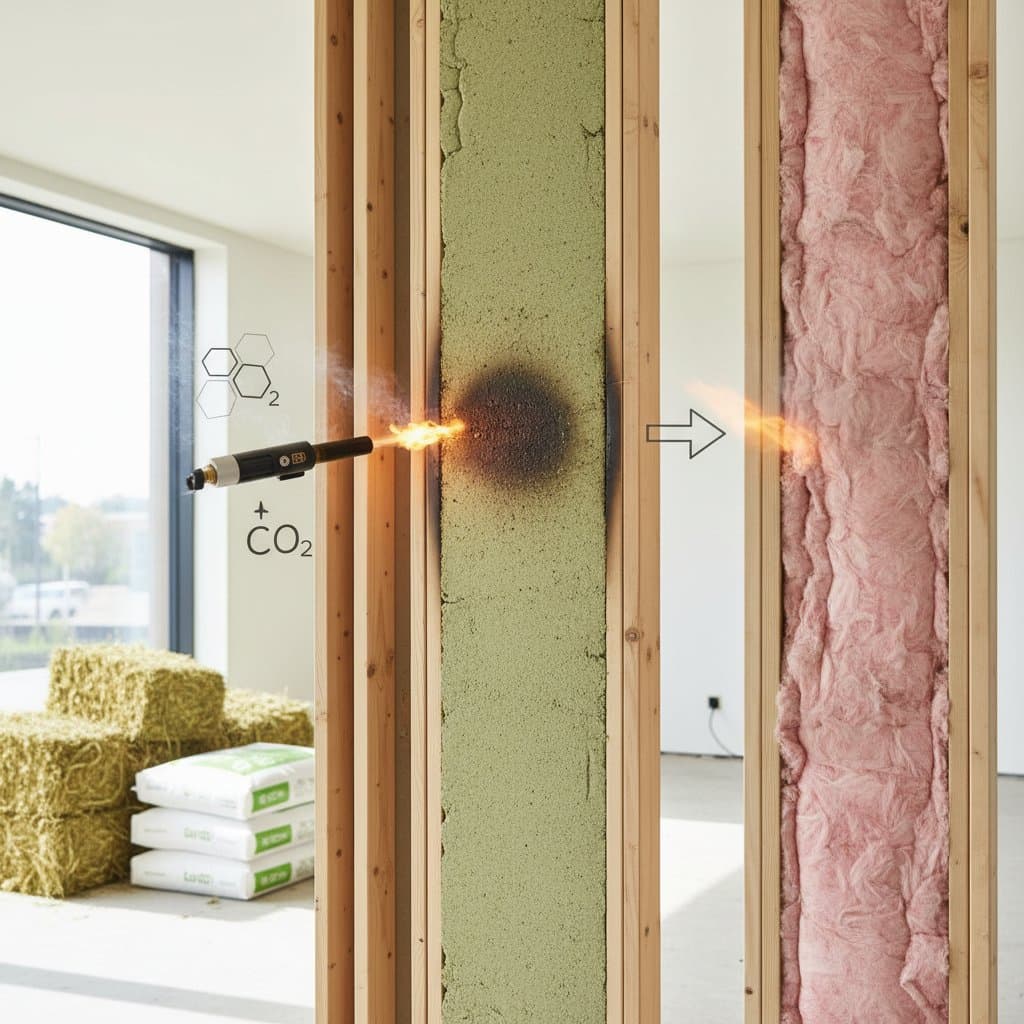
Featured image for Hempcrete Insulation: Fire-Safe Walls That Breathe

Hempcrete Insulation: Fire-Safe Walls That Breathe

Hempcrete transforms sustainable insulation for 2025 homes by offering natural fire resistance, carbon sequestration, and superior moisture control. Despite a higher initial investment, it provides enduring energy efficiency, structural longevity, and improved indoor air quality. This renewable option suits environmentally aware construction, delivering equilibrium among safety, comfort, and ecological impact.

4 min read
Featured image for Hempcrete Walls Store 165kg CO₂ Per Cubic Meter

Hempcrete Walls Store 165kg CO₂ Per Cubic Meter

Hempcrete revolutionizes sustainable building by converting structures into carbon sinks. Composed of hemp, lime, and water, it sequesters CO₂, offers exceptional insulation, manages moisture, and lowers energy use. Despite higher initial costs, its enduring environmental and economic gains establish it as essential for carbon-negative designs.

6 min read