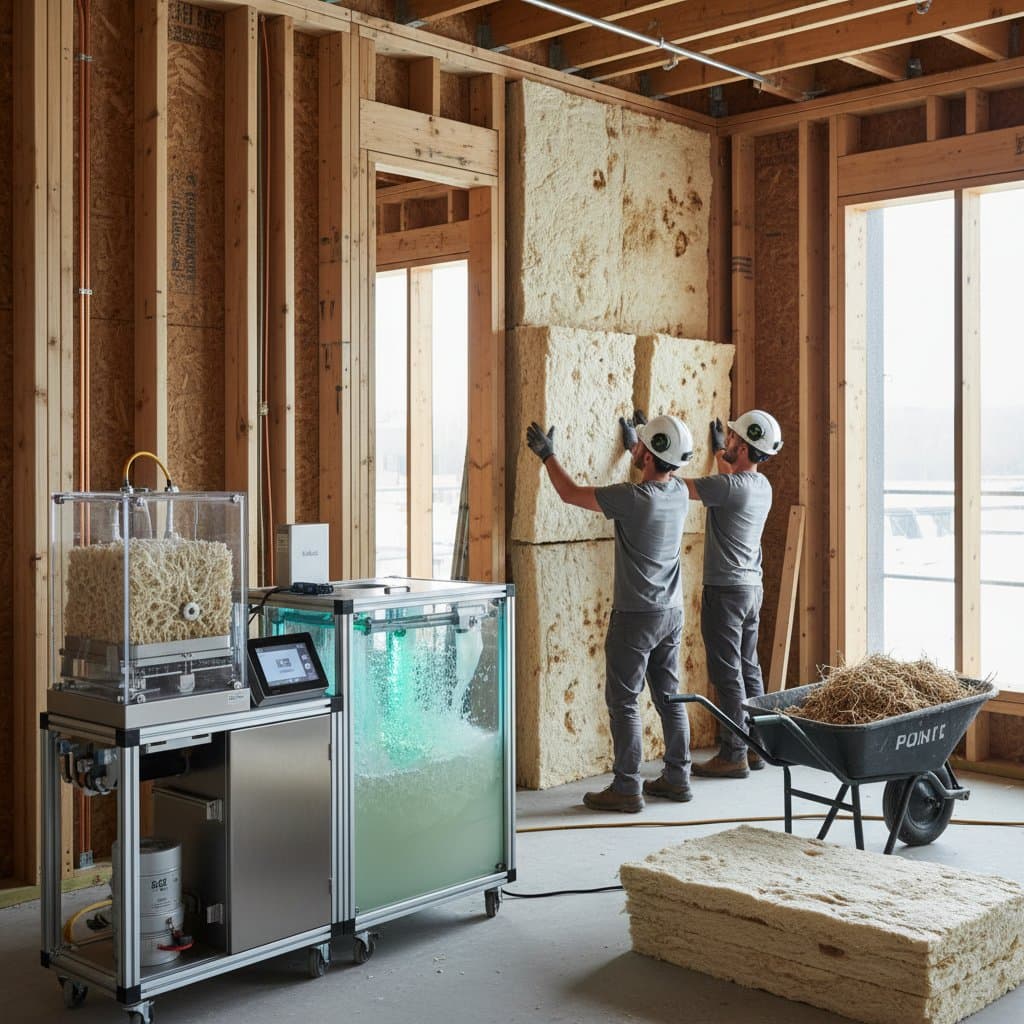
Mycelium Insulation: The 2025 Breakthrough in Sustainable Building
Sustainable housing typically features solar panels and water-efficient systems. Yet a profound change happens inside the walls with mycelium insulation, made from mushroom roots. This innovation combines biotechnology and environmental science to create buildings that support ecological health.
Core Features of Mycelium Insulation
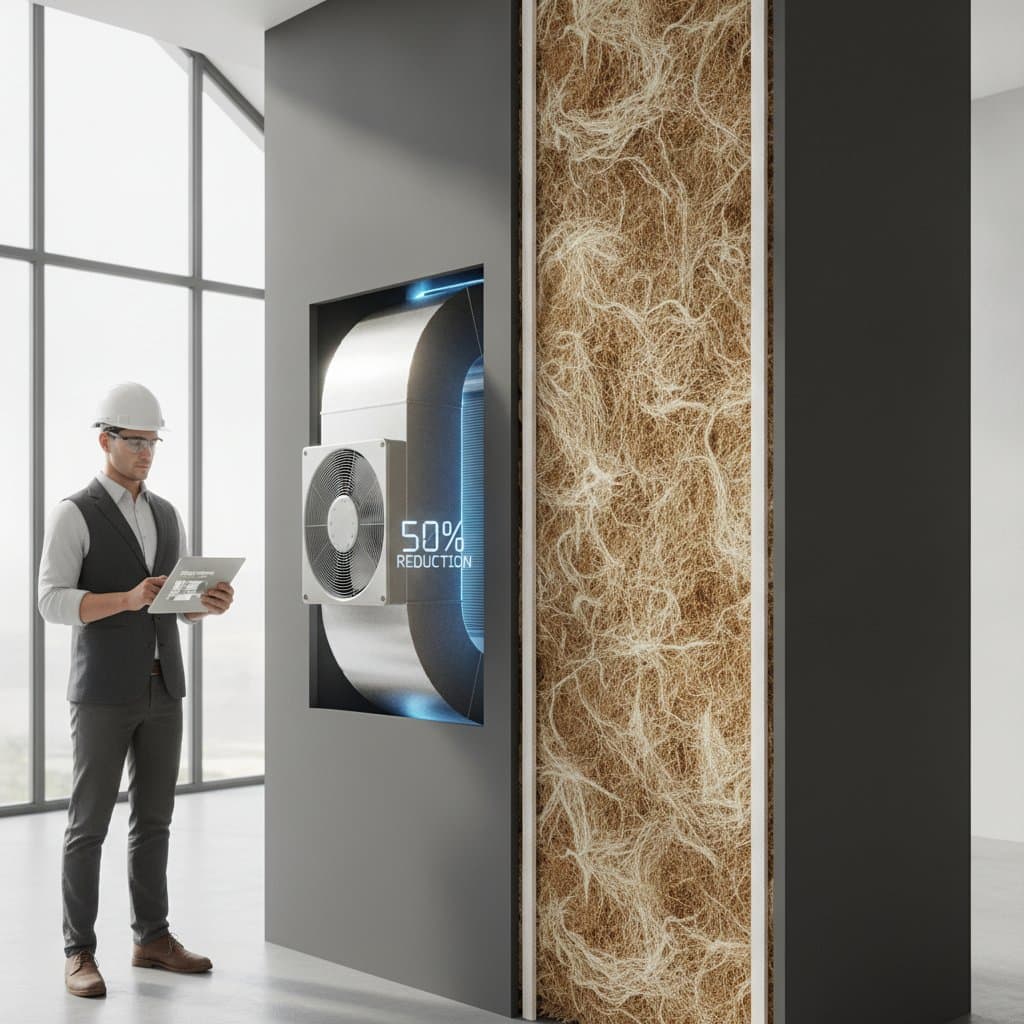
Mycelium insulation grows from the thread-like structures of fungi, forming a completely biodegradable and non-toxic product. It provides thermal performance equal to polystyrene while reducing environmental impact. The production process uses minimal energy and produces almost no waste, making it carbon-negative compared to plastic options.
In sealed structures, early tests show mycelium panels lower energy use by up to 20 percent. This material meets the demand for breakable-down construction components that reduce landfill waste and prevent microplastic spread. Homeowners enjoy lower utility bills and greater environmental responsibility.
Understanding the Biological Foundation
Mycelium forms from delicate, interconnected threads that allow fungi to spread. When combined with materials such as corn husks or wood scraps, it grows into a dense yet lightweight foam that bonds naturally. Once mature, the material dries to stop growth, creating a durable, mold-resistant product ready for cutting into panels or sheets.
Research from sustainable architecture projects shows that mycelium's cell structure traps air effectively, offering strong thermal and acoustic insulation. According to data from the Sustainable Materials Institute, R-values for mycelium composites range from 3.5 to 4 per inch, comparable to synthetic materials. This efficiency comes from inherent porosity, without any chemical treatments.
Unlike fiberglass or foam insulation, mycelium releases no harmful vapors and breaks down naturally at the end of its life. These qualities address key issues in construction waste handling and promote a circular material economy. Builders find it easy to incorporate into standard processes.
Transitioning from Research to Residential Use
Experts now view mycelium products as practical options, not just lab experiments. Factories use molds to shape the material into sizes that fit standard building frames. Groups in Europe and North America test it in home prototypes, with results that encourage wider use.
Assessments of sample eco-homes reveal embodied carbon 25 percent lower than in mineral wool insulation. This benefit stems from carbon absorption during growth, a feature rare in factory-made products. The method also reuses farm byproducts efficiently.
Mycelium improves living spaces beyond sustainability. It regulates humidity, deters pests, and cleans indoor air. Without chemical off-gassing, it avoids mold growth, which suits health-conscious households. Residents experience reliable performance alongside natural benefits.
Performance Comparison with Standard Materials
| Property | Mycelium Insulation | Fiberglass | Polystyrene Foam |
|---|---|---|---|
| Thermal Efficiency (R-value per inch) | 3.5 - 4.0 | 2.9 - 3.8 | 3.5 - 5.0 |
| Biodegradable | Yes | No | No |
| Carbon Footprint | Carbon-negative | High | Very high |
| Mold Resistance | Excellent | Moderate | Poor |
| End-of-Life Disposal | Compostable | Landfill | Landfill |
This table highlights mycelium's strengths in performance and eco-friendliness. Polystyrene may offer slightly better insulation in certain measures, but its environmental costs negate those gains. Mycelium supports a regenerative cycle from creation to disposal.
Practical Integration and Setup Methods
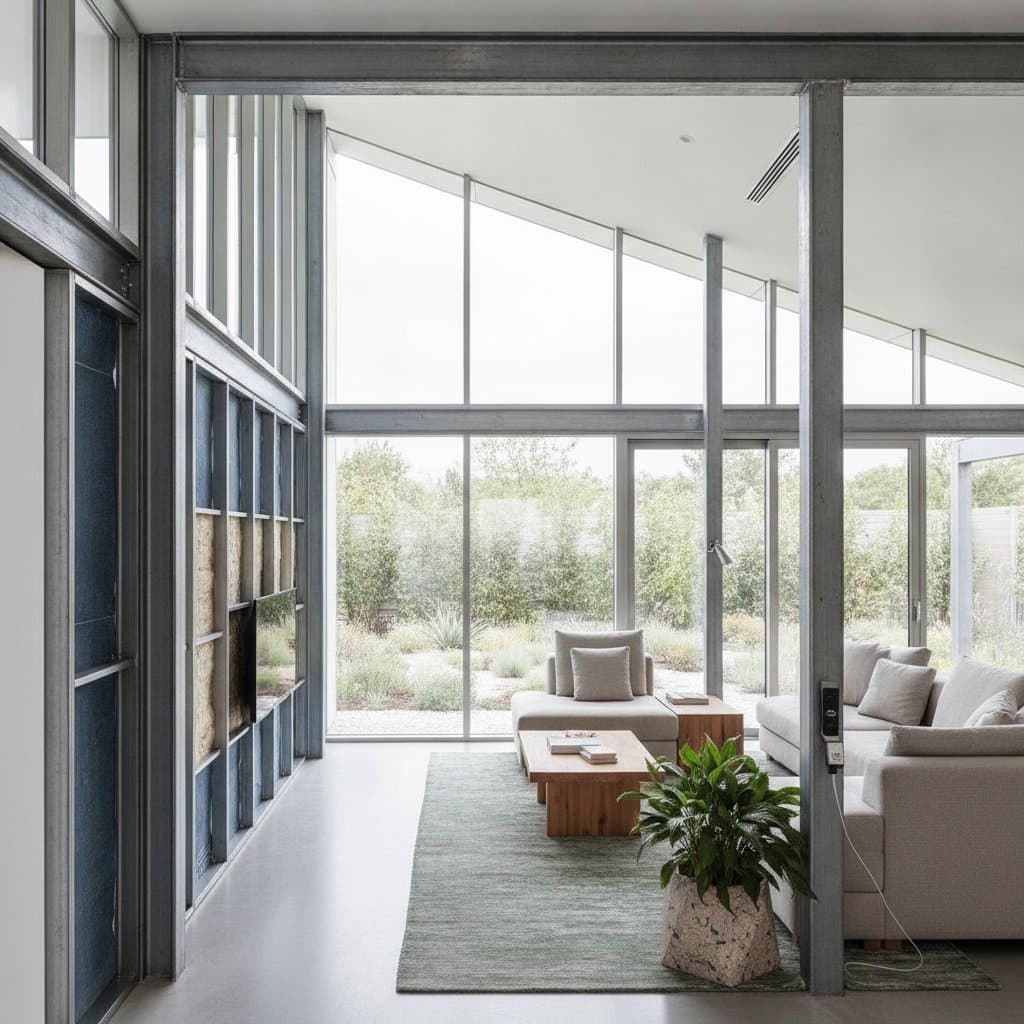
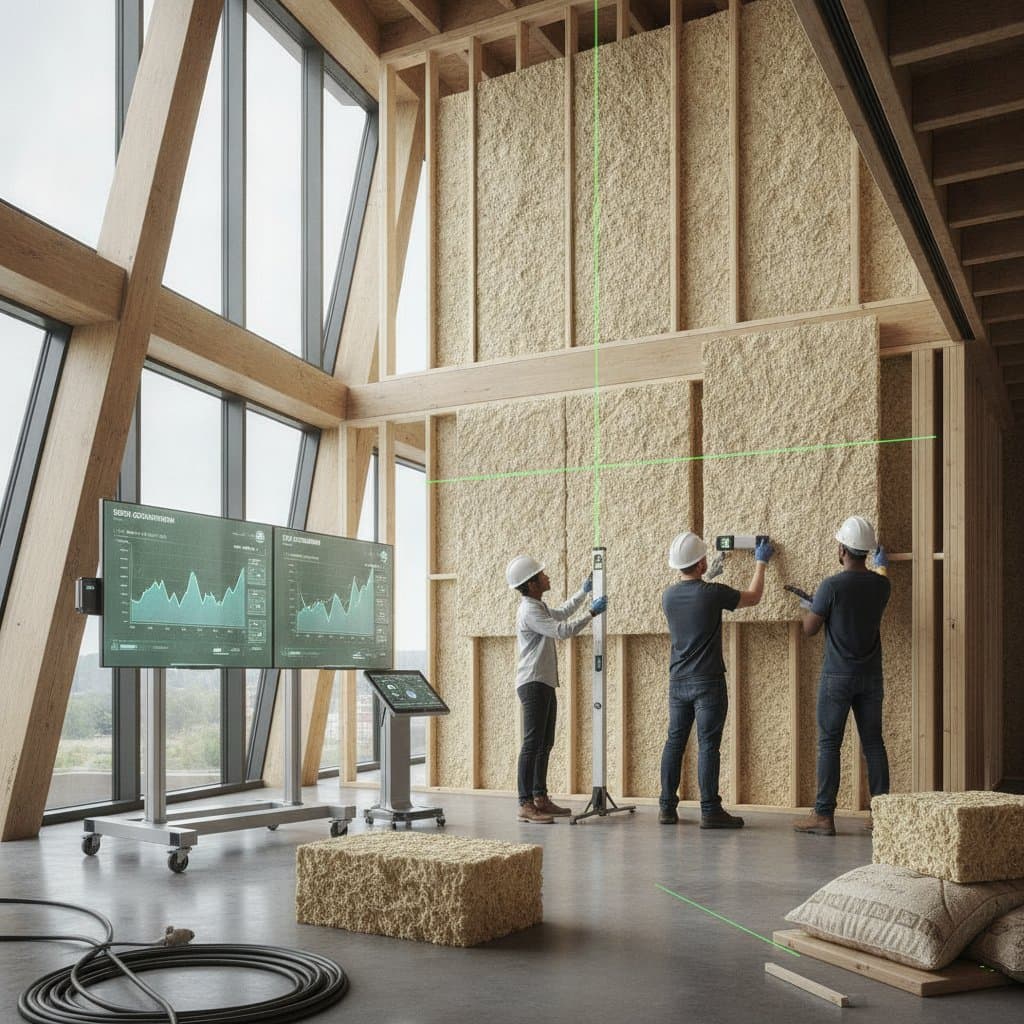
Installing mycelium insulation follows the same steps as for conventional panels, which simplifies adoption for contractors and DIY users. Slide panels into gaps between wall studs, floor joists, or ceiling rafters, then apply finishes such as plaster or lime wash. The lightweight design eases handling and cuts transport emissions.
Manage moisture carefully to ensure longevity. Mycelium performs best in dry conditions, so add vapor barriers or protective coatings in damp climates. Current studies explore pairings with plant-based sealants to adapt it for various regions. Source panels from dedicated manufacturers and customize for specific builds.
For retrofit projects, inspect wall spaces first to confirm compatibility. Fasten panels securely with few anchors, and seal edges tightly to optimize energy savings. After setup, monitor indoor humidity to verify effectiveness. These measures allow updates without disrupting existing structures.
Realizing Benefits in Home Design
Mycelium insulation signals a shift toward regenerative building methods. It proves that high performance can coexist with full decomposability. Designers and homeowners can now create spaces that restore resources instead of depleting them.
Looking ahead, mycelium may expand into uses like outer walls, furniture, or structural parts. As production scales, costs will match traditional materials, increasing availability. Integrate mycelium into your next home project to achieve real cost reductions and environmental gains.