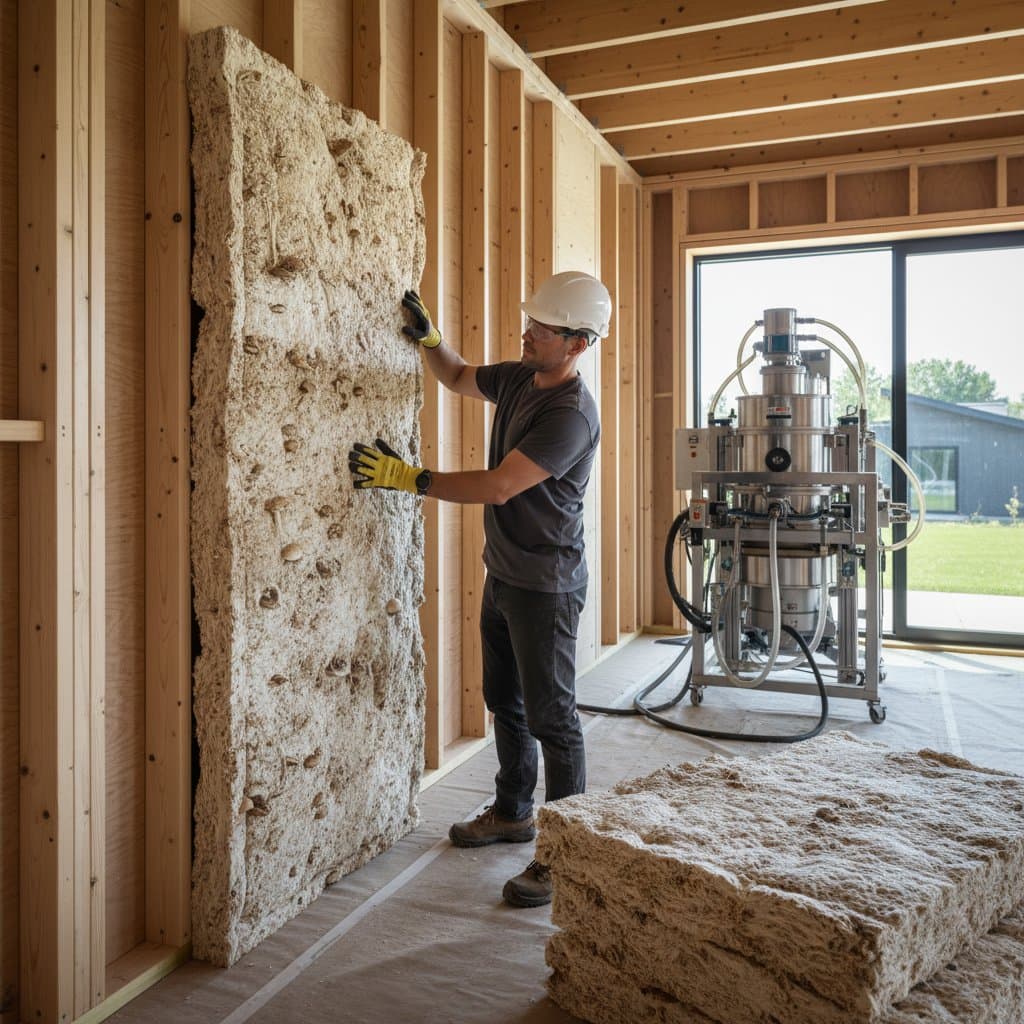
Mushroom Insulation Cuts Energy Costs in Green Homes
When you imagine the materials that make up your home, mushrooms probably are not the first thing that comes to mind. Yet a quiet revolution in sustainable building is happening, and it is growing. Mycelium, the root structure of mushrooms, is being cultivated into insulation panels that rival traditional materials in performance while offering striking environmental benefits.
Homeowners and builders looking to cut energy costs and lower carbon footprints find mushroom insulation an unexpectedly practical solution. This material reduces heating and cooling costs by as much as 25 percent compared to conventional options.
Key Advantages
- Production involves minimal energy use and emits almost no carbon.
- The material is fully biodegradable and free of toxic chemicals.
- Mycelium panels offer strong fire resistance and natural moisture regulation.
- Early adopters report measurable long-term savings and improved comfort.
Understanding Mycelium as a Building Material
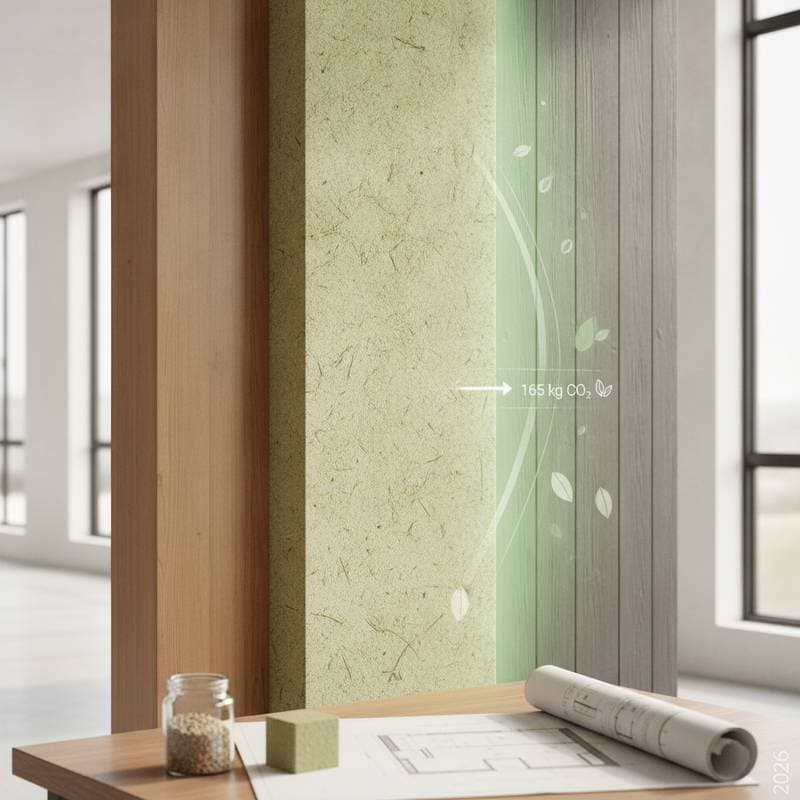
Mycelium is the dense, thread-like root system that forms the base of fungi. When cultivated under controlled conditions, it grows around agricultural byproducts such as hemp hurd or corn stalks. It binds them into a lightweight, rigid foam-like structure.
After a short growth period, the material is heat-treated to stop growth and stabilize it. The result is a natural composite that acts much like polystyrene or mineral wool but without the environmental baggage. Research shows mycelium-based composites have thermal conductivity values between 0.03 and 0.05 watts per meter-kelvin.
This range matches many synthetic insulators used in high-performance buildings. Architect and materials researcher Emma Lewis noted that mycelium insulation represents a shift in how building materials are viewed because it is renewable and regenerative.
Comparison to Common Insulation Materials
| Material Type | Thermal Conductivity (W/m·K) | Carbon Footprint | Fire Resistance | Biodegradable | Estimated Cost per Square Foot |
|---|---|---|---|---|---|
| Fiberglass | 0.04 | High | Moderate | No | Low |
| Mineral Wool | 0.035 | Moderate | High | No | Medium |
| Spray Foam | 0.025 | Very High | Low | No | High |
| Mycelium | 0.04 | Very Low | High | Yes | Medium |
The table shows that mycelium insulation performs similarly in thermal resistance. It dramatically outperforms synthetic options in sustainability metrics. Its cost is trending downward as production scales.
The Science Behind Energy Savings
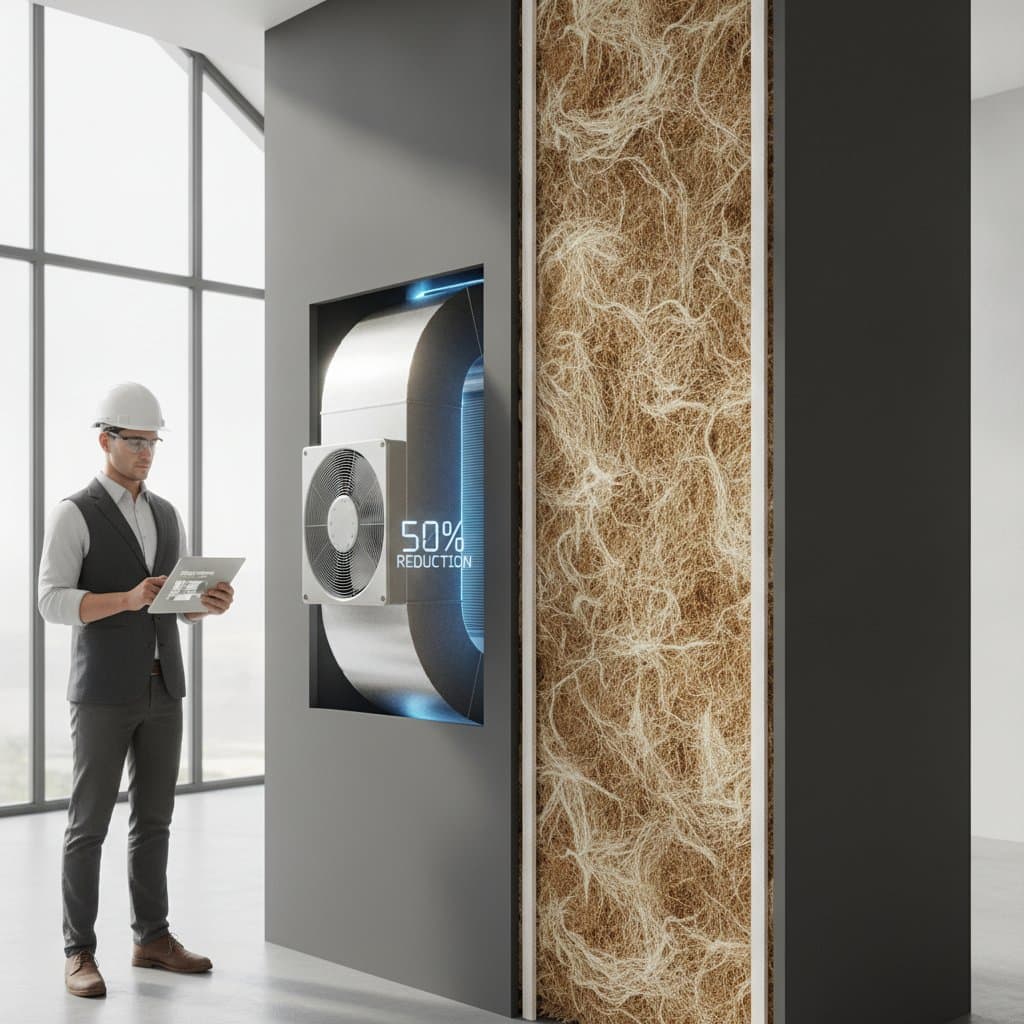
Insulation works by slowing heat transfer through walls, roofs, and floors. Mycelium forms a dense network of micro-tunnels that trap air. The result is a stable internal temperature without excessive reliance on heating or cooling systems.
A study from a European building innovation agency found that homes using mycelium insulation in exterior walls reduced energy consumption by roughly 20 to 25 percent during both heating and cooling seasons. The material also contributes to passive thermal regulation by absorbing and releasing moisture without losing insulation efficiency.
Soundproofing and Comfort Benefits
Homeowners notice quieter interiors beyond energy performance. Mycelium dampens noise transmission effectively. Acoustic testing shows reductions of up to 8 decibels compared to fiberglass.
Production Process and Environmental Advantages
Production requires minimal equipment and no synthetic chemicals. It begins with organic waste sourced from local farms or food processing facilities. Once the mycelium fully colonizes the substrate, it is molded into panels and baked to halt biological activity.
Environmental scientist David Nguyen explained that every cubic meter of mycelium insulation replaces materials that would have required fossil fuels to produce. During growth, mycelium absorbs carbon dioxide as part of its natural metabolism. Lifecycle analyses estimate that each square meter stores approximately 1.5 kilograms of carbon.
Challenges and Practical Considerations
The main challenges are scalability, consistency, and regulatory approval. Production depends on controlled biological processes that can vary slightly depending on temperature and humidity. Manufacturers must maintain strict environmental conditions to ensure uniform quality.
Building codes in many regions are still catching up with bio-based materials. From a cost perspective, mycelium insulation currently sits between fiberglass and mineral wool. Early adopters may pay a slight premium that is offset by lower energy bills.
Durability and Moisture Resistance
Mycelium insulation is robust once heat-treated. It becomes inert and resistant to decay. It does not attract insects or rodents, and its flame-retardant properties meet rigorous safety standards. In moisture tests, mycelium panels performed comparably to mineral wool.
Applications in Green Building
Mycelium insulation is versatile. It can be molded into rigid panels for wall cavities, loose-fill material for attics, or composite boards combined with other natural fibers. For homeowners pursuing green certifications such as LEED or Passive House, it contributes to multiple credits related to energy performance, material sourcing, and indoor air quality.
Retrofitting Existing Homes
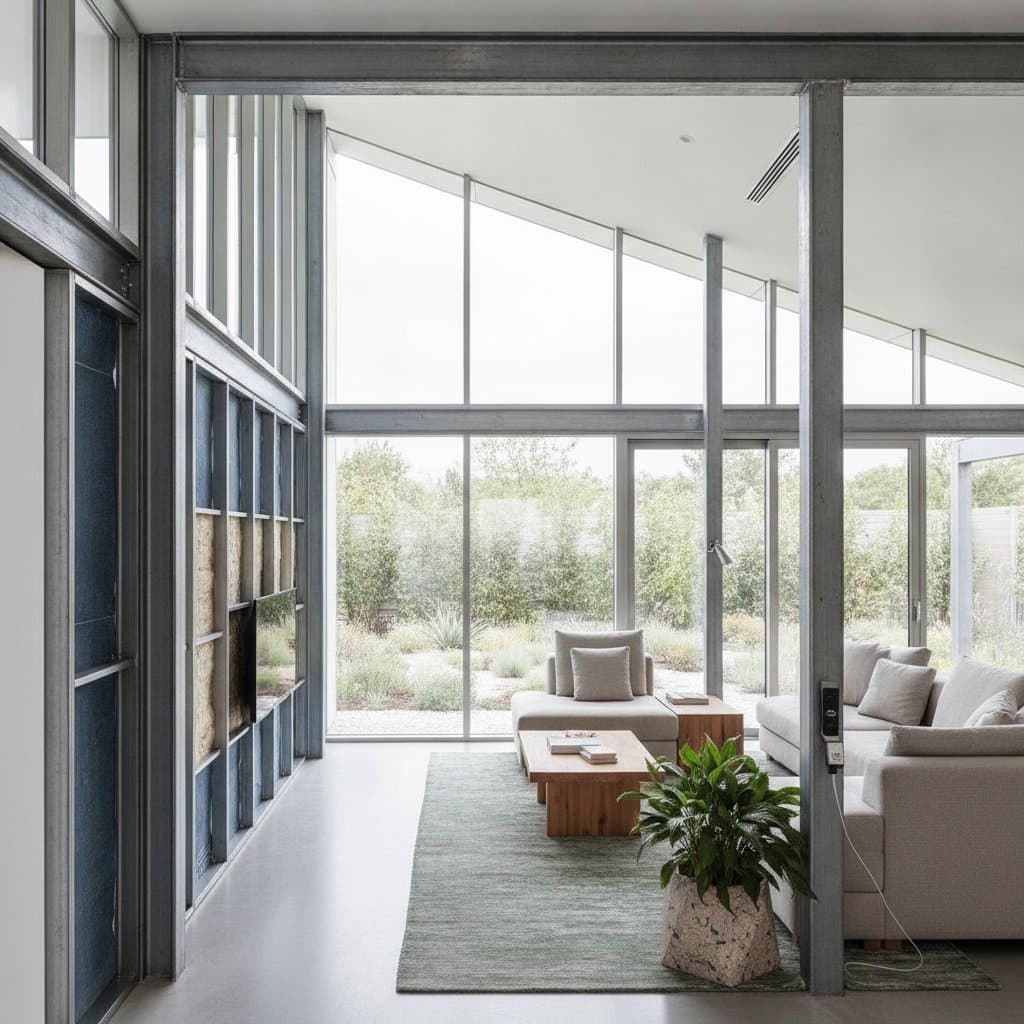
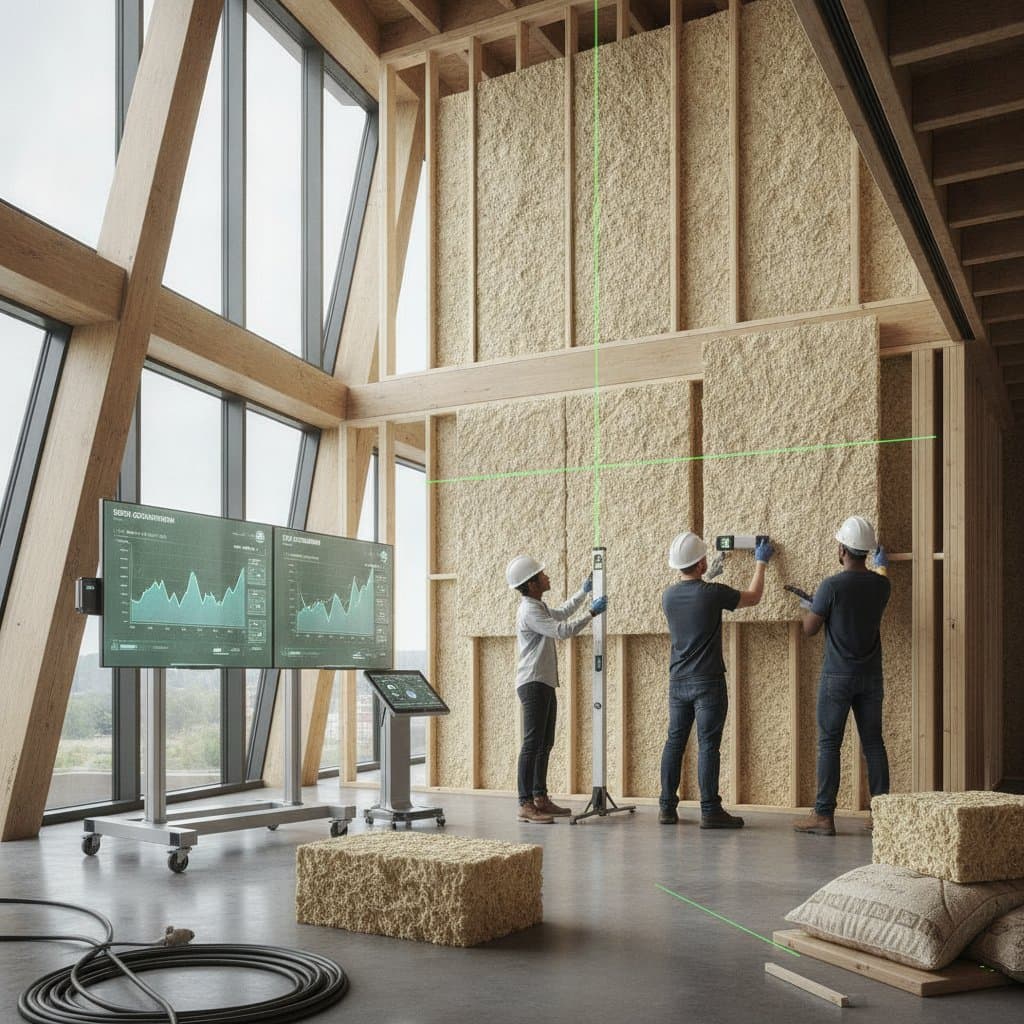
Retrofitting older properties with mycelium insulation upgrades thermal performance without major structural changes. Panels can be inserted behind drywall or within floor cavities. Contractors report that the material reduces labor time compared to mineral wool.
Economic and Social Impact
The rise of bio-based materials supports local agricultural economies. Farmers can sell crop waste that would otherwise be burned or discarded. Production facilities are relatively low-tech, which allows small businesses to enter the market without massive capital investment.
Energy consultant Maria Cortez noted that building with mycelium means participating in a circular economy where waste creates value that returns to communities in both savings and employment.
Life Cycle and End-of-Use Benefits
At the end of its life, mycelium insulation can be composted or safely incinerated for energy recovery without releasing harmful toxins. Some forward-thinking designers plan for deconstruction rather than demolition. They envision future buildings where insulation panels can be composted on-site or reused in new projects.
Emerging Innovations and Research Directions
Researchers are exploring ways to enhance mechanical and thermal properties by blending mycelium with natural fibers like flax or kenaf. Others experiment with digital fabrication using 3D printing to mold custom-fit panels. There is also growing interest in living materials where mycelium continues to grow slightly after installation to self-repair small cracks.
Integration with Other Green Technologies
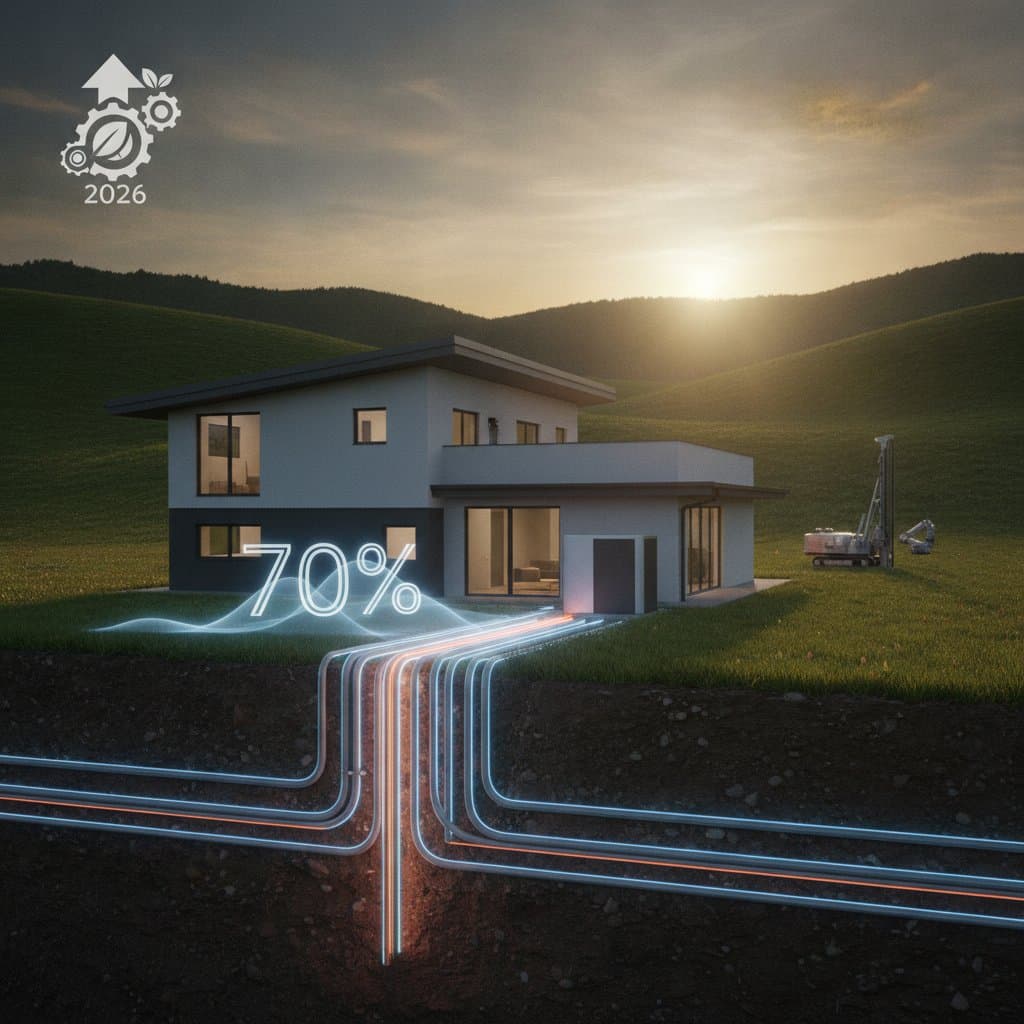
Mycelium insulation functions well alongside solar panels and geothermal heating. Its ability to maintain stable interior temperatures improves the efficiency of renewable energy systems. In cold climates, this synergy can cut total energy use by nearly one-third compared to conventional homes.
Next Steps for Homeowners
Consult a contractor familiar with bio-based materials to explore regional availability. Request performance data and certifications to ensure compliance with local building codes. Plan your insulation strategy around both thermal and acoustic needs. Pair the installation with energy-efficient windows and air sealing measures for maximum benefit.
By choosing mycelium insulation, you improve your home energy performance while investing in a material that grows from waste, saves money over time, and supports planetary health.