Key Points
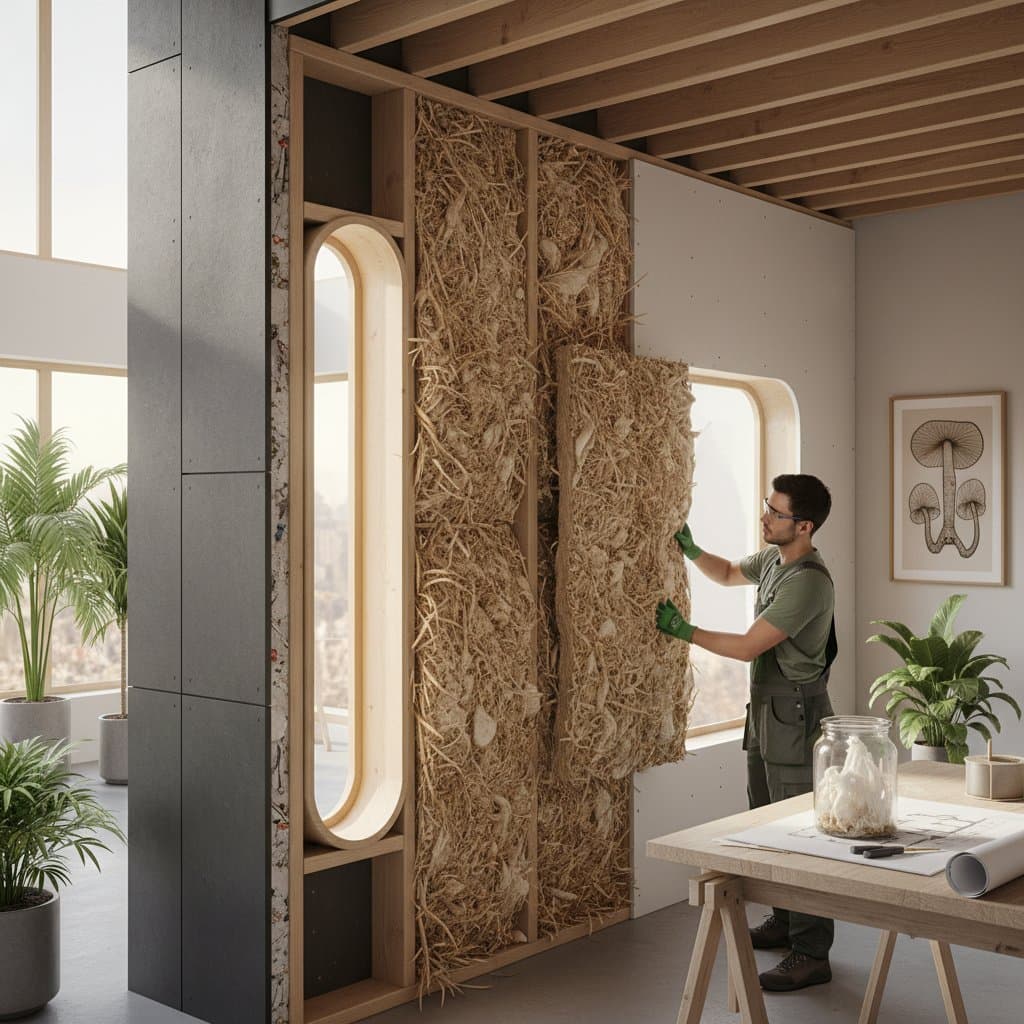
- Mushroom insulation, produced from mycelium, ranks among the most sustainable building materials on the market.
- It provides excellent thermal performance, inherent fire resistance, and fully compostable disposal at the end of its life.
- Initial costs exceed those of fiberglass or mineral wool, yet energy savings and ecological advantages provide strong justification.
- Homeowners benefit from its renewable, non-toxic composition and carbon-negative profile.
- Optimal results occur when paired with effective moisture management and airtight building techniques.
The Significance of Mushroom Insulation
Energy efficiency and resident comfort represent clear advantages, yet the true value of mushroom insulation emerges from its complete life cycle. Conventional insulation frequently depends on petrochemical bases or processes that demand substantial energy. In contrast, mycelium insulation develops in mere days with minimal external energy input. The process utilizes crop residues that might otherwise contribute to waste streams, allowing fungi to form a cohesive structure. This yields a material that sequesters carbon rather than emitting it.
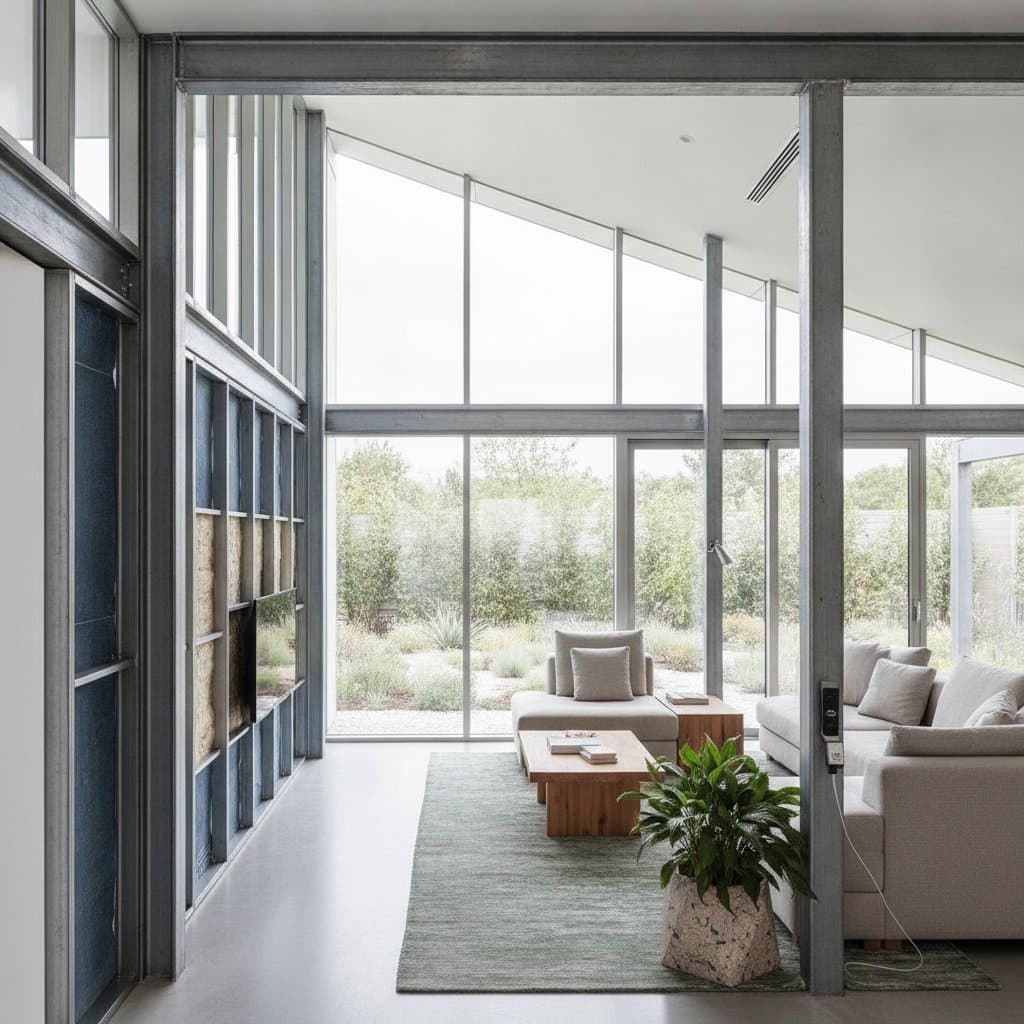
Homeowners gain financial returns through lower energy bills and superior indoor environments. On the environmental front, the material promotes regenerative farming practices and minimizes landfill contributions. In practical terms, it suits applications in walls, attics, and panels for both new builds and renovations.
Analyzing Costs and Return on Investment
Upfront expenses often pose the initial challenge with innovative materials. Mushroom insulation generally costs 20 to 40 percent more than fiberglass or cellulose. For a standard home retrofit, expect expenses of 8 to 12 dollars per square foot, influenced by location, labor rates, and project scope.
However, an exclusive focus on initial outlay overlooks the broader financial picture. The R-value of mushroom insulation, a key indicator of thermal resistance, aligns with established materials at R-3.5 to R-4 per inch. Over the years, decreased demands on heating and cooling systems recoup the added investment. Eligibility for incentives on green materials further shortens the recovery period to typically three to five years.
Indirect benefits enhance the case, including elevated indoor air quality. Many traditional insulations release volatile organic compounds over time. Mycelium versions produce none, appealing to families prioritizing health in their living spaces.
Core Sustainable Attributes and Performance Benefits
Mushroom insulation extends beyond energy conservation with several ecological strengths:
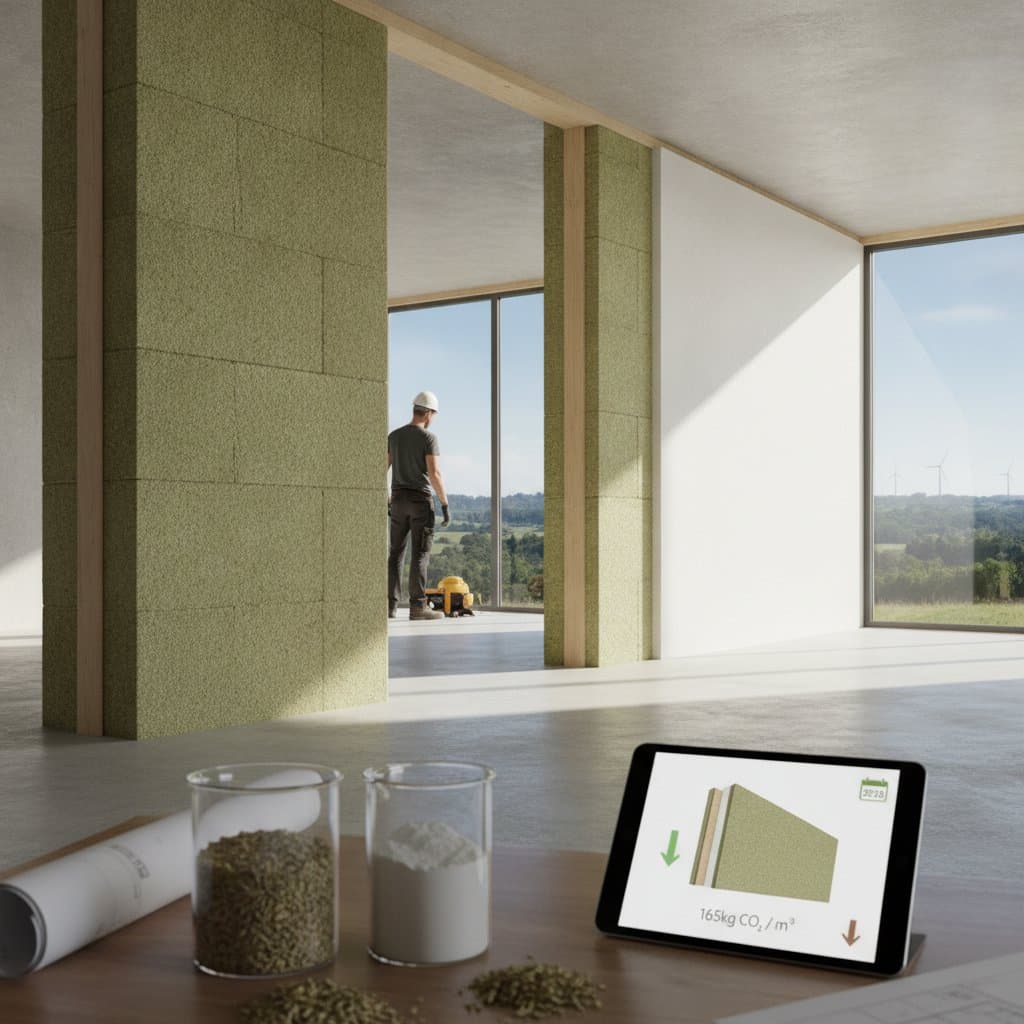
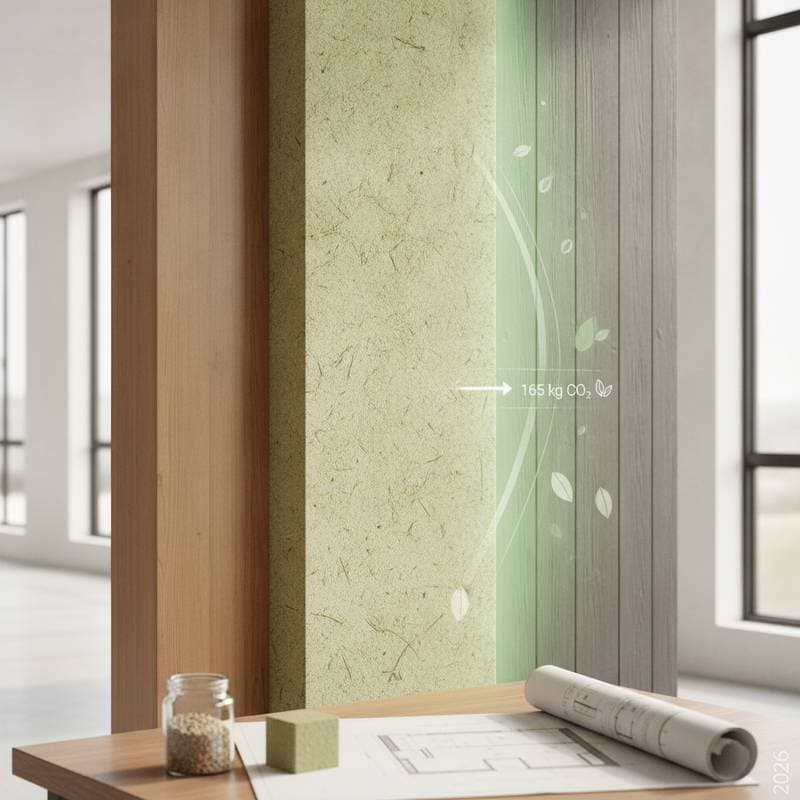
- Carbon Sequestration: Panels capture and store carbon from the growth phases of fungi and plant materials.
- Zero-Waste Manufacturing: Production incorporates agricultural remnants and requires limited water resources.
- Compostable Lifecycle End: Upon removal, the material breaks down naturally, supporting soil health without environmental harm.
- Inherent Fire Resistance: The mycelium structure chars in fire scenarios rather than burning, eliminating the need for synthetic flame retardants.
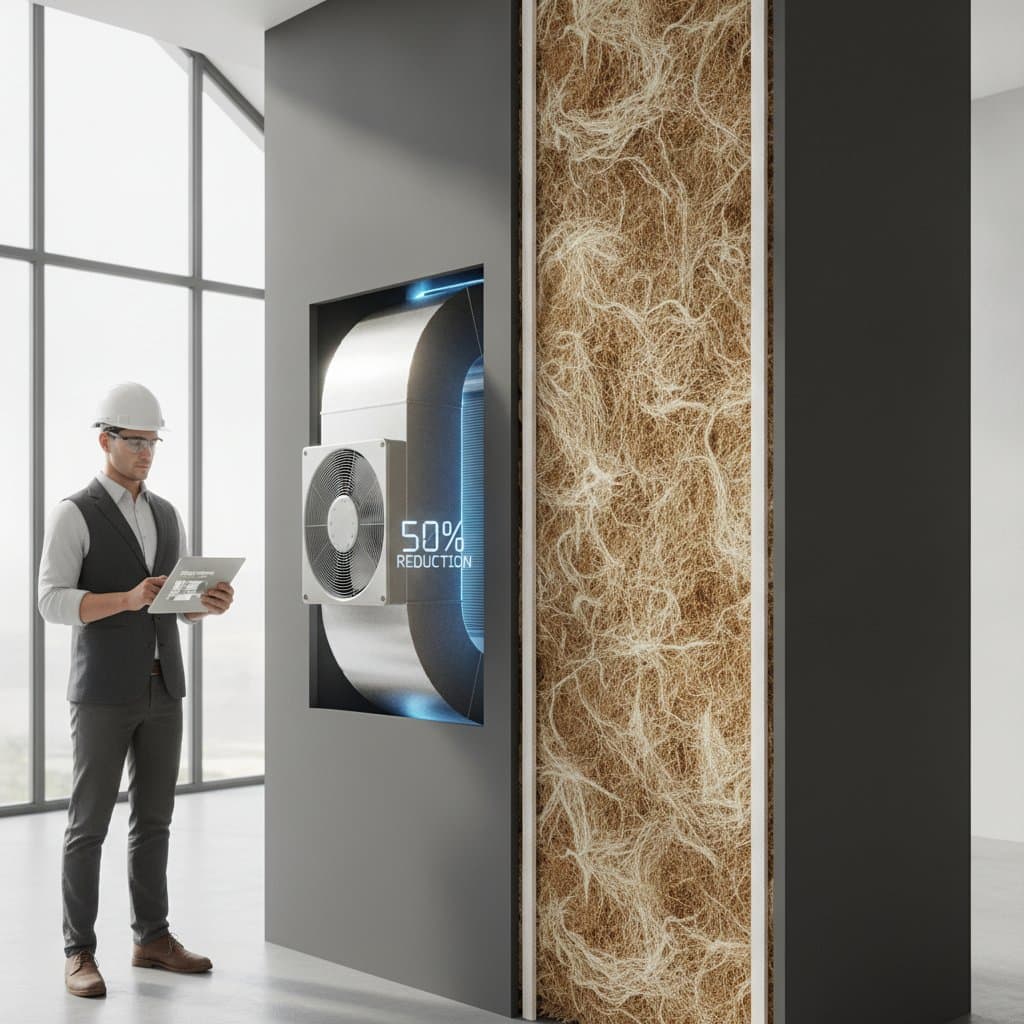
- Effective Sound Absorption: Its dense, porous composition reduces noise transmission, benefiting urban dwellings or multi-unit buildings.
These qualities contrast sharply with synthetic foams, which can emit hazardous fumes during combustion, offering comprehensive reassurance.
Insights from Experts and Practical Implementation Steps
Organizations dedicated to green building standards endorse mushroom insulation as a forward-thinking solution. Independent laboratory evaluations verify its adherence to fire safety and thermal benchmarks equivalent to standard products.
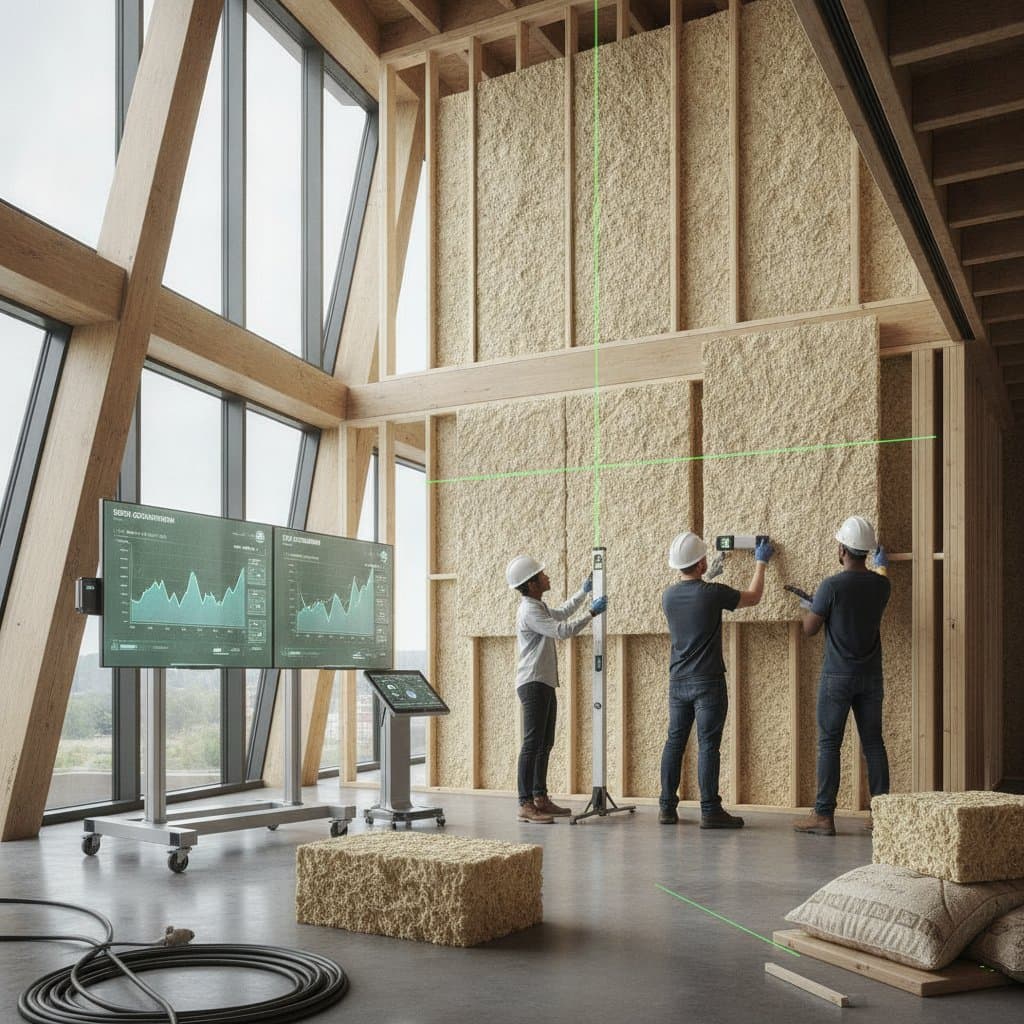
To optimize a mushroom insulation installation:
- Obtain supplier documentation on R-value and moisture performance specifics.
- Integrate air sealing and ventilation enhancements to amplify energy efficiency.
- Select products derived from nearby agricultural sources to cut transport-related emissions.
- Design wall assemblies that facilitate moisture evaporation and avoid accumulation.
Such measures convert environmental principles into tangible outcomes.
Frequently Asked Questions
Is mushroom insulation suitable for individuals with allergies?
Yes. After drying, the mycelium remains inactive and does not emit spores or allergens. The material stays inert, free of odors, and requires no special handling precautions.
How does its durability compare to traditional options?
In dry conditions, it endures as long as mineral wool or cellulose. The pre-installation drying halts fungal activity, preserving structural stability over decades.
Can it serve in every area of a residence?
It performs ideally in walls, ceilings, and non-structural dividers. Avoid exposure to ground-level dampness without protective barriers.
Does it draw pests?
No. The dehydration eliminates food sources for insects or rodents. The compact form further discourages habitation.
What ongoing care does it need?
Minimal intervention suffices. Conduct yearly checks for water intrusion. In cases of dampness, panels dry out or replace easily without toxic release.
Steps to Adopt Mushroom Insulation
Selecting mushroom insulation transcends routine building choices. It embodies a commitment to harmonious environmental integration. Rather than depleting resources, this approach cultivates them. Rather than generating persistent waste, it enables materials to reintegrate into natural cycles.
For those balancing expenses, functionality, and ecological impact, mycelium insulation delivers a viable, motivating alternative. It signals the evolution toward construction that collaborates with the planet.