Sustainable Home Design

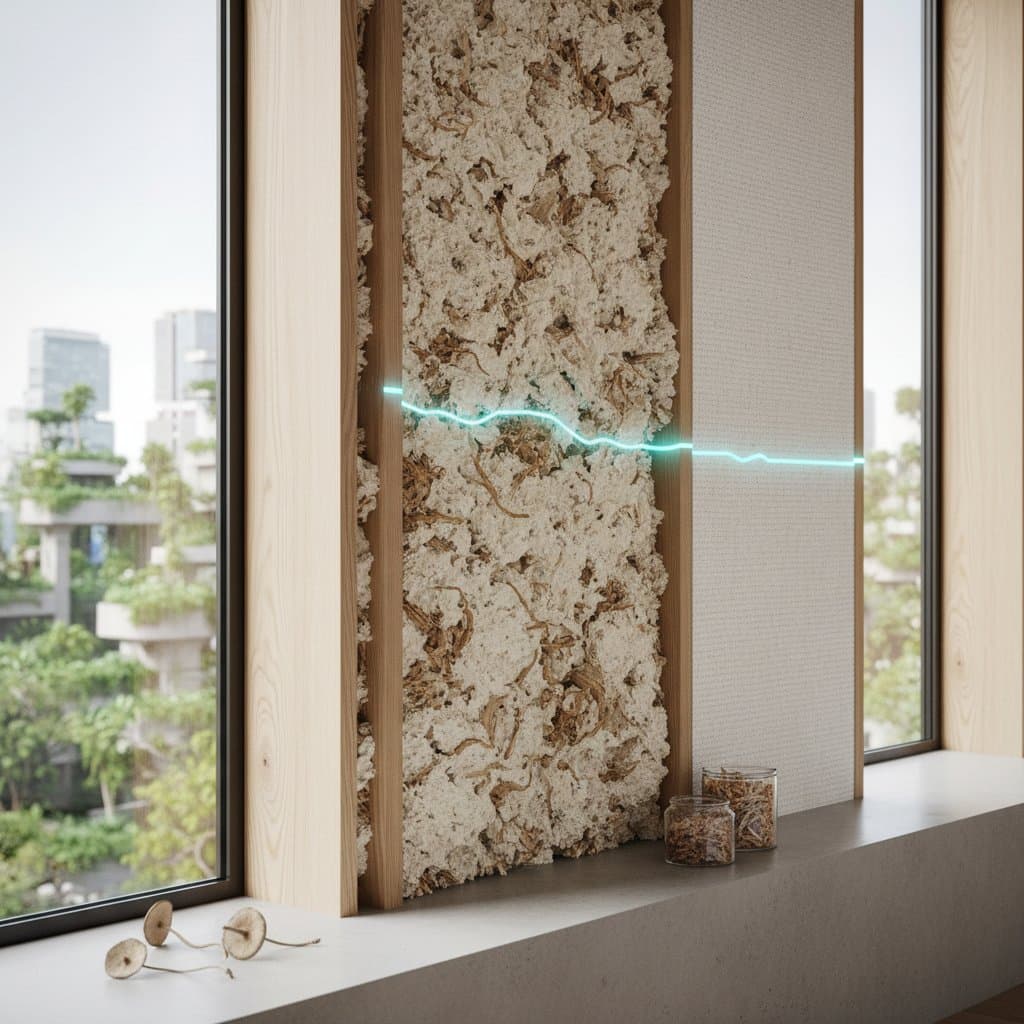
Featured image for Mycelium Insulation Grows Comfort Without Chemicals

Mycelium Insulation Grows Comfort Without Chemicals

Mycelium insulation, derived from fungal roots, revolutionizes sustainable building by providing a biodegradable option with superior fire resistance and energy savings. Despite higher initial costs, it yields substantial long-term benefits, including improved indoor air quality and easy composting at end-of-life. This adaptable material supports custom designs for walls, roofs, and floors, demonstrating how natural innovation fosters resilient, green living spaces.

5 min read
Featured image for Hemp Insulation Cuts Summer Cooling Bills in Half

Hemp Insulation Cuts Summer Cooling Bills in Half

Hemp insulation provides a breathable, natural solution to reduce summer cooling expenses by up to 50 percent. With excellent thermal regulation, moisture management, and carbon-negative properties, it ensures cooler, healthier homes while promoting sustainability. Competitive costs and rapid payback through savings position hemp as a wise choice for enduring comfort and efficiency.

4 min read
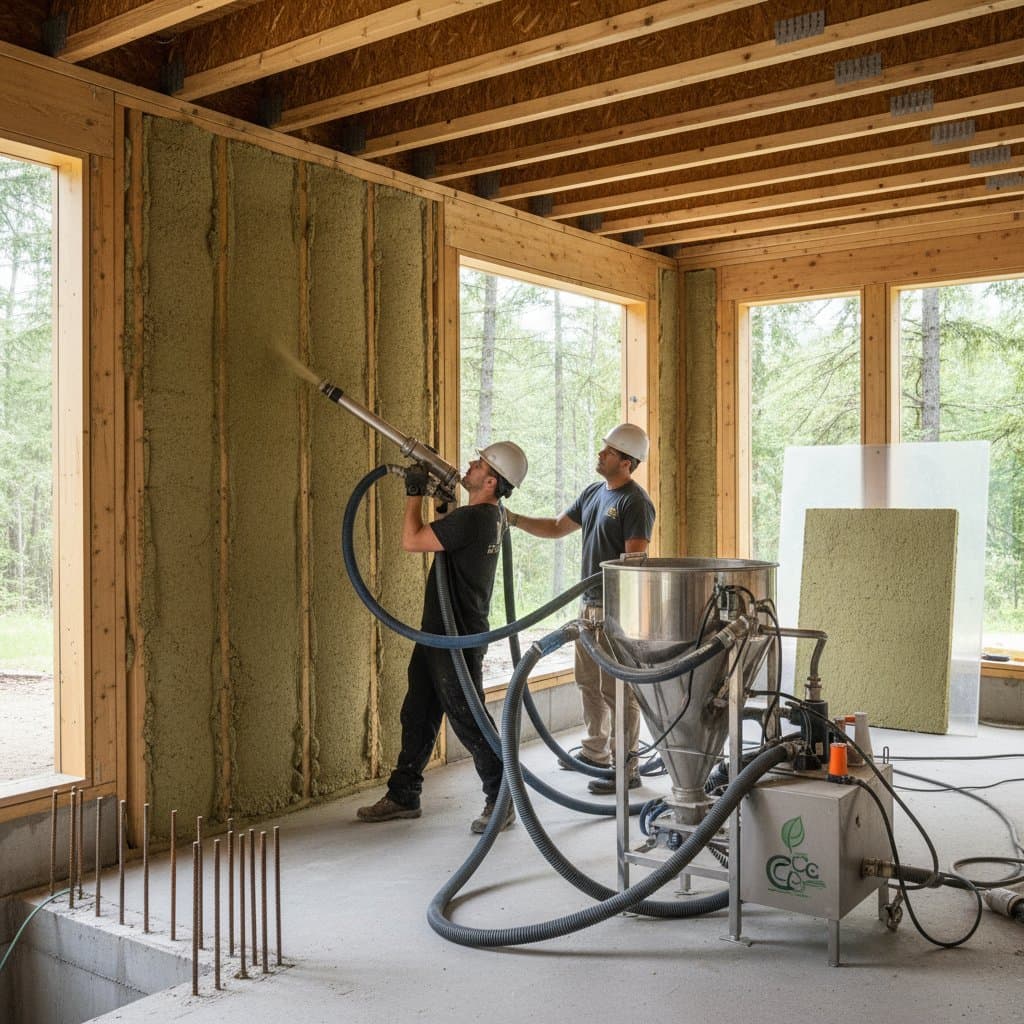
Featured image for Mycelium Insulation Cuts Carbon 80% in Green Homes

Mycelium Insulation Cuts Carbon 80% in Green Homes

Mycelium-based mushroom insulation transforms sustainable construction through its biodegradable, fire-resistant, and non-toxic properties. Derived from agricultural waste, this material reduces embodied carbon by up to 80 percent, matches the efficiency of conventional insulations, and promotes circular, energy-efficient building methods. Homes built with this innovation foster environmental balance by growing materials rather than manufacturing them.

5 min read
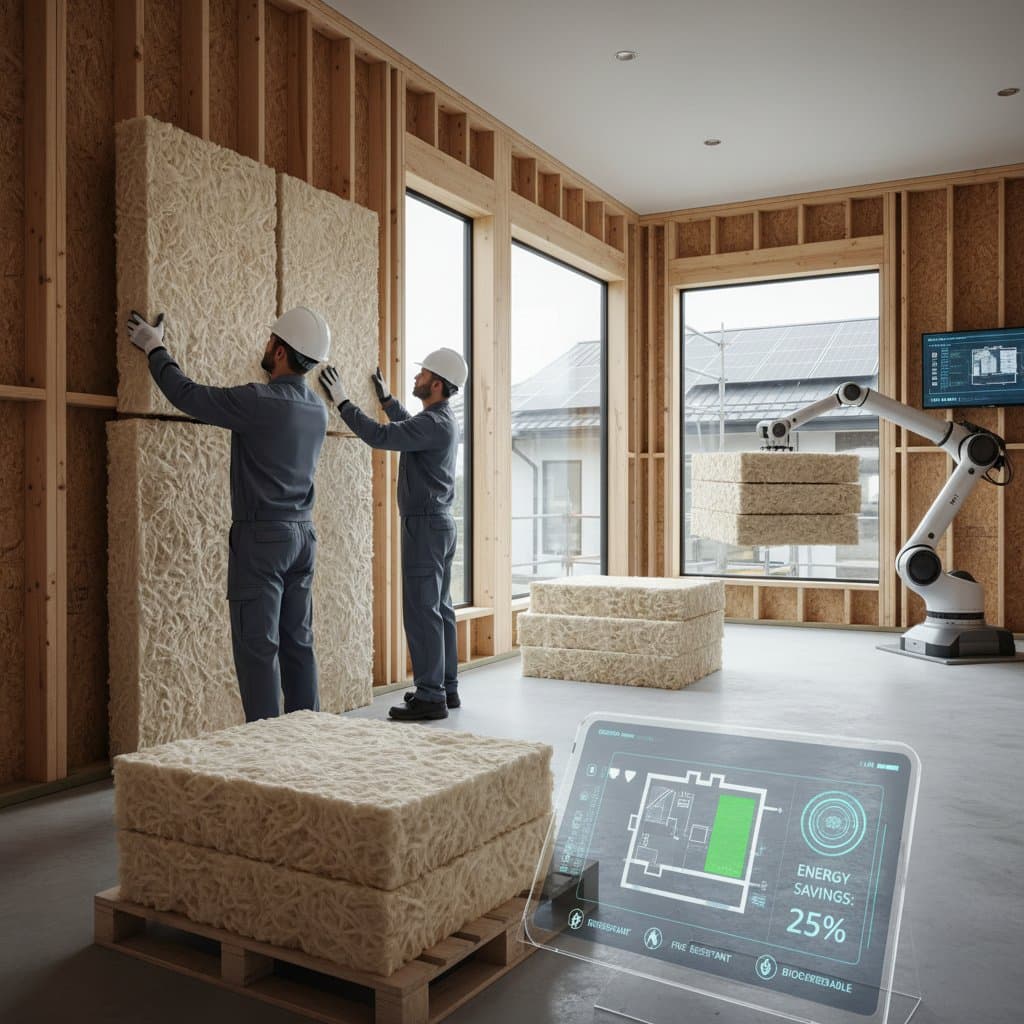
Featured image for Mushroom Insulation Cuts Energy Use by 25 Percent

Mushroom Insulation Cuts Energy Use by 25 Percent

Mycelium-derived mushroom insulation emerges as a breakthrough in sustainable architecture, offering natural production, exceptional thermal resistance, and biodegradability. This material matches fiberglass performance while slashing energy needs and waste. With declining costs and growing availability, it paves the way for resilient, low-carbon residences.

4 min read
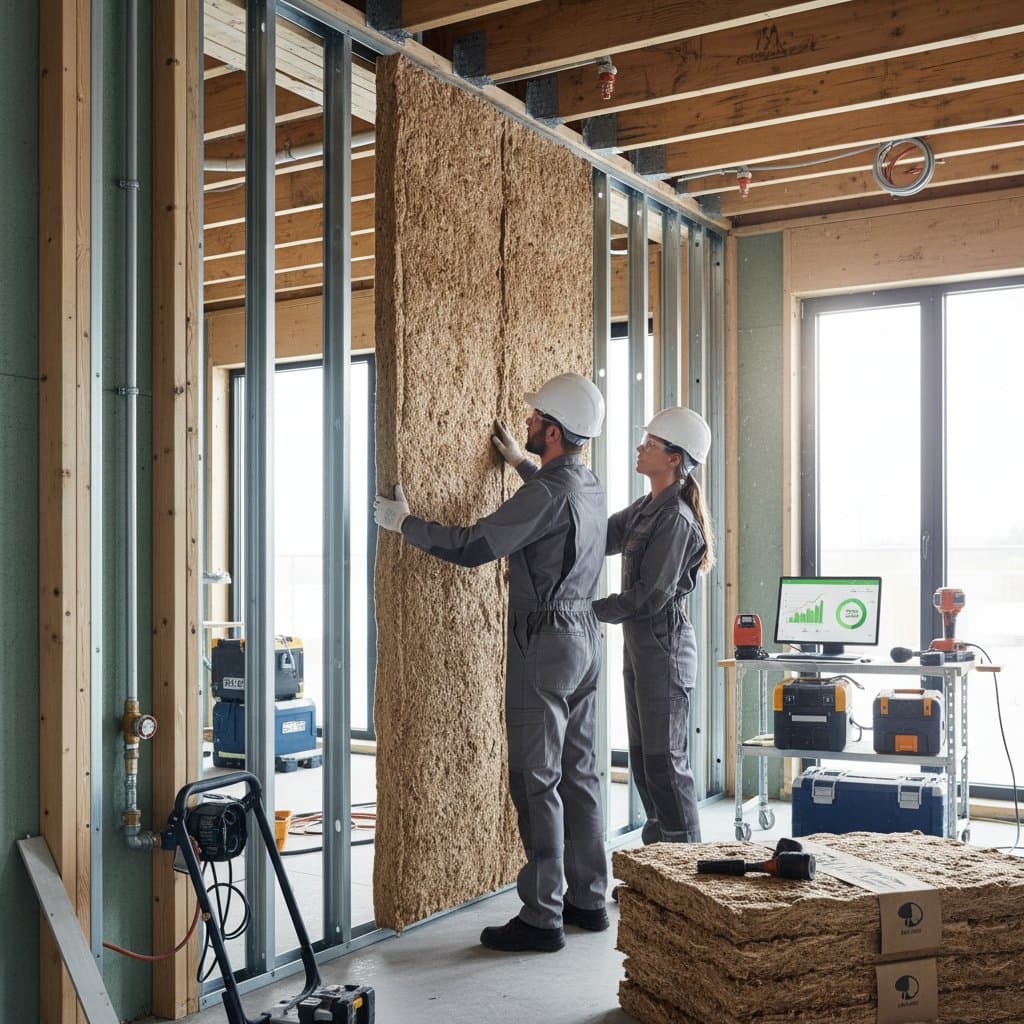
Featured image for Passive Retrofits Cut Indoor Heat Gain by 60 Percent

Passive Retrofits Cut Indoor Heat Gain by 60 Percent

Counter escalating heat by converting your residence into a naturally temperate refuge. Implement passive retrofits, including leak sealing, insulation additions, and optimized shading with ventilation, to decrease heat gain by as much as 60 percent, lower utility bills, and improve livability. Explore feasible, economical methods to safeguard your home from intensifying 2026 heat events.

5 min read
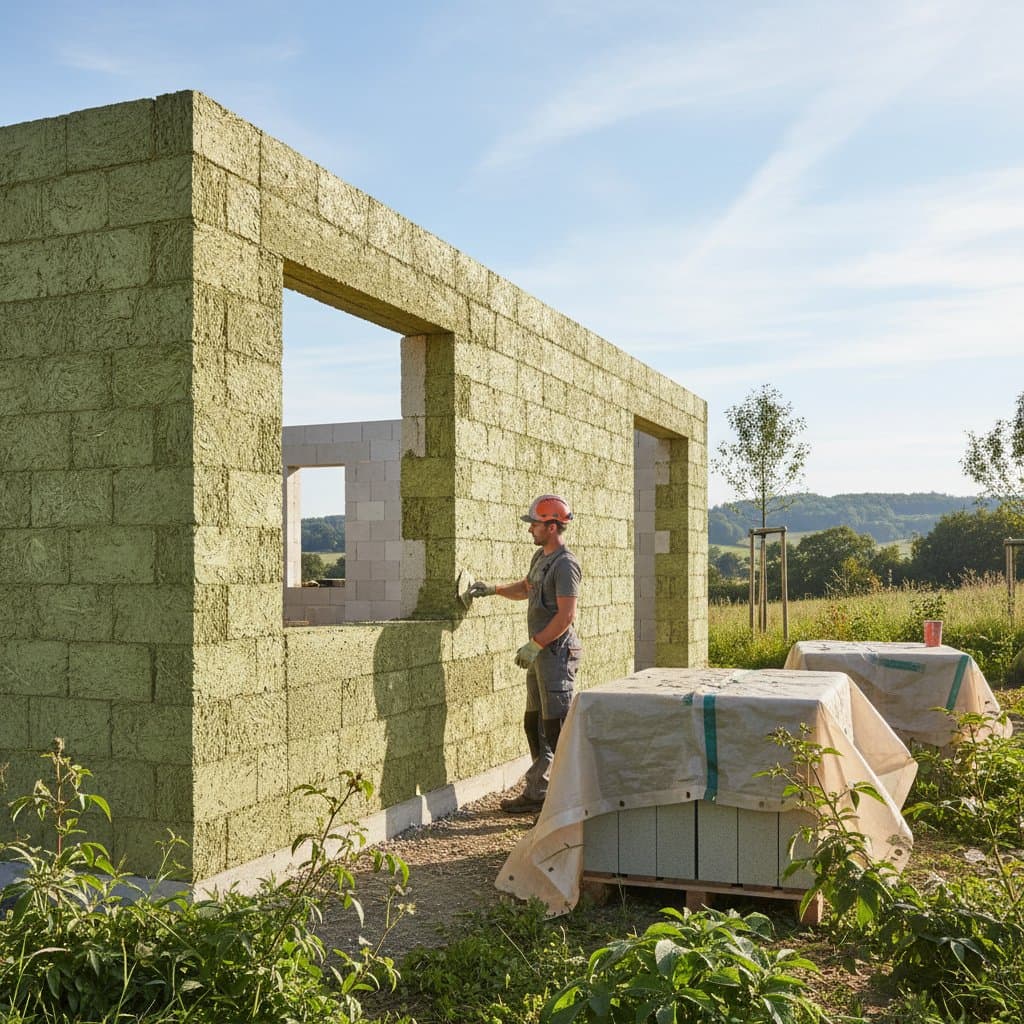
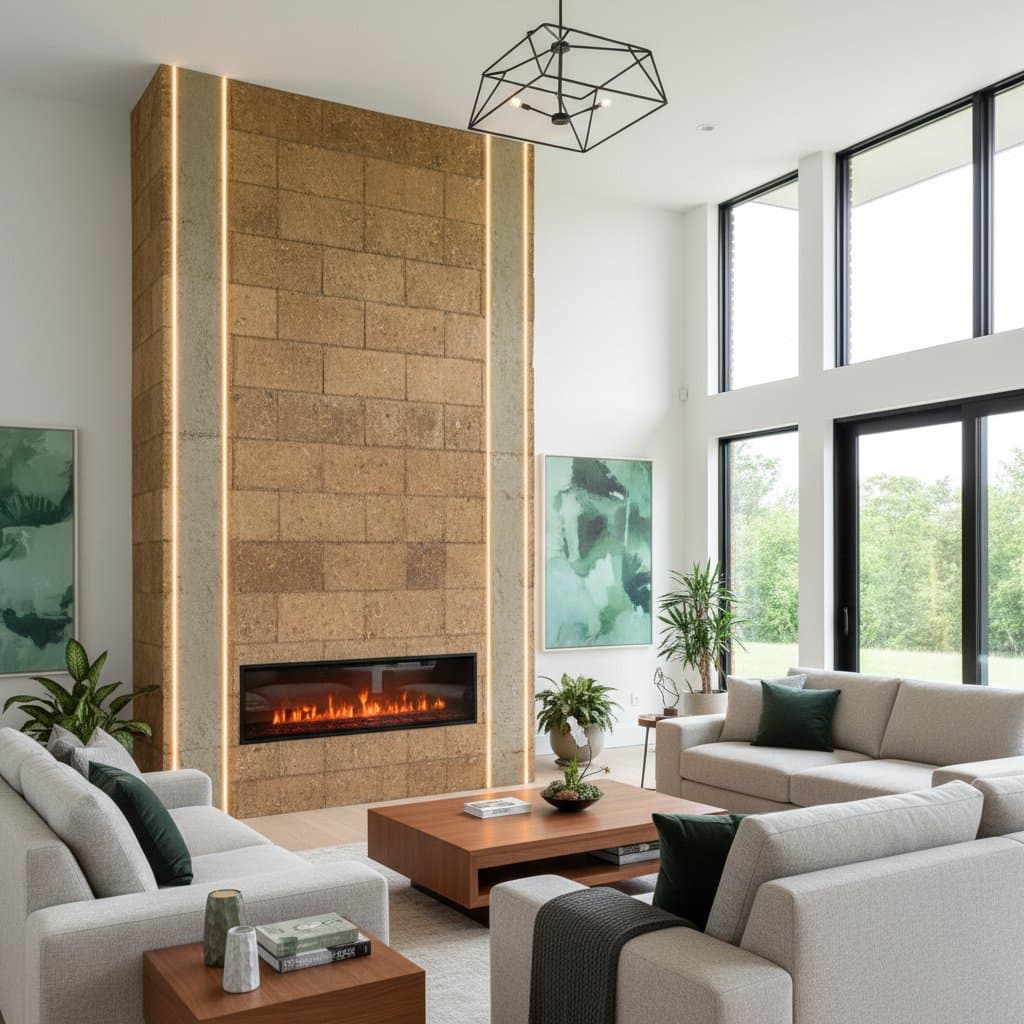
Featured image for Hempcrete Cuts Building Carbon Footprint by 50 Percent

Hempcrete Cuts Building Carbon Footprint by 50 Percent

Hempcrete revolutionizes sustainable construction through its fireproof properties, carbon sequestration, and breathable design. Composed of hemp hurds, lime binder, and water, this material manages indoor humidity, combats mold growth, and elevates air quality. Despite higher upfront costs, its longevity, energy efficiency, and positive environmental impact position it as an essential option for creating secure, comfortable, and planet-friendly residences.

4 min read
Featured image for Mycelium Insulation Cuts Energy Loss by 35 Percent

Mycelium Insulation Cuts Energy Loss by 35 Percent

Mycelium, the root-like structure of fungi, revolutionizes home insulation through its biodegradable, energy-efficient, and fire-resistant qualities. Derived from agricultural waste, this material matches synthetic foams in effectiveness while reducing carbon emissions by up to 80 percent. With expanding production, mycelium promises to reshape global sustainable construction practices.

4 min read
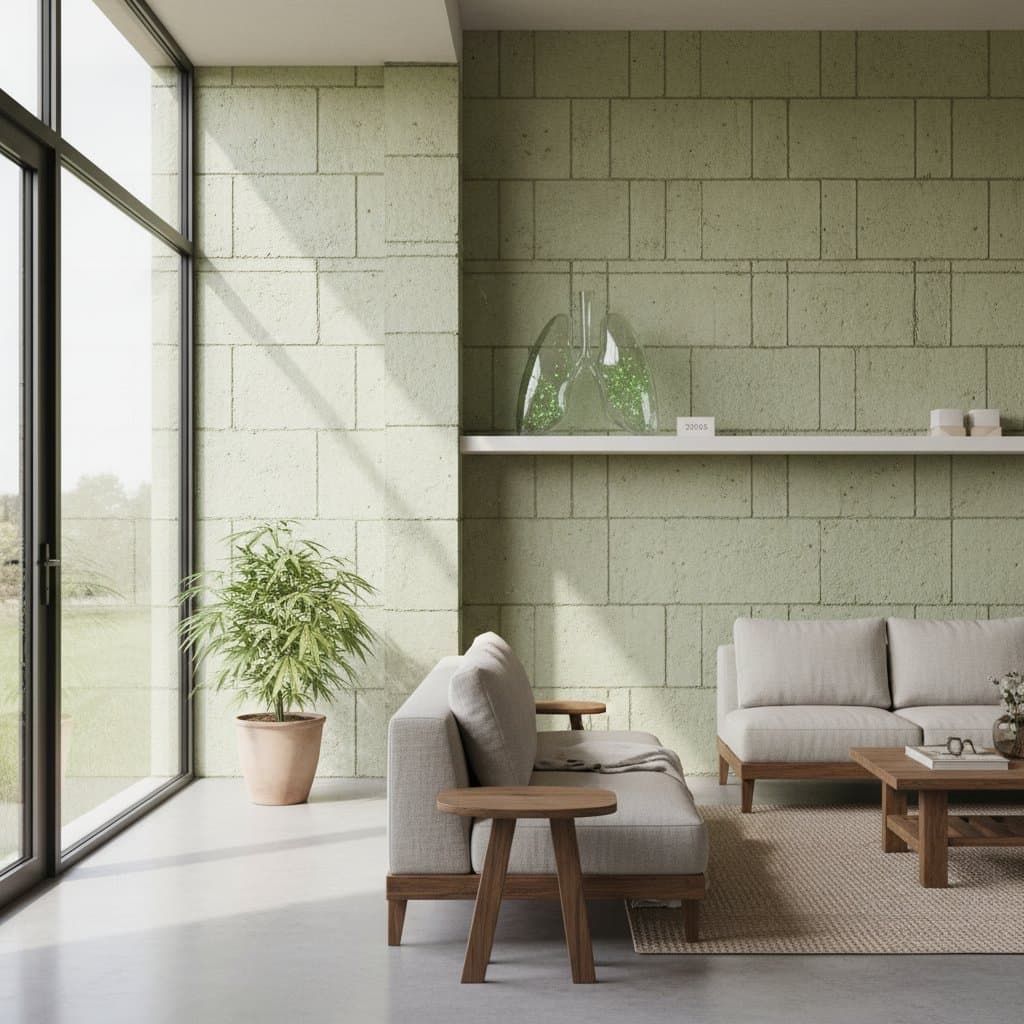
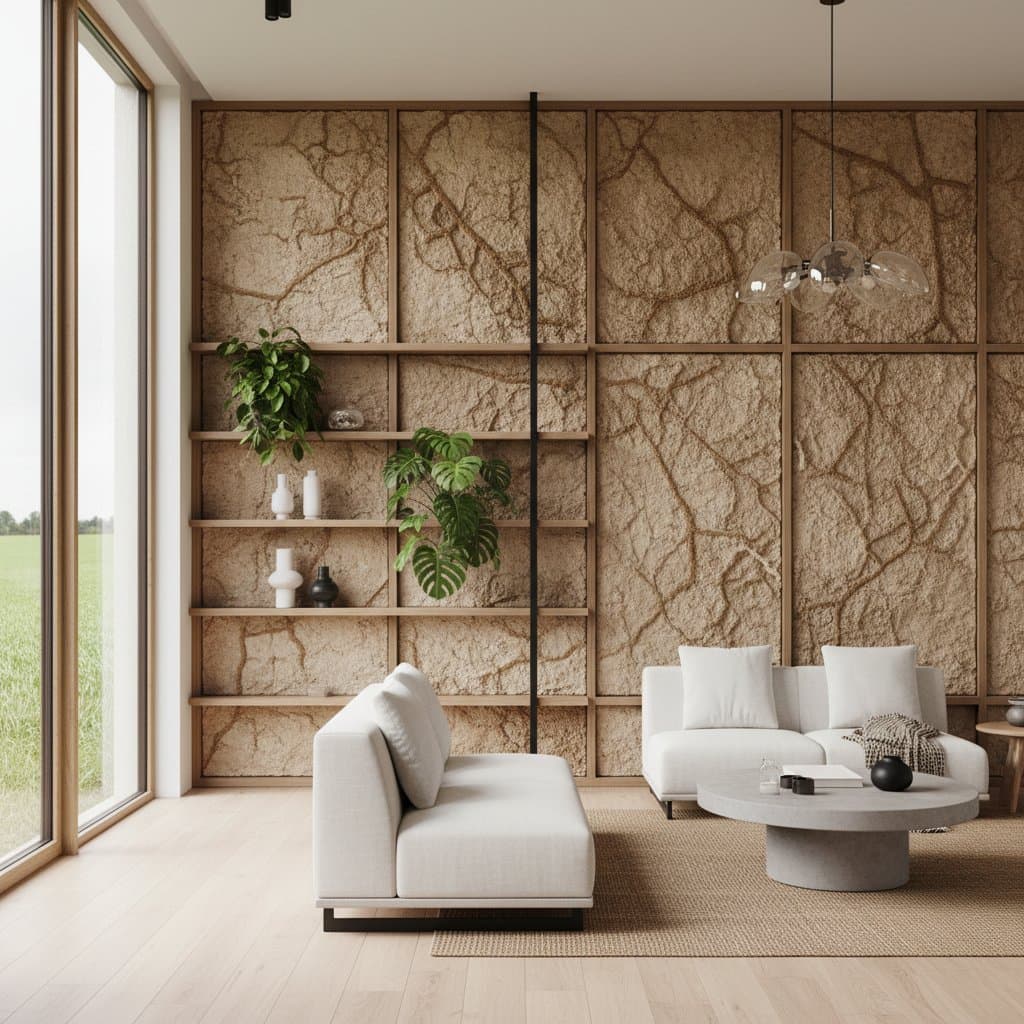
Featured image for Mycelium Insulation Grows From Mushroom Roots

Mycelium Insulation Grows From Mushroom Roots

Mycelium insulation, derived from the root-like fibers of mushrooms, revolutionizes eco-friendly home building. This fully biodegradable material matches the thermal performance of conventional foams, while also managing moisture, resisting fire, and boosting indoor air quality. Although initial costs exceed traditional choices, scaling production will enhance affordability, delivering substantial energy savings and a lower carbon impact for environmentally aware homeowners.

4 min read
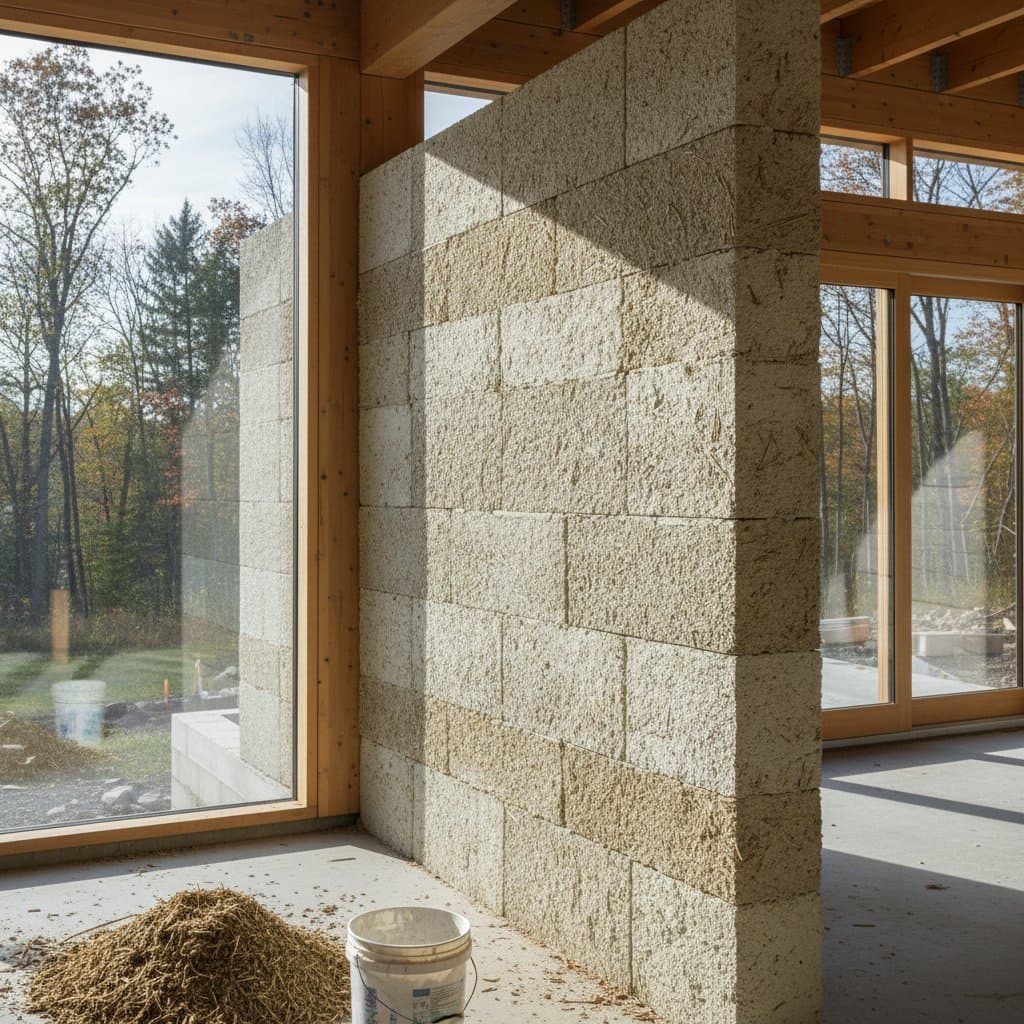
Featured image for Hempcrete Cuts Fire Risk While Storing Carbon

Hempcrete Cuts Fire Risk While Storing Carbon

Hempcrete transforms sustainable building practices through its fire-resistant, carbon-sequestering insulation that improves home safety, energy efficiency, and environmental impact. Composed of hemp hurd, lime, and water, this material creates breathable walls with exceptional durability and health advantages. Despite higher initial costs, its long-term savings, wildfire protection, and wellness benefits position it as an ideal option for eco-conscious residences.

5 min read
Featured image for Mushroom Roots That Cut Your Energy Bills in Half

Mushroom Roots That Cut Your Energy Bills in Half

Mycelium insulation, derived from mushroom roots, transforms sustainable building practices. This material delivers superior thermal insulation, stores carbon, and breaks down naturally. Produced locally with minimal processing, it matches the performance of synthetic options while slashing energy costs and environmental harm for more resilient, eco-conscious residences.

6 min read
Featured image for Mycelium Insulation Cuts Energy Bills 30 Percent

Mycelium Insulation Cuts Energy Bills 30 Percent

Mycelium insulation converts fungal networks into a renewable, compostable substance that lowers energy expenses by up to 30 percent. It delivers natural thermal regulation, moisture control, and carbon sequestration, revolutionizing eco-friendly building practices. Cost-effective, non-toxic, and resistant to fire, this biological advancement redefines efficient, responsible home comfort.

5 min read
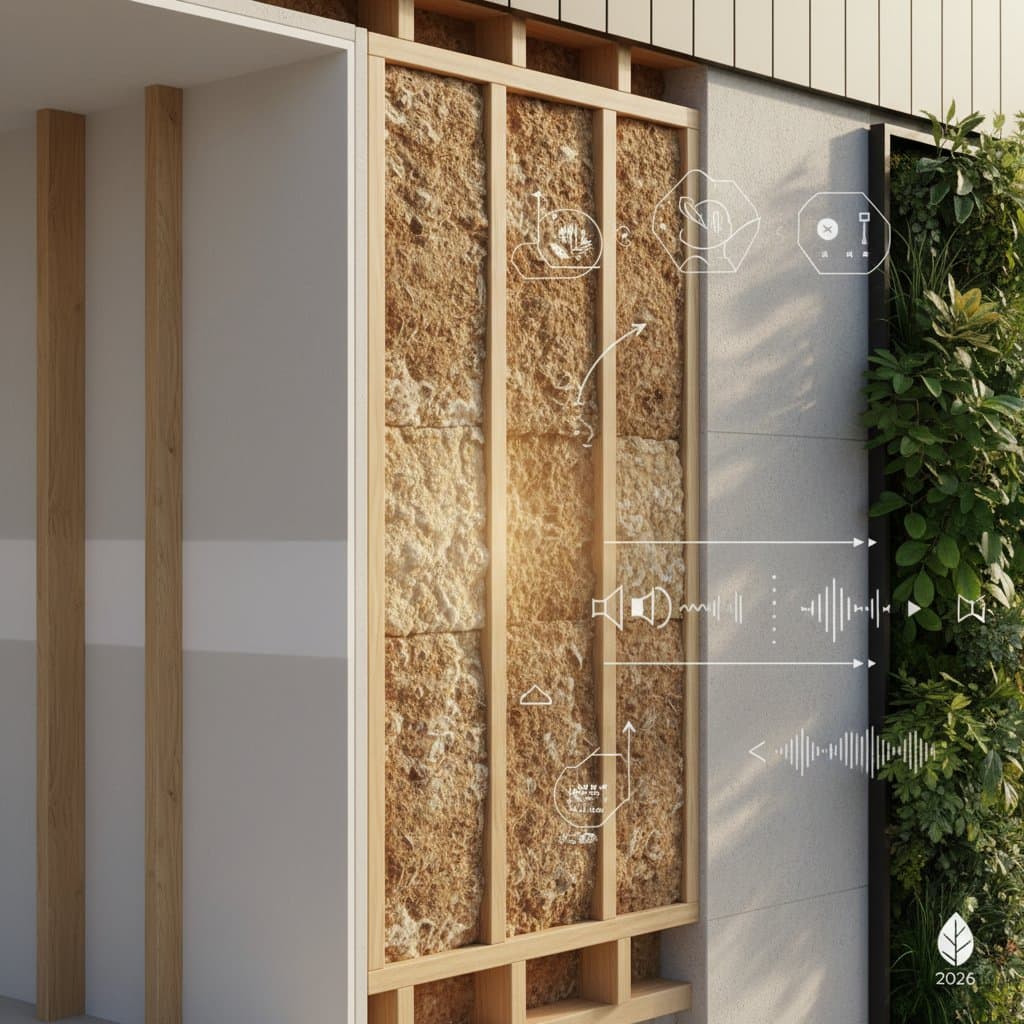
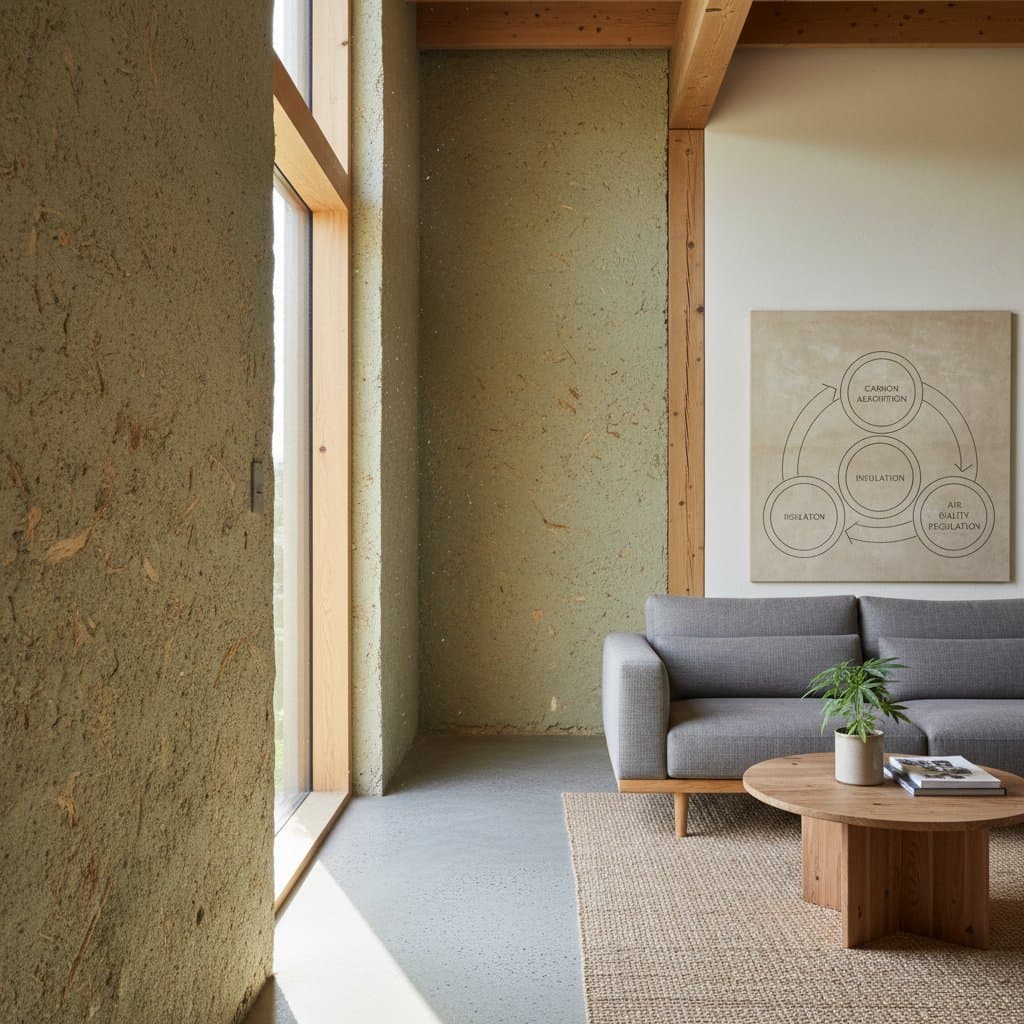
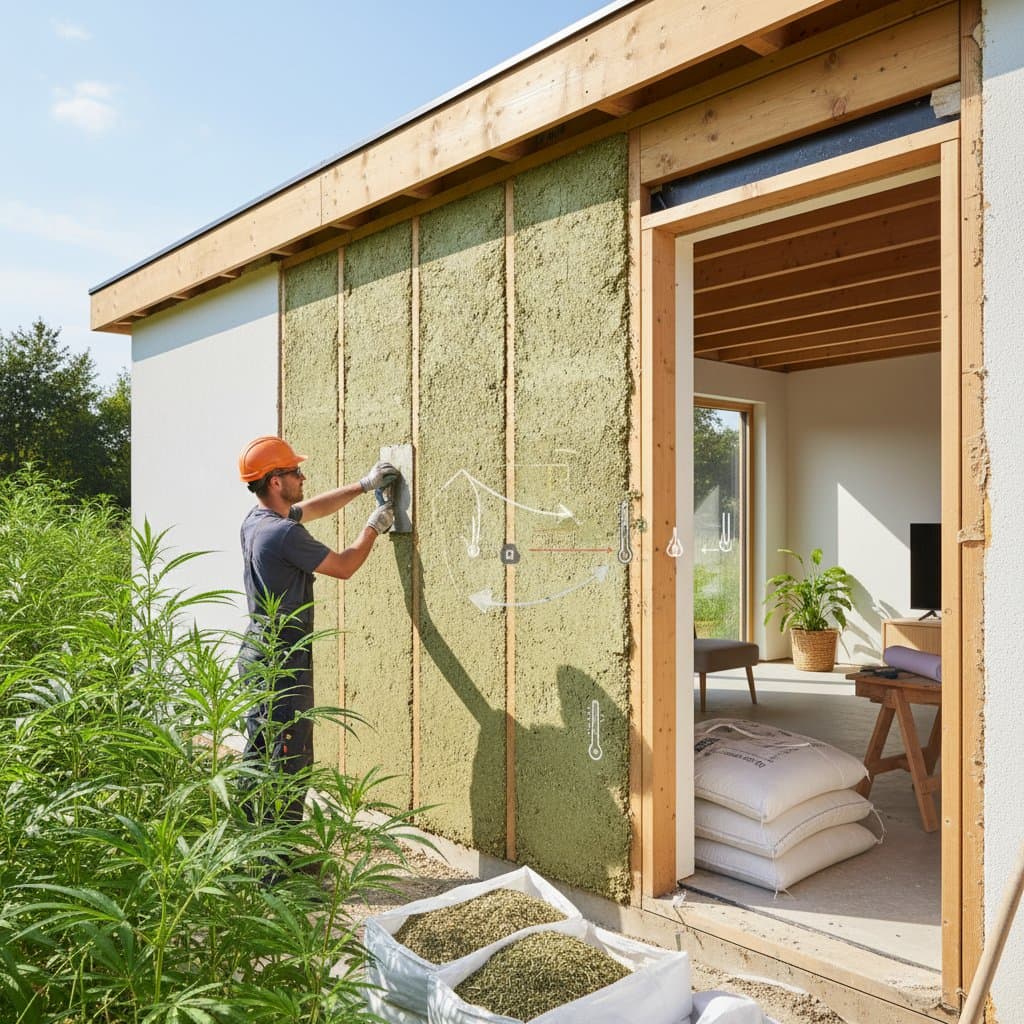
Featured image for Why Hempcrete Walls Are Replacing Traditional Framing

Why Hempcrete Walls Are Replacing Traditional Framing

By 2026, hempcrete walls emerge as a preferred choice for construction, merging sustainability, energy savings, and robustness. Composed of hemp hurd, lime, and water, it sequesters carbon, manages moisture, and lowers utility expenses. Despite a modest initial premium, benefits include superior air quality, enduring cost reductions, and alignment with progressive building practices.

7 min read
Featured image for Recycled Plastic Roofs Last Twice as Long

Recycled Plastic Roofs Last Twice as Long

In 2025, recycled plastic roofs lead sustainable home improvements by offering exceptional durability, versatile designs, and profound environmental advantages. Crafted from repurposed plastics, these roofs provide lightweight construction, reduced maintenance, lower emissions, and decreased waste, demonstrating that innovative green solutions deliver practicality and elegance for discerning homeowners.

7 min read