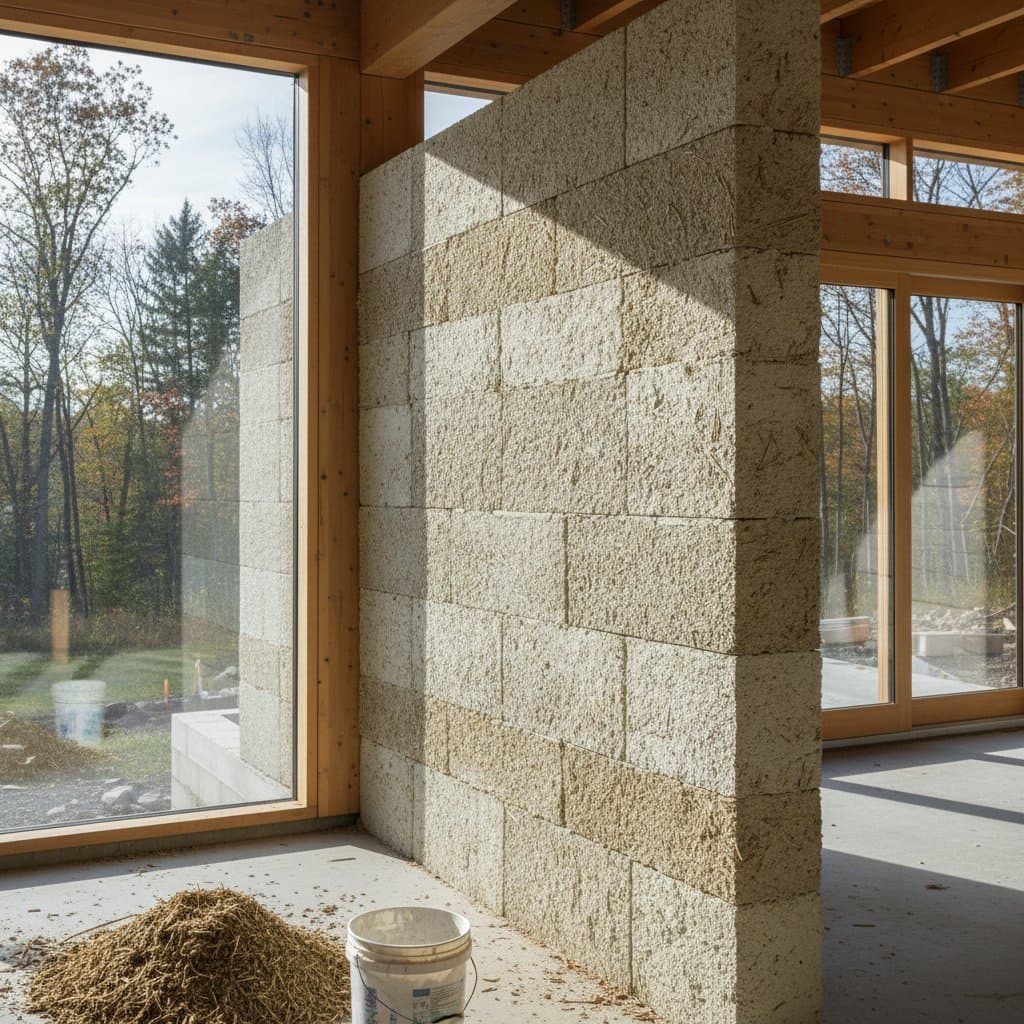
Hempcrete Walls: Store Carbon, Insulate Homes by 2026
When readers envision a sustainable home, solar panels or green roofs often come to mind. However, one of the most effective solutions for reducing emissions and enhancing comfort resides within the walls: hempcrete. This bio-based material transforms construction by sequestering carbon and providing natural insulation.
Key Points
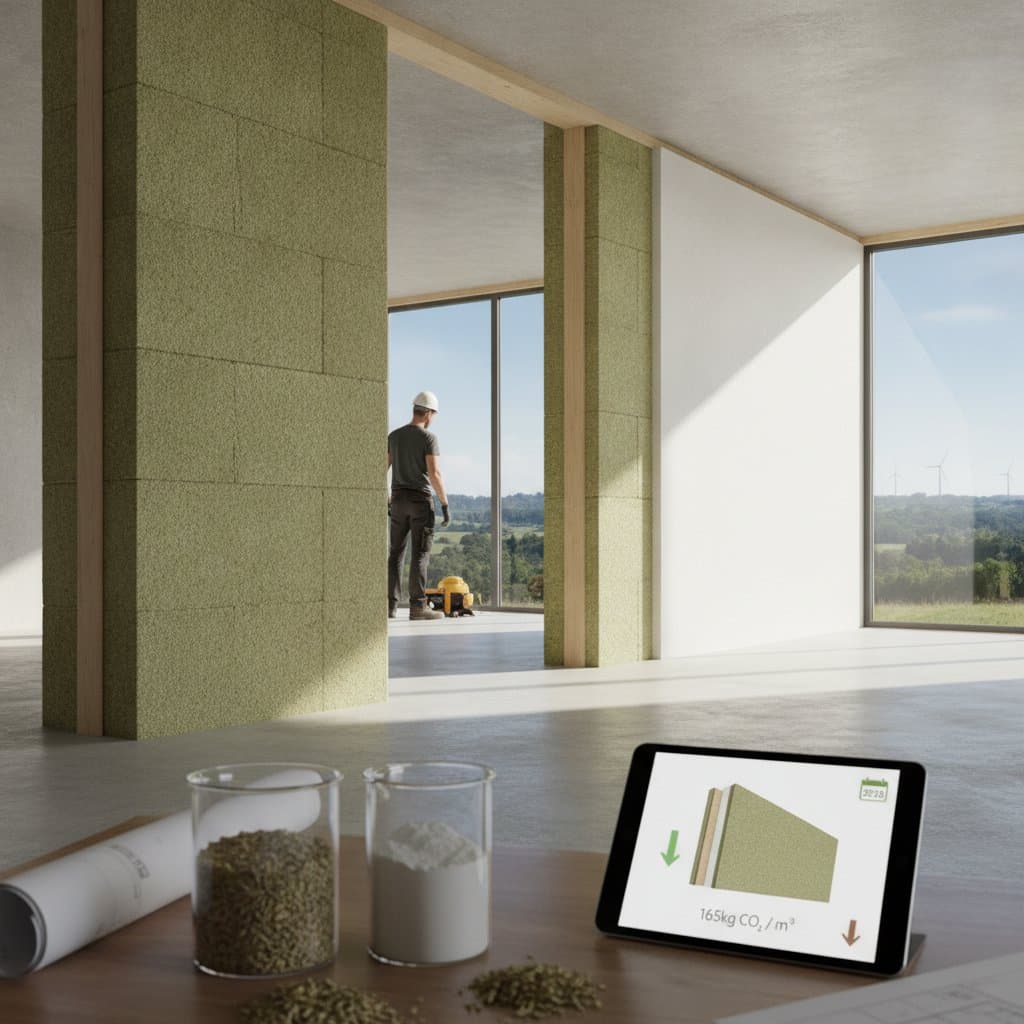
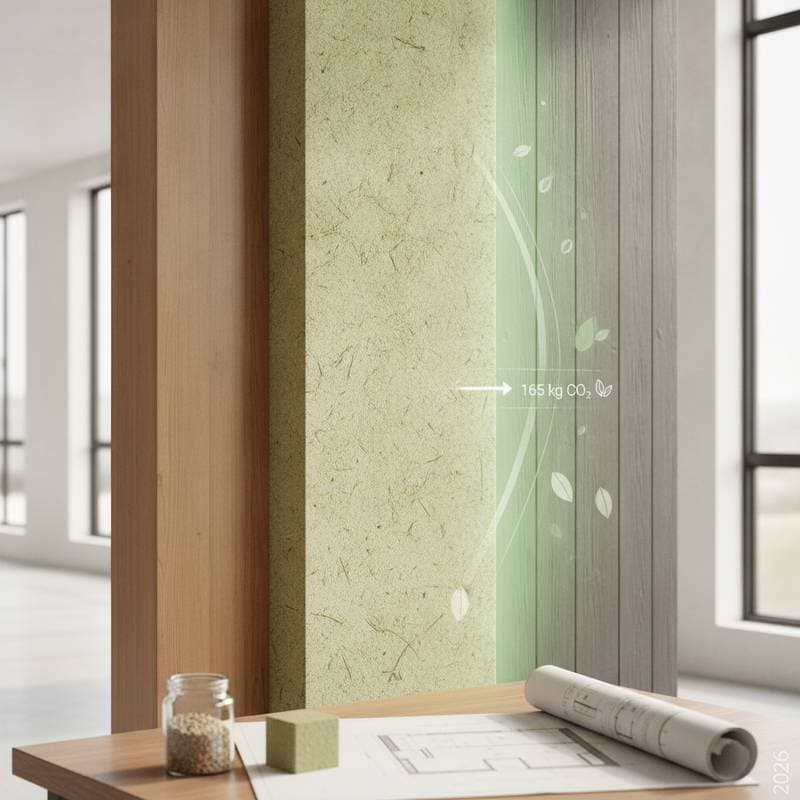
- Hempcrete sequesters up to 165 kilograms of carbon per cubic meter over its lifecycle.
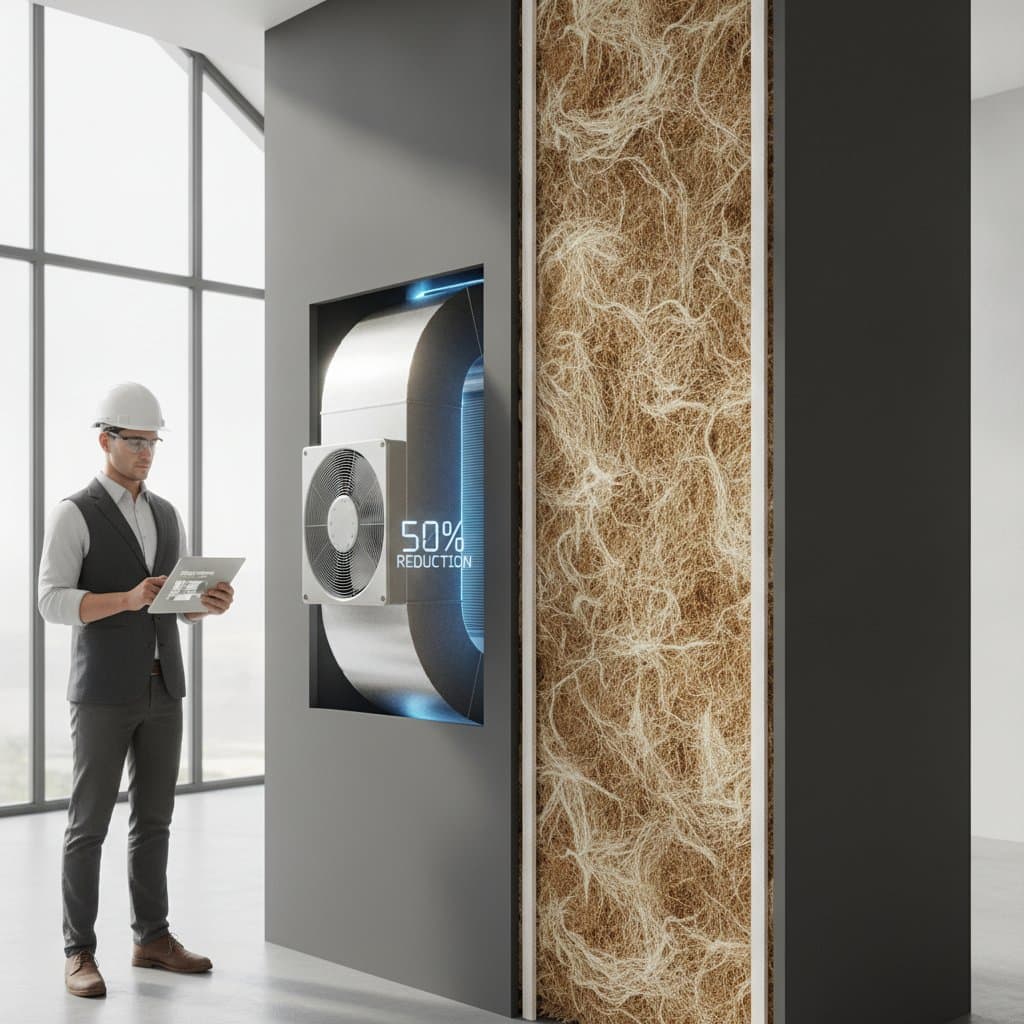
- The material reduces heating and cooling expenses by up to 50 percent in temperate regions.
- Locally sourced hempcrete lowers embodied energy by up to 80 percent compared to conventional concrete.
- Hempcrete regulates humidity, resists mold, and enhances indoor air quality.
- Builders apply hempcrete in retrofits or new constructions using straightforward methods.
Comfort Through Natural Insulation
Hempcrete achieves insulation through its unique composition. Microscopic air pockets in the hemp hurd impede heat transfer, maintaining warmth during winter and coolness in summer. With a thermal conductivity of approximately 0.06 watts per meter-kelvin, hempcrete matches advanced insulation panels while allowing superior vapor permeability.
This permeability stabilizes indoor humidity levels, minimizing condensation and mold risks. The lime binder suppresses bacterial proliferation, eliminating the need for extensive chemical interventions common in other materials. Consequently, occupants enjoy healthier spaces with consistent temperatures and improved air purity.
Homeowners transitioning from brick to hempcrete walls observe enhanced comfort. The material prevents the oppressive atmosphere of sealed structures. Reports from users indicate reduced respiratory issues and a more even indoor environment year-round.
Real-World Feasibility and Cost
Hempcrete demonstrates strong potential for widespread adoption. Hemp plants mature in three to four months and adapt to diverse soils with minimal pesticides or fertilizers. Farmers integrate hemp into rotations with food crops, which boosts soil fertility and supports biodiversity.
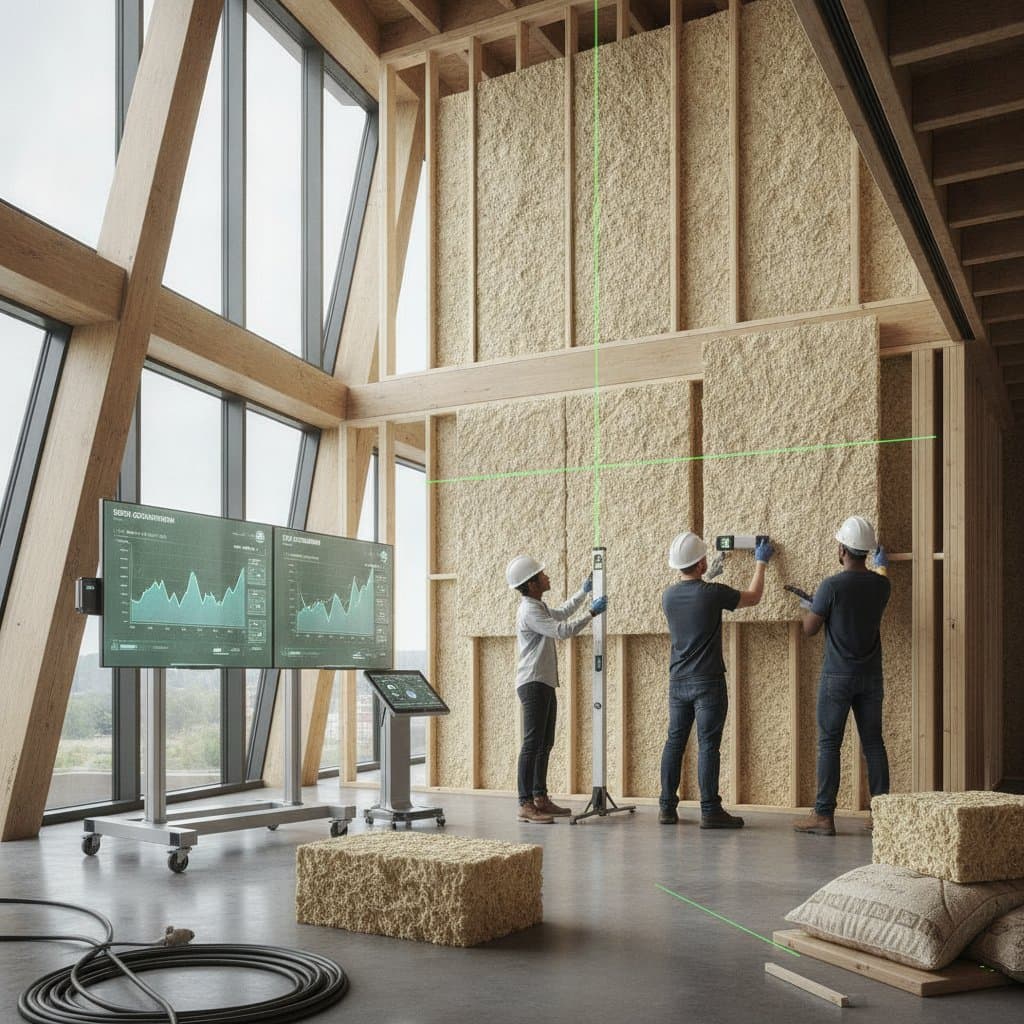
Builders find hempcrete manageable in application. The mix pours into formwork, sprays onto surfaces, or forms into blocks. Although drying requires additional time and may elevate labor expenses, reductions in insulation and finishing needs often compensate.
Estimated cost comparison per square meter of wall (installed):
| Material | Average Cost per m² | Maintenance Requirements | Carbon Impact |
|---|---|---|---|
| Concrete Block | $90–$120 | Medium | High emissions |
| Hempcrete | $110–$150 | Low | Carbon negative |
| Structural Insulated Panels | $130–$160 | Medium | Moderate emissions |
Hempcrete presents a higher initial price, yet long-term economics favor it. Significant decreases in energy use for heating and cooling accumulate savings. Across 20 years, these reductions recoup upfront investments and yield financial gains.
Regulatory and Industry Momentum
Adoption of hempcrete accelerates amid growing interest. Architectural practices incorporate bio-based options to comply with rigorous emission standards. Governments incorporate hempcrete into incentives for green construction, acknowledging its role in carbon mitigation.
Standards such as LEED and BREEAM credit hempcrete for reduced embodied energy and superior air quality. These endorsements encourage developers to blend hempcrete with elements like mass timber or recycled steel. Construction engineer Marcus Delaney notes, “We’re starting to see hempcrete shift from niche eco-projects to mainstream commercial use. Builders appreciate that it performs technically while fitting within sustainability mandates.”
Practical Implementation Tips
For renovations or new projects involving hempcrete, grasp the installation essentials to achieve optimal results.
-
Select an appropriate binder mix. Opt for a lime-based formula designed for hempcrete, featuring moderate hydraulic traits that promote gradual curing and carbon dioxide uptake.
-
Control curing conditions. Allow slow drying to avoid cracks or weakened integrity. Provide steady airflow and balanced humidity throughout the process.
-
Integrate compatible finishes. Steer clear of vapor barriers or synthetic coatings. Apply natural plasters, mineral-based paints, or limewash to preserve permeability.
-
Design for adequate thickness. Standard hempcrete walls measure 30 to 40 centimeters. Adjust plans to accommodate this without compromising usable space.
-
Procure local materials. Sourcing nearby minimizes transport emissions and bolsters local farming communities.
Adhering to these steps enables builders and owners to optimize durability and ecological benefits.
Environmental and Economic Ripple Effects
Maturing supply chains amplify hempcrete's advantages beyond individual structures. Increased hemp farming stimulates rural economies, generates employment in sustainable sectors, and restores marginal lands. Each ton of hemp improves soil via extensive roots that combat erosion and enrich organic content.
At the end of its service life, hempcrete offers recycling potential. Builders crush it for use as soil enhancers or aggregates, avoiding landfill disposal unlike many synthetic alternatives.
Industry analyses project that expanded hempcrete use could diminish construction emissions by 12 percent over the coming decade. Realizing this demands policy alignment and infrastructure investments, yet the rewards justify the effort.
Adopt Hempcrete for Carbon-Sequestering Structures
Constructing buildings that aid climate balance requires viable options like hempcrete. The material unites reliability, visual appeal, and ecological stewardship.
Professionals and residents can implement hempcrete today to influence tomorrow's standards. Begin with targeted applications such as wall retrofits or insulation upgrades, or commit to full-scale homes. Envision structures centered on hemp, forming resilient barriers that regulate environments and capture atmospheric carbon. Such advancements foster a more temperate world.