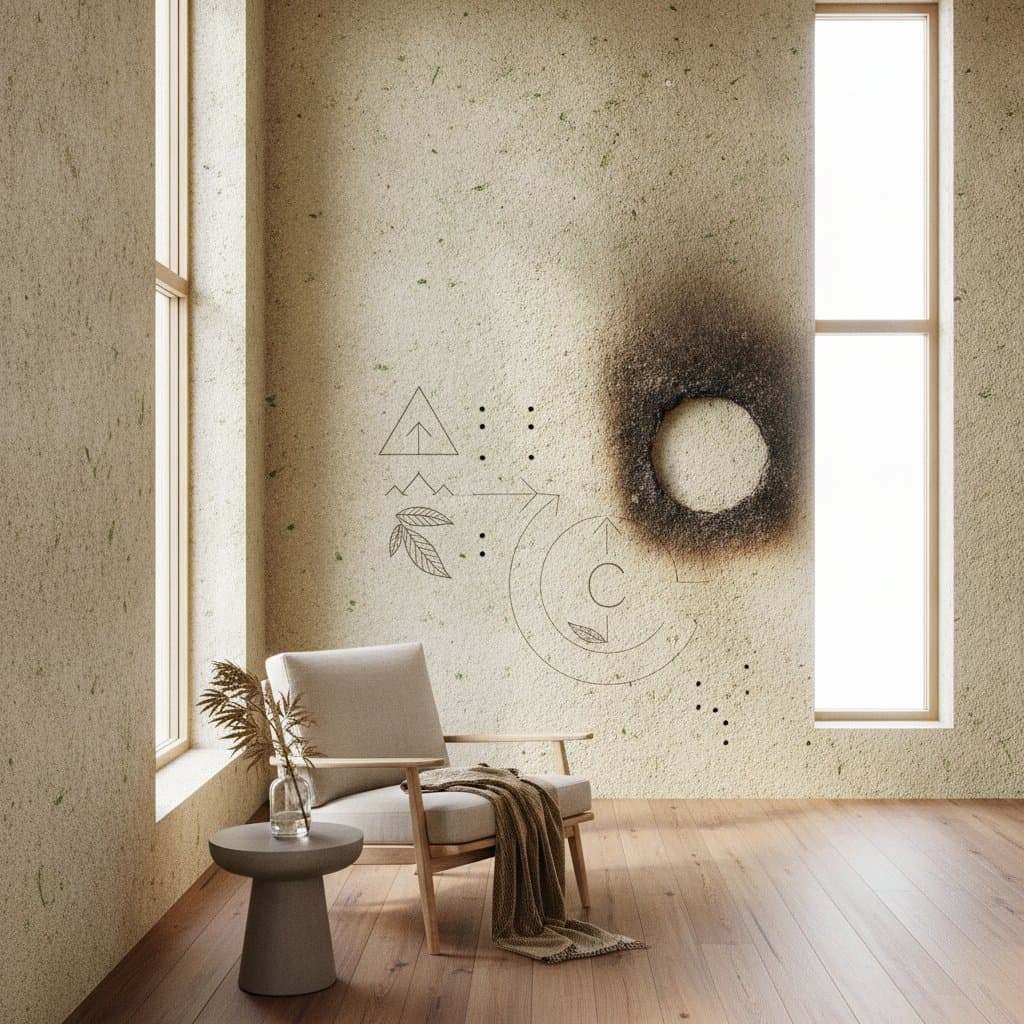
Mycelium and Hemp: The Living Materials Replacing Concrete
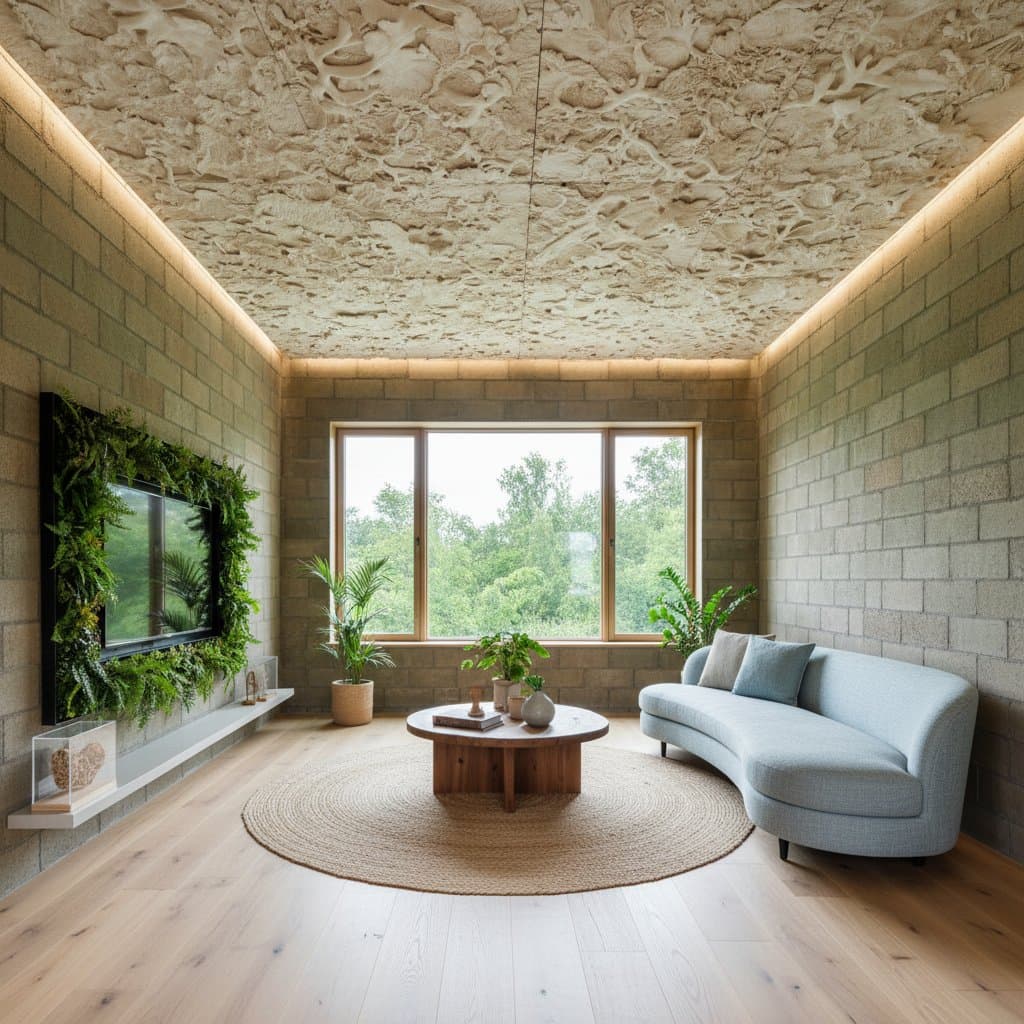
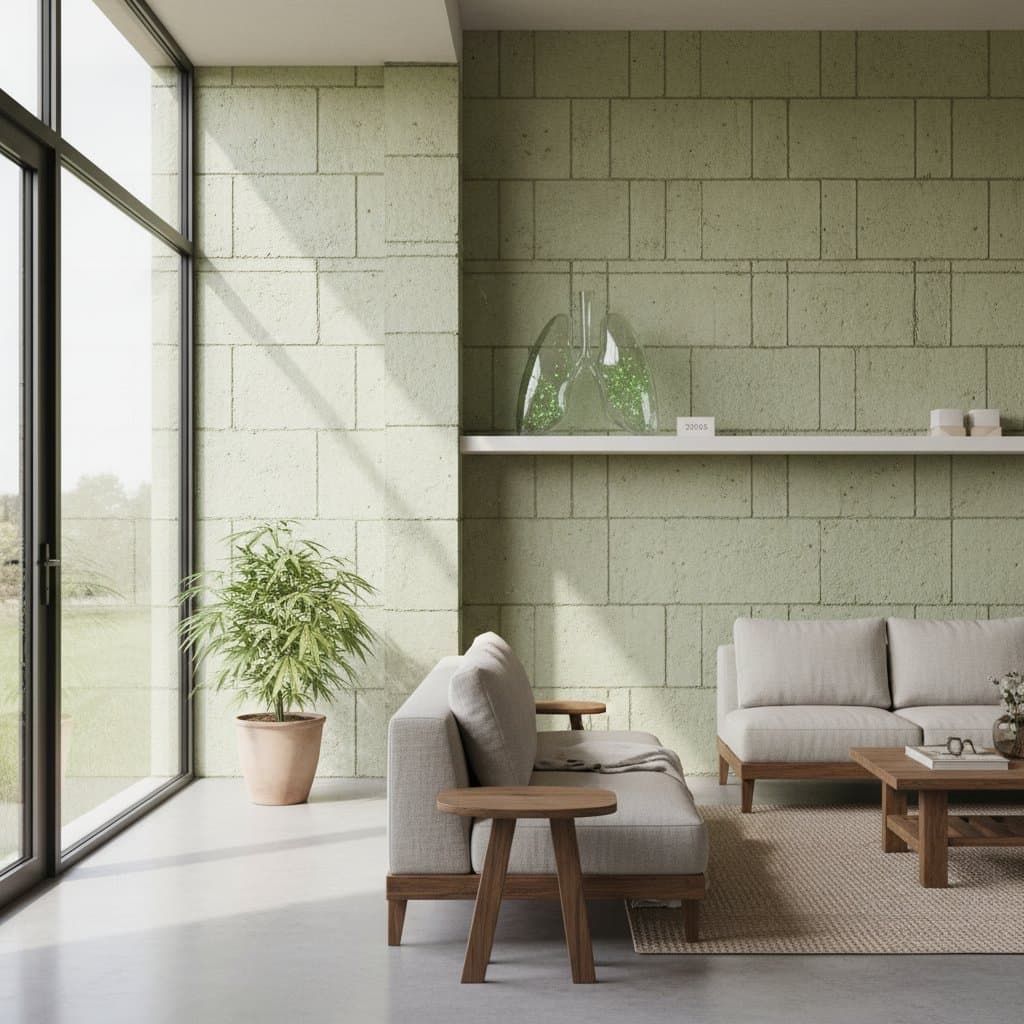
Mycelium and hemp materials offer renewable low carbon options that regulate temperature, manage moisture, and support healthier indoor environments while lowering long term ownership costs.
Loading...
Articles tagged with walls
Mycelium and hemp materials offer renewable low carbon options that regulate temperature, manage moisture, and support healthier indoor environments while lowering long term ownership costs.
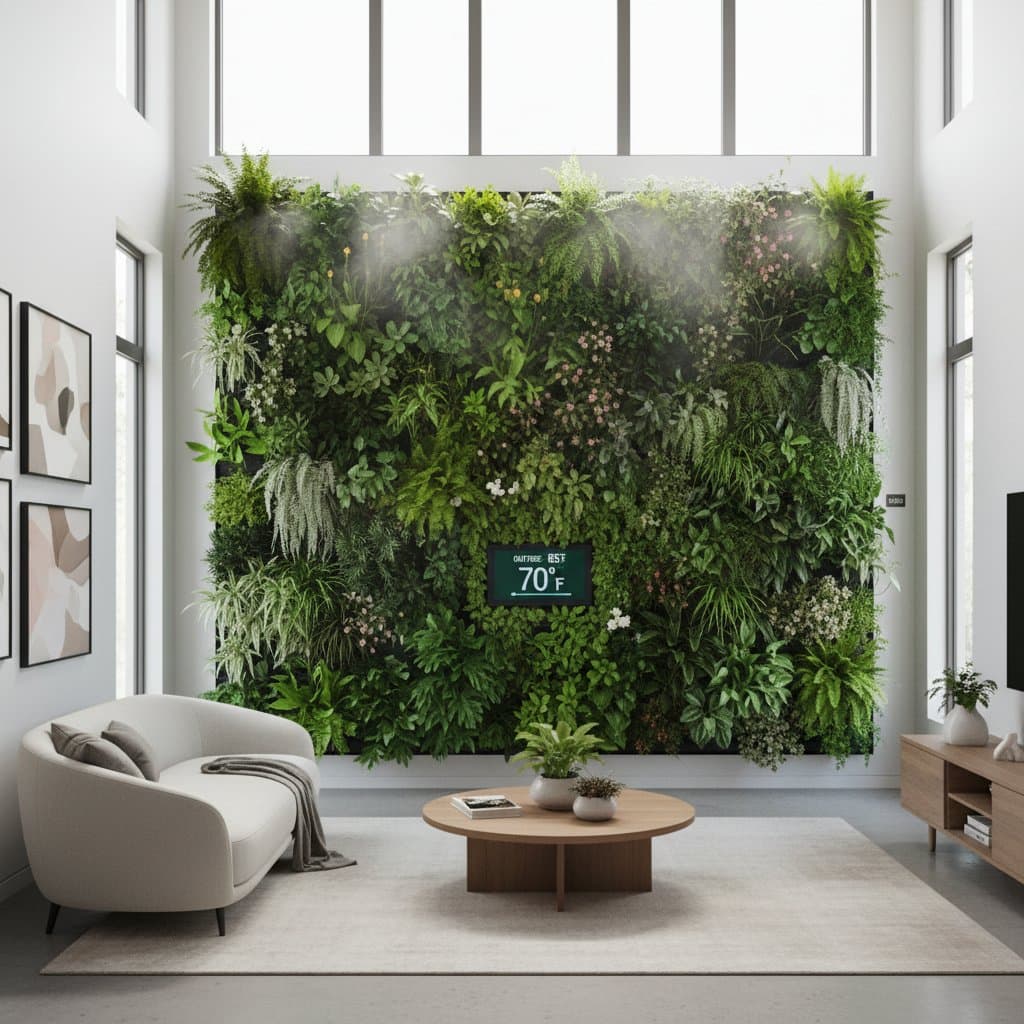
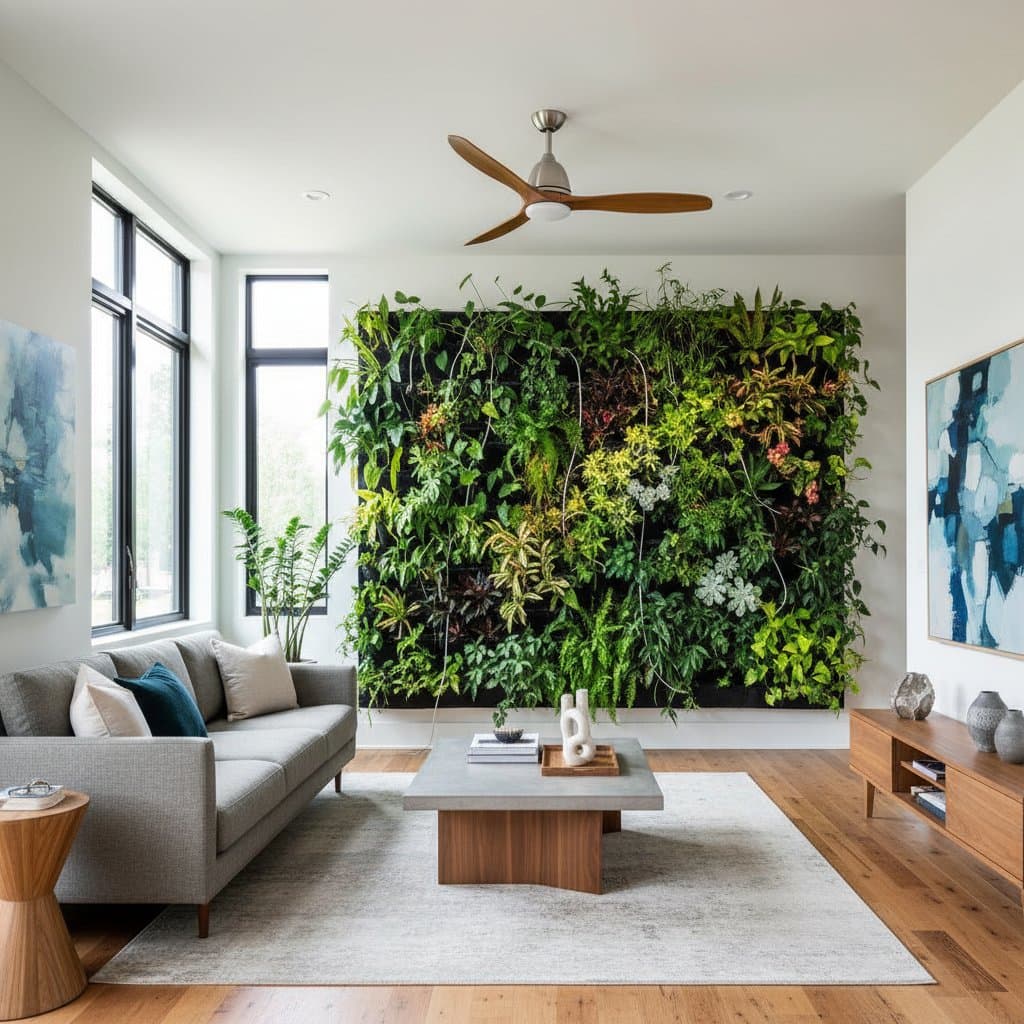
Vertical gardens turn ordinary walls into efficient cooling systems, reducing indoor temperatures by up to 15 degrees through natural processes. Select the ideal plants and designs to enhance air quality, lower utility expenses, and increase home appeal with eco-friendly practices that ensure year-round comfort.
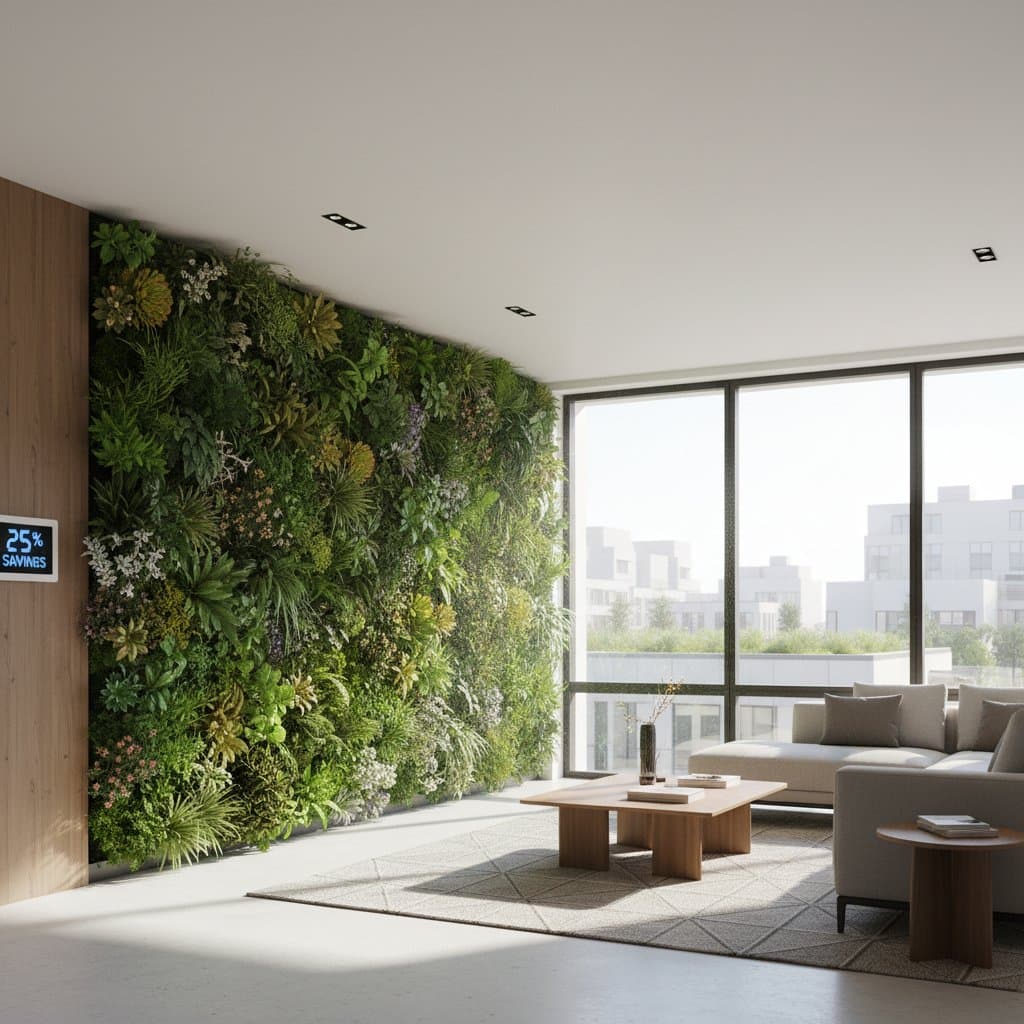
In 2026, homes adopt living walls as vertical gardens that reduce air conditioning costs by 25 percent. These features provide shade, insulation, and cooling through evapotranspiration, while also enhancing property values and improving air quality. With returns on investment reaching 18 percent, living walls demonstrate that sustainable choices offer beauty and financial benefits.
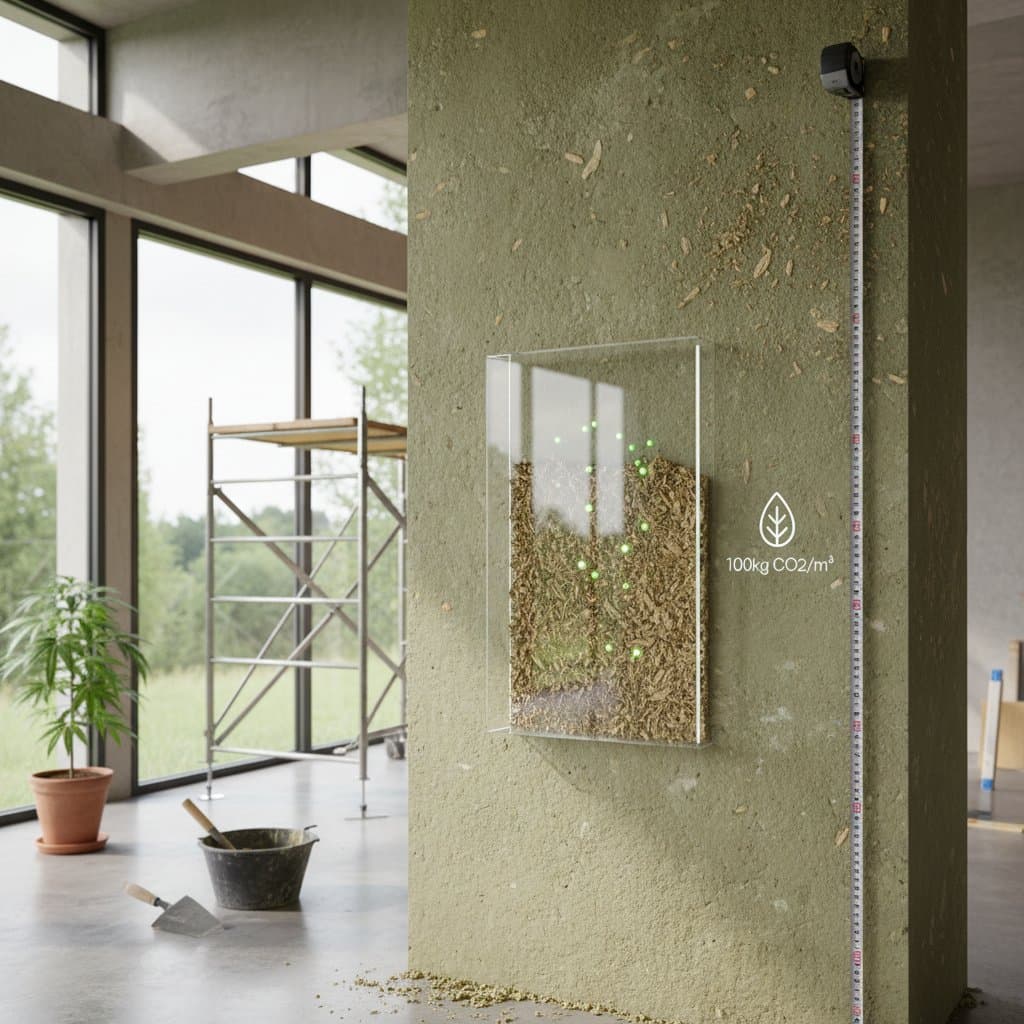
Hempcrete revolutionizes eco-conscious building through its carbon-capturing, breathable properties, set for broad acceptance by 2026. It diminishes embedded emissions, elevates air purity, and advances zero-carbon aspirations. Strategic material selection, blending, and hardening maximize its advantages for durable, green residences and structures.
Hempcrete revolutionizes eco-friendly building by merging superior insulation, structural integrity, and carbon capture in a single, breathable material. It delivers significant energy reductions, purer indoor air, and lasting resilience, positioning it as an essential upgrade for environmentally aware homeowners poised for widespread use by 2026.
Living walls, known as vertical gardens, reduce home cooling costs by up to 25 percent via natural insulation and evaporative cooling. These features also improve air quality, elevate property values, and promote sustainability. Strategic plant selection and irrigation systems turn walls into efficient, green solutions for contemporary residences.
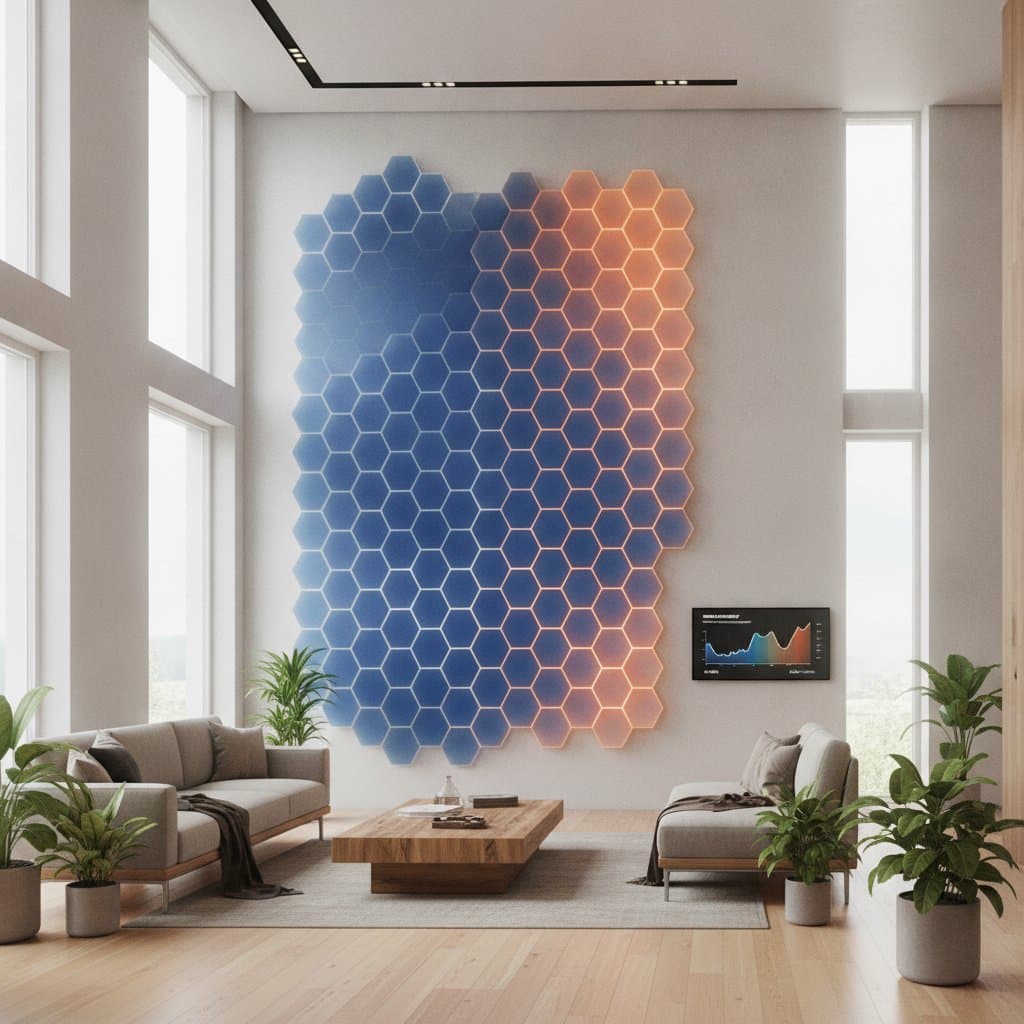
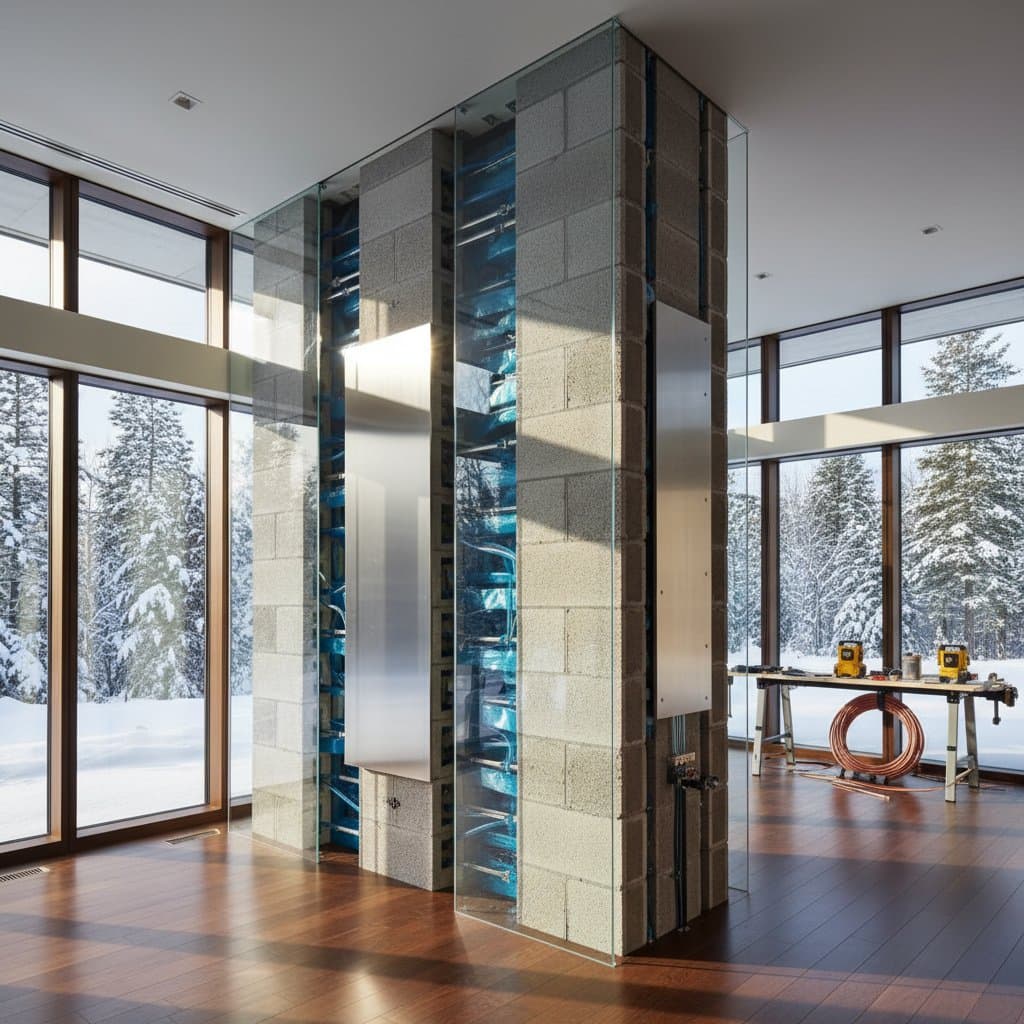
Thermal walls capture sunlight to store heat in materials like concrete or brick, releasing it steadily to warm homes overnight. Proper design enables up to 80 percent reductions in heating expenses, providing reliable, natural comfort without electricity or mechanical aids.
Hempcrete insulation redefines sustainable building in 2025 by delivering carbon-negative results alongside natural comfort. Crafted from hemp, lime, and water, it manages temperature, cleans air, and locks away carbon for decades. Despite a modest initial cost increase, its longevity, energy reductions, and wellness perks establish it as essential for carbon-positive homes.
Hempcrete walls do not merely conserve energy; they sequester carbon effectively. This natural blend of hemp, lime, and water provides outstanding insulation, humidity regulation, and fire resistance. Although the initial expense exceeds standard options slightly, the long-term durability, energy reductions, and increased property value position hempcrete as a wise, eco-friendly option reshaping sustainable construction in 2025.
Hempcrete insulation transforms eco-friendly construction by slashing cooling expenses up to 50 percent, capturing carbon, and ensuring balanced indoor environments. With strong thermal mass, humidity control, and permeability, it promises enduring savings, comfort, and versatility for new or existing structures in pursuit of efficient, planet-friendly homes.
Hempcrete walls revolutionize sustainable construction by storing carbon, providing insulation, regulating moisture, and resisting fire. While initial costs are higher, energy savings, durability, and increased property value make hempcrete a smart choice for eco-conscious homeowners building or retrofitting future-ready homes.