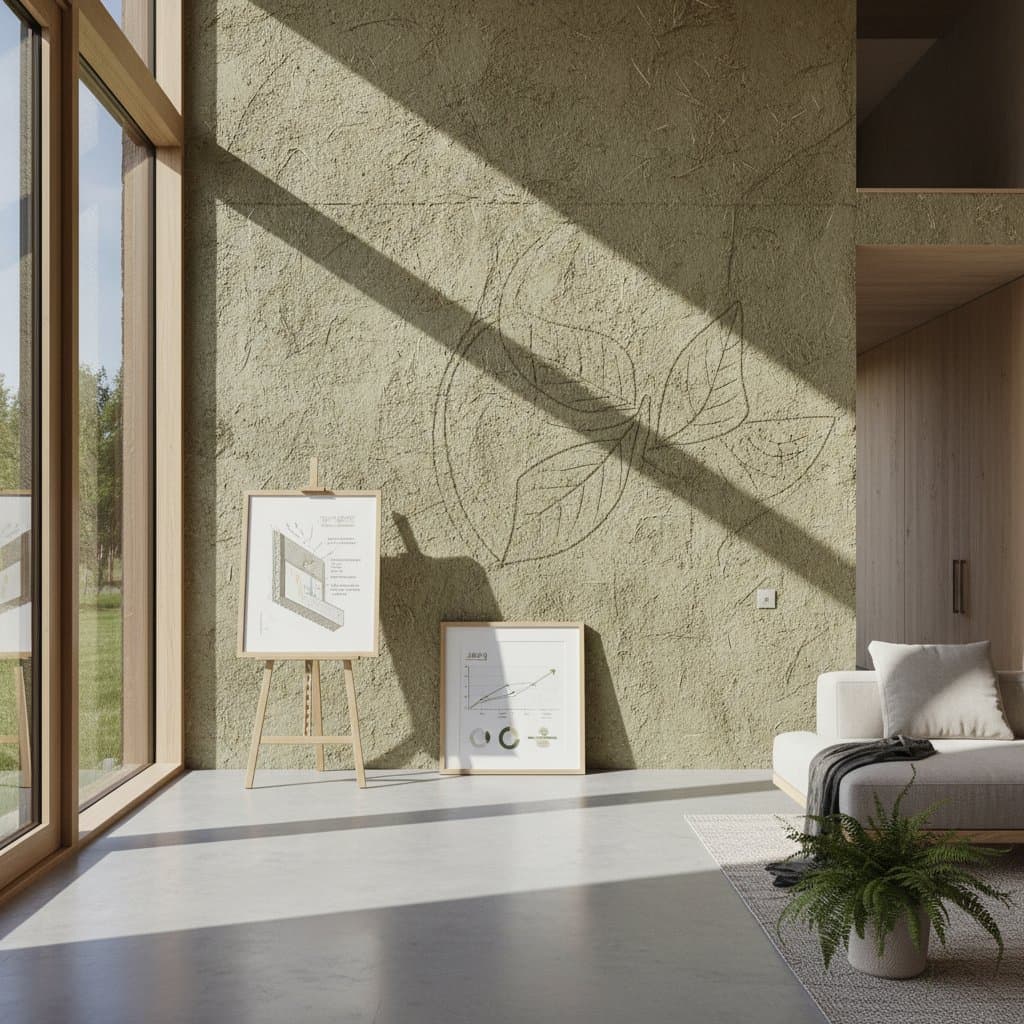
Hempcrete Insulation: 2025's Eco-Revolution for Homes
When you step into a home that feels naturally cool in summer and gently warm in winter, you are likely experiencing the quiet power of hempcrete. As homeowners seek sustainable materials that deliver both comfort and performance, hempcrete insulation emerges from niche curiosity to mainstream solution. This material reshapes perspectives on building, insulation, and carbon responsibility.
Key Points
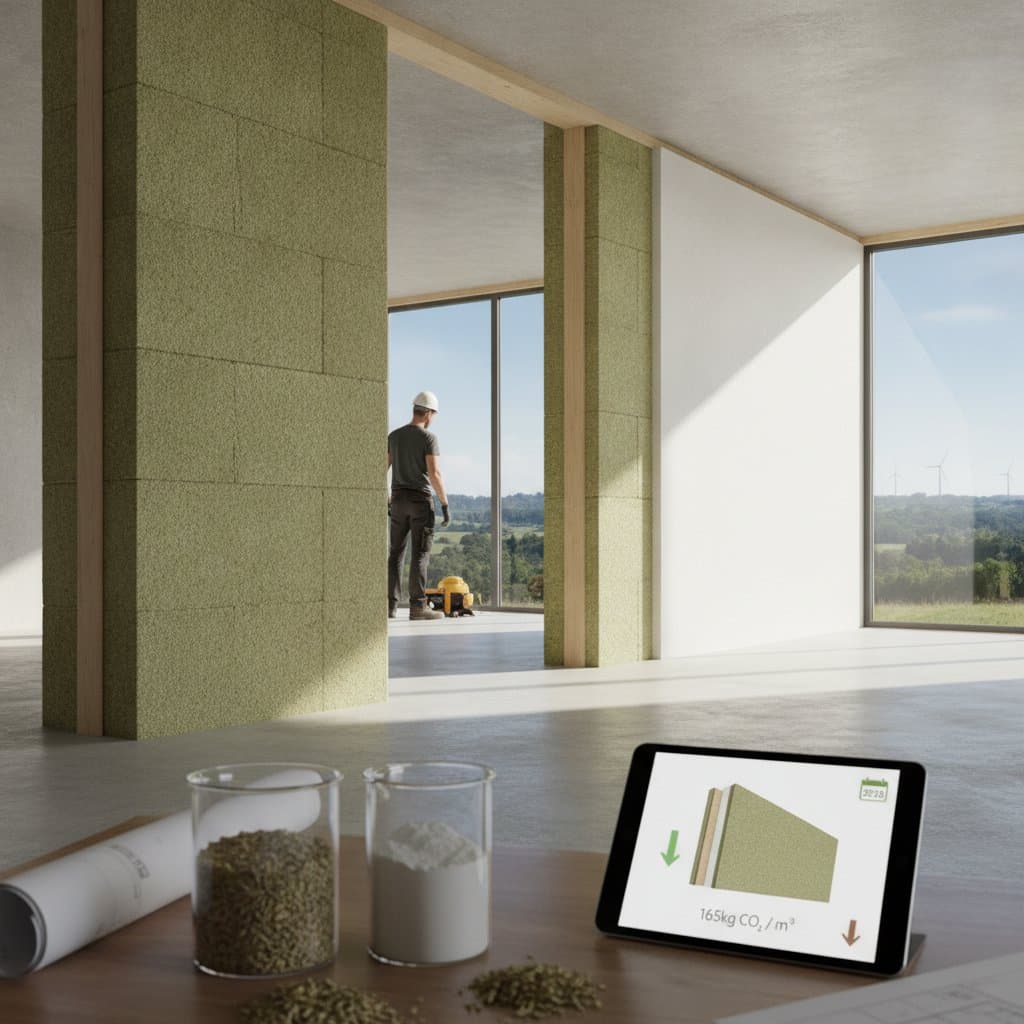
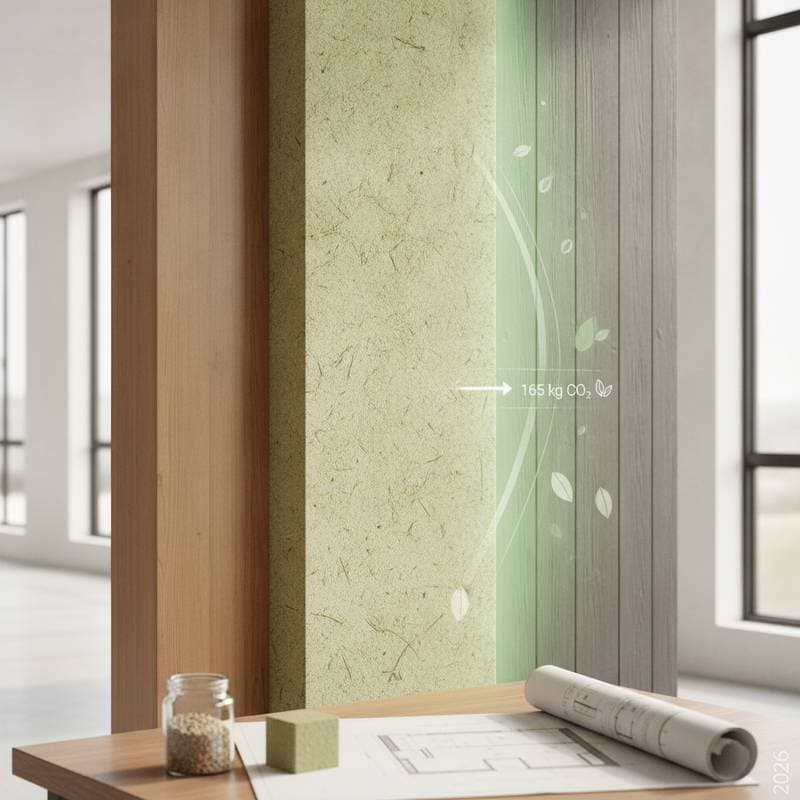
- Hempcrete walls sequester up to 165 kilograms of carbon dioxide per cubic meter, transforming buildings into active carbon sinks.
- The material provides thermal resistance comparable to conventional insulation, yet offers superior breathability and moisture balance.
- Installation costs average 10 to 15 percent higher than fiberglass or foam, though long-term energy savings and durability frequently offset this premium.
- Hempcrete remains non-toxic, pest-resistant, and naturally fire-retardant, which enhances safety and indoor air quality.
- Its life-cycle footprint ranks among the lowest for insulation materials, positioning it as a vital element in carbon-neutral construction.
Comparing Performance and Cost
The table below illustrates how hempcrete compares to common insulation materials.
| Property | Hempcrete | Fiberglass | Spray Foam |
|---|---|---|---|
| R-Value (per inch) | 2.0 - 2.4 | 3.0 - 3.7 | 6.0 - 7.0 |
| Vapor Permeability | High | Low | Very Low |
| Fire Resistance | Excellent | Moderate | Poor to Moderate |
| Indoor Air Quality | Excellent | Moderate | Often Poor |
| Carbon Footprint | Negative | High | Very High |
| Typical Cost per sq. ft. (installed) | $1.80 - $3.50 | $1.20 - $2.00 | $2.00 - $4.00 |
Although hempcrete's R-value appears slightly lower, its thermal inertia enables longer heat retention and more effective temperature regulation in walls. In real-world applications, this often yields energy performance that matches or exceeds higher-R materials. Energy audits of hempcrete homes reveal up to 30 percent lower heating and cooling demands compared to similarly sized buildings with synthetic insulation.
From a cost standpoint, hempcrete's price premium continues to narrow as supply chains develop. Lime binders and hemp hurds now come from local sources in many areas, which cuts transportation expenses. Builders note reduced waste, as excess material reuses easily or composts rather than lands in landfills.
Practical Guidance for Homeowners
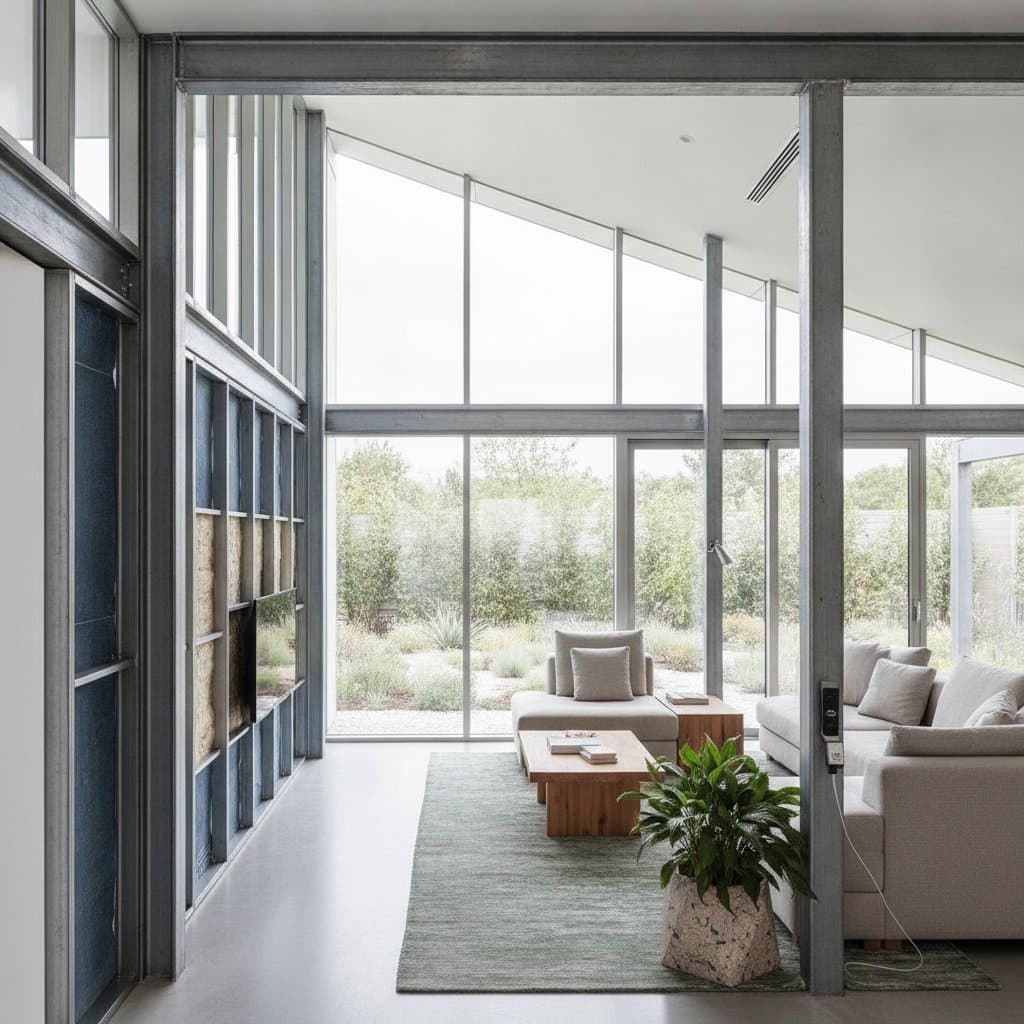
If you consider hempcrete for your next project, evaluate its suitability for your building type and climate first. Hempcrete excels in wall systems that leverage its mass for environmental interaction, such as timber frames or hybrid masonry structures.
Installation Tips:
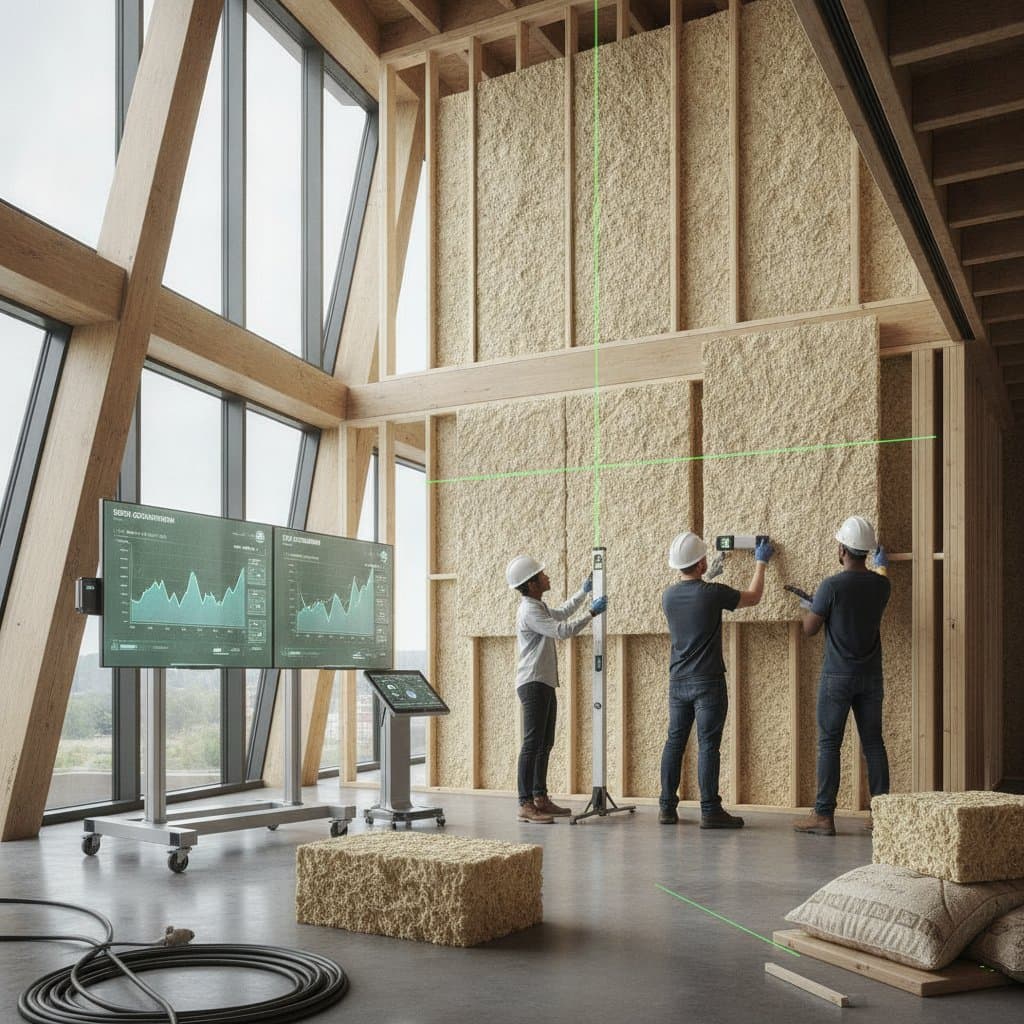
- Employ proper formwork. Cast hempcrete in place around framing, then tamp lightly to eliminate air gaps.
- Allow sufficient curing time. The lime binder requires several weeks to dry completely, varying with humidity.
- Apply breathable finishes. Opt for lime or clay plasters to maintain vapor permeability; avoid acrylic paints that trap moisture.
- Plan for wall thickness. Hempcrete walls measure 12 to 16 inches thick, so adjust interior designs accordingly.
Maintenance:
Hempcrete demands minimal upkeep after installation. Inspect exterior coatings periodically to confirm the lime surface stays intact. Repair any damage with small patches of fresh mix as needed.
Energy Savings:
Studies from the Building Science Institute indicate that hempcrete homes in temperate climates cut energy bills by 20 to 35 percent each year, based on design and insulation thickness. These reductions recoup initial investments over time and boost property value.
Building with Carbon in Mind
Choosing hempcrete extends beyond selecting a greener material. It signals a broader commitment to sustainable living, where structures not only minimize environmental impact but also enhance it through carbon storage, support for regenerative farming, and improved occupant health.
For renovations or new builds, begin modestly. Incorporate hemp-lime panels in interior partitions or retrofit one wall section to assess its benefits firsthand.