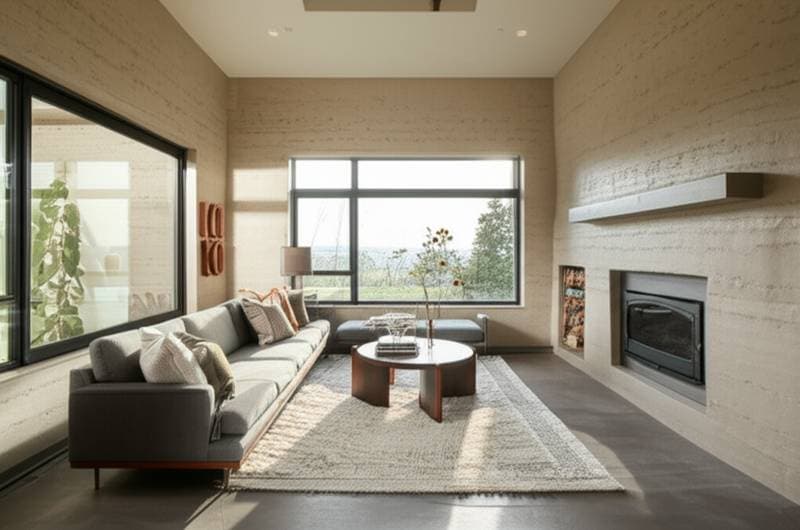
Key Points
- Hempcrete walls integrate hemp hurds, lime binder, and water to form a bio-composite that provides insulation, humidity control, and carbon sequestration.
- Initial construction expenses exceed those of fiberglass or foam, yet energy reductions and structural longevity offset the difference through ongoing savings.
- As a non-toxic, vapor-permeable, and fire-resistant material, hempcrete supports healthier living environments and reliable performance in sustainable builds.
- Success requires meticulous design, effective moisture control strategies, and adequate curing periods to optimize benefits.
The Role of Hempcrete in Contemporary Home Design
Conventional insulation such as fiberglass and foam has dominated construction for years, yet these options often involve petroleum-derived components, pose recycling challenges, and risk moisture entrapment if installation falters. Hempcrete introduces a superior alternative with its vapor-permeable structure that maintains optimal humidity and temperature levels while delivering robust thermal resistance.
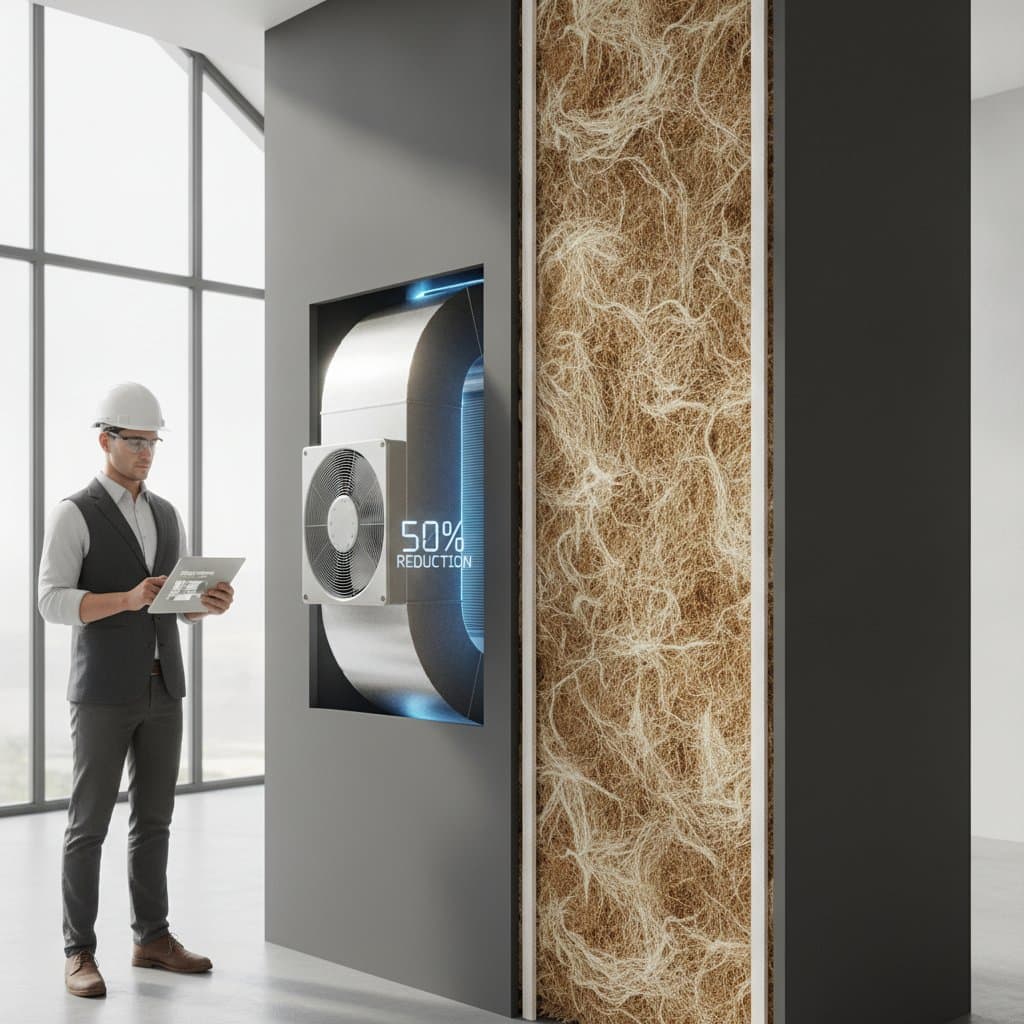
Financially, hempcrete yields advantages from the outset and accumulates value over years. Structures incorporating it typically need downsized heating, ventilation, and air conditioning units due to the material's effective climate moderation. This setup translates to reduced utility expenses and less frequent repairs. On the environmental front, hempcrete captures carbon dioxide throughout the hemp growth phase and lime curing process, effectively embedding it within the walls to enhance occupant well-being.
Analyzing Costs and Return on Investment
Hempcrete may appear pricier at installation compared to standard insulators. Expect material expenses between 10 and 20 dollars per square foot, influenced by sourcing, workforce, and project specifics. A full evaluation, however, reveals the comprehensive advantages.
Initial expenses encompass:
- Procurement of hemp hurds and lime components
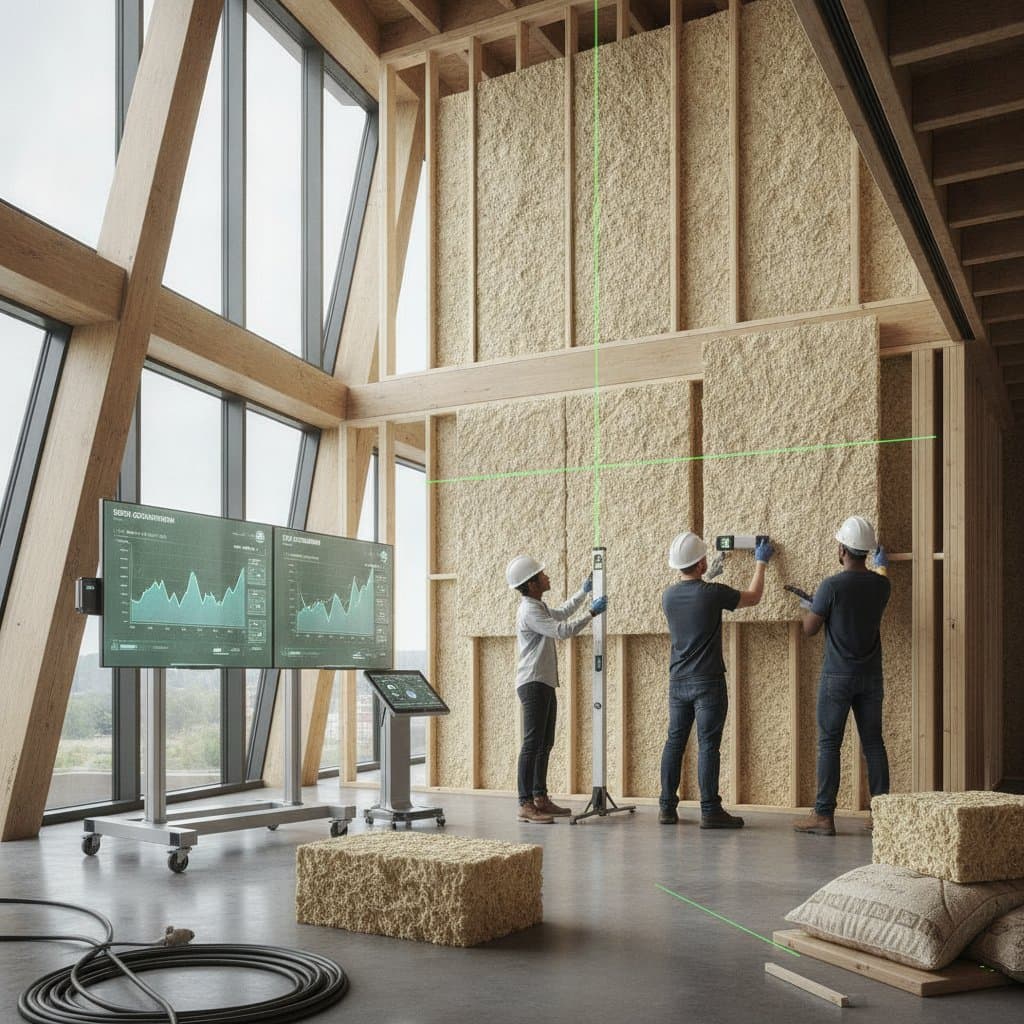
- On-site mixing and application efforts
- Modifications to framing for increased wall thickness
Ongoing benefits feature:
- Heating and cooling reductions of 30 to 60 percent from enhanced thermal properties
- Low upkeep requirements spanning decades
- Smaller, longer-lasting HVAC installations
Homeowners often recoup investments in 7 to 10 years, varying by regional energy rates and weather patterns. The added comfort and ecological merits frequently outweigh the starting premium. With expanding hemp production, future pricing trends point toward further affordability.
Core Sustainable Attributes and Performance Improvements
Hempcrete's environmental credentials extend across its entire lifecycle, minimizing overall impact.
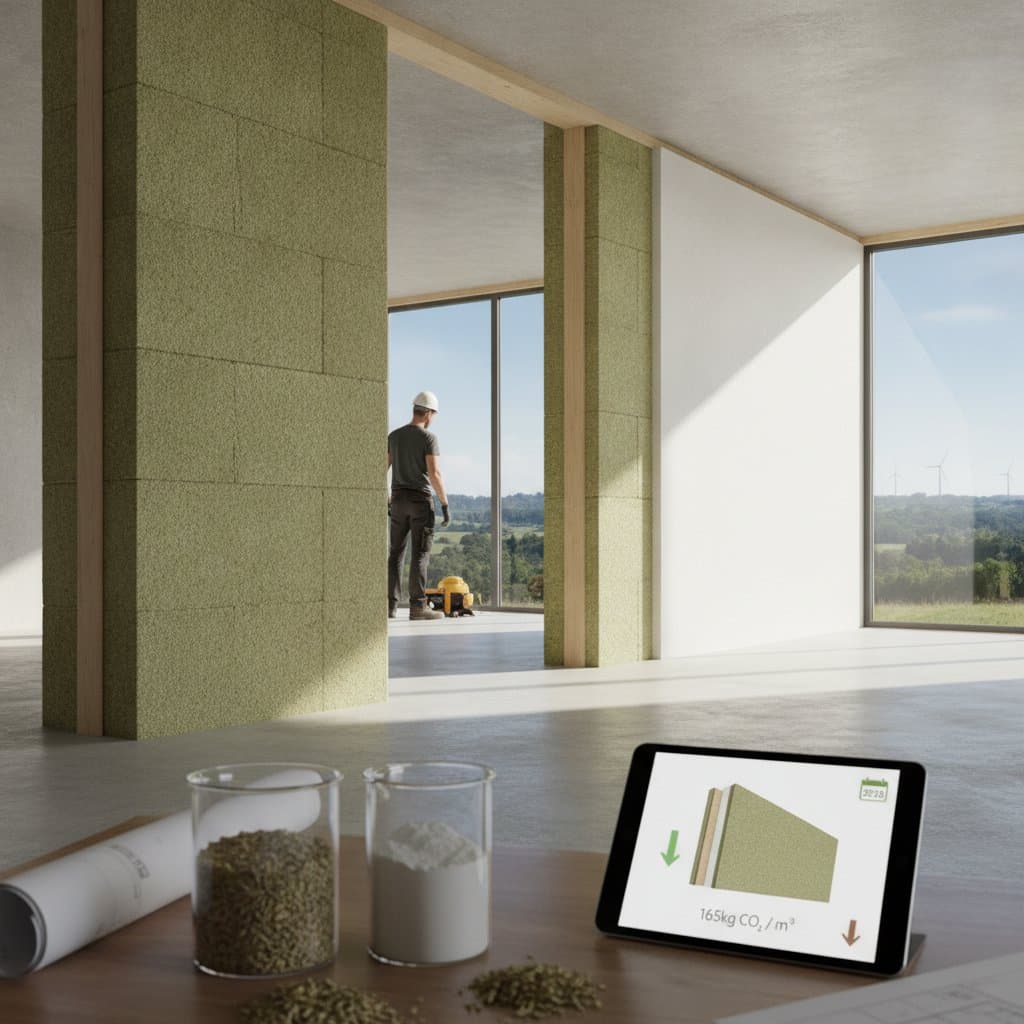
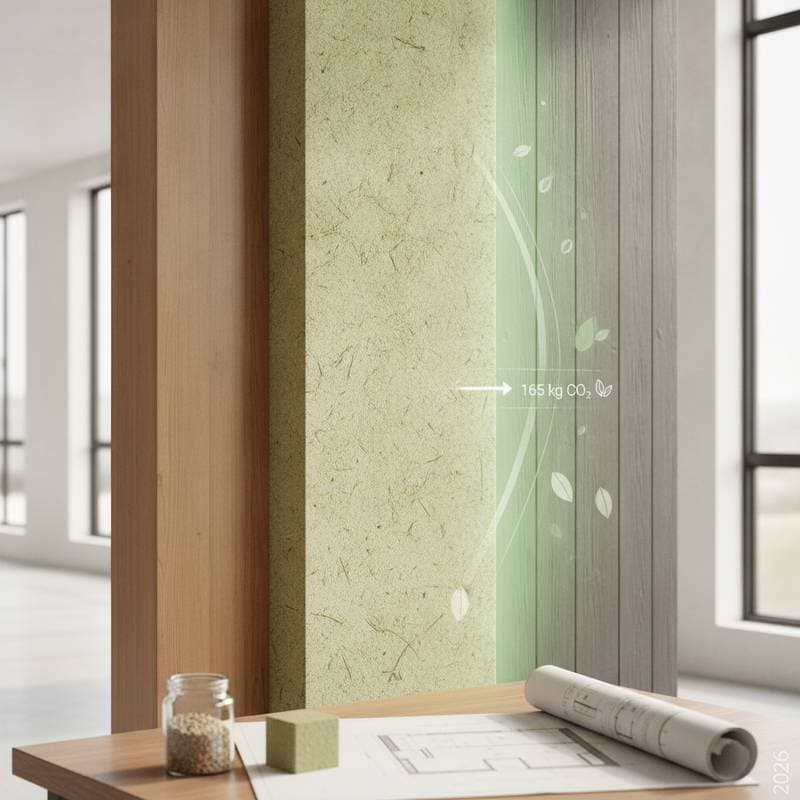
Carbon capture mechanisms: Hemp absorbs significant CO2 as it grows rapidly. Binding it with lime preserves this carbon in the final product, while the binder's curing phase draws additional CO2 from the atmosphere, reverting to limestone form.
Temperature stabilization: The material's substantial thermal mass absorbs excess heat and dispels it slowly, stabilizing indoor climates. This trait cools spaces in warmer regions with less reliance on cooling systems and conserves heat in cooler areas.
Humidity management: Hempcrete naturally takes in and expels moisture vapor, avoiding buildup that fosters condensation or mold. Such dynamics promote superior indoor air quality.
Resistance to hazards: Lime infusion renders the material fireproof and resistant to pests like rodents and insects.
Enduring strength: With appropriate care, hempcrete structures endure for generations, surpassing many synthetic insulators that settle or deteriorate.
Frequently Asked Questions
Is hempcrete permitted in all locations? Building codes differ by area, though hemp-derived products gain acceptance where industrial hemp farming occurs. Consult local authorities prior to any project.
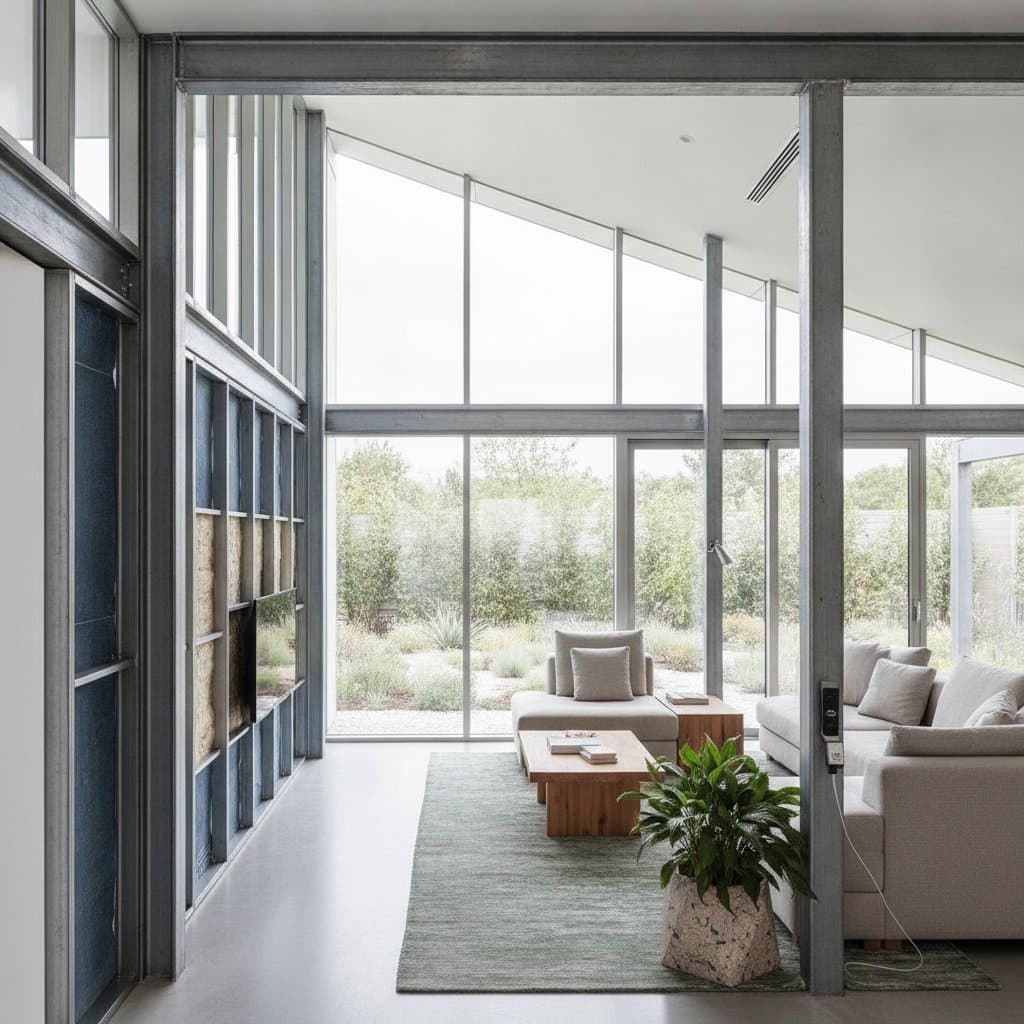
Does hempcrete support structural loads? It serves solely as non-load-bearing filler. Pair it with a frame of timber or lightweight metal for stability.
How does hempcrete stack up against spray foam? While offering slightly lower R-values per thickness, hempcrete excels in thermal inertia, sealing, and vapor control. Spray foam excels in airtightness but may retain moisture and release volatiles.
Does hempcrete invite pests or mold? The alkaline lime composition repels insects and rodents while inhibiting fungal development.
Is hempcrete suitable for existing structures? Absolutely. It integrates well into upgrades, particularly for historic properties requiring permeable barriers. Use prefabricated panels or on-site casting to minimize disruption.
Does hempcrete retain a hemp scent? A faint aroma may occur during preparation, but the cured version remains odor-free.
Steps to Implement Hempcrete in Your Build
Homeowners aiming for efficient, comfortable residences find hempcrete a compelling choice over typical insulators. Begin by assessing your local climate, project objectives, and financial scope.
To achieve optimal outcomes:
- Integrate with solar panels or other renewables to approach carbon-neutral operations.
- Source regional hemp and lime to cut transportation emissions.
- Select permeable interior and exterior finishes to preserve vapor flow.
- Monitor and record post-construction energy metrics to quantify gains and boost property appeal.
Opting for hempcrete represents a commitment to resilient living. It fosters homes that regulate naturally, sustain ethically, and perform reliably, blending physical ease with broader environmental and economic rewards.