Key Points
- Hempcrete emerges as a high-performance insulation material that integrates sustainability with energy efficiency.
- It maintains optimal indoor humidity, elevates air quality, and generates savings through lower energy consumption and reduced maintenance needs.
- Although installation costs exceed those of traditional options by 10 to 20 percent, the material yields substantial returns via enhanced comfort, longevity, and increased property appeal.
The Rising Interest in Natural Insulation Materials
Homeowners increasingly question the long-term viability of conventional building practices. They seek materials that deliver reliable performance across decades while minimizing environmental harm. Hempcrete distinguishes itself among natural insulators through its blend of ecological benefits, engineering reliability, and economic viability.
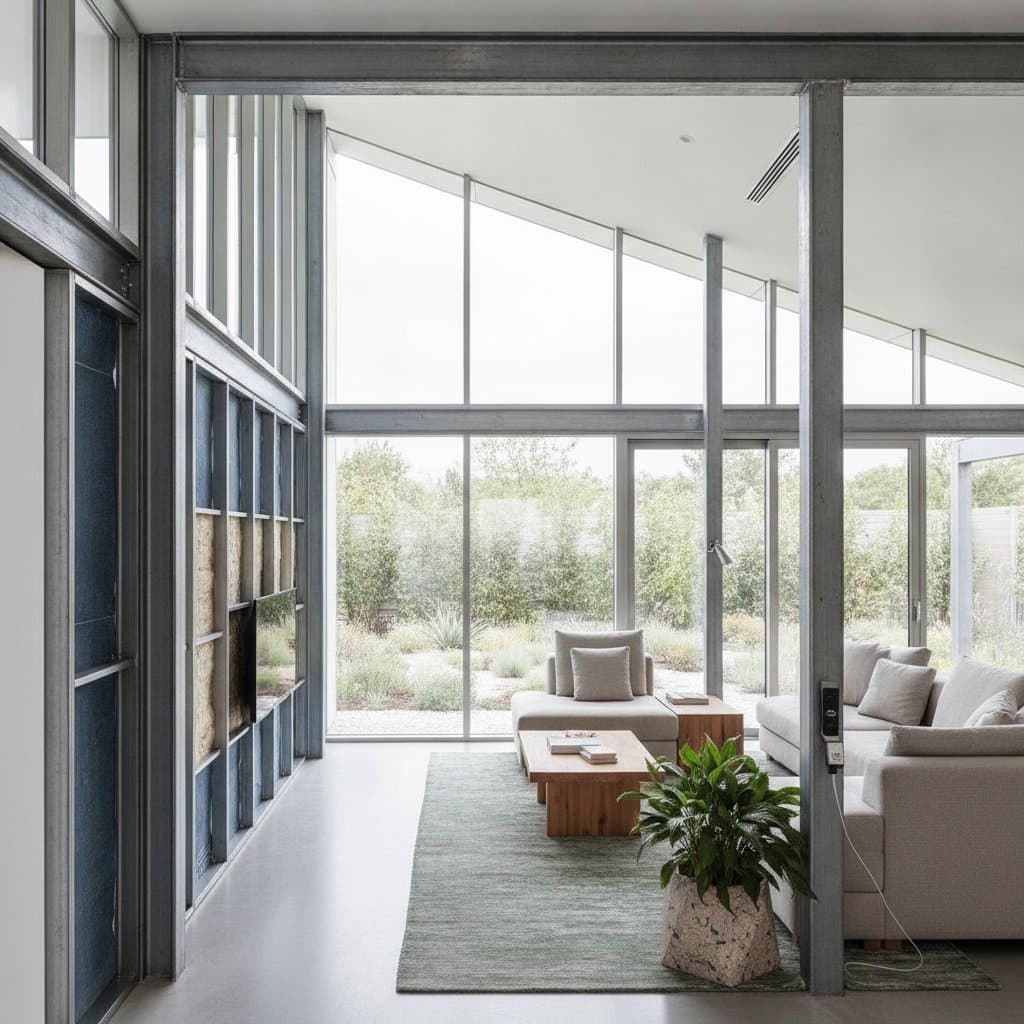
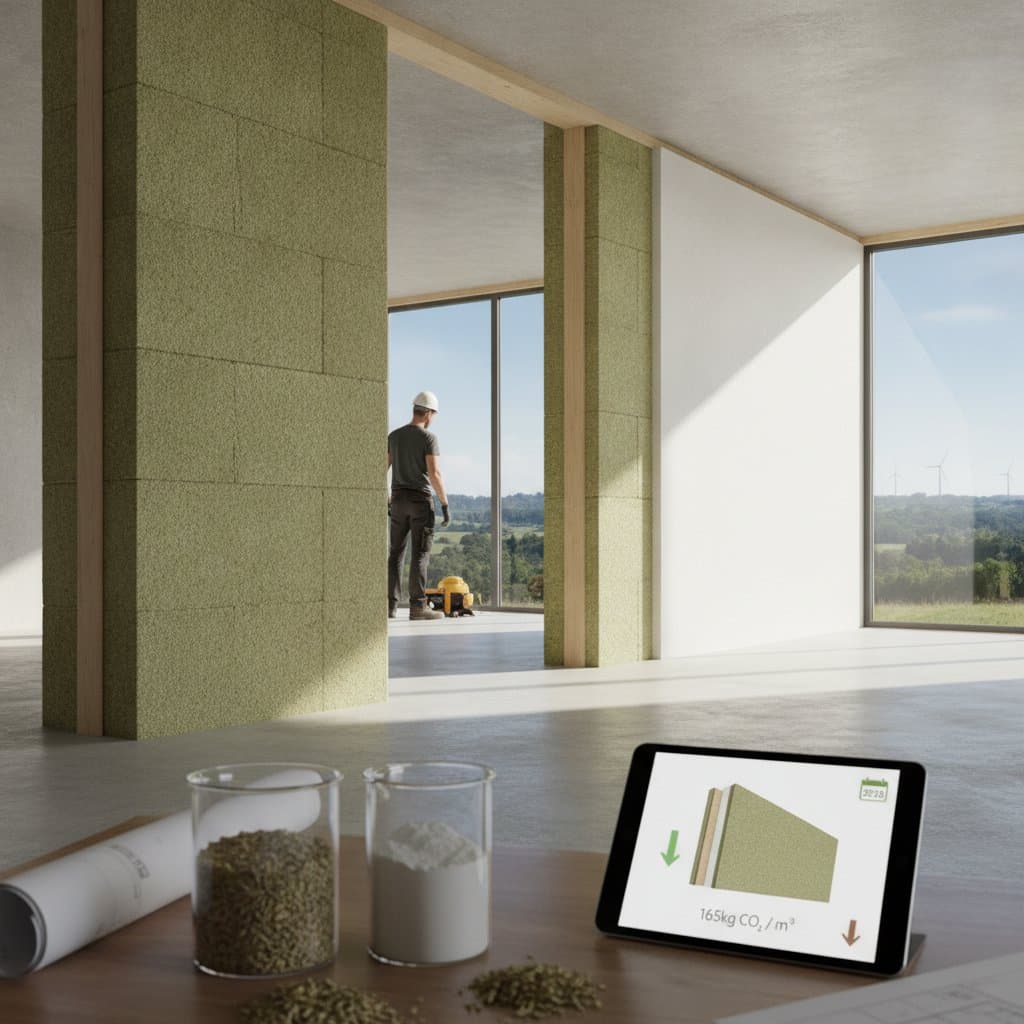
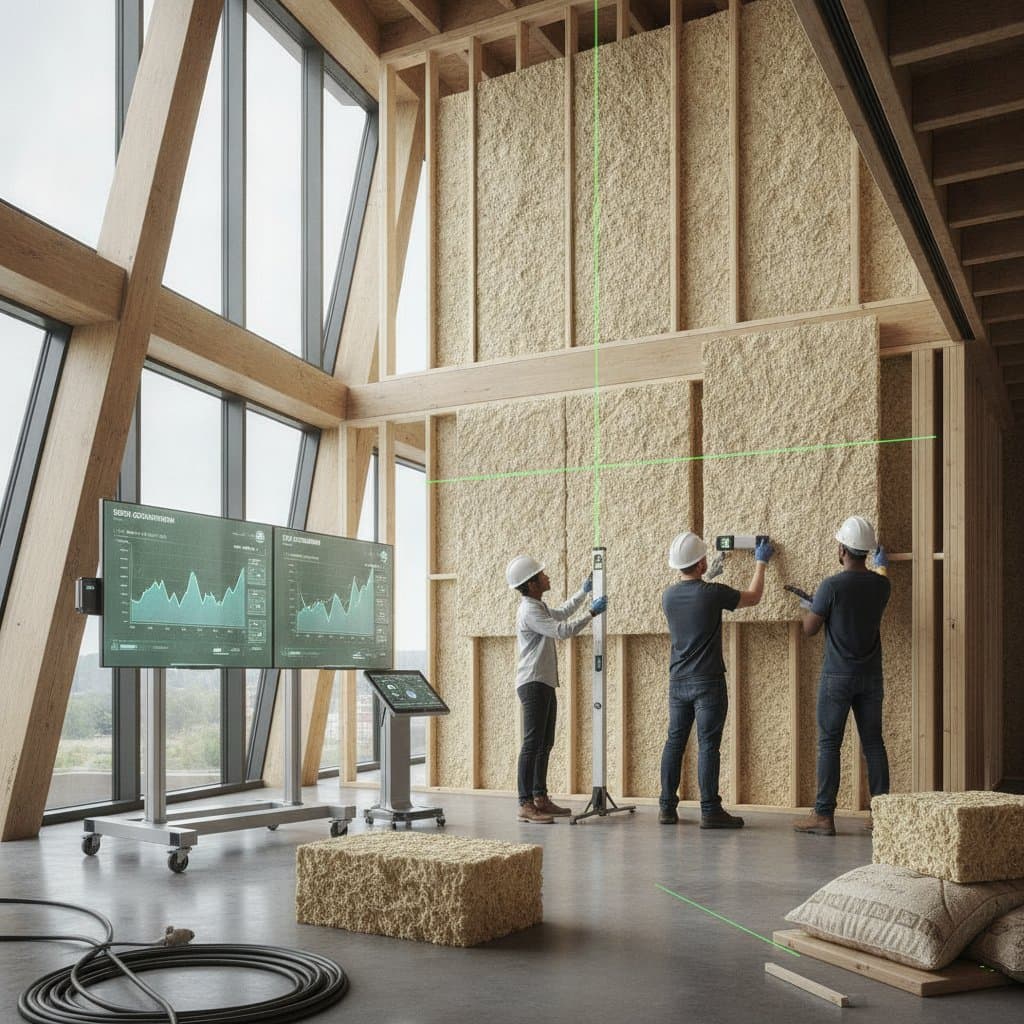
Composed of hemp hurd, lime binder, and water, hempcrete forms a breathable insulation layer. Builders apply it as a non-load-bearing infill within wood or steel frames, creating an effective thermal barrier. This setup addresses the core needs of contemporary living by uniting occupant comfort with operational efficiency.
How Hempcrete Surpasses Traditional Insulation Options
Fiberglass and foam insulations often incorporate synthetic elements that break down over time, release harmful vapors, or retain moisture, leading to structural issues. Hempcrete avoids these pitfalls with its open-cell structure, which allows vapor to pass through while stabilizing temperatures. This process fosters steady indoor conditions and inhibits mold development, a common challenge in tightly sealed buildings.
In terms of thermal performance, hempcrete achieves a conductivity value of 0.05 to 0.07 W/m·K, varying by mix density. Although this figure trails some rigid foams, the material excels in thermal mass, absorbing excess heat during warm periods and releasing it slowly in cooler times. Such dynamics result in more stable indoor climates year-round, reducing reliance on heating and cooling systems.
Beyond thermal qualities, hempcrete dampens sound effectively, promoting serene living spaces. The lime component also confers strong fire resistance, withstanding high temperatures without igniting. These features render it suitable for diverse projects, from ground-up constructions to renovations aimed at bolstering resilience.
Evaluating Costs and Long-Term Returns
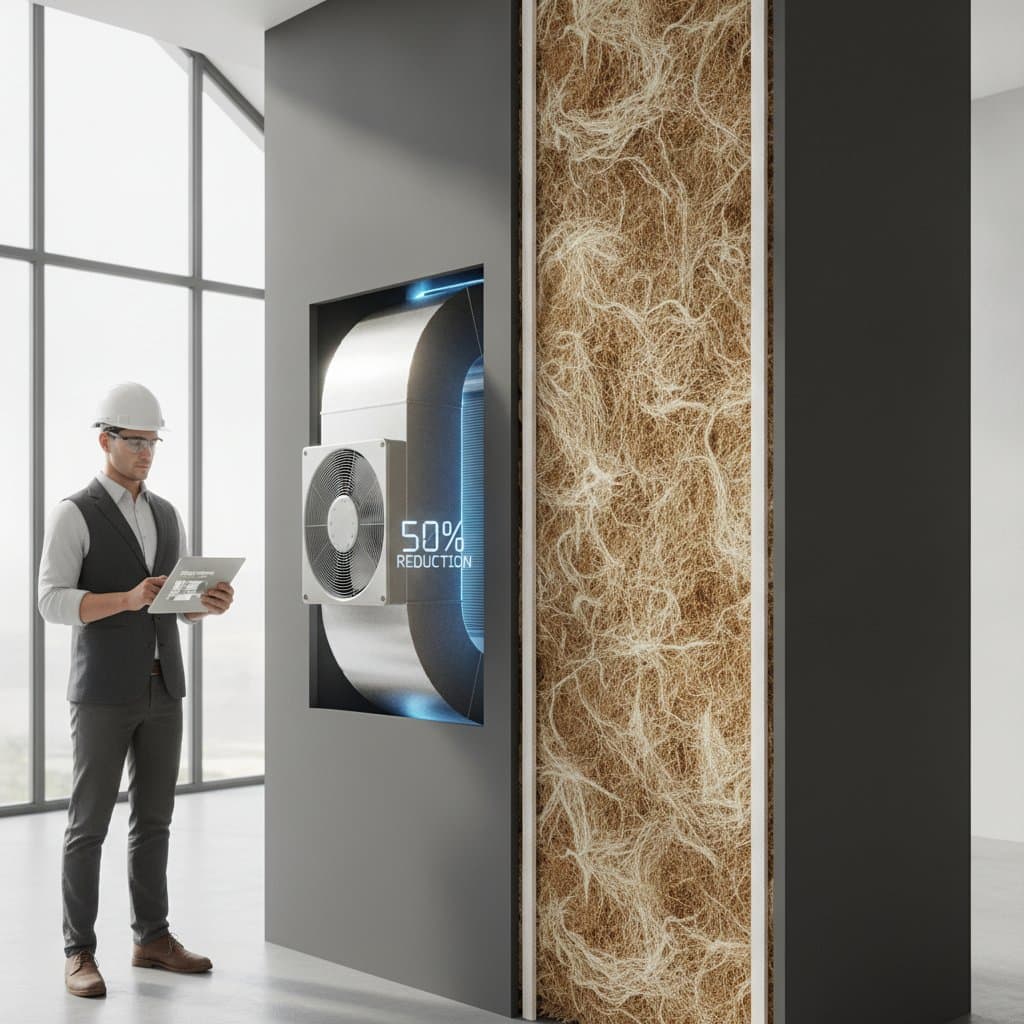
Initial expenses for hempcrete typically surpass standard insulation by 10 to 20 percent, accounting for raw materials and skilled installation. However, these investments pay off through tangible gains. Homeowners report energy reductions of up to 30 percent annually, alongside negligible upkeep due to the material's resistance to insects and rot.
When incorporated into complete wall systems, hempcrete elevates a home's energy rating, often qualifying for certifications like LEED. Such enhancements attract buyers who value documented sustainability, accelerating sales and commanding premium prices in competitive markets.
Benefits for the Environment and Indoor Health
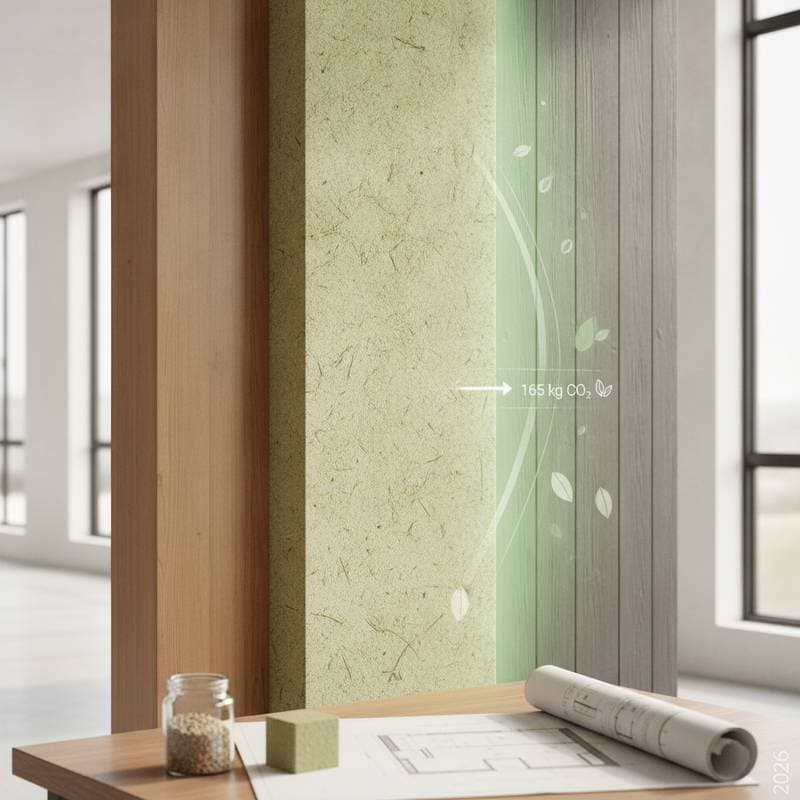
Hempcrete contributes positively to carbon cycles throughout its existence. Hemp crops sequester substantial CO2 during cultivation, and the lime binder captures additional carbon as it hardens, potentially rendering the material net carbon-negative. Responsible sourcing amplifies these advantages, supporting regenerative agriculture.
Health-wise, the material moderates humidity to levels between 40 and 60 percent, curbing dust mites and chemical off-gassing. Families prone to respiratory issues notice clearer air and fewer irritants. Compared to alternatives like straw bale or recycled cellulose, hempcrete offers superior fire safety and seamless integration with conventional framing, easing adoption in regulated environments.
Preparing for Long-Term Sustainability with Hempcrete
As building standards evolve toward resilience and adaptability, hempcrete aligns seamlessly. It complements various architectural styles, from rustic to contemporary, without necessitating extensive redesigns. Its robust nature minimizes future interventions, supporting strategies that prioritize total ownership costs.
The material facilitates straightforward modifications, such as adding electrical conduits or insulating expansions. This flexibility suits changing family dynamics, ensuring homes remain functional over generations.
Steps to Incorporate Hempcrete into Your Project
Begin by engaging a certified builder versed in bio-based materials. They assess site-specific factors, including climate zone, building codes, and material availability, to tailor a feasible plan. For initial trials, consider applying hempcrete in non-structural elements like interior walls or accessory structures to observe its effects.
Explore funding through specialized loans for green initiatives or rebates for energy upgrades. Pairing hempcrete with complementary features, such as triple-glazed windows or solar orientation, maximizes efficiency and multiplies financial benefits.
Hempcrete enables the creation of residences that promote vitality, withstand time, and align with planetary health. By selecting this material, builders and owners invest in spaces that nurture both inhabitants and ecosystems.