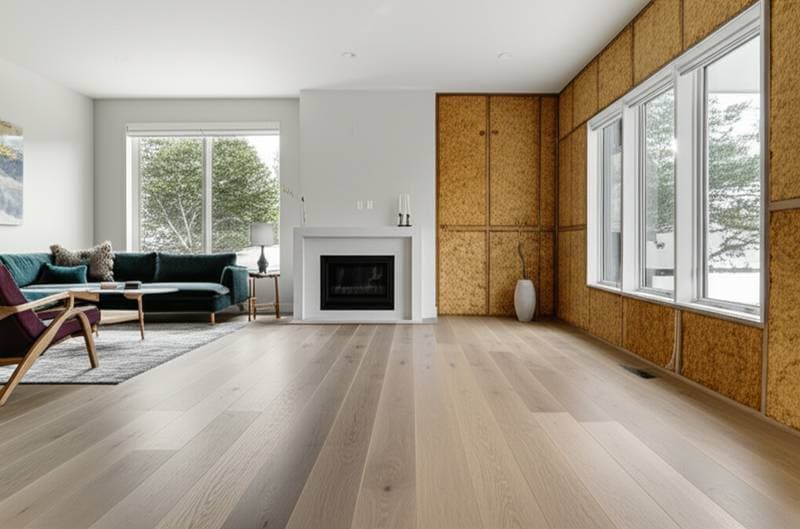
Mycelium Insulation Gains Traction as a Sustainable Choice in 2025
Sustainable building materials often spark interest, yet mycelium insulation stands out for its unexpected origins in fungi. This material, cultivated rather than produced through heavy industry, captures attention through its environmental benefits, reliable performance, and adaptable design options.
Essential Features
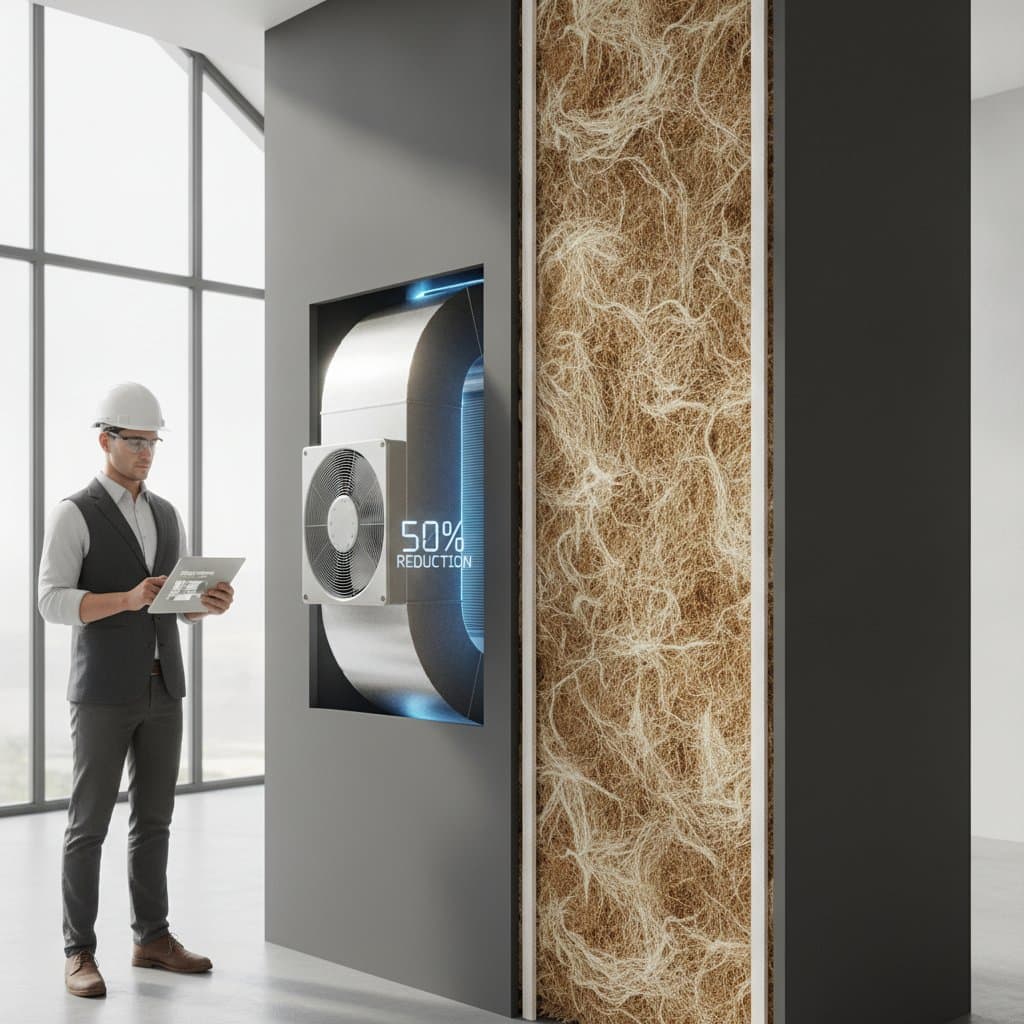
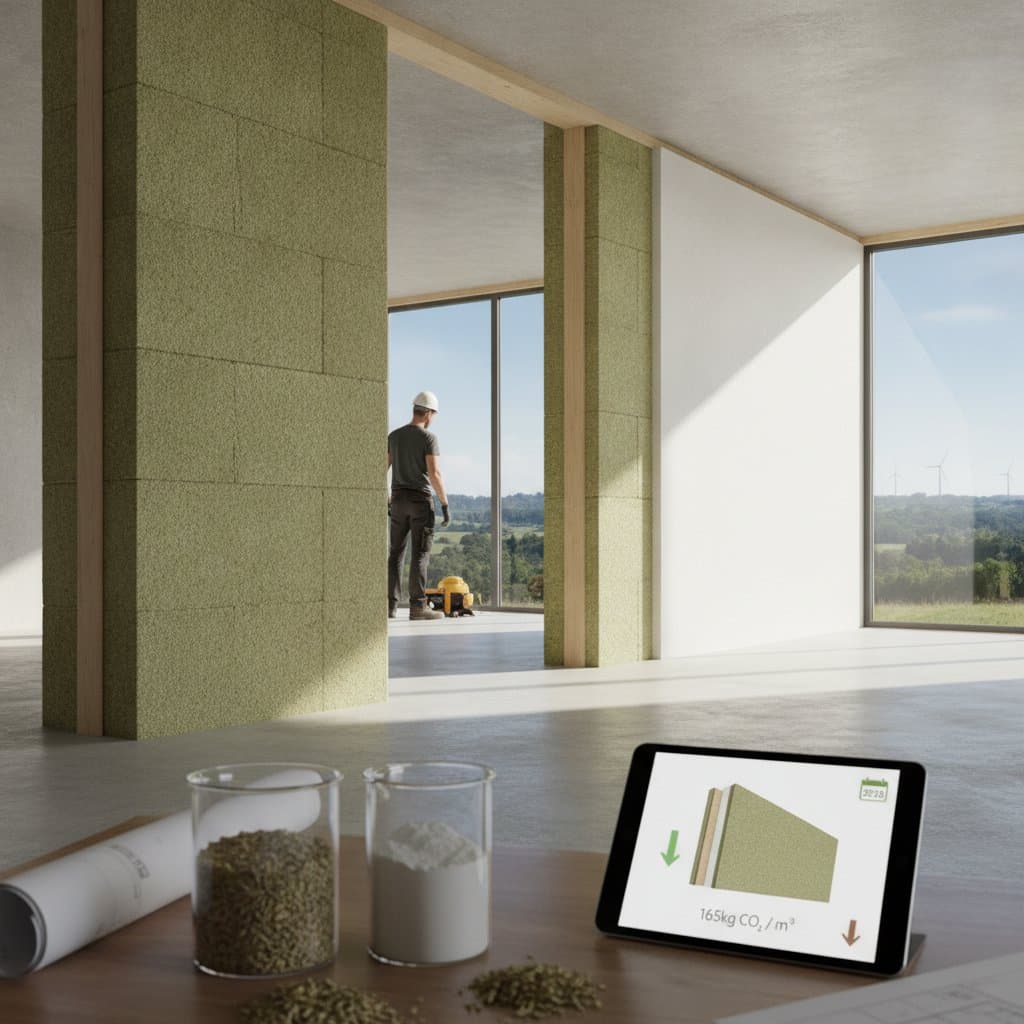
- Mycelium insulation reduces carbon emissions by up to 90 percent relative to traditional foam alternatives.
- It achieves thermal performance comparable to mineral wool and polyurethane, with R-values ranging from 3.5 to 4 per inch.
- Production utilizes agricultural waste, demands low energy, and results in a fully compostable product.
- Costs decrease with scale, as pilot initiatives show savings of up to 40 percent compared to standard insulation.
- The material provides strong fire resistance and effective moisture control, fitting residential and commercial applications.
Understanding Mycelium Insulation
Mycelium forms the thread-like structure of fungi that binds organic materials. In controlled settings, it develops into a firm, foam-resembling substance with excellent insulation qualities. Producers introduce fungal spores to substrates such as corn husks or sawdust; the mycelium spreads through the material in a matter of days, forming rigid blocks or granules suitable for panels or fill.
After growth concludes, heat treatment halts further development. This process yields a light, resilient insulator that mirrors conventional options in function while avoiding harmful chemicals and fossil fuel dependencies.
Mycelium Insulation Versus Traditional Options
| Property | Mycelium Insulation | Fiberglass | Spray Foam |
|---|---|---|---|
| R-Value per inch | 3.5 - 4 | 2.9 - 3.8 | 3.5 - 6.5 |
| Fire Resistance | High | Moderate | Variable |
| Compostable | Yes | No | No |
| VOC Emissions | None | Low | High |
| Production Energy | Very Low | Moderate | High |
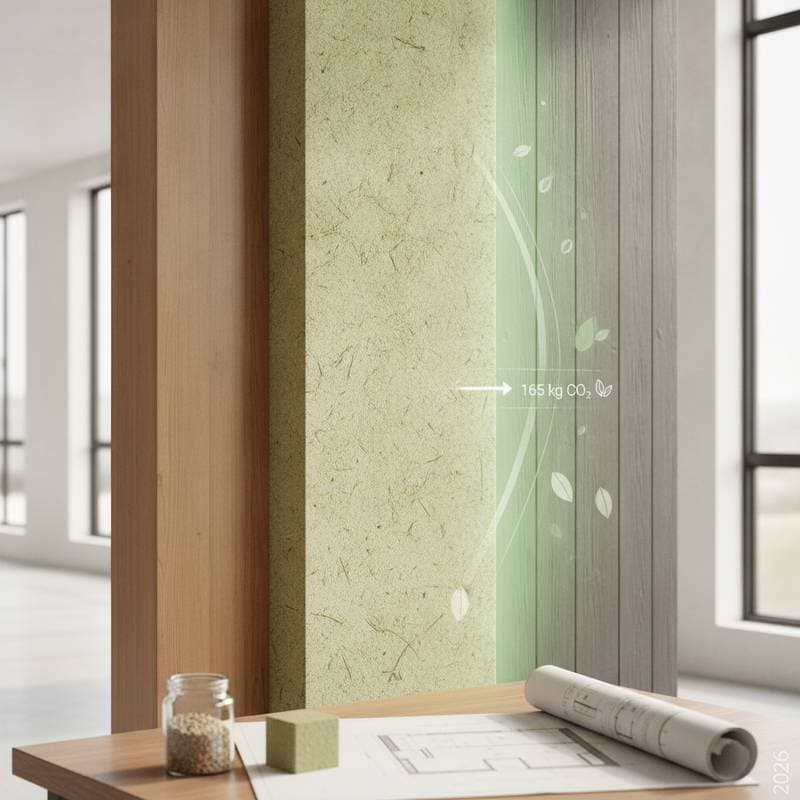
Studies by green building groups indicate that mycelium insulation lowers embodied carbon by 80 percent or more against fiberglass or foam. By repurposing waste as input, it supports circular systems and reduces organic waste in landfills.
Reasons Builders Embrace Mycelium Insulation
Professionals in construction weigh performance, expense, and ecological impact carefully. Mycelium insulation meets these criteria by delivering steady heat retention, inherent humidity balance, and pest deterrence free from synthetic additives. For projects prioritizing sustainability, it lowers overall environmental impact without compromising quality.
Experts in environmental consulting highlight its full lifecycle advantages. The biodegradable nature allows return to soil at end-of-life, avoiding permanent landfill use. This approach aligns with principles of regenerative design in contemporary architecture.
Adoption Trends and Pilot Successes
Demand for mycelium products surges, with trials in Europe, North America, and Asia proving viability at larger scales. Emerging companies now manufacture insulation at commercial levels. Lab evaluations verify reliable R-values, fire safety, and durability, assuring builders of its practicality beyond experimental stages.
Policies promoting low-carbon builds further drive uptake. Pioneering projects note that mycelium use secures certifications for green standards and exceeds energy goals early.
Evaluating Costs and Long-Term Value
Pricing for mycelium insulation fluctuates by provider, yet economies of scale reduce it steadily. Current rates stand 10 to 15 percent above fiberglass, but expanded output closes this difference. Accounting for lower energy use, waste disposal savings, and incentives, return on investment typically occurs within several years.
Homeowners find the calculations persuasive. Insulating a standard 2,000-square-foot residence with mycelium could yield annual heating and cooling savings of several hundred dollars. Across ten years, these gains surpass initial expenses, alongside reduced carbon contributions.
Performance in Practice and Potential Hurdles
Mycelium insulation shows robust potential, though implementation demands attention. Large-scale growth needs stable conditions, and uniform quality poses challenges for novice producers. Installers must address moisture during application, as extended exposure to dampness risks material breakdown despite mold resistance.
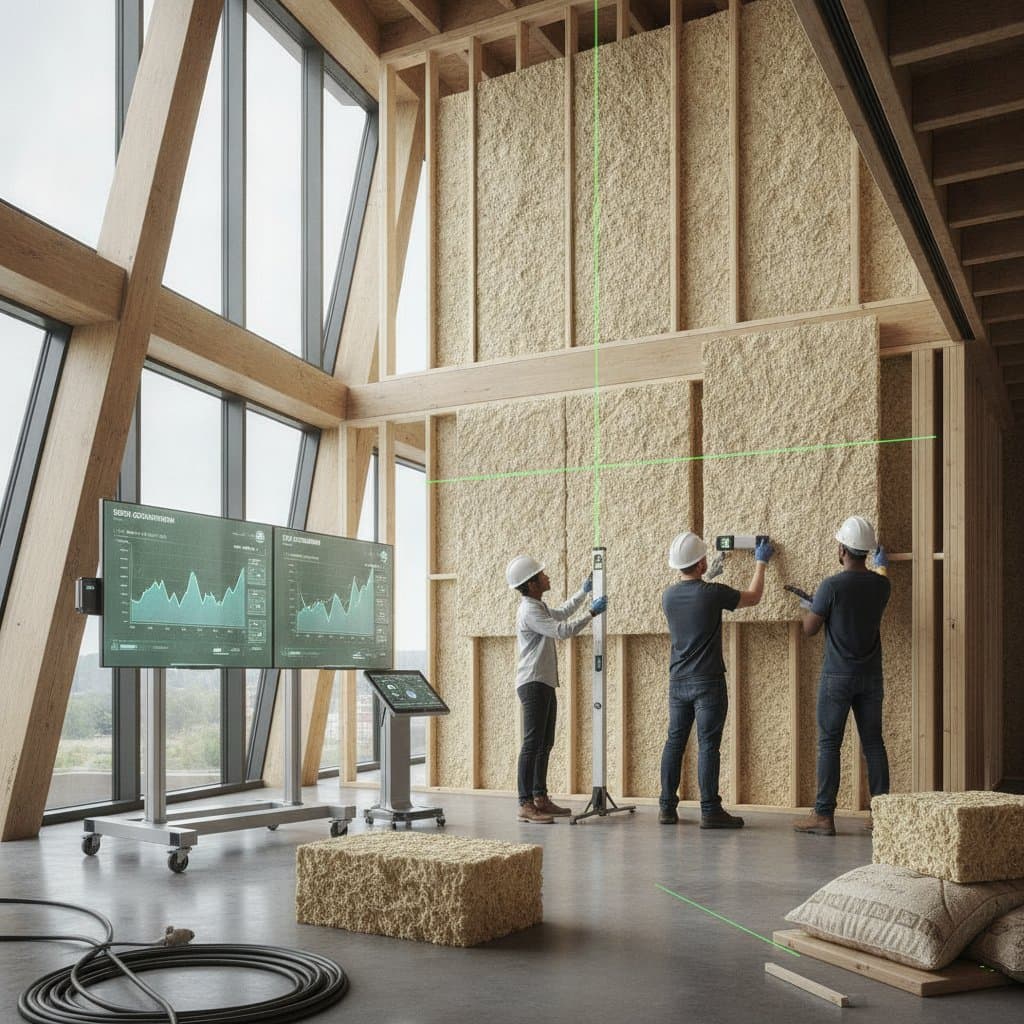
Experienced architects emphasize precise planning. Integrating vapor barriers, adequate airflow, and skilled techniques preserves effectiveness over time. Education for builders proves vital when introducing this innovative option.
Prospects for Mycelium in Broader Construction
Mycelium insulation reflects wider movements toward responsible material use. Clients seek renewables that equal conventional durability, prompting industry advances. Certifications now favor biodegradable, toxin-free choices, areas where mycelium excels.
Researchers enhance formulations by testing varied substrates to boost resilience and safety. Experiments blend mycelium with elements like hemp or crop fibers, improving traits and visual appeal.
Integrating Mycelium Insulation into Projects
For home or business renovations focused on ecology, evaluate mycelium insulation through consultation with certified sustainable contractors experienced in bio-based materials.
Developers benefit by including it in designs to bolster green profiles and appeal to environmentally aware buyers. Combine with options such as bamboo surfaces or reclaimed metal structures for integrated sustainable approaches.
Mycelium insulation signals progress in materials that harmonize human needs with planetary health.