Eco-Friendly Remodeling

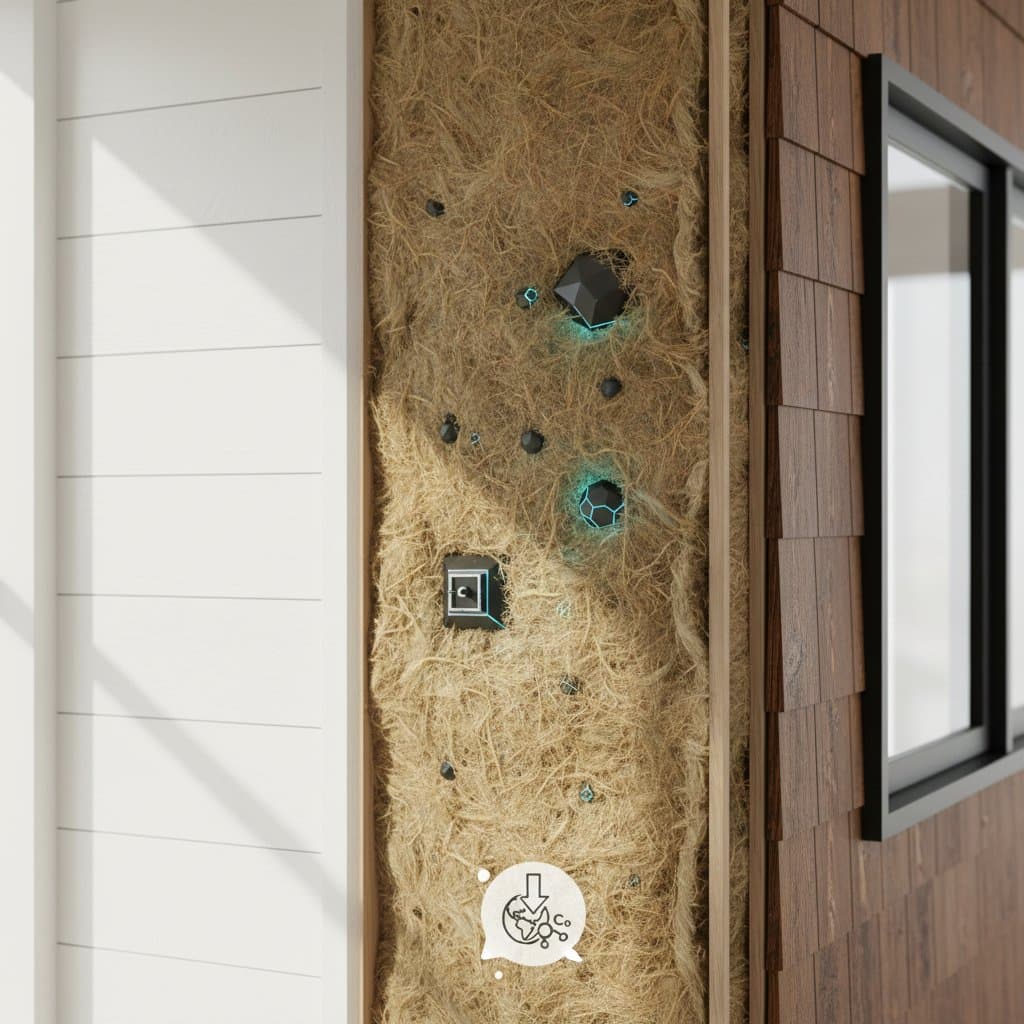
Featured image for Hempcrete Walls That Remove Carbon While Insulating

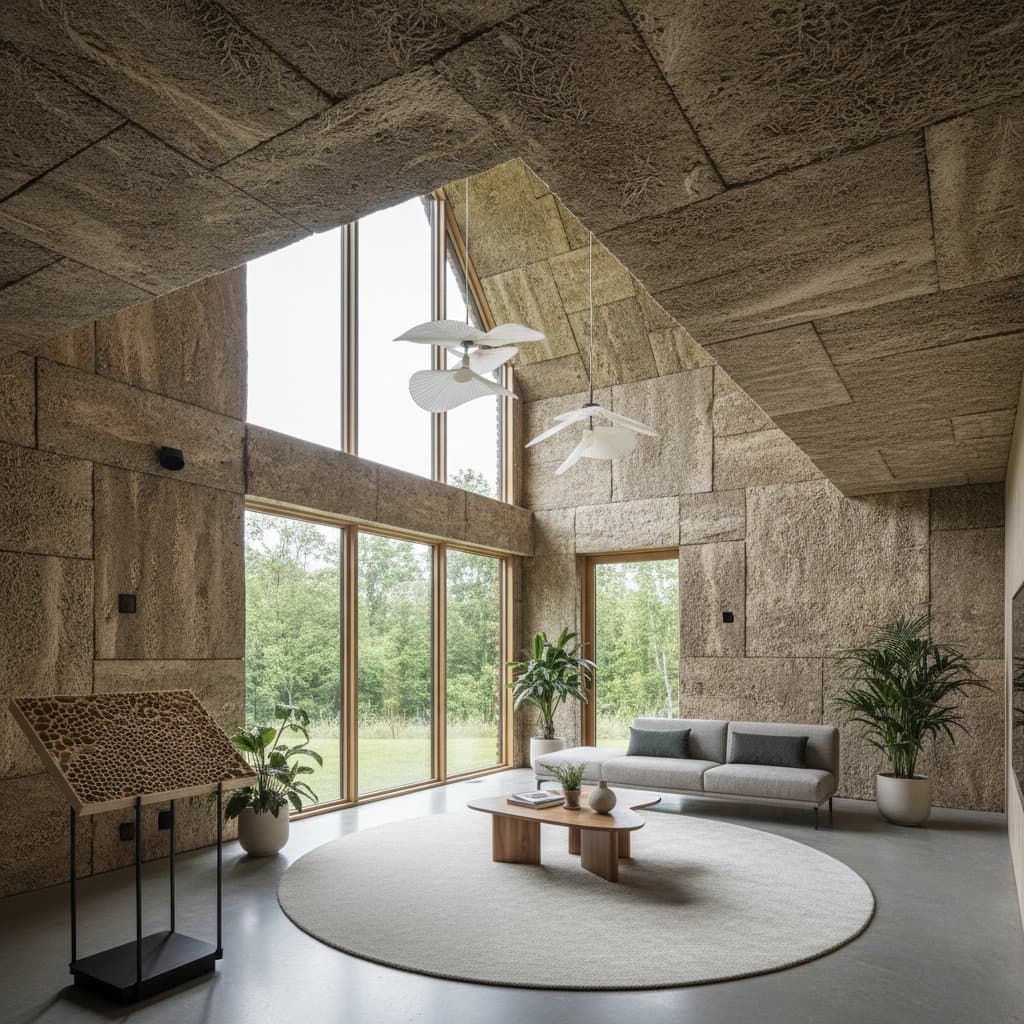
Hempcrete Walls That Remove Carbon While Insulating

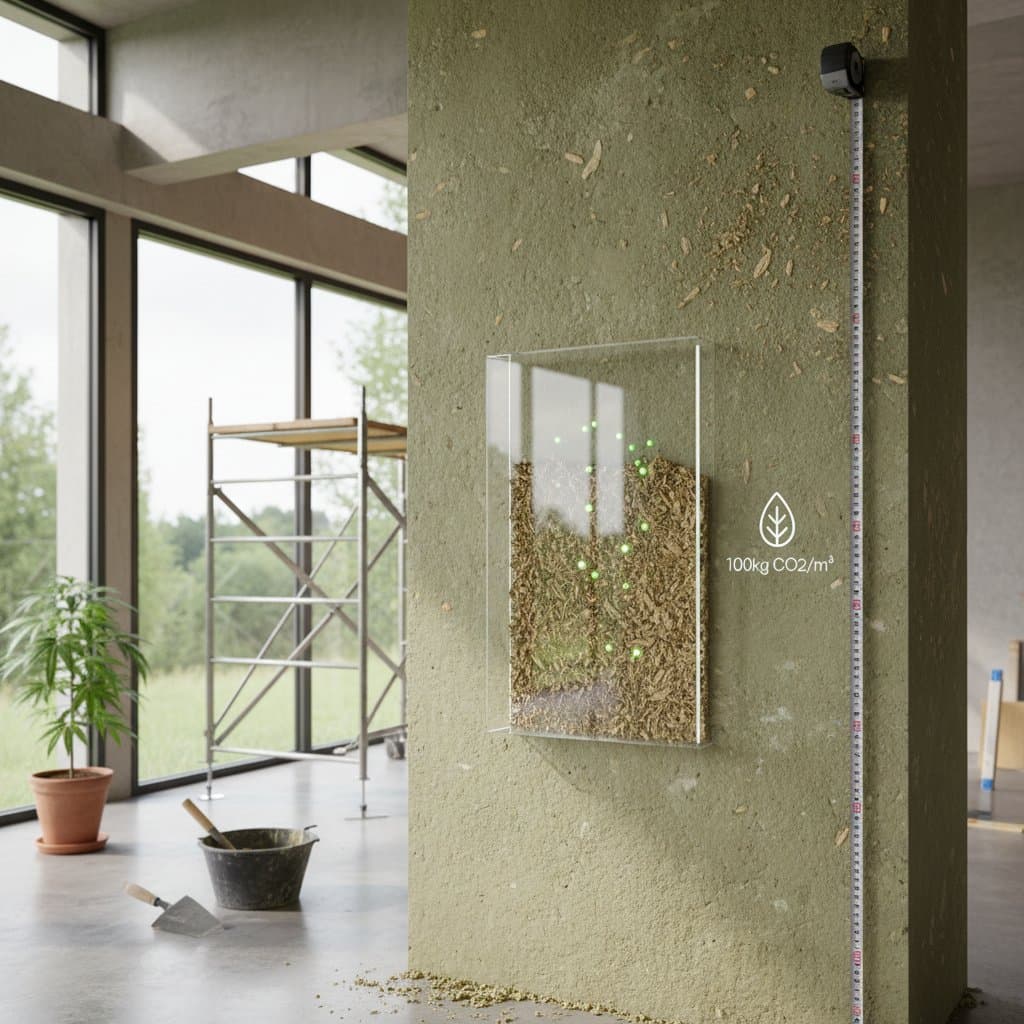
Hempcrete transforms sustainable building in 2026 by blending hemp, lime, and water into walls that sequester carbon, insulate effectively, control humidity, and endure for generations. Despite elevated startup costs, substantial energy reductions, robustness, and superior indoor air quality yield enduring benefits, positioning hempcrete as essential for green architecture.

5 min read
Featured image for Hemp Insulation Turns Your Walls Into Carbon Vaults

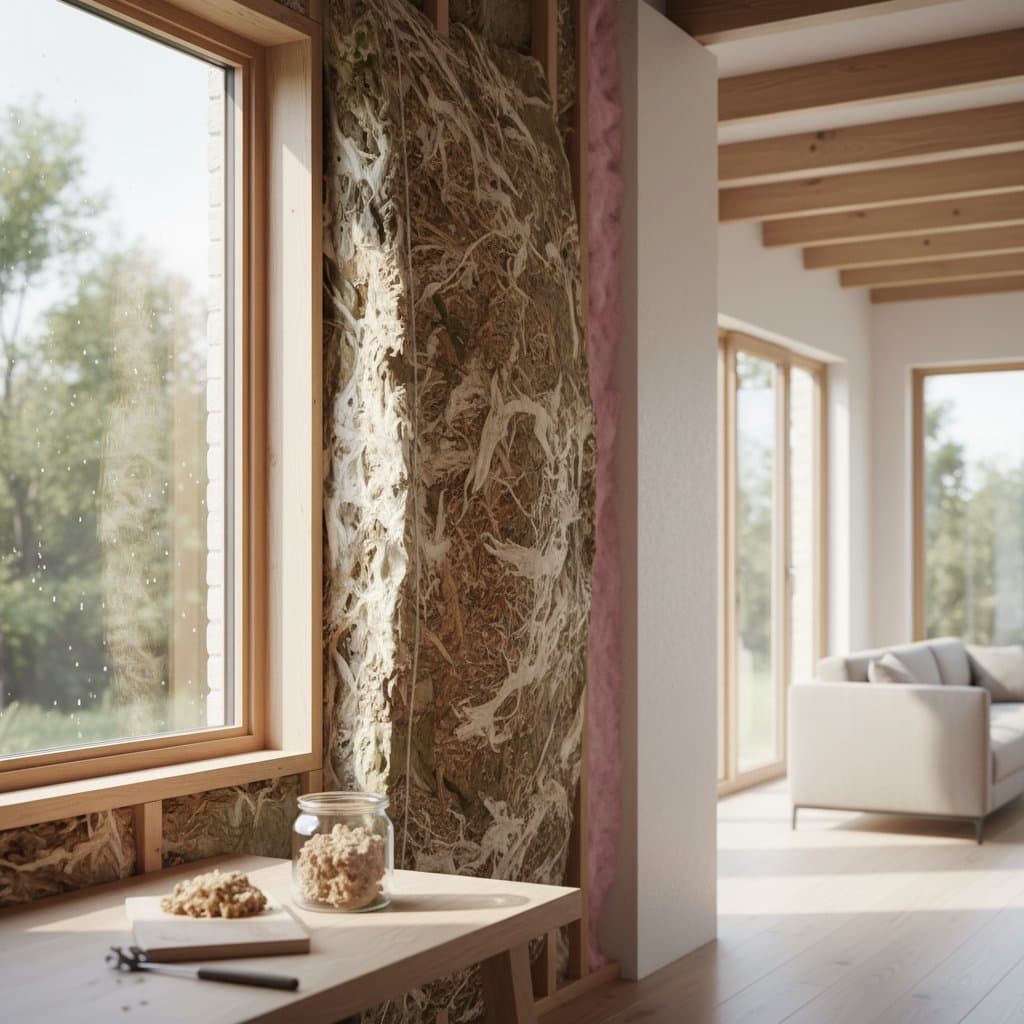
Hemp Insulation Turns Your Walls Into Carbon Vaults

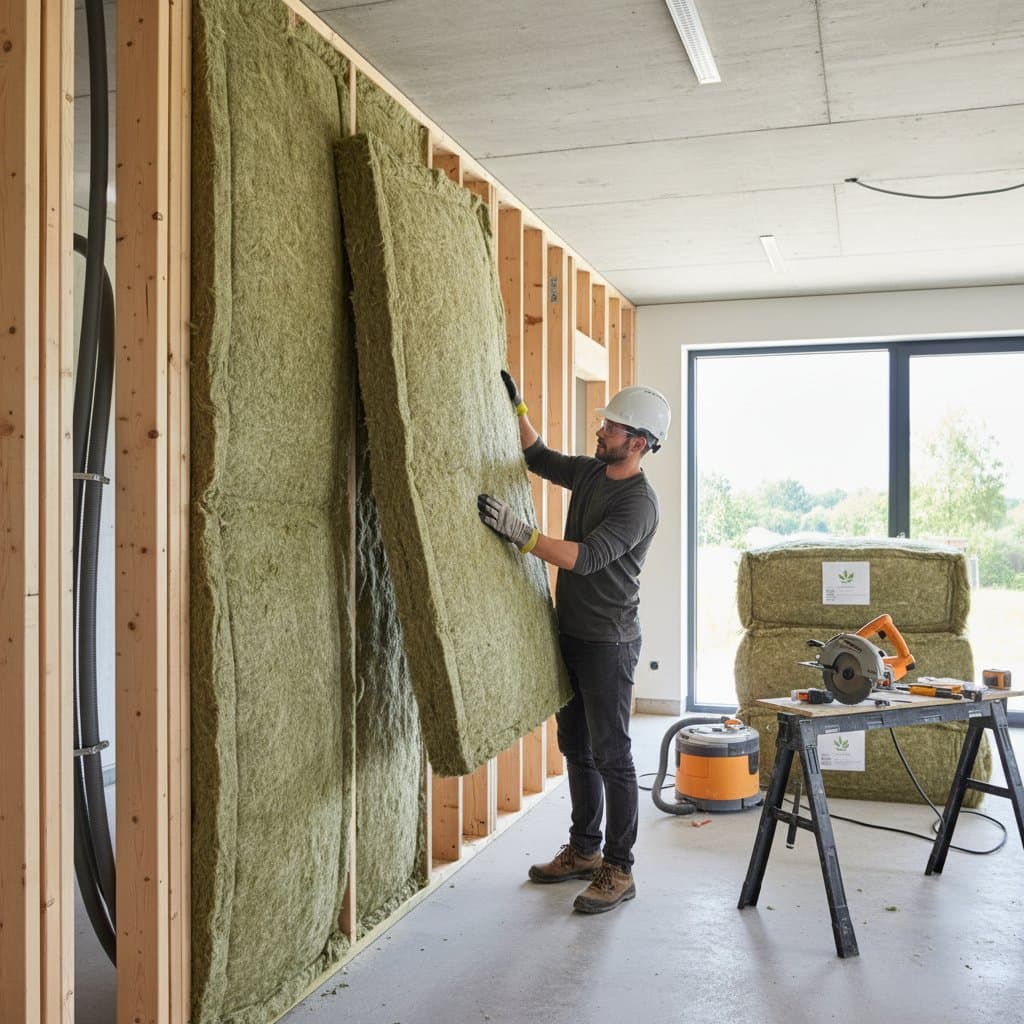
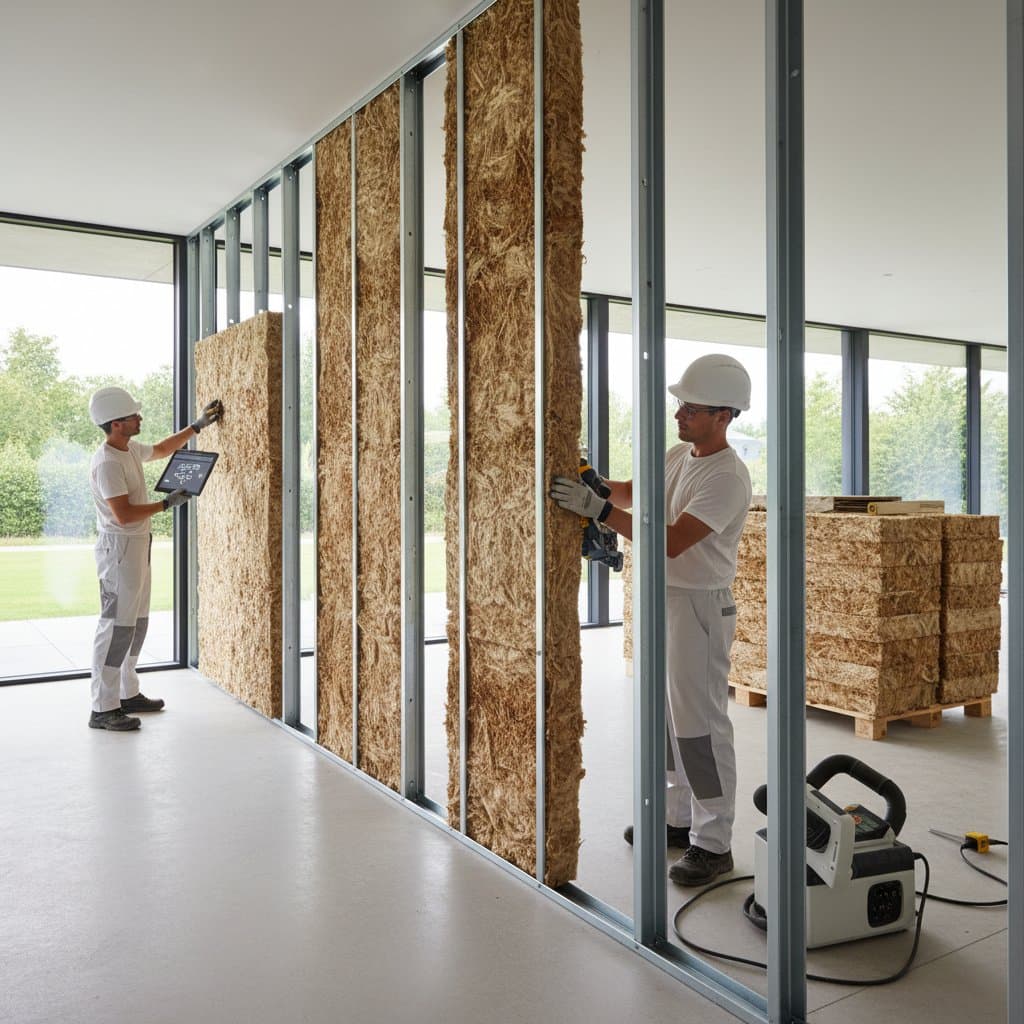
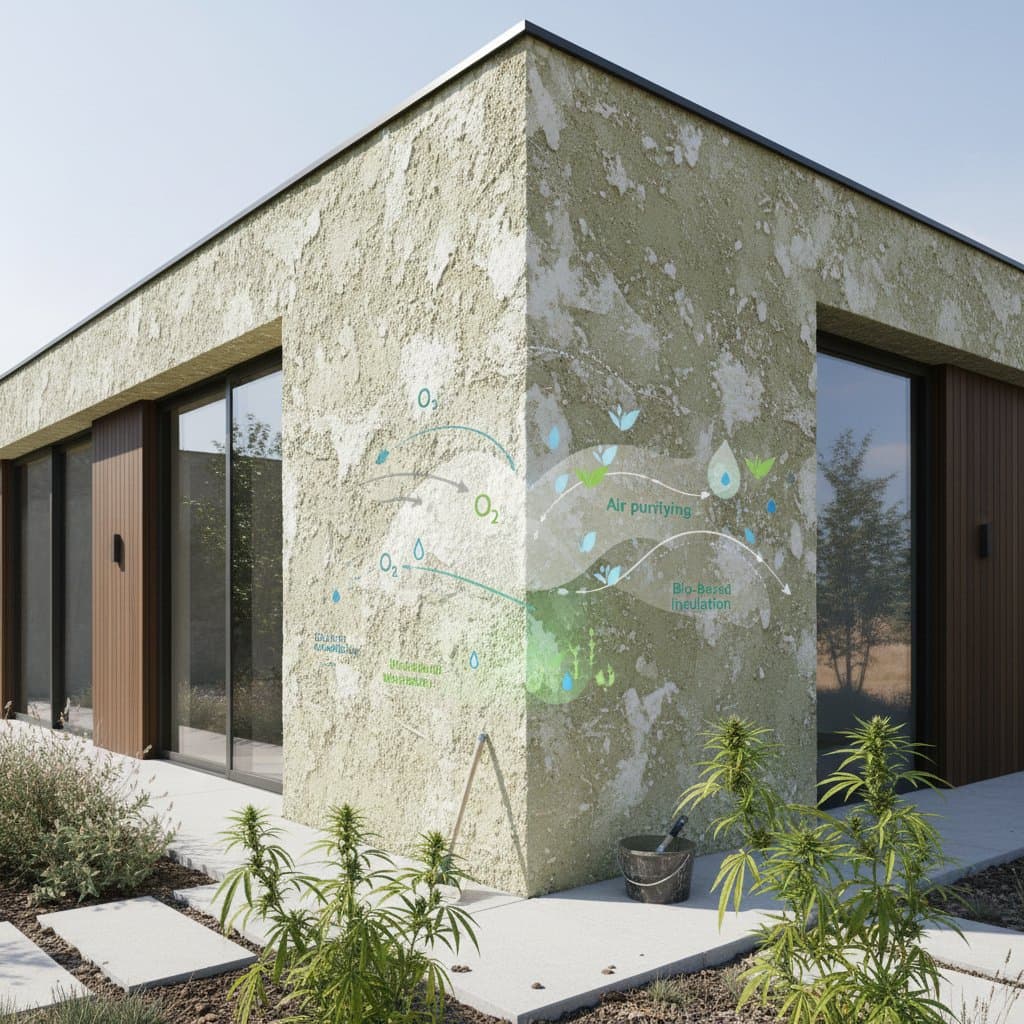
Hemp insulation converts residential walls into effective carbon storage units, delivering superior thermal and acoustic insulation alongside natural air purification. Initial costs exceed conventional options, yet substantial energy reductions, extended durability, and improved well-being justify the investment. Effective installation and humidity management unlock its full potential for emission reductions and enduring sustainability.

5 min read
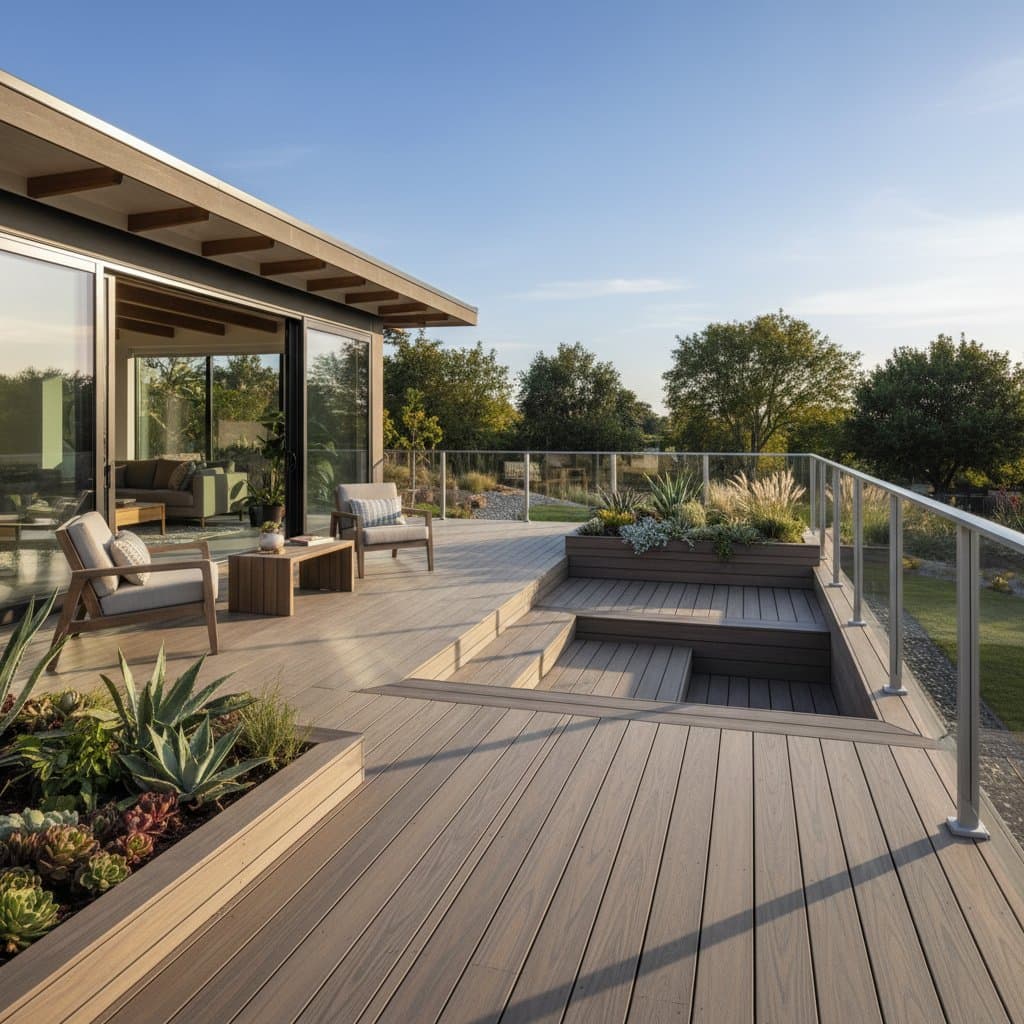
Featured image for Recycled Plastic Decks Last Five Times Longer

Recycled Plastic Decks Last Five Times Longer

In 2026, recycled plastic lumber redefines decking with extraordinary durability, negligible upkeep, and profound environmental impact. Crafted from recycled household plastics, it defies rot, fading, and pests while keeping waste out of landfills. Higher initial costs yield decades of savings and versatile, green design options.

6 min read
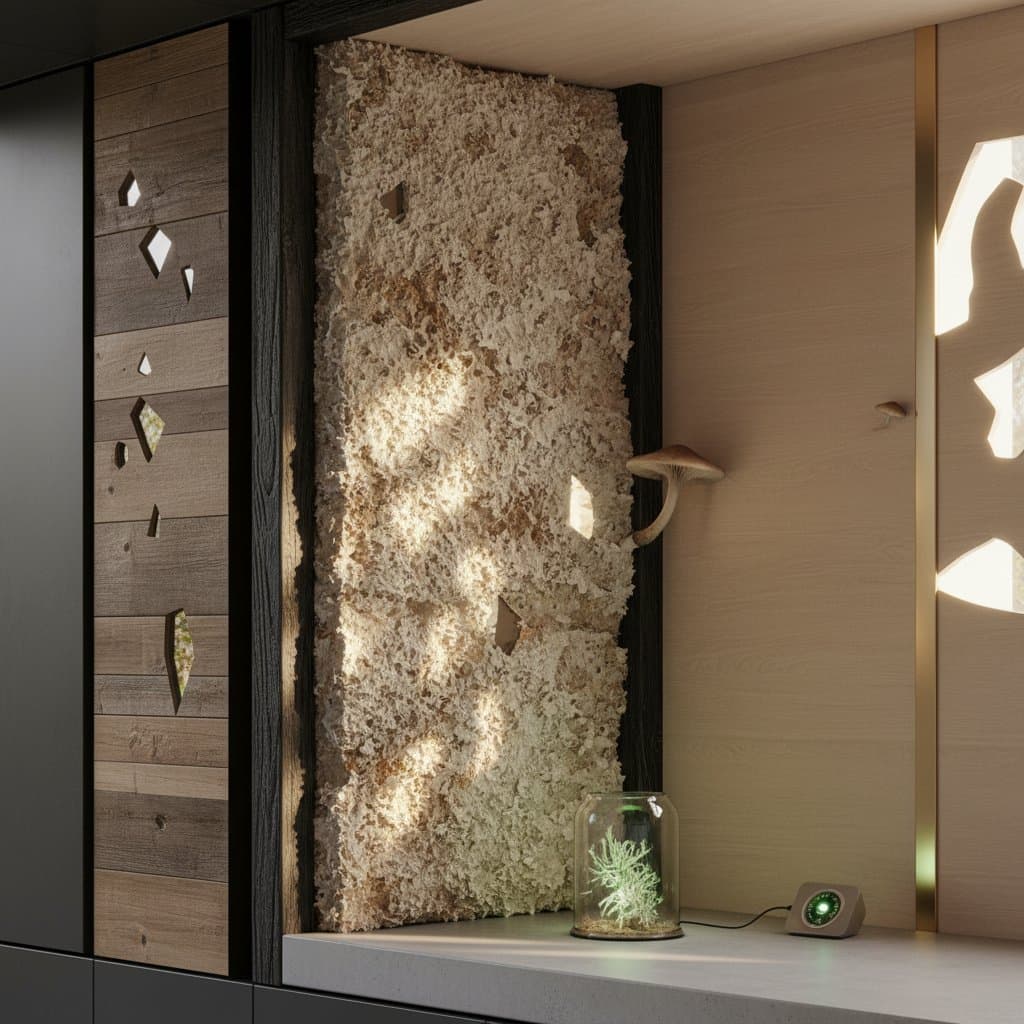
Featured image for Mushroom Insulation Cuts Carbon Without Cutting Comfort

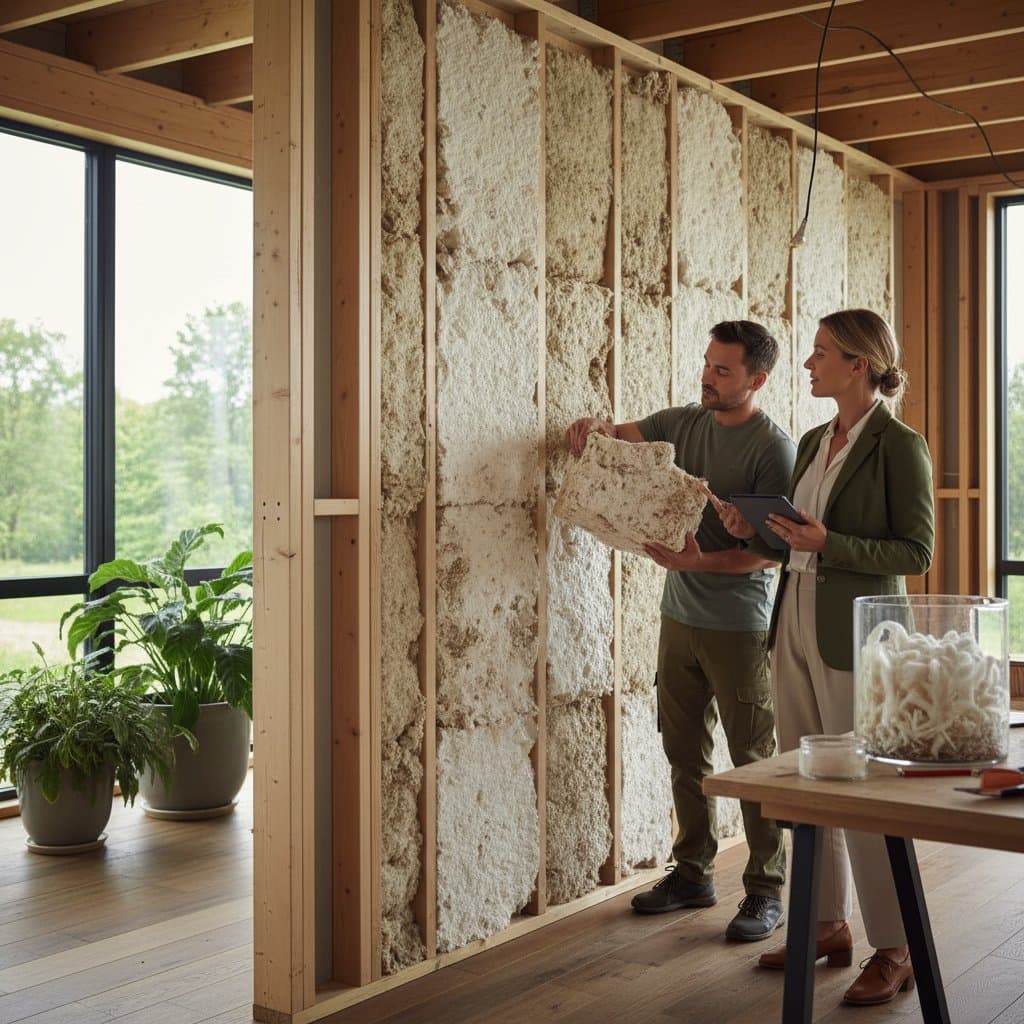
Mushroom Insulation Cuts Carbon Without Cutting Comfort

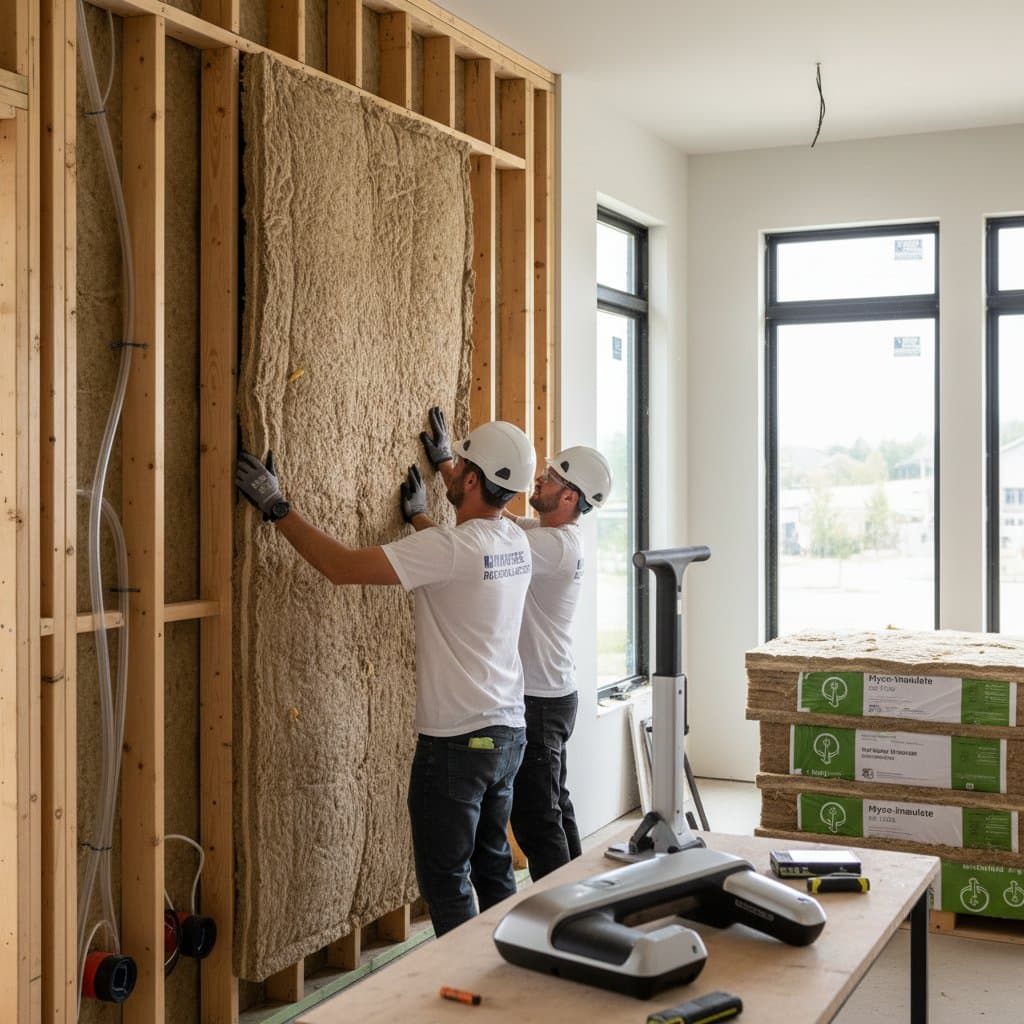
Mycelium insulation revolutionizes sustainable construction by combining fungal growth with organic waste to create efficient, compostable panels. This material matches traditional insulators in performance while minimizing carbon emissions and boosting indoor air quality. Despite a higher initial cost, its durability and environmental benefits provide substantial long-term advantages for eco-friendly homes.

4 min read
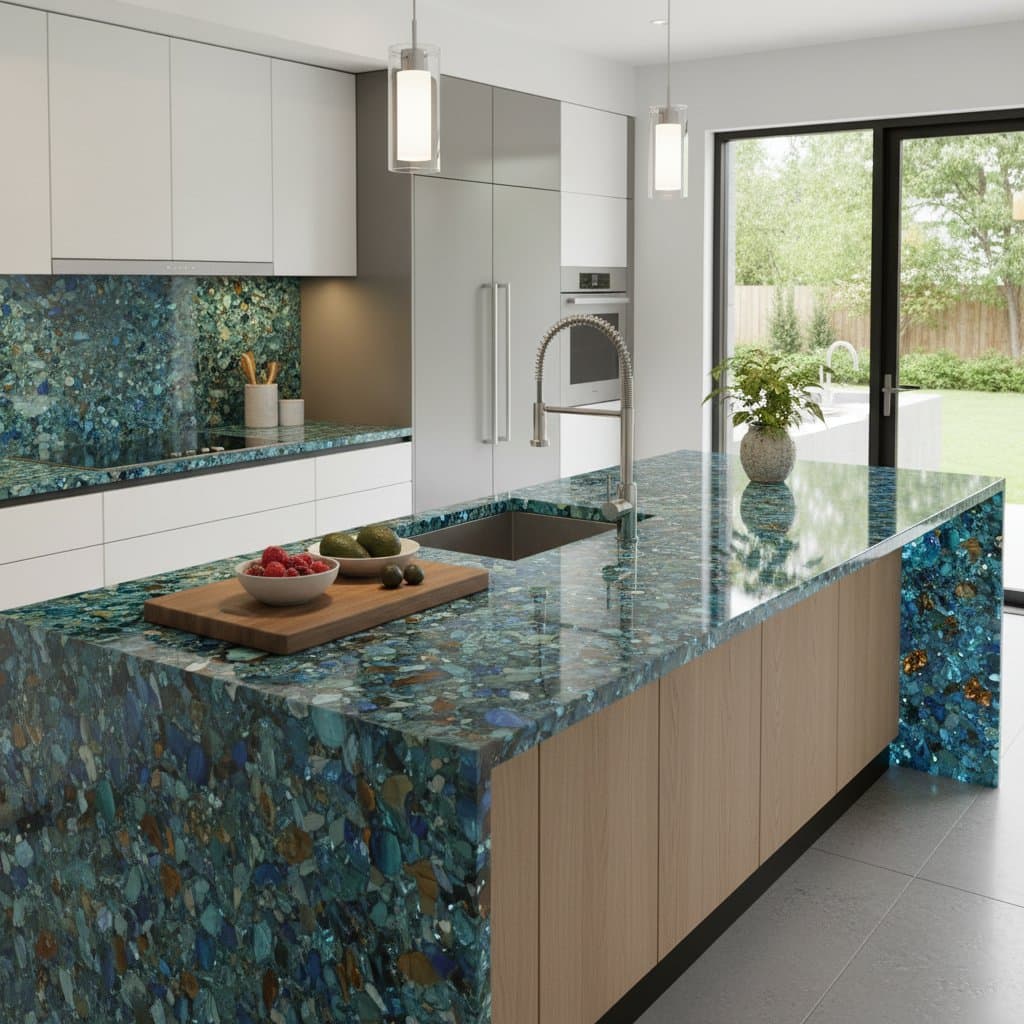
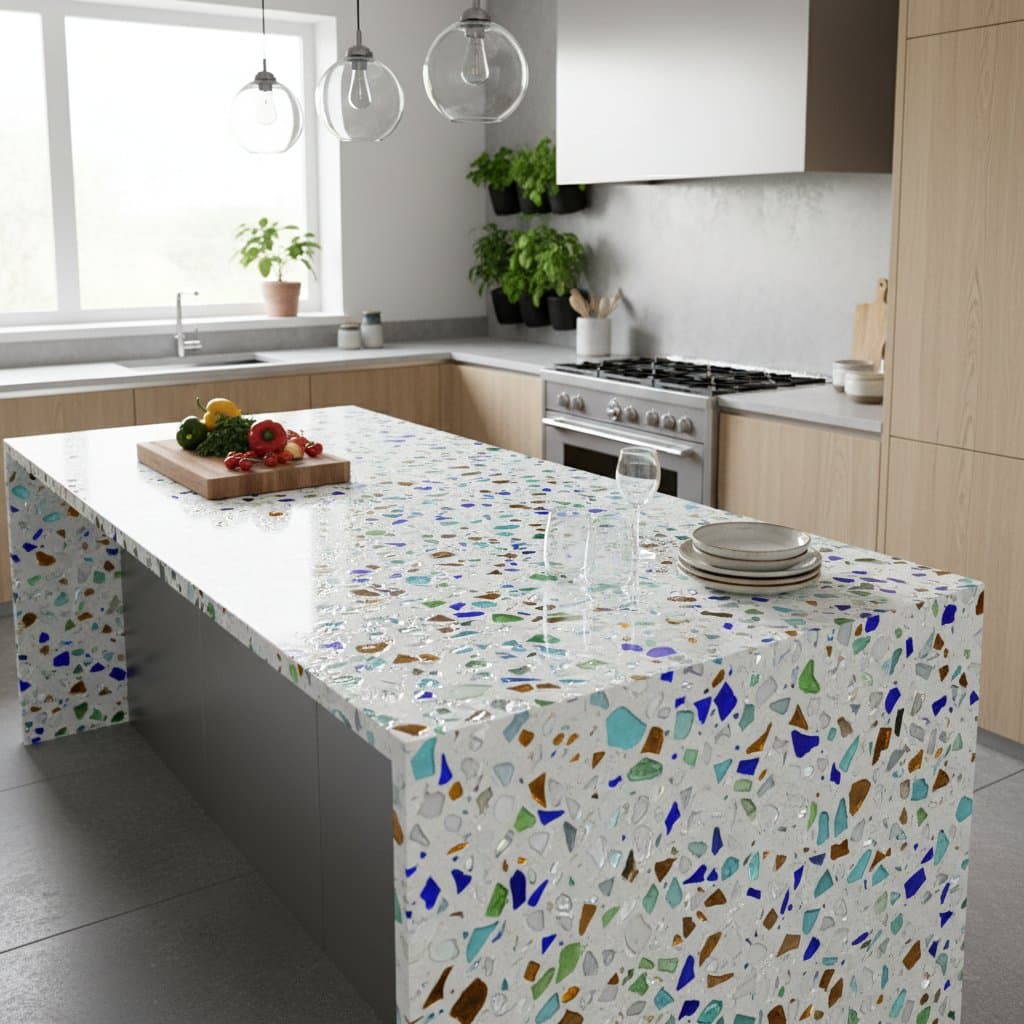
Featured image for Why Recycled Glass Countertops Beat Stone in 2026

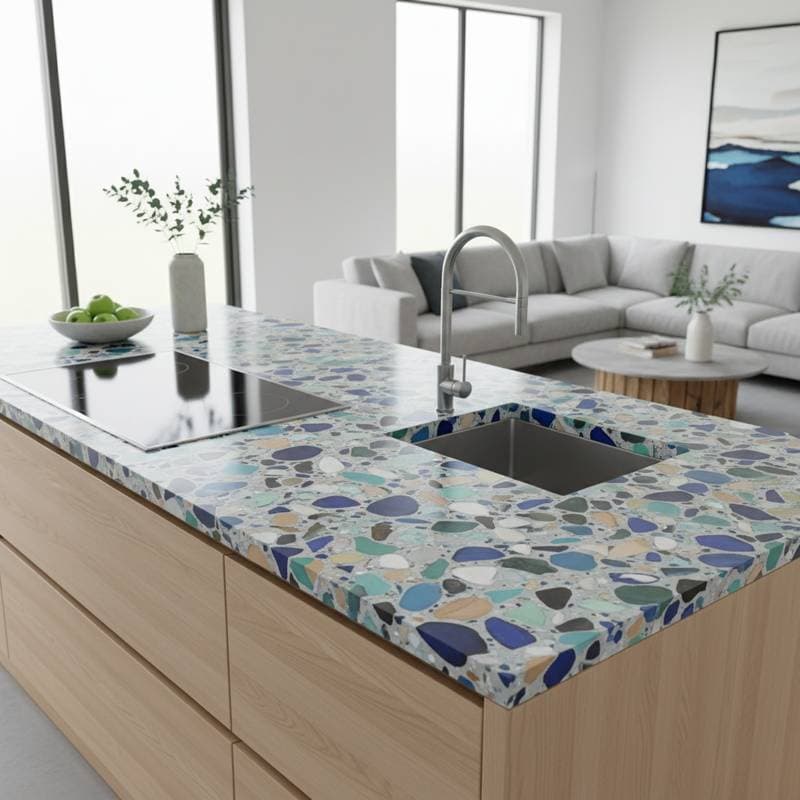
Why Recycled Glass Countertops Beat Stone in 2026

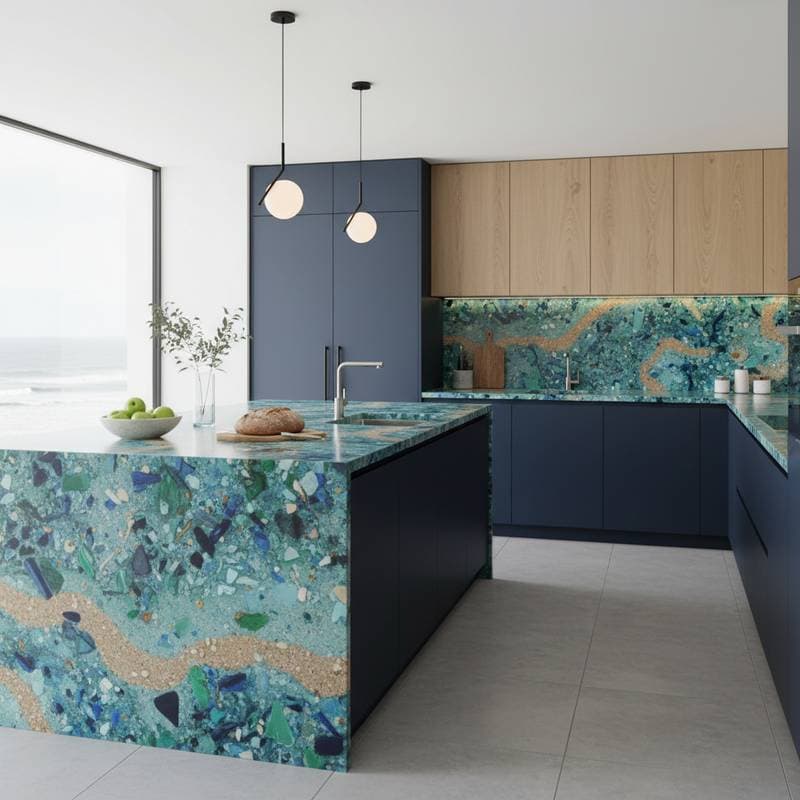
Recycled glass countertops redefine 2026 kitchen designs through their integration of beauty, resilience, and environmental responsibility. Crafted from repurposed glass, these surfaces provide exceptional durability, minimal upkeep, and substantial return on investment, all while minimizing waste and emissions. With diverse style possibilities, they demonstrate that sustainability and luxury integrate effectively in contemporary kitchen aesthetics.

7 min read
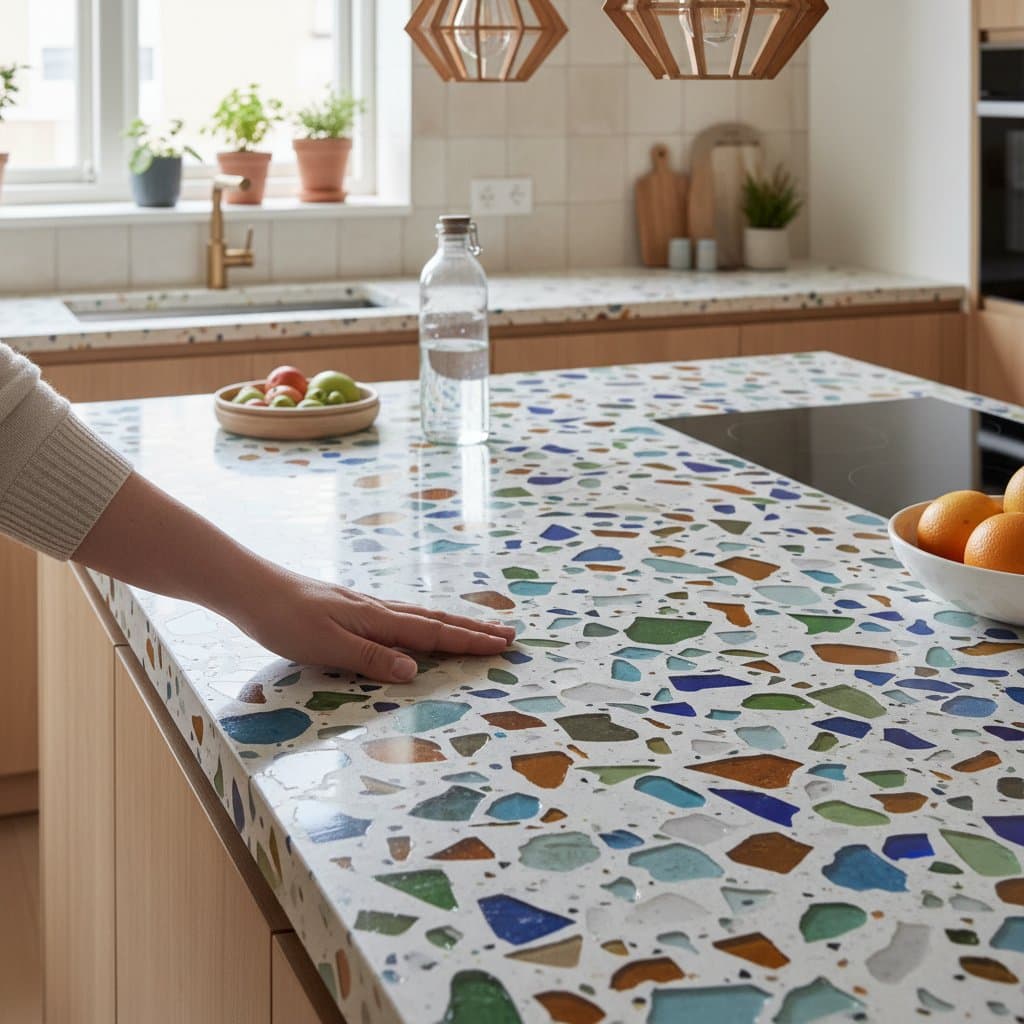
Featured image for Why Recycled Glass Countertops Win on Beauty and Planet

Why Recycled Glass Countertops Win on Beauty and Planet

Recycled glass countertops redefine sustainable kitchen design for 2026, blending luminous beauty with eco-conscious durability. Made from repurposed glass, they reduce landfill waste, support local sourcing, and rival granite in longevity. With low maintenance, versatile aesthetics, and green credibility, they stand out as the choice for homeowners committed to stylish, responsible living.

5 min read
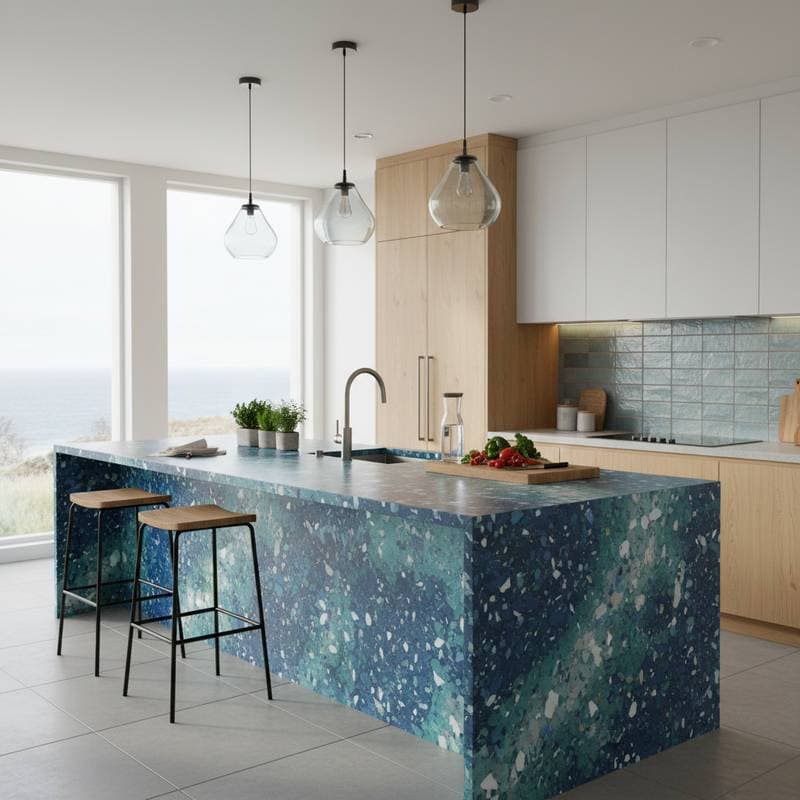
Featured image for Ocean Plastic Countertops Turn Waste Into Style

Ocean Plastic Countertops Turn Waste Into Style

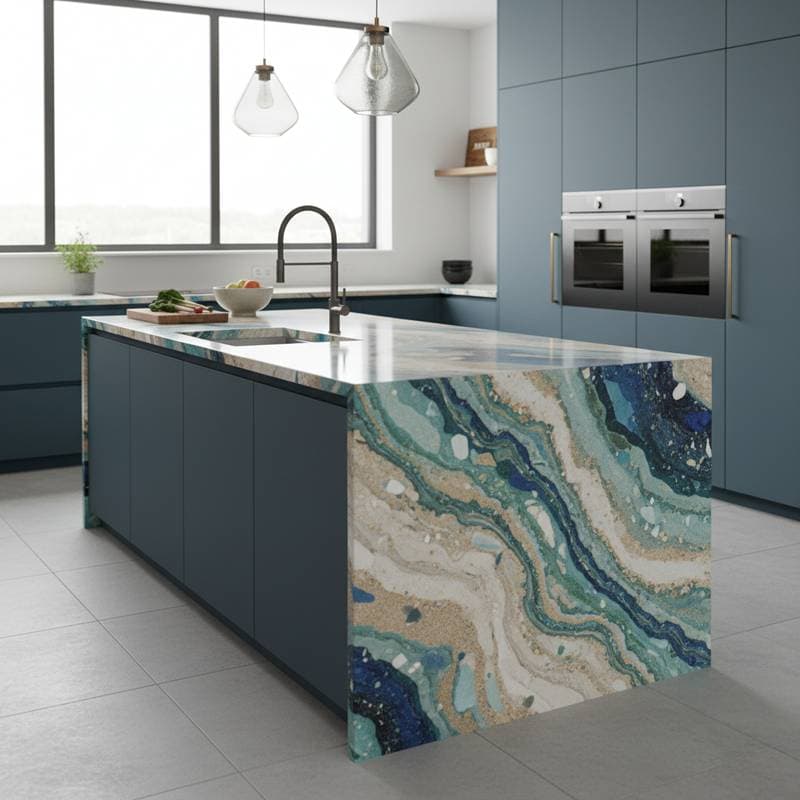
Ocean plastic countertops repurpose marine waste into robust, aesthetically pleasing kitchen features that combine environmental impact with superior performance. Resistant to stains and easy to maintain, they feature distinctive patterns inspired by the sea, boosting home appeal while combating pollution. This guide details their benefits, costs, and design applications for eco-savvy renovations.

6 min read
Featured image for Recycled Plastic Insulation Cuts Costs by 50%

Recycled Plastic Insulation Cuts Costs by 50%

Recycled plastic insulation emerges as a game-changer for 2025 construction, slashing installation costs by up to 50 percent while converting plastic waste into durable, eco-friendly materials. This lightweight, moisture-resistant option matches the performance of traditional insulators, lowers energy use, and supports environmental goals, enabling cost savings and sustainability for builders and homeowners.

5 min read
Featured image for Ocean Waste Becomes Kitchen Luxury in 2025

Ocean Waste Becomes Kitchen Luxury in 2025

Ocean plastic countertops revolutionize sustainable kitchen design in 2025 by combining durability, aesthetic appeal, and ecological benefits. Crafted from recovered marine waste, these surfaces match traditional materials in performance while increasing property value and promoting wellness. With diverse options and efficient production, they convert ocean cleanup efforts into practical, luxurious home features.

5 min read
Featured image for Recycled Decks Cut Maintenance and Landfill Waste

Recycled Decks Cut Maintenance and Landfill Waste

Recycled plastic decking revolutionizes outdoor areas by converting waste into resilient, easy-care surfaces. Despite a higher initial price, these sustainable choices yield substantial savings, elevated property worth, and green credentials. Design options and reduced upkeep demonstrate how luxury and eco-consciousness coexist in contemporary yards.

4 min read
Featured image for Why Recycled Decks Slash Costs and Boost Resale Value

Why Recycled Decks Slash Costs and Boost Resale Value

Recycled and composite decking lead 2025 outdoor trends by merging sustainability, resilience, and elegance. Constructed from up to 95 percent recycled materials, these decks minimize maintenance expenses, withstand environmental stresses, and elevate property values. Advanced innovations in color retention and eco-friendly production position them as essential for contemporary outdoor spaces among homeowners and professionals.

6 min read
Featured image for Mushroom Insulation Grows From Waste Into Walls

Mushroom Insulation Grows From Waste Into Walls

Mushroom insulation, cultivated from mycelium and farm waste, revolutionizes green building in 2025. It matches conventional insulators in R-value while offering biodegradability, non-toxic air quality, and substantial energy cost reductions. As production scales, its design flexibility and investment returns drive a shift toward regenerative construction.

7 min read
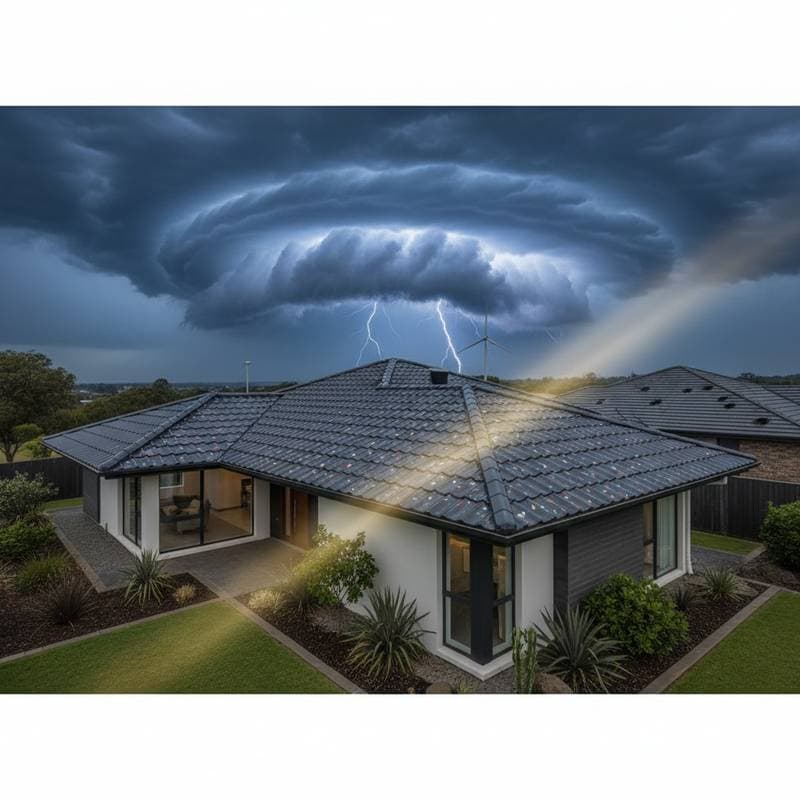
Featured image for Recycled Shingles Cut Waste and Outlast Asphalt

Recycled Shingles Cut Waste and Outlast Asphalt

Recycled shingles transform roofing practices in 2025 by converting plastic and rubber waste into robust, energy-efficient, and weather-resistant options. These materials boast lifespans of up to 50 years, reduce landfill contributions, decrease cooling expenses, and align with green building certifications, delivering homeowners enduring value, cost savings, and environmental benefits.

5 min read
Featured image for Mycelium Insulation Cuts Energy Use 30% in 2025

Mycelium Insulation Cuts Energy Use 30% in 2025

By 2025, mycelium insulation derived from fungi promises to transform sustainable home building. These panels provide superior thermal efficiency, reduce carbon emissions by up to 90 percent, and decompose fully without environmental harm. Fire-resistant, cost-effective, and compostable, they enable comfortable, low-impact residences that align with circular economy principles.

4 min read
Featured image for Mycelium Insulation: Nature's Answer to Green Building

Mycelium Insulation: Nature's Answer to Green Building

Mycelium insulation, derived from mushroom roots, redefines sustainable housing in 2025. This fully biodegradable option delivers robust thermal insulation, inherent fire resistance, and effective moisture management, all while minimizing carbon emissions. Despite a higher initial price, its enduring energy efficiencies, improved indoor air quality, and ethical production position it as an ideal selection for both new constructions and renovations.

4 min read