Key Points
- Hemp insulation sequesters carbon within building structures, thereby diminishing overall carbon emissions.
- It delivers thermal and acoustic insulation levels on par with established synthetic alternatives.
- Initial expenses surpass those of fiberglass or mineral wool, yet energy efficiencies and ecological gains recoup investments over time.
- Hemp-derived products foster superior indoor air quality and lessen dependence on petroleum-derived resources.
- Optimal installation techniques and humidity oversight prove vital for peak efficacy and longevity.
The Hidden Power of a Humble Plant
Envision entering a newly updated residence, where the atmosphere carries no trace of artificial odors from construction elements. The environment feels fresh and organic, reminiscent of a meadow following gentle precipitation. Such an ambiance often stems from hemp insulation, an innovative bio-based solution reshaping perspectives on structural barriers and environmental impact.
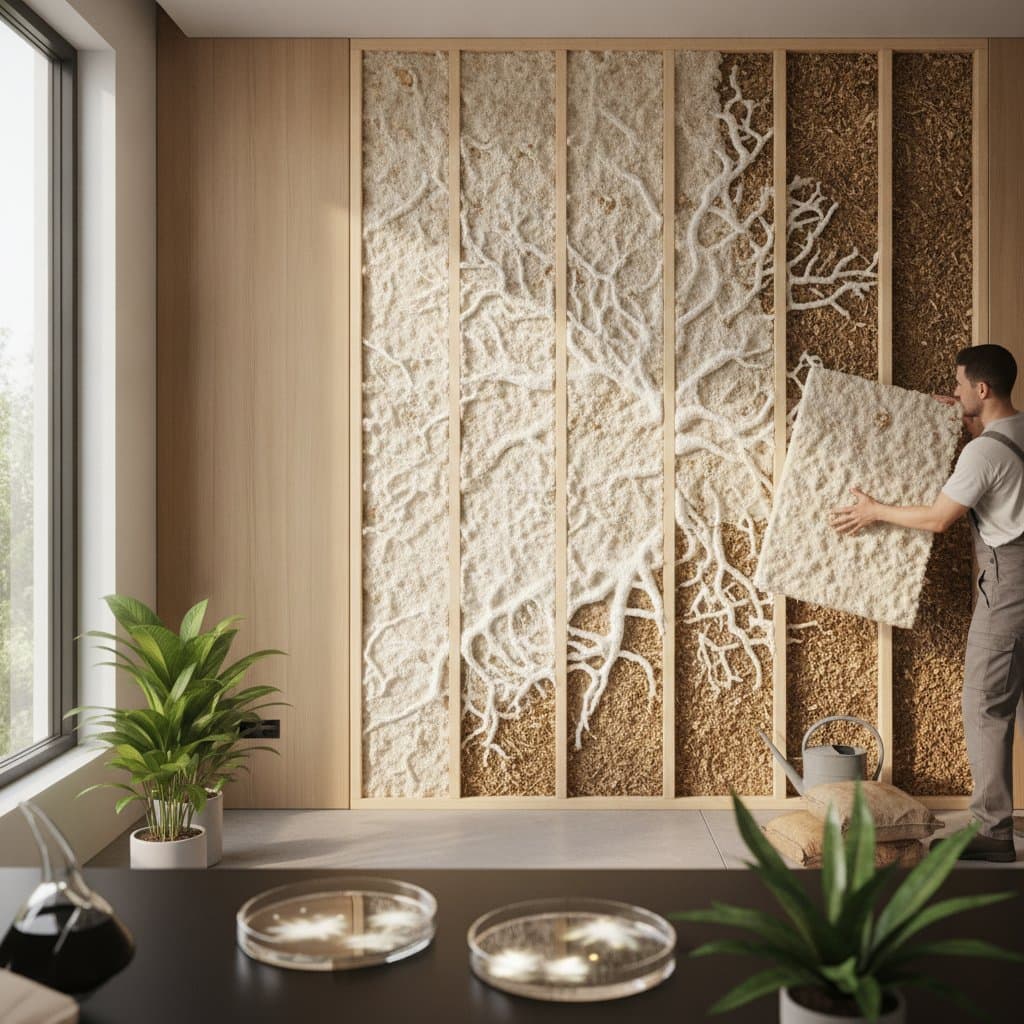
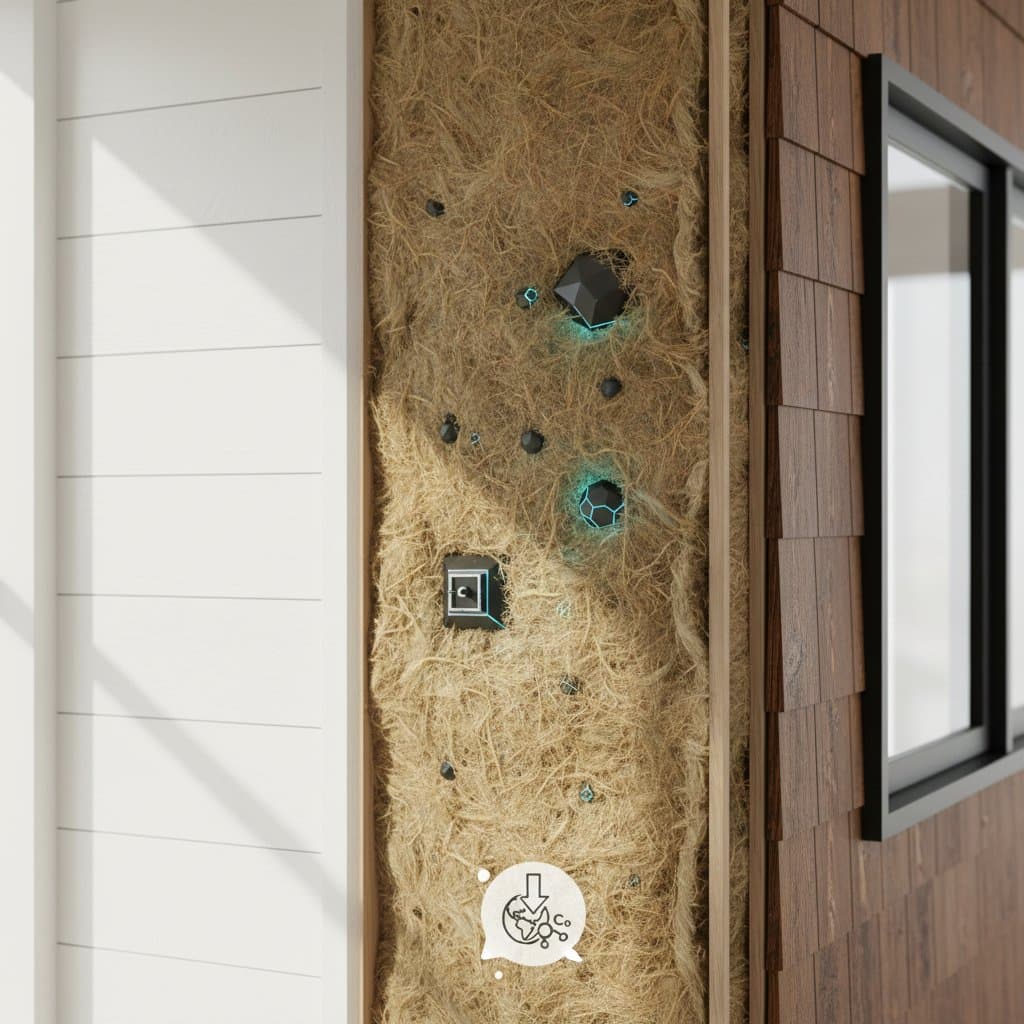
Hemp, derived from industrial cannabis strains, emerges as a key player in green building practices. This plant matures rapidly with limited need for chemical interventions and captures significant carbon dioxide during growth. Upon conversion to insulation, the sequestered carbon persists within the structure for generations, effectively rendering walls as miniature carbon repositories.
Why Hemp Insulation Matters
Conventional insulators like fiberglass, mineral wool, and foam boards depend on petroleum-intensive manufacturing processes. These materials demand substantial energy inputs and emit greenhouse gases across their existence. Hemp insulation reverses this dynamic by actively withdrawing carbon from the cycle.
The economic advantages prove equally persuasive. Residences with enhanced energy performance attract premium market values, and hemp insulation supports lower running expenses alongside greater occupant satisfaction. It acts as a temperature stabilizer, preserving warmth during cold seasons and coolness in heat, which benefits budget-conscious families aiming to curb both expenditures and ecological harm.
Key Considerations for Planning
Prospective adopters of hemp insulation benefit from reviewing essential factors prior to commencement:
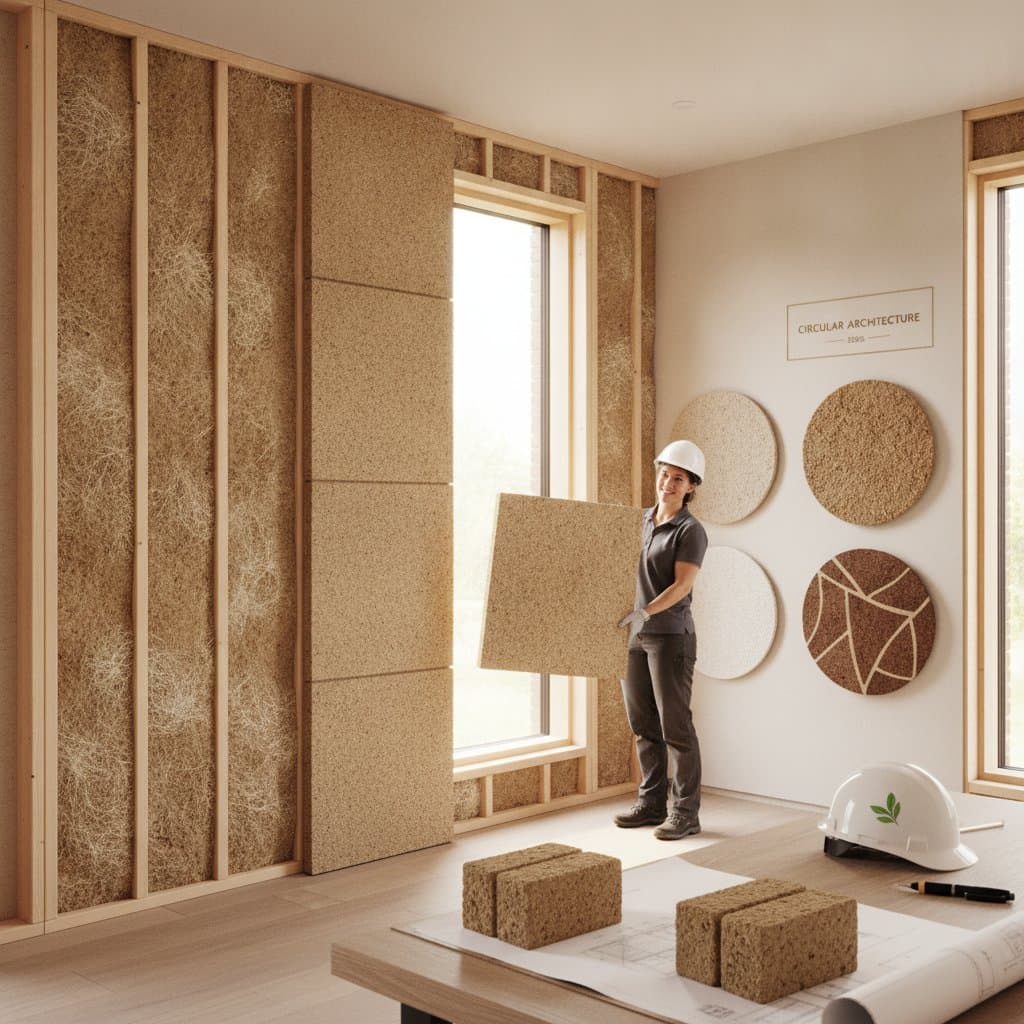
- Material Configurations: Options include batts for framing in walls and ceilings, loose-fill applications for overhead spaces, and rigid boards for exterior enhancements.
- Humidity Regulation: The material's inherent permeability aids in moisture balance, yet integration with vapor-open barriers averts moisture accumulation.
- Application Expertise: Handling exceeds that of irritating fiberglass, but secure placement without voids demands precision; expert labor guarantees adherence to standards.
- Regulatory Compliance: Bio-insulants generally qualify under prevailing codes, though verification of fire ratings and insulation thresholds remains necessary across regions.
Thoughtful preparation enables smooth incorporation into fresh constructions or existing edifices.
Cost Breakdown and ROI Analysis
Hemp insulation commands a 20 to 50 percent premium over fiberglass or mineral wool equivalents. For an average household, outlays range from several thousand dollars based on required depth and surface extent. This elevated entry point appears daunting initially, but extended evaluations reveal favorable outcomes.
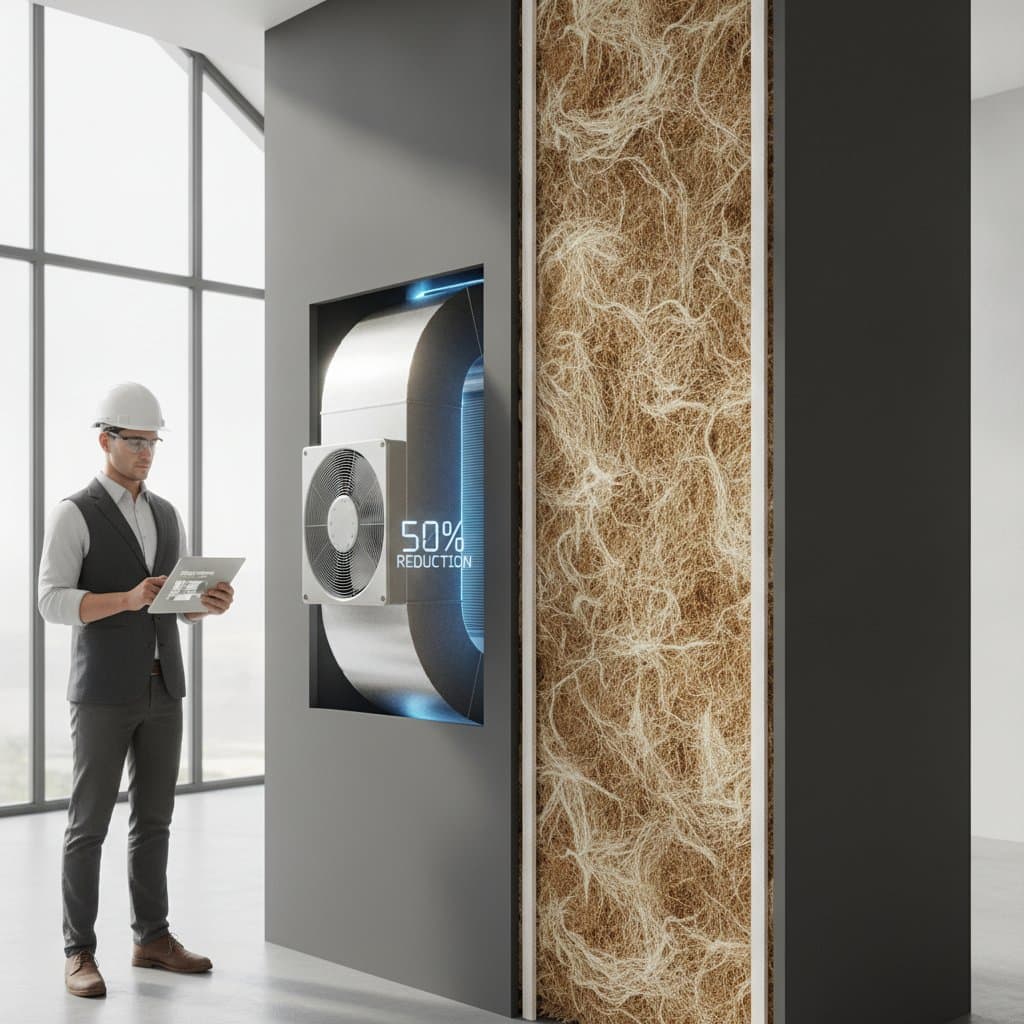
Stable insulation properties yield 10 to 25 percent reductions in heating and cooling demands relative to baseline materials. Across a structure's standard 50-year duration, accumulated efficiencies cover the premium entirely. Factoring in elevated property appraisals and minimal upkeep, returns often exceed initial capital by twofold or greater.
Environmentally, hemp insulation aligns with carbon offset mechanisms in select areas. Beyond financial incentives, each square meter embeds multiple kilograms of CO2, tangibly lessening project emissions and advancing broader climate objectives.
Design and Layout Ideas
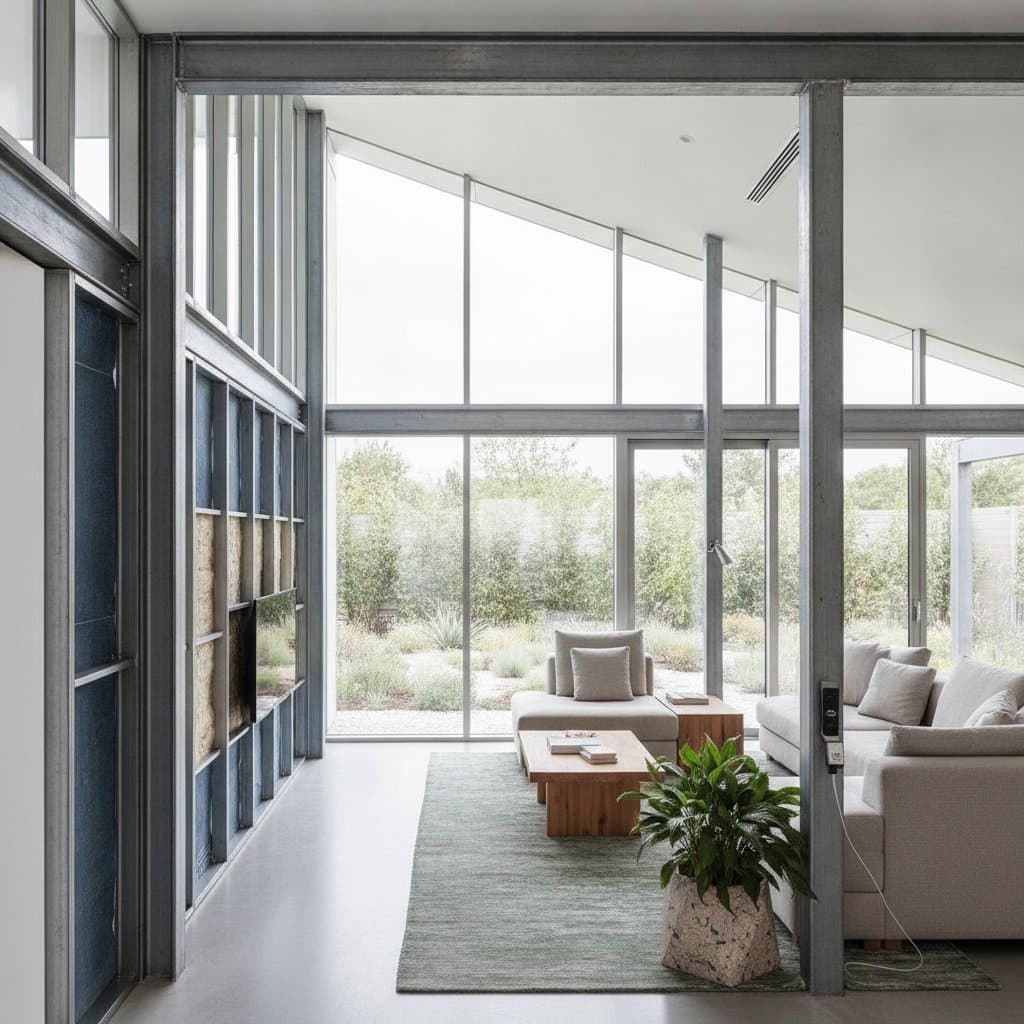
Hemp insulation complements complementary organic elements seamlessly. Pair it with lime renders, salvaged timber, or earthen coatings to yield responsive interior surfaces. Such pairings elevate air purity by excluding volatile emissions common in processed finishes.
In contemporary designs, hemp boards fit neatly beneath gypsum panels or within prefabricated assemblies for future modifications. For heritage properties, blown-in hemp fills irregular attic voids or joist spaces where rigid forms falter. This adaptability accommodates architectural variances without compromise.
Sustainable Features and Efficiency Gains
Beyond carbon sequestration, hemp insulation provides multifaceted superiorities:
- Thermal Performance: Achieves R-values akin to mineral wool, with reliability across moisture fluctuations.
- Acoustic Control: Dense fibers attenuate sound transmission, fostering quieter interiors.
- Fire Safety: Mineral-treated variants satisfy mandated resistance criteria.
- Longevity: Inherent breathability resists fungal growth and vermin, owing to sparse organic appeal.
- Wellness Advantages: Absence of synthetics minimizes airborne irritants and allergens.
These attributes position hemp insulation as a foundational element in robust, eco-aligned architecture.
Frequently Asked Questions
Is hemp insulation suitable for allergy sufferers?
Yes. Unlike fiberglass, it avoids skin irritation and emits no toxic particulates or vapors.
How does it fare in moist or marine environments?
Hemp manages vapor exchange intrinsically. Paired with adequate airflow and permeable barriers, it sustains integrity in damp locales.
Is self-installation feasible for hemp insulation?
Homeowners can manage open areas such as lofts or minor partitions. Professionals, however, secure optimal seals and regulatory alignment.
Does hemp insulation draw insects or rodents?
No. Its fibrous composition offers scant sustenance, with additives providing further deterrence.
Which certifications merit attention?
Prioritize endorsements from accredited bodies attesting to reduced energy footprints, toxin-free profiles, and supply chain transparency.
Steps to Integrate Hemp Insulation
Adopting hemp insulation elevates beyond mere thermal upgrades; it commits to diminished atmospheric burdens. Begin with an audit of current insulation gaps, targeting zones of maximal heat escape through infrared scans or blower door tests.
Consult certified suppliers for material selections matched to climate and structure type. Engage builders versed in bio-materials to navigate permits and execution. Track post-installation metrics like utility reductions to quantify gains, reinforcing the shift toward regenerative habitats.