Why Homeowners Are Switching from Gas to Electric
Homeowners across the nation increasingly choose electric systems over gas appliances. This shift stems from desires to lower energy expenses, enhance indoor comfort, and contribute to cleaner air. In 2025, advancements in technology and available incentives make the transition more accessible than ever.
Electric options such as heat pumps and induction cooktops offer superior efficiency compared to traditional gas systems. These upgrades not only reduce reliance on fossil fuels but also align with broader sustainability goals. As utility rates for gas continue to rise, the financial case for electrification strengthens.
Key Benefits of Electrification
Electrification transforms daily living in subtle yet profound ways. Homeowners report noticeable improvements in air quality due to the elimination of combustion byproducts from gas appliances. Electric systems produce no indoor emissions, fostering healthier environments especially for families with respiratory concerns.
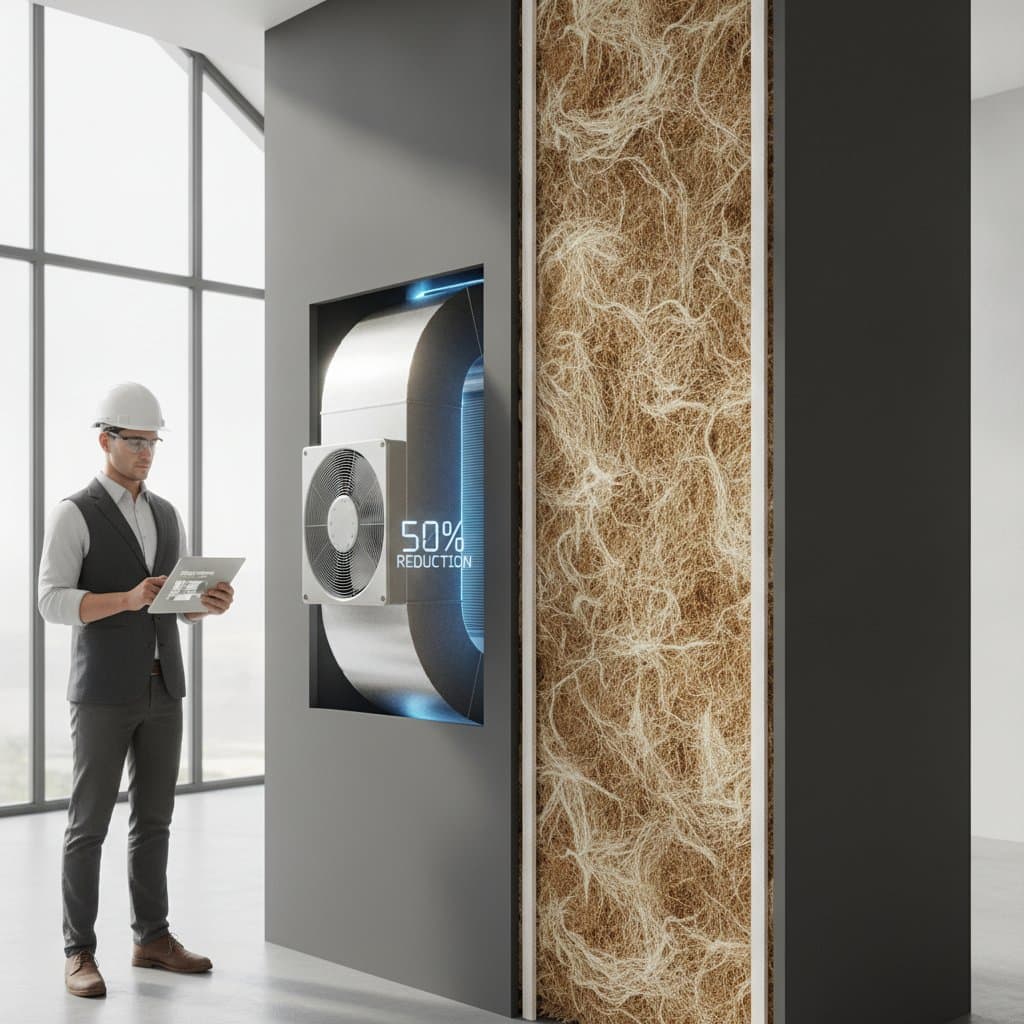
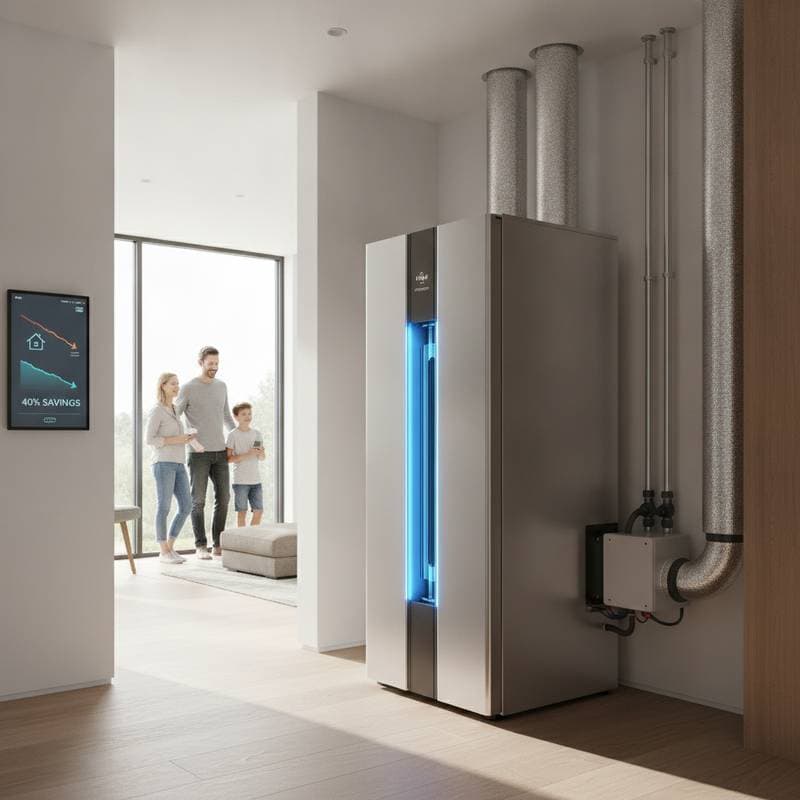
Energy efficiency stands out as a primary advantage. Heat pumps, for instance, transfer heat rather than generate it, achieving efficiencies that surpass gas furnaces by significant margins. This efficiency translates to lower monthly bills over time.
Integration with renewable energy sources amplifies these benefits. Pairing electric appliances with solar panels allows homeowners to generate their own power, further reducing costs and carbon footprints. Many regions now offer rebates that offset initial investments, accelerating the return on these upgrades.
Investment and Savings Breakdown
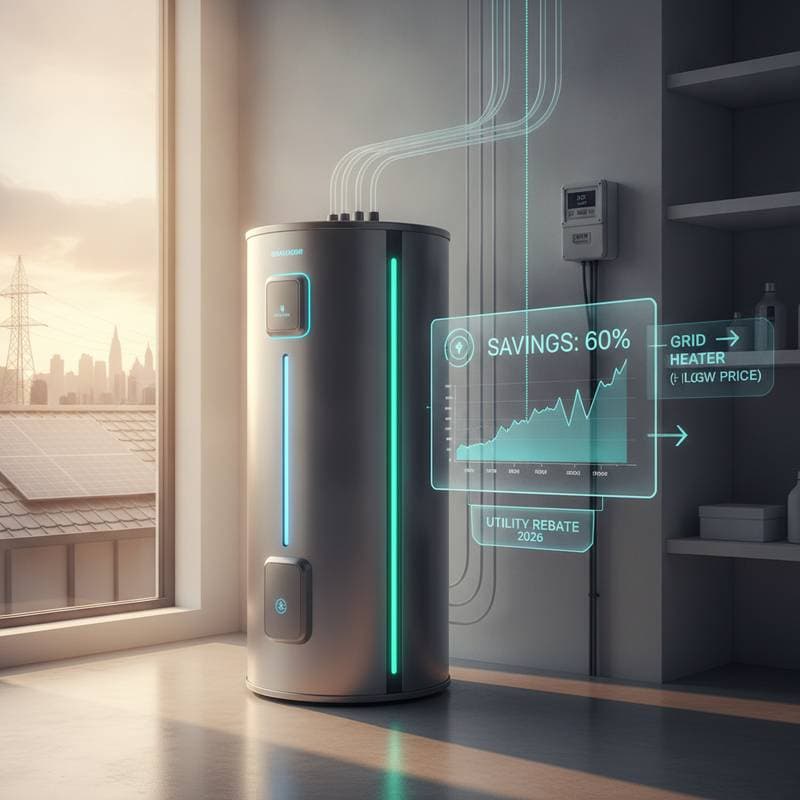
Upfront costs for electric upgrades vary by system and home size. Consider a heat pump water heater, which typically installs for $1,500 to $3,000. This unit reduces water heating expenses by up to 65 percent through advanced heat transfer technology.
Factor in federal and state rebates, potential solar pairings, and escalating gas prices. Homeowners often recoup their investment in five to eight years. Beyond that period, ongoing savings accumulate, with minimal maintenance requirements keeping long-term ownership affordable.
Induction cooktops provide another compelling example. These range from $1,000 to $4,000 installed and heat cookware directly, eliminating energy waste. Cooking times shorten, and cleanup simplifies due to the flat, cool surface.
Electric heat pumps for space heating and cooling install between $4,000 and $8,000, depending on capacity. They deliver consistent temperatures year-round, often outperforming gas in both efficiency and comfort.
Common Myths About Going Electric
Misconceptions frequently deter potential adopters. Addressing these concerns reveals the practicality of electric systems.
Myth 1: Electric cooking lacks sufficient power. Induction technology responds instantly to adjustments, boiling water faster than gas in controlled tests. Precision control enhances searing and simmering tasks.
Myth 2: Heat pumps fail in cold climates. Contemporary models designed for low temperatures maintain efficiency down to minus 15 degrees Fahrenheit. Supplemental features ensure reliable performance during harsh winters.
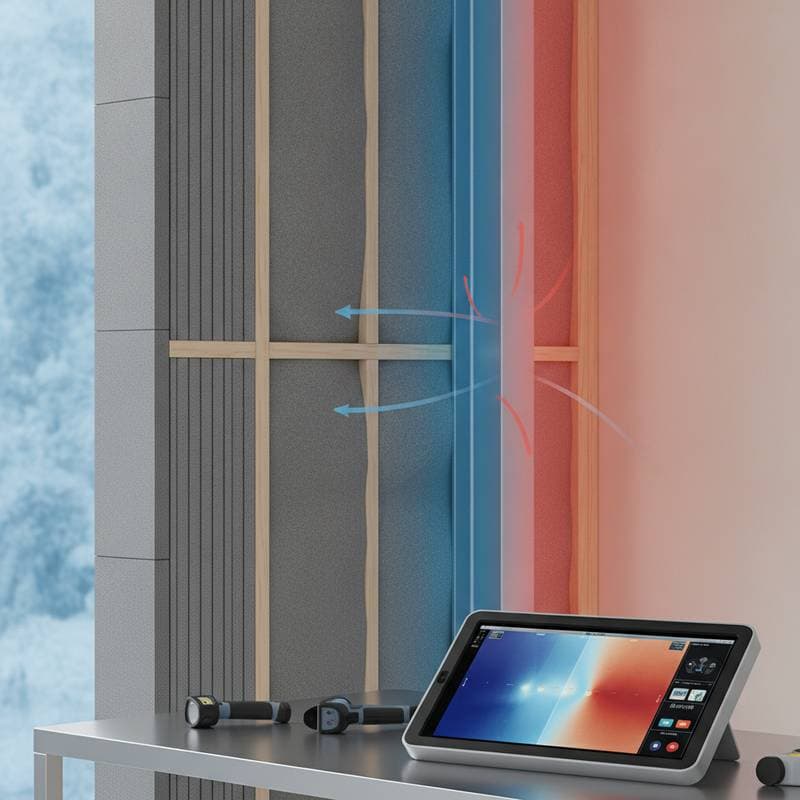
Myth 3: Installation demands extensive renovations. Many conversions occur with limited structural changes. Professionals often complete upgrades in phases, minimizing household disruption.
Myth 4: Electricity proves more expensive than gas. Comprehensive calculations, including system efficiencies and renewable sourcing, demonstrate that electric setups reduce overall energy expenditures. Utility incentives further tip the balance in favor of electrification.
Debunking these myths empowers homeowners to view the switch as a reliable choice rather than a risky venture.
Selecting the Right Professionals
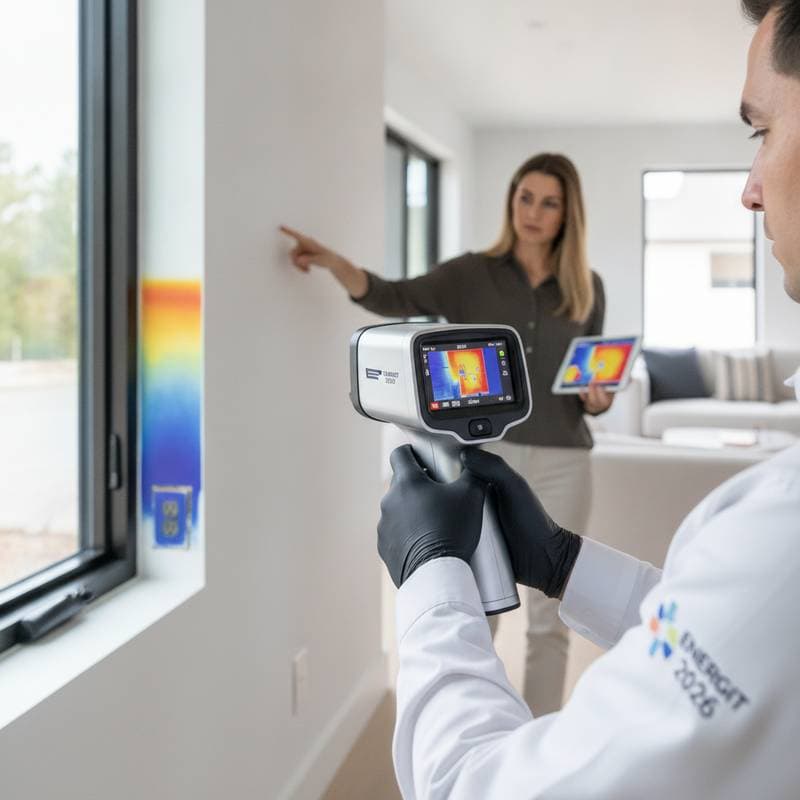
Electrification spans heating, cooking, and electrical systems, necessitating skilled expertise. Engage a licensed HVAC contractor to assess and install heat pumps, ensuring proper sizing for your home's needs.
An electrician evaluates and upgrades your electrical panel to handle increased loads safely. Certified plumbers handle water heater integrations, adhering to plumbing codes.
Green building networks, such as those at itsacoolerplanet.com, link homeowners with local specialists experienced in sustainable projects. Verify credentials like NATE certification for HVAC work or NABCEP for solar components. These professionals streamline rebate applications and coordinate with utilities, easing the process.
Start by scheduling consultations to map out a phased plan. This approach allows budgeting flexibility while building toward a fully electric home.
Frequently Asked Questions
How long does converting a gas home to all-electric take? The process unfolds in stages over one to three years. Individual installations, like a heat pump or induction range, require one to three days with qualified help.
What rebates are available for these upgrades? Federal programs offer up to $2,000 for heat pump water heaters, while state incentives vary. Check local utilities for additional support on efficient appliances.
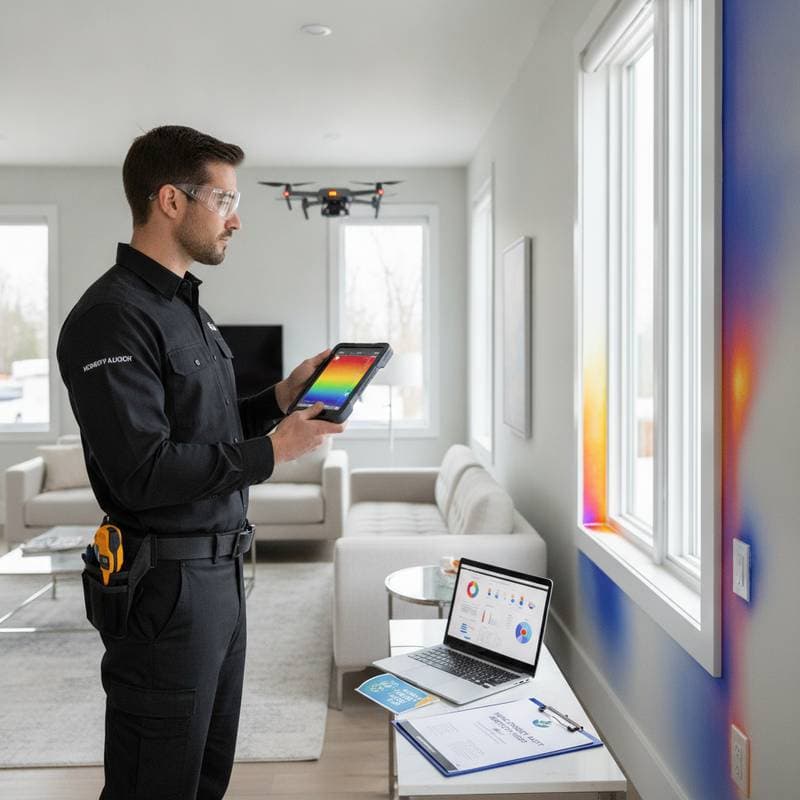
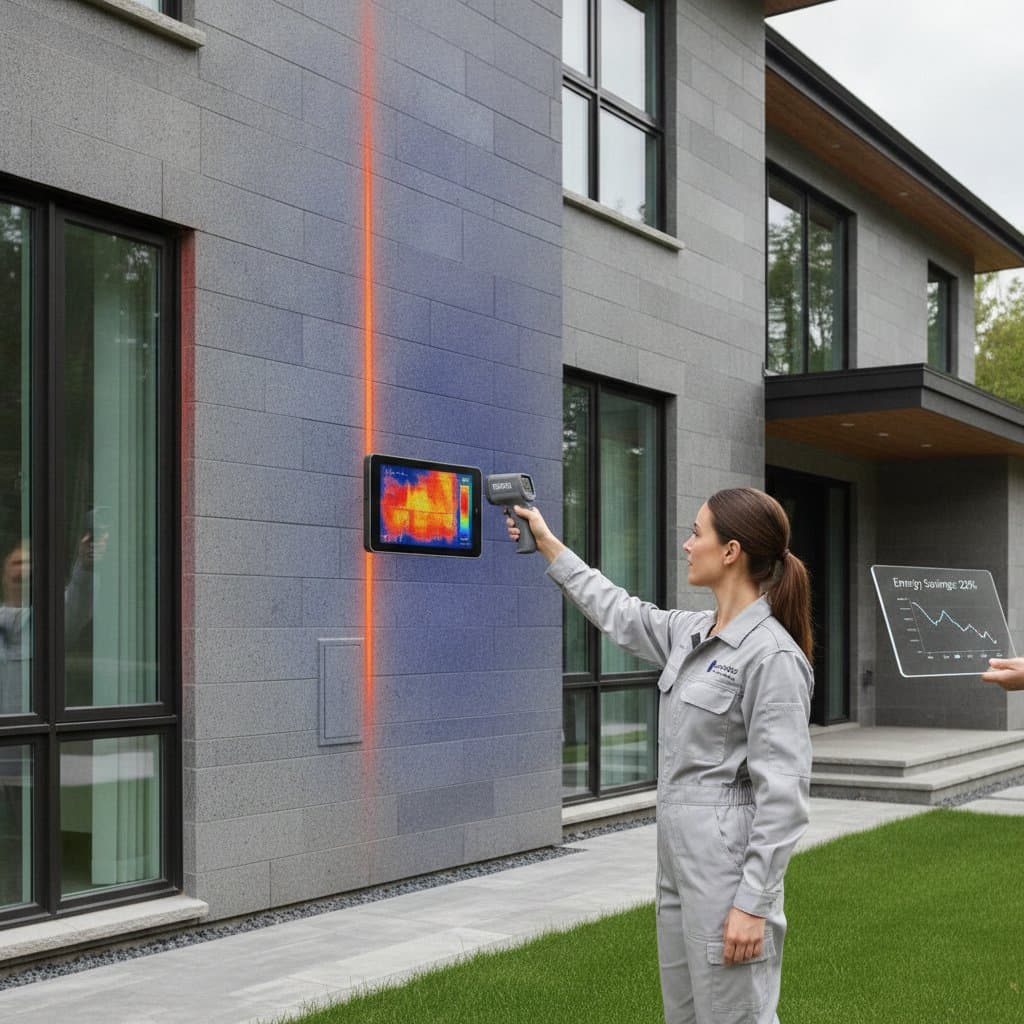
Can older homes accommodate electric systems? Yes, most structures support upgrades with targeted electrical enhancements. A professional audit identifies any necessary adjustments.
How do electric systems impact home value? Properties with efficient electric features often appraise higher, appealing to eco-conscious buyers in competitive markets.
Achieving Sustainable Savings
The move to electric living yields enduring rewards. Homeowners enjoy reduced bills, superior comfort, and a lighter environmental impact. With strategic planning and expert guidance, this transition secures a resilient, future-proof home.
Begin by evaluating your current setup and exploring incentives. The path to electrification not only conserves resources but also enhances quality of life for years ahead.