Cool Roof Retrofit Cuts Attic Cooling Costs in Half
Key Points
- A cool roof retrofit can reduce attic cooling costs by roughly half, depending on climate and building conditions.
- Reflective roofing materials bounce sunlight away rather than absorbing it, which keeps attic spaces cooler and lowers air conditioning demand.
- The upgrade can be integrated with existing insulation systems for maximum efficiency and comfort.
- Long-term savings often outweigh initial installation costs, especially in regions with high cooling loads.
- Proper planning, material selection, and airflow management are essential to achieve full performance benefits.
When Your Attic Feels Like a Sauna
Picture this: you step into your attic on a hot afternoon, and it feels like stepping into a toaster oven. The air is dense, the insulation is radiating heat, and your energy bills climb with every passing hour. That stifling heat does not just make the attic unbearable. It seeps through your ceiling and pushes your air conditioner to its limits.
Here is the surprising fix many homeowners overlook: a cool roof retrofit. It is not just a fancy upgrade for futuristic buildings. It is one of the most practical and cost-effective ways to slash cooling costs, extend roof life, and make your home more comfortable.
Why Cool Roofs Matter
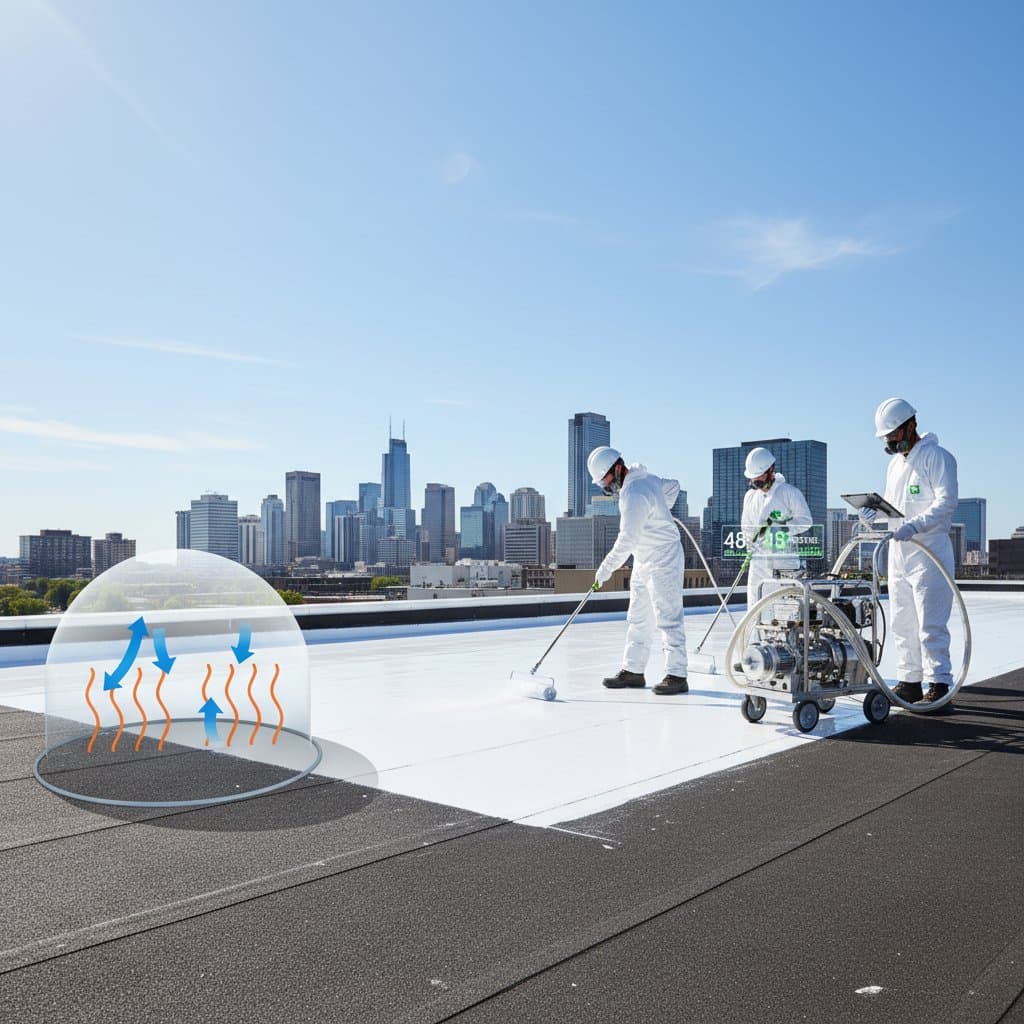
A cool roof is designed to reflect more sunlight and absorb less heat than a standard roof. It achieves this through specialized coatings, tiles, or membranes that have high solar reflectance and thermal emittance ratings. Those terms simply mean how well a material reflects sunlight and releases absorbed heat.
The result is tangible. A traditional dark roof can reach surface temperatures over 150 degrees under direct sun, while a cool roof might stay 50 degrees cooler. That temperature difference directly affects how much heat radiates into your attic and the rest of your home.
The financial impact is real too. Studies across various climates show that homeowners who install cool roofs often reduce attic cooling costs by 40 to 60 percent. That can translate to hundreds of dollars in annual savings, depending on local energy rates and home size.
Key Considerations for Planning
Before jumping into a retrofit, it is worth understanding the key factors that influence performance and cost effectiveness.
-
Roof Type and Condition
The existing roof structure determines what retrofit method works best. Asphalt shingles can be coated with reflective paint or replaced with cool-rated shingles. Metal roofs may need a reflective coating or specialized panels. Flat or low-slope roofs often benefit from white membranes or reflective roll roofing. -
Climate and Sun Exposure
The hotter and sunnier the environment, the higher the potential savings. Homes in cooler or shaded areas still gain benefits in comfort and roof longevity, though the energy savings may be smaller. -
Attic Ventilation and Insulation
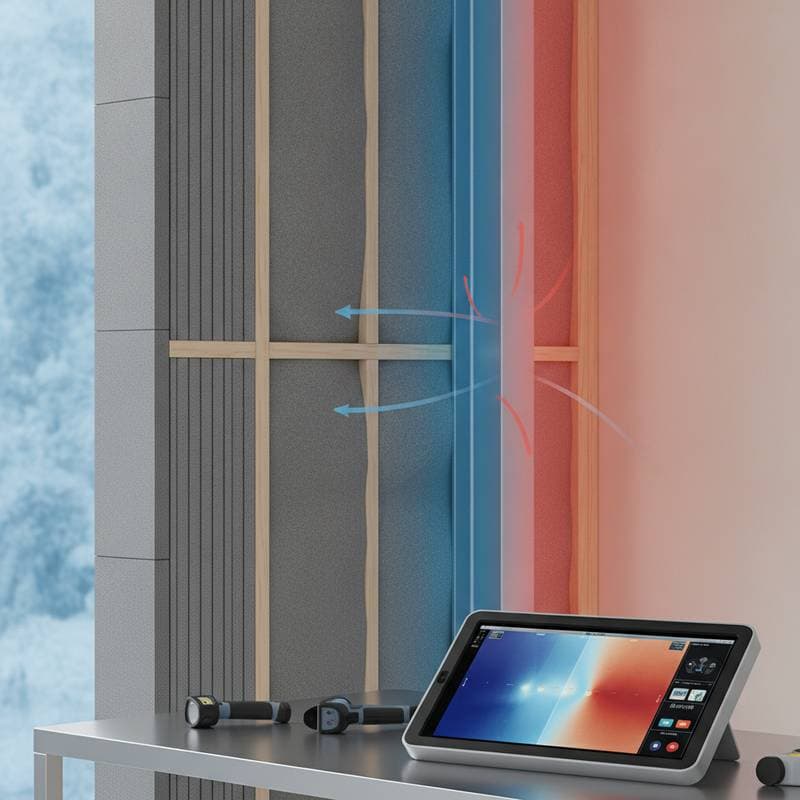
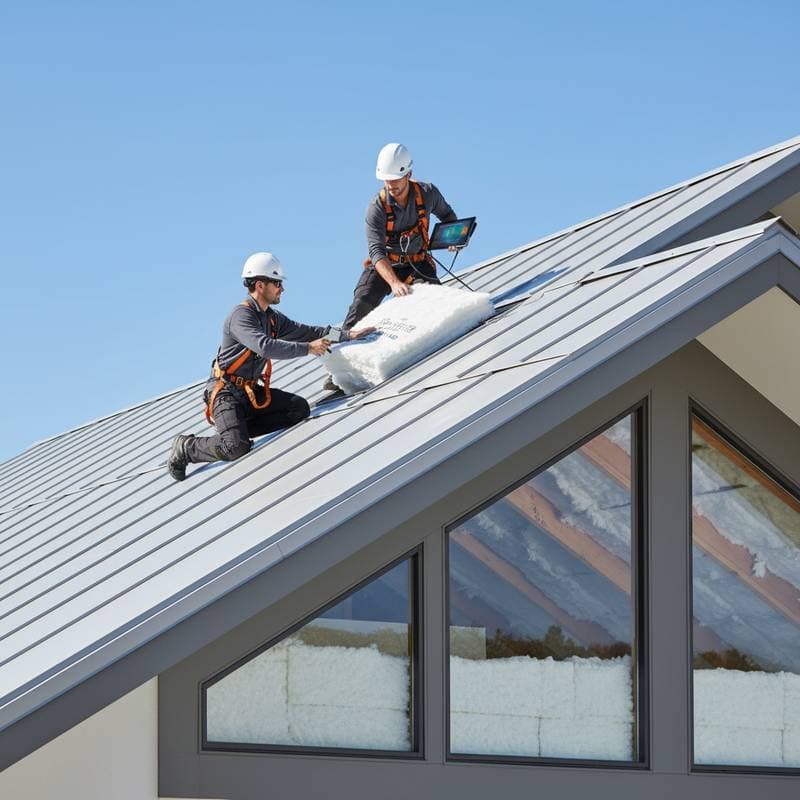
A cool roof performs best when paired with proper attic ventilation and insulation. The combination reduces trapped heat and stabilizes indoor temperatures, cutting air conditioning demand even further. -
Local Building Codes and Rebates
Many jurisdictions encourage cool roofing through code incentives or rebates. Checking these early can help offset upfront costs and ensure compliance with reflectivity standards.
Cost Breakdown and ROI Analysis
The cost of a cool roof retrofit varies depending on materials and complexity. Here is a general breakdown for typical single-family homes:
- Reflective Coating: Around 1.00 to 3.00 per square foot. This is the most affordable option for existing roofs in good condition.
- Cool Shingles or Tiles: Generally 3.50 to 7.00 per square foot, including labor. These offer better durability and aesthetics.
- Reflective Metal Panels or Membranes: Often 5.00 to 10.00 per square foot, ideal for long-term performance and weather resistance.
Upfront costs might seem high, but the payback period often ranges from three to seven years when factoring in energy savings and extended roof life. A cool roof can also reduce HVAC strain, lowering maintenance costs and prolonging equipment lifespan.
Many homeowners also see a modest boost in property value, as energy-efficient upgrades appeal to modern buyers. Combined with potential rebates, the total return on investment often reaches 80 to 100 percent over time, depending on regional conditions and material choices.
Design and Material Options
Choosing the right cool roofing system depends on both function and style. Fortunately, manufacturers have expanded the range of colors and textures available, so you no longer have to settle for bright white if it does not match your home design.
Popular Options Include:
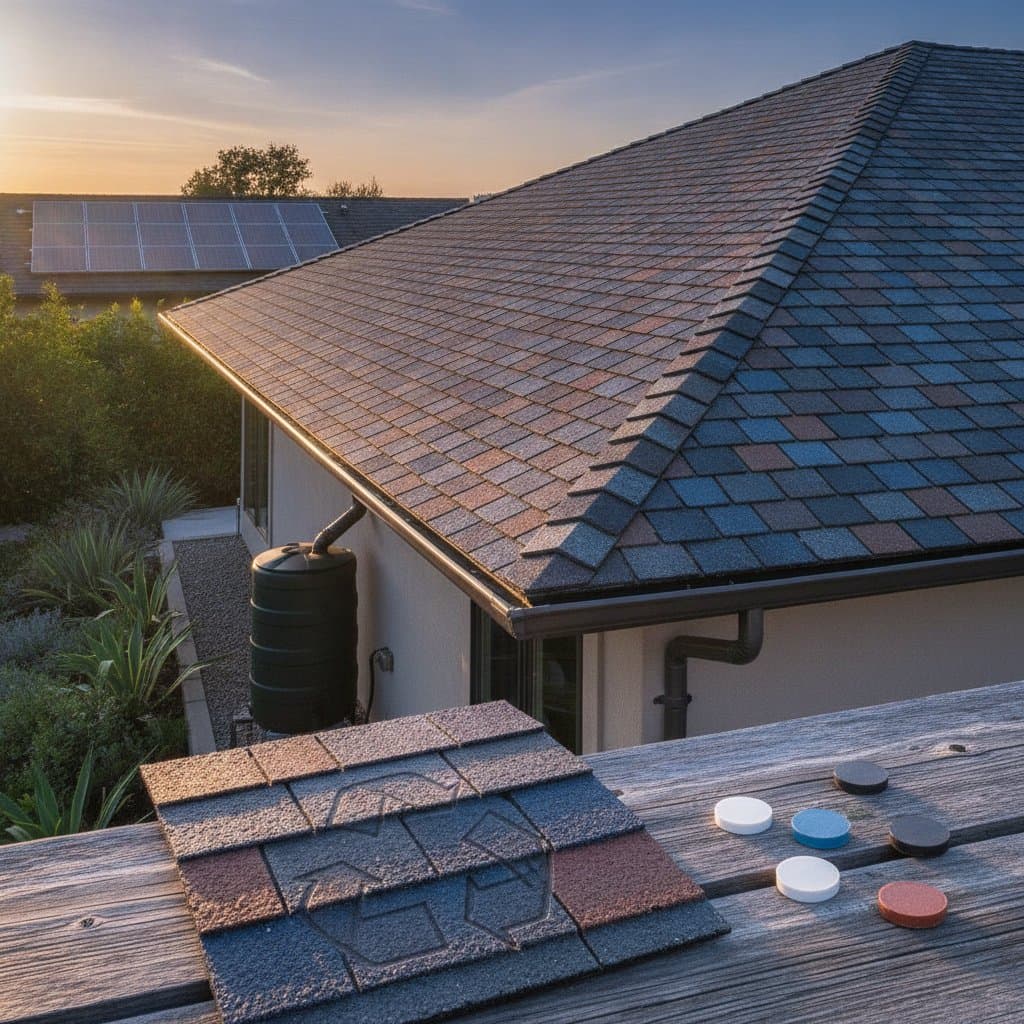
- Cool Asphalt Shingles: Available in light gray, tan, or reflective granule finishes. These look similar to traditional shingles but perform far better thermally.
- Metal Roofing: Reflective metal surfaces or coated panels deliver impressive heat rejection and longevity, often lasting twice as long as standard shingles.
- Tile and Slate: Clay or concrete tiles can be treated with reflective coatings, offering a balance of classic aesthetics and performance.
- Single-Ply Membranes: Used mainly on flat roofs, these flexible sheets are among the most reflective materials available and help prevent leaks as well.
Sustainable Features and Efficiency Gains
From a sustainability perspective, cool roofs offer a compelling set of advantages. They reduce urban heat buildup, lower power plant emissions by decreasing electricity demand, and improve comfort for both occupants and surrounding communities.
Environmental and Performance Benefits Include:
- Lower Carbon Footprint: Reducing air conditioning energy use cuts greenhouse gas emissions.
- Improved Roof Longevity: Lower temperatures mean less thermal expansion and contraction, which helps prevent cracking and premature aging.
- Enhanced Indoor Comfort: Attic and ceiling temperatures stabilize, improving comfort even in rooms without direct cooling.
- Reduced Maintenance: Reflective coatings often resist mold and dirt accumulation, keeping the roof cleaner longer.
When combined with attic insulation upgrades, the overall energy efficiency gain can reach 20 to 30 percent for the entire home. That makes the retrofit one of the smartest investments in the sustainable building toolkit.
Factors Influencing the Project
Several variables influence how much a cool roof retrofit saves and how complex it will be.
- Roof Slope: Steeper roofs receive more direct sunlight but also shed heat faster. Flat roofs may hold heat longer, making reflectivity even more valuable.
- Existing Damage: Any signs of leaks, rot, or structural issues should be repaired before installing new materials.
- Color and Finish Choices: Lighter colors reflect more sunlight, but quality coatings can give darker tones similar performance.
- Installation Quality: Even the best material underperforms if poorly applied. A professional installer familiar with cool roofing standards is essential for consistent results.
Frequently Asked Questions
How long does a cool roof retrofit take?
Most projects can be completed within a few days to a week, depending on roof size and accessibility.
Will a cool roof make my home too cold in winter?
In most climates, the cooling benefits outweigh any minor heat loss during colder months. Good attic insulation balances temperature year-round.
Can I apply reflective coating myself?
DIY coatings are possible for smaller roofs, but professional application ensures proper adhesion, coverage, and warranty compliance.
Do cool roofs require special maintenance?
They need periodic cleaning to remove dust and debris that can reduce reflectivity. Annual inspections help maintain performance and identify any wear early.
Are cool roofs compatible with solar panels?
Yes. In fact, they work well together. The cooler surface improves solar panel efficiency, and panels add shade that further reduces roof temperature.
What if my home is in a cooler region?
Even in moderate climates, homeowners often see benefits from reduced temperature swings and better roof durability.
Planning Your Cool Roof Retrofit
If your attic feels like a sauna every summer, a cool roof retrofit is a practical solution that delivers measurable results. Start by evaluating your current roof condition and attic insulation. Compare different reflective materials, paying attention to rated reflectance and emissivity values. Then, consult with a certified roofing professional who understands cool roofing standards and local code requirements.