Spotting Invisible Energy Loss
Thermal imaging helps identify hidden air leaks and insulation gaps that waste energy and money. A professional energy audit using infrared cameras can reveal problem areas invisible to the naked eye. Homeowners can use the results to make targeted improvements that lower utility bills and increase comfort.
You know that feeling when one room always seems colder than the rest, no matter how high the heat is set. Invisible drafts, missing insulation, or small cracks in walls can quietly drain warmth and money. The challenge lies in locating these issues. Thermal imaging addresses this by revealing temperature patterns across a home, creating a map of energy loss behind surfaces.
Value of Thermal Imaging
Heating and cooling account for a large share of household energy costs. Every drafty window, unsealed attic hatch, or under-insulated wall represents money leaving the home. Thermal imaging supplies a visual record of these weak spots and shows exactly where repairs should focus.
From an environmental standpoint, every unit of energy saved reduces emissions. For homeowners focused on sustainability, thermal imaging offers a practical step toward efficient living. It can also support resale value by documenting efficient performance.
Mechanics of Infrared Scans
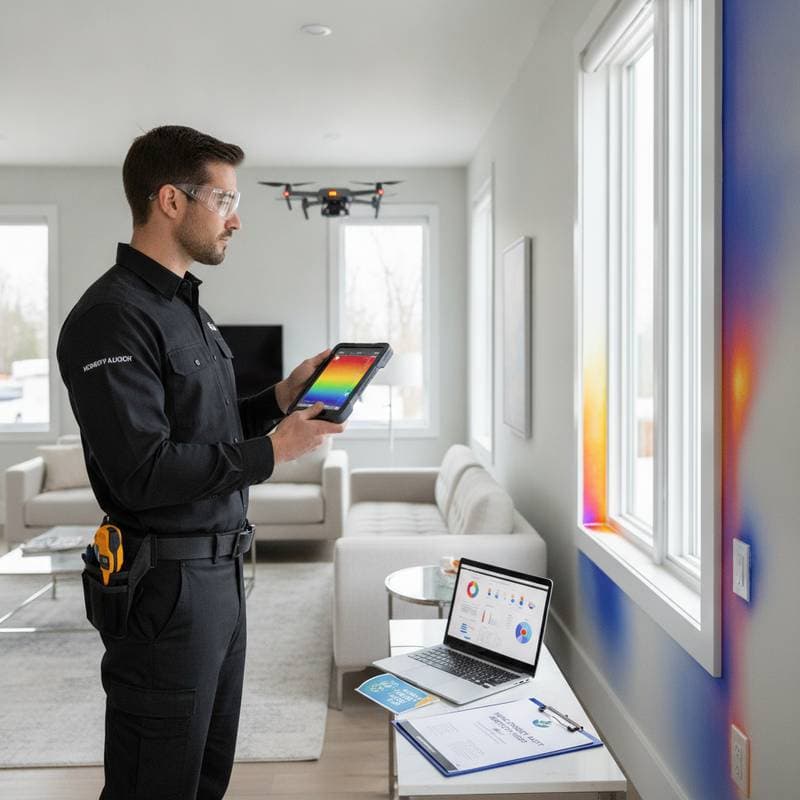
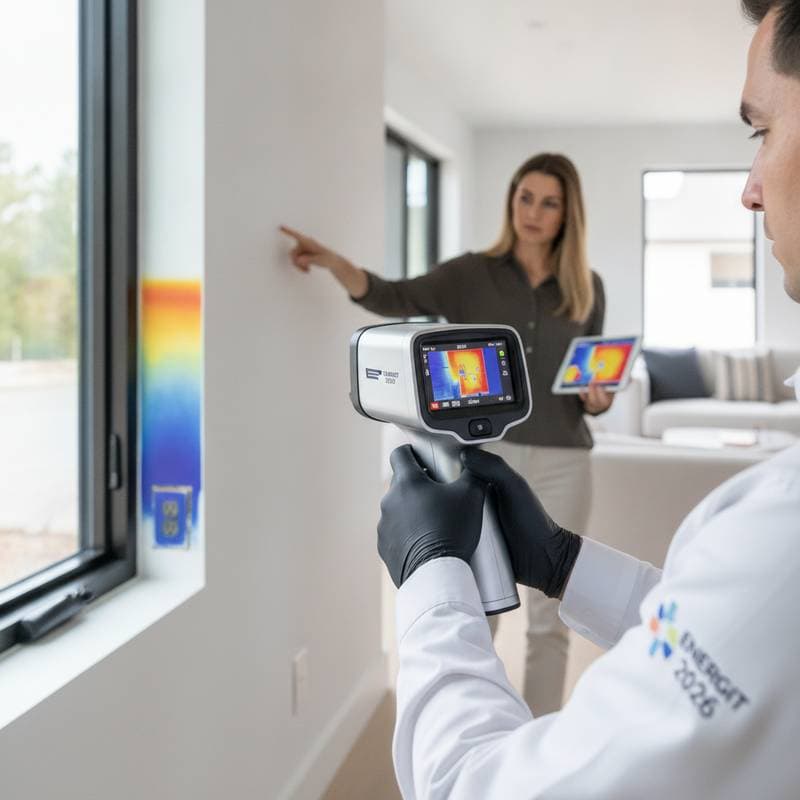
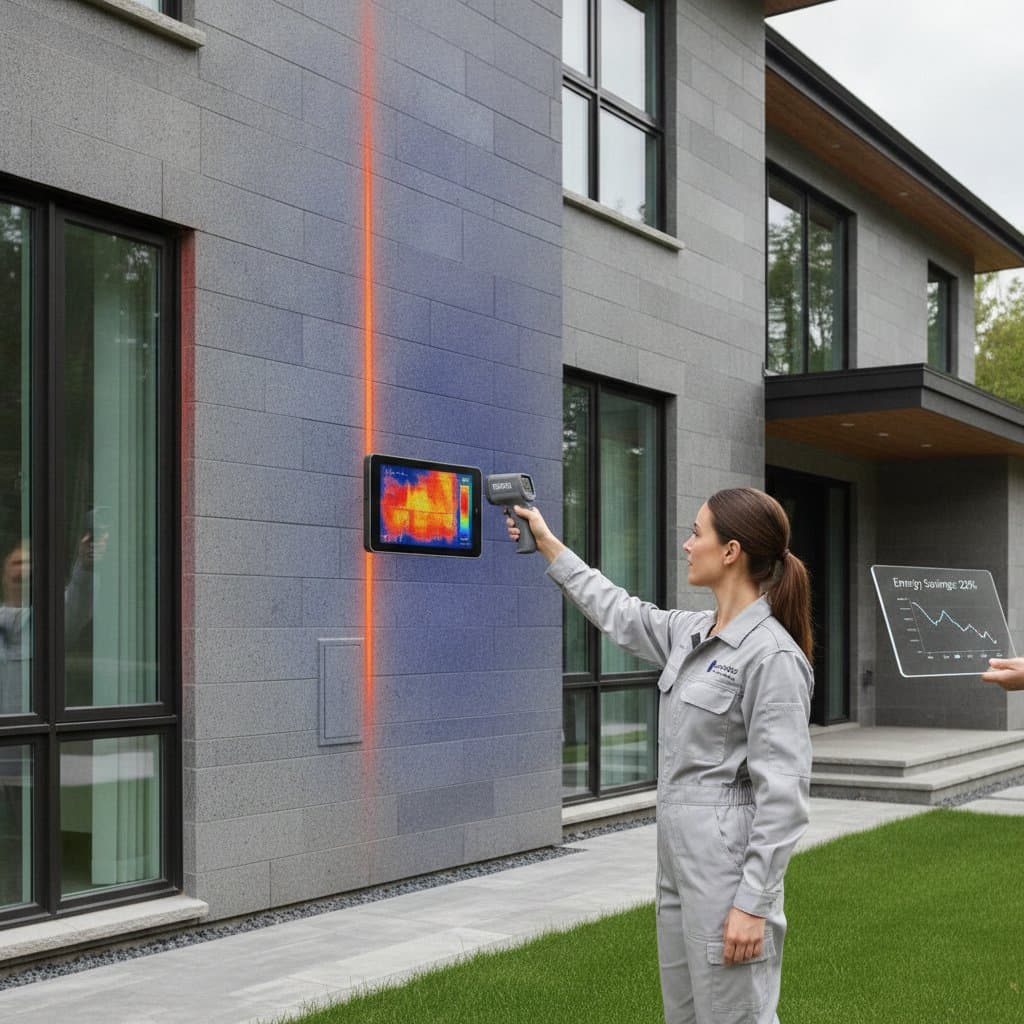
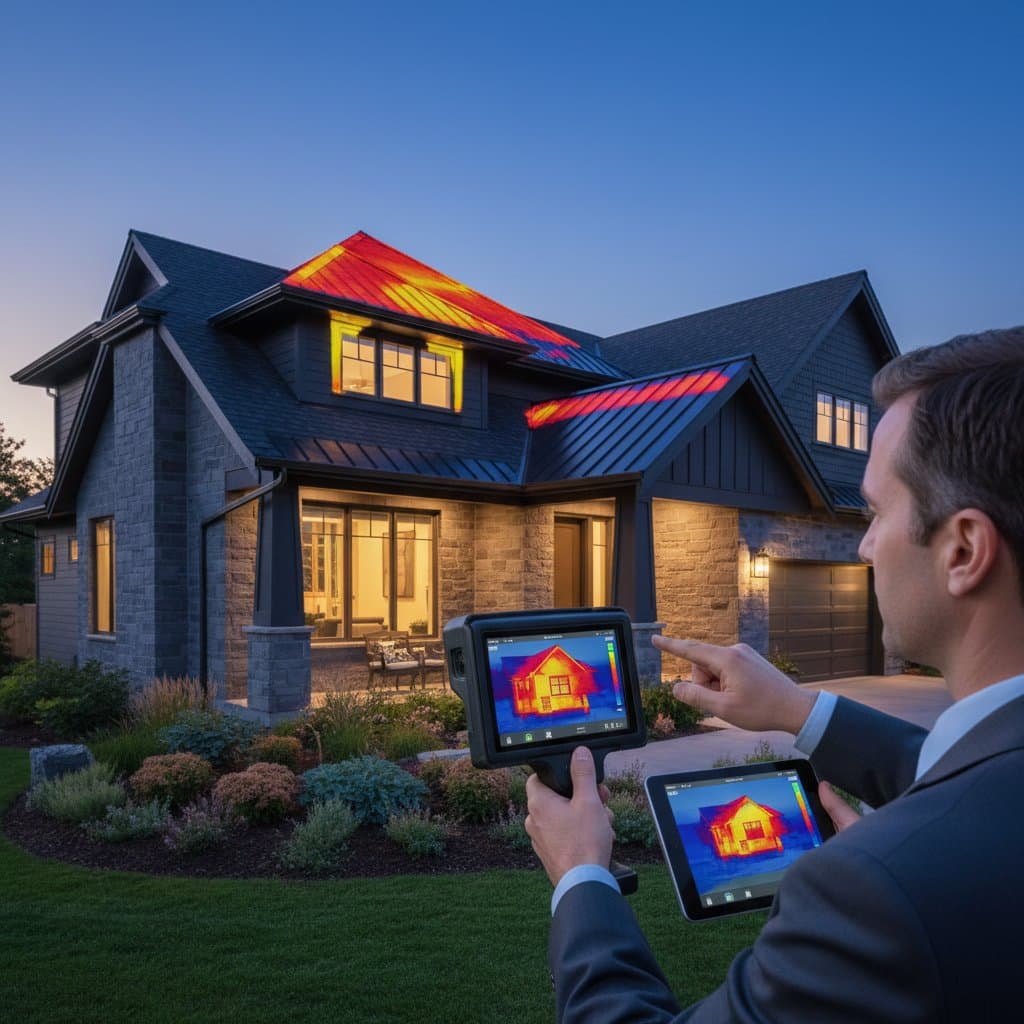
Thermal imaging detects surface temperatures with an infrared camera. The device captures radiation emitted by objects and converts it into a color-coded image. Warmer areas appear in red, orange, or yellow tones, while cooler surfaces register as blue or purple.
Professionals scan walls, ceilings, floors, windows, and electrical panels during an audit. The images highlight escaping heat or infiltrating cold air. Effectiveness increases when paired with a blower door test, which reduces indoor pressure to accentuate leaks.
Interpreting Color Patterns
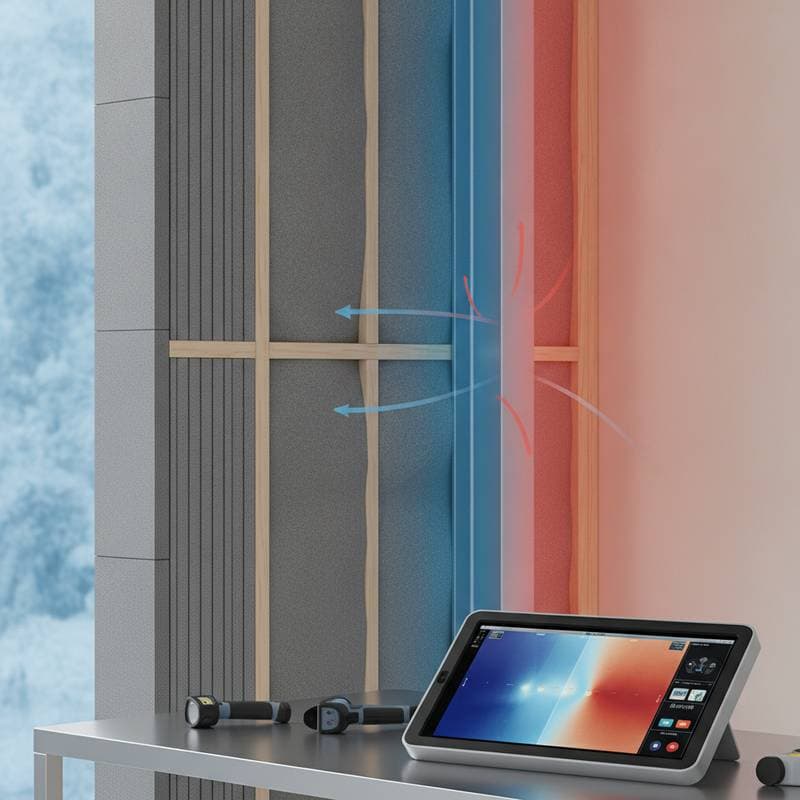
- Red or yellow zones typically indicate heat escaping through insulation gaps or poorly sealed doors.
- Blue or purple zones often mark cold air entering around windows, vents, or foundation joints.
- Uneven patterns may show missing insulation between studs or poorly installed attic material.
- Bright hot spots on electrical panels can point to overloaded circuits, which require evaluation by an electrician.
Preparing for an Effective Audit
Clear temperature differences between inside and outside improve detection. Schedule the audit while the home is actively heated or cooled.
- Close windows and doors to maintain steady indoor conditions.
- Turn off space heaters or fans that could skew readings.
- Move furniture away from exterior walls to allow full surface access.
- Note comfort issues such as cold floors or drafty corners for targeted review.
A professional auditor supplies both equipment and interpretive skill. Experience distinguishes a cold air leak from a cold pipe and supports precise recommendations.
Cost Ranges and Returns
Basic infrared scans for a single-family home usually fall in the low hundreds of dollars. Full audits that include blower door testing cost more but deliver broader insight. Sealing leaks can reduce heating and cooling expenses by 10 to 30 percent, often recovering the audit cost within a short period.
Attic insulation repairs may require a few thousand dollars yet yield hundreds in annual savings. Simple weather-stripping and caulking provide quick returns at low cost. Savings grow over time while comfort improves and HVAC systems experience less strain.
Additional Insights from Scans
Thermal images can expose design issues affecting efficiency. A cooler wall section near the floor may indicate missing insulation at the foundation. Uneven ceiling temperatures can reveal ductwork airflow problems. These details guide better placement of vents, windows, and insulation during renovations.
Influences on Results
Building age affects leak frequency due to settling. Colder climates produce stronger heat loss signals. Different insulation materials register differently on scans, requiring expert interpretation. Moisture can mimic leaks, so cross-checks with moisture meters help. Occupant habits, such as blocked vents, also influence outcomes.
Efficiency and Sustainability Gains
Targeted upgrades reduce material waste compared with full replacements. Air sealing and insulation work can cut heat loss by up to 25 percent. Duct sealing and attic insulation frequently deliver strong returns because of their scale. Once leaks are addressed, smart thermostats and zoning systems further optimize performance.
Practical Recommendations
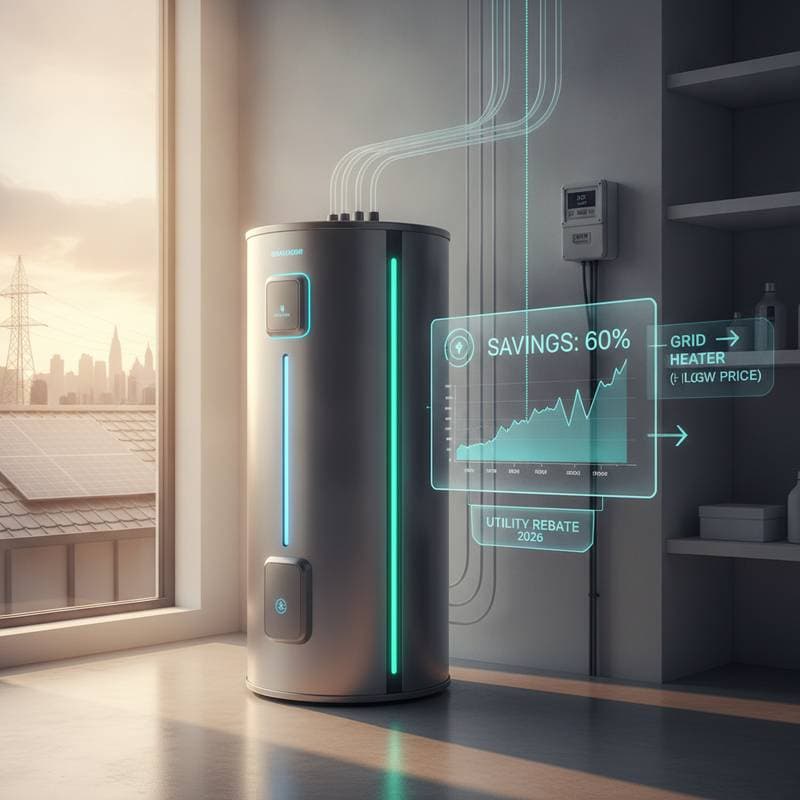
Pair thermal imaging with a blower door test for clearest outcomes. Address air leaks before HVAC upgrades to avoid oversizing equipment. Retain scan records to track progress after repairs. Re-test after major renovations to confirm gains. Results can support applications for efficiency rebates where available.
Common Questions
How often should scans occur? A baseline audit benefits homes never tested or recently renovated. Many owners repeat scans every few years.
Do smartphone attachments suffice? Consumer devices detect broad patterns but lack professional sensitivity. Precise diagnostics benefit from calibrated equipment.
Does the method work in warm climates? Yes. The camera identifies escaping cool air or incoming heat to support air conditioning savings.
Will added insulation always resolve issues? Not always. Air movement and ventilation balance matter equally.
Can scans locate water leaks? They suggest moisture through cooler readings, yet confirmation requires moisture testing.