Key Points
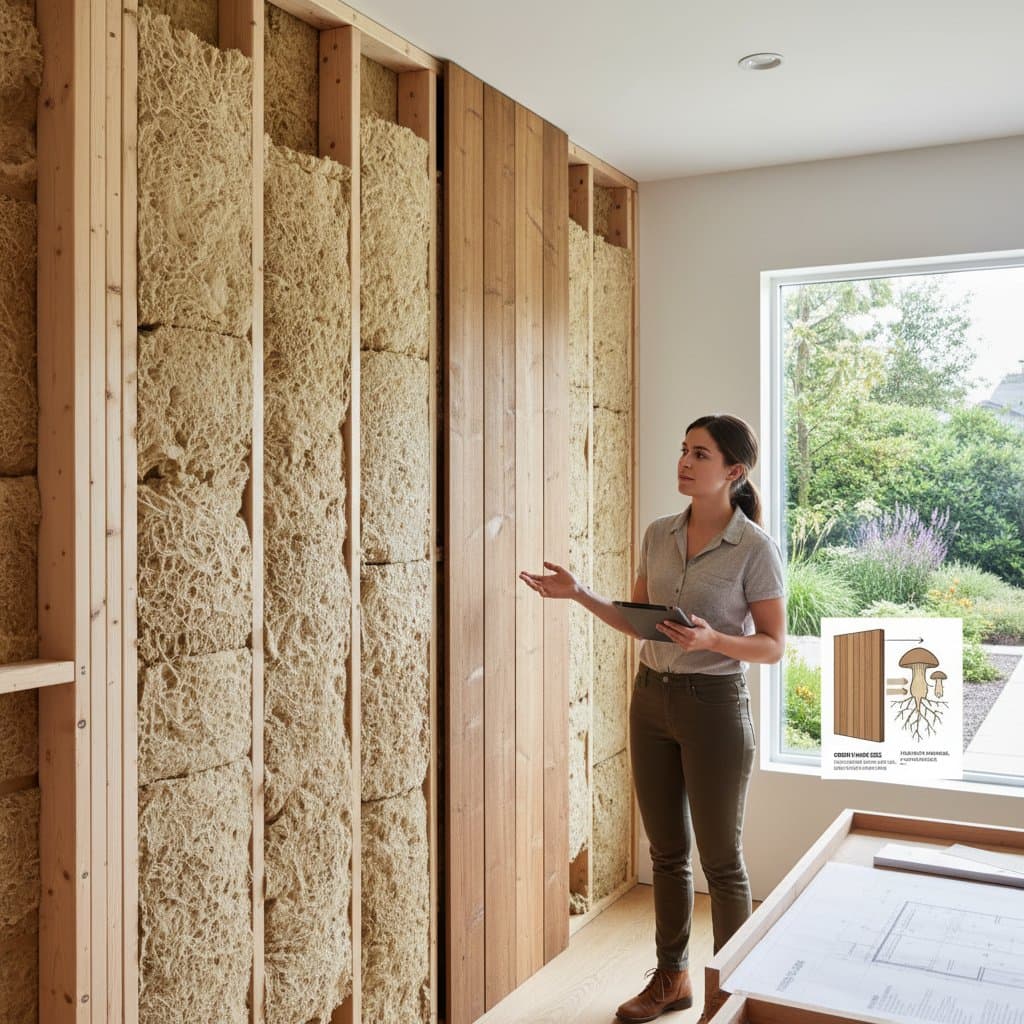
- Mycelium insulation stands out among biodegradable materials, ideal for eco-conscious residential projects.
- It excels in thermal insulation, offers inherent fire resistance, and regulates moisture effectively.
- Initial expenses exceed those of traditional options, yet environmental gains and energy reductions yield substantial long-term value.
- Success depends on precise installation techniques and reliable sourcing to guarantee longevity and reliability.
- Integrate this material into new developments or upgrades within comprehensive sustainability plans for optimal results.
The Importance of Mycelium Insulation
Sustainability in construction materials addresses pressing financial, environmental, and health concerns beyond mere fashion. Conventional insulators such as polyurethane foam and fiberglass provide solid efficiency, yet they depend on petroleum-based resources and resource-heavy production processes. These materials often contribute to indoor air pollution through emissions and pose challenges for end-of-life disposal, conflicting with enduring ecological objectives.
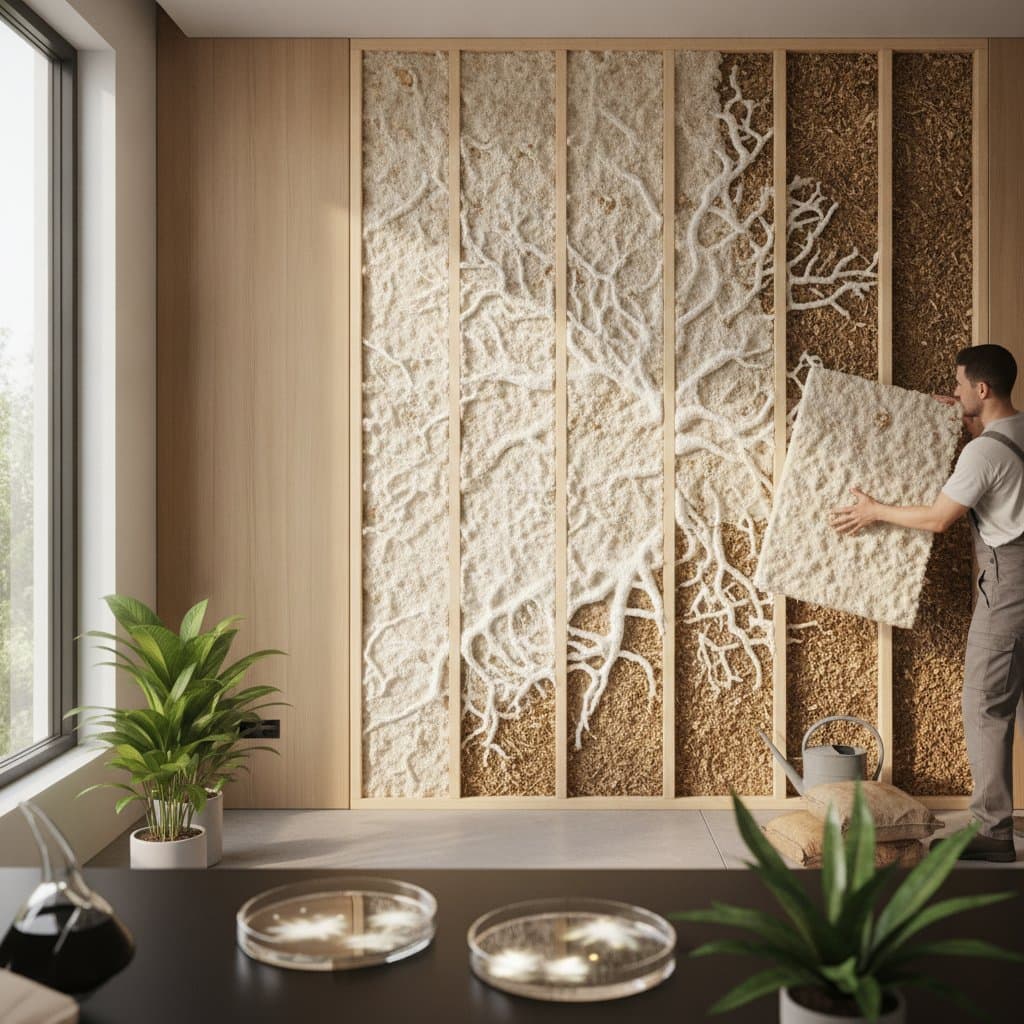
Mycelium insulation reverses this pattern entirely. Producers cultivate it from agricultural byproducts, requiring far less energy during creation, and it breaks down harmlessly after use. Homeowners benefit from reduced indoor pollutants and a lighter ecological footprint.
In terms of performance, this insulation matches standard products with R-values of R-3 to R-4 per inch, indicating strong resistance to heat flow. When paired with its minimal production energy demands and built-in fire retardancy, it enhances dwelling comfort while aligning with ethical priorities.
Analyzing Costs and Return on Investment
Pricing for mycelium insulation varies based on manufacturing techniques, transportation, and site-specific demands. Installed panels generally run 10 to 20 percent above mineral wool or foam equivalents. This difference diminishes over time through lower ecological costs and ongoing energy reductions.
Typical cost estimates include:
- Small-scale DIY efforts, such as attics or outbuildings: Involve moderate outlays with payback timelines similar to average insulation types.
- Complete wall overhauls: Demand greater initial spending, but climate-dependent savings recoup costs in 8 to 12 years.
- Incorporation in fresh builds: Prove most cost-effective, allowing tailored growth to match structural voids or pre-made panels that cut waste and installation time.
Mycelium insulation also bolsters property appreciation. Features emphasizing wellness, performance, and responsible origins draw discerning purchasers. In vibrant real estate arenas, such attributes lead to elevated market prices and quicker transactions.
Key Project Considerations
Sustainable projects involve unique elements, and mycelium insulation follows suit. Performance and expenses hinge on several aspects:
- Regional Climate
Harsher cold zones might necessitate denser layers or combined setups to satisfy efficiency codes. - Structure's Age and State
Updating aged residences may reveal irregularities like irregular supports or concealed dampness. - Building Techniques
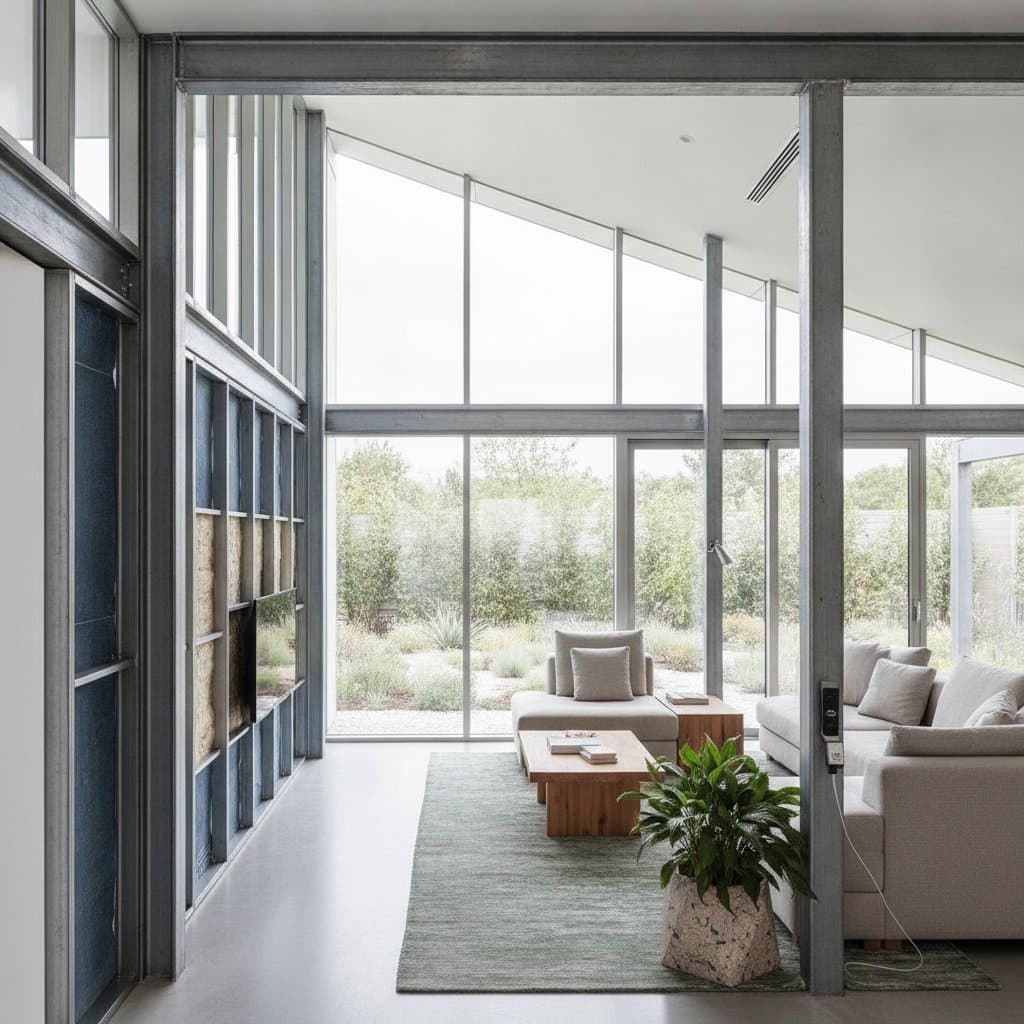
Ready-made panels suit modular assemblies better, reducing setup expenses compared to on-site cultivation or molding. - Ongoing Upkeep Needs
This insulation requires little attention, though periodic humidity inspections preserve its integrity. - Supply Chain Access
Expanding manufacturing will drive down prices, broadening availability for diverse financial plans.
Common Questions About Mycelium Insulation
Does it pose risks for allergy sufferers?
Once processed and sealed, the material remains non-reactive and spore-free. It typically outperforms fiberglass or foam in safety for those with sensitivities.
What is its expected lifespan?
Under correct placement and humidity oversight, it endures for decades. The cured form stays robust if shielded from extended wetness.
Is it suitable for every weather condition?
It functions reliably in moderate areas. Extreme humidity or dryness calls for supplementary elements, such as breathable barriers or humidity regulators.
Will it draw insects or rodents?
The preparation eliminates appealing nutrients, resulting in a texture that deters common pests.
Can individuals handle installation independently?
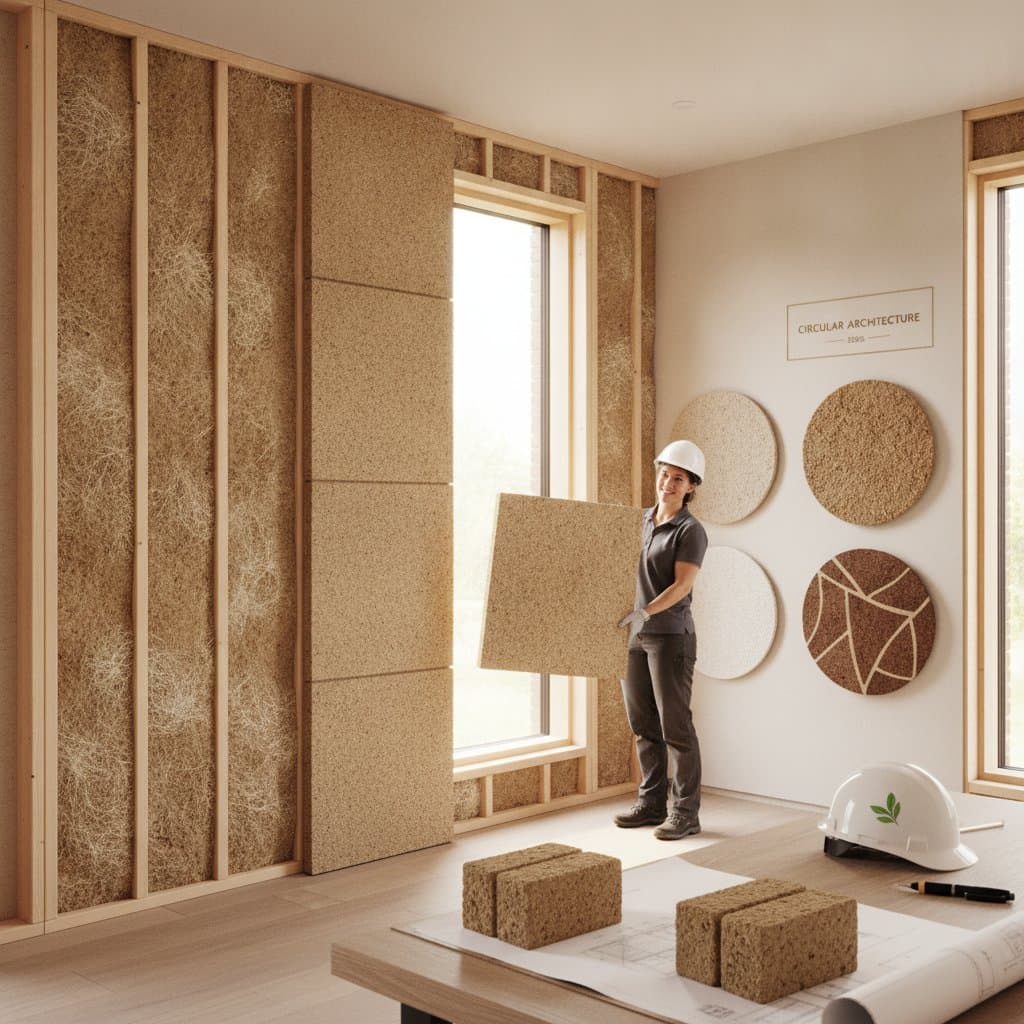
Small tasks suit self-guided efforts, given the panels' light weight and simple cutting. Experts recommend professional aid for larger scopes to secure alignment and dampness prevention.
How does it stack up against hemp or cellulose alternatives?
Each promotes sustainability, yet mycelium achieves carbon sequestration and fire safety without extras. Hemp and cellulose provide competitive insulation at reduced prices, suggesting blends for certain applications.
Does it work with current wall setups?
It integrates seamlessly into typical framing or atop prior layers for upgrades. Retrofitting prioritizes vapor barriers and airtight seals.
Steps to Implement Mycelium Insulation
Adopting mycelium insulation extends past energy conservation; it reshapes structures' environmental harmony. Begin by evaluating suitability: pinpoint areas with outdated or inefficient barriers. Next, research providers to assess specs and confirm compliance with safety and efficacy standards. Consult certified installers to outline timelines and budgets, ensuring alignment with your sustainability vision. This approach not only upgrades efficiency but also future-proofs your space against rising ecological demands.