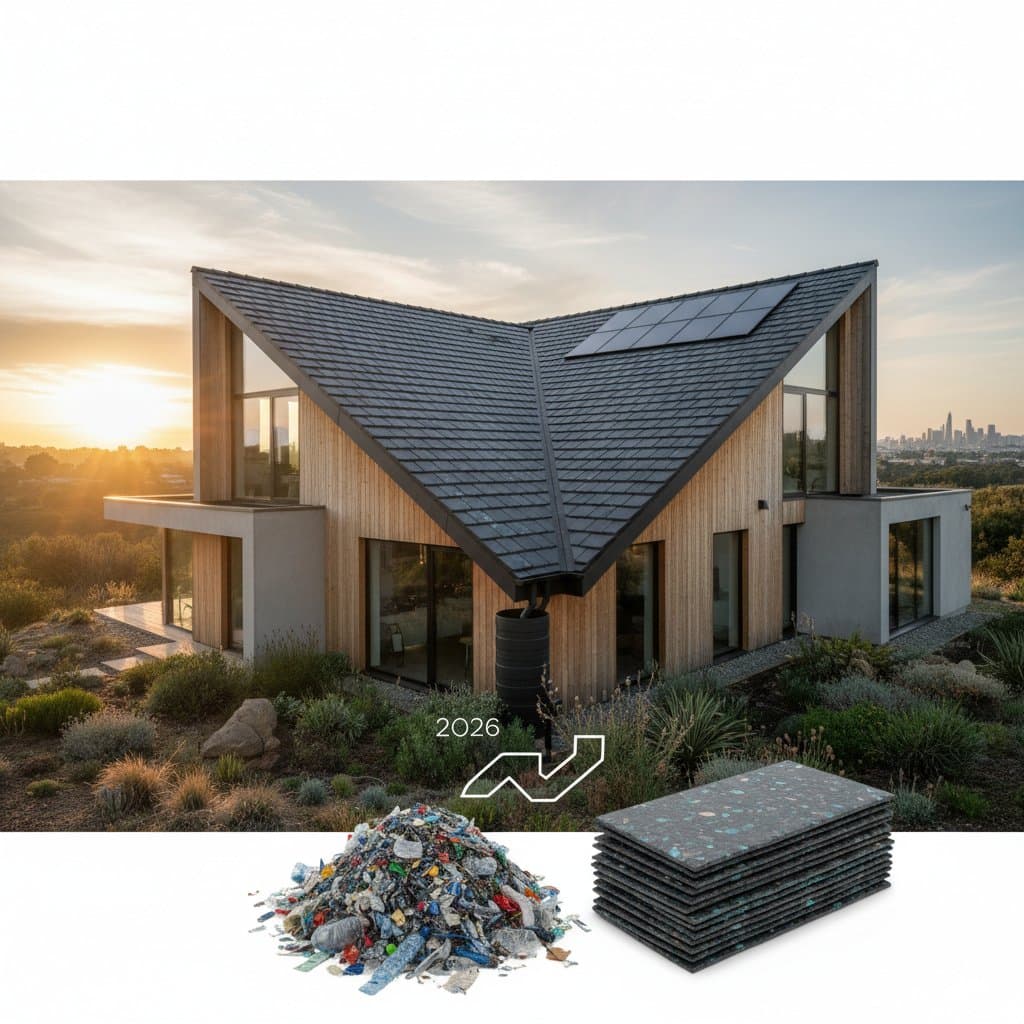
Recycled Plastic Roofing Cuts Waste and Maintenance
Key Points
- Recycled plastic roofing offers strong weather resistance, a long lifespan, and lower maintenance compared to many traditional materials.
- It can cut waste by diverting post-consumer plastics from landfills and reduce energy demand in manufacturing.
- Costs vary from moderate to premium depending on style and structure, but long-term return on investment often outperforms asphalt or composite shingles.
- Proper installation, ventilation, and insulation integration are key to maximizing performance and comfort.
When Durability Meets Sustainability
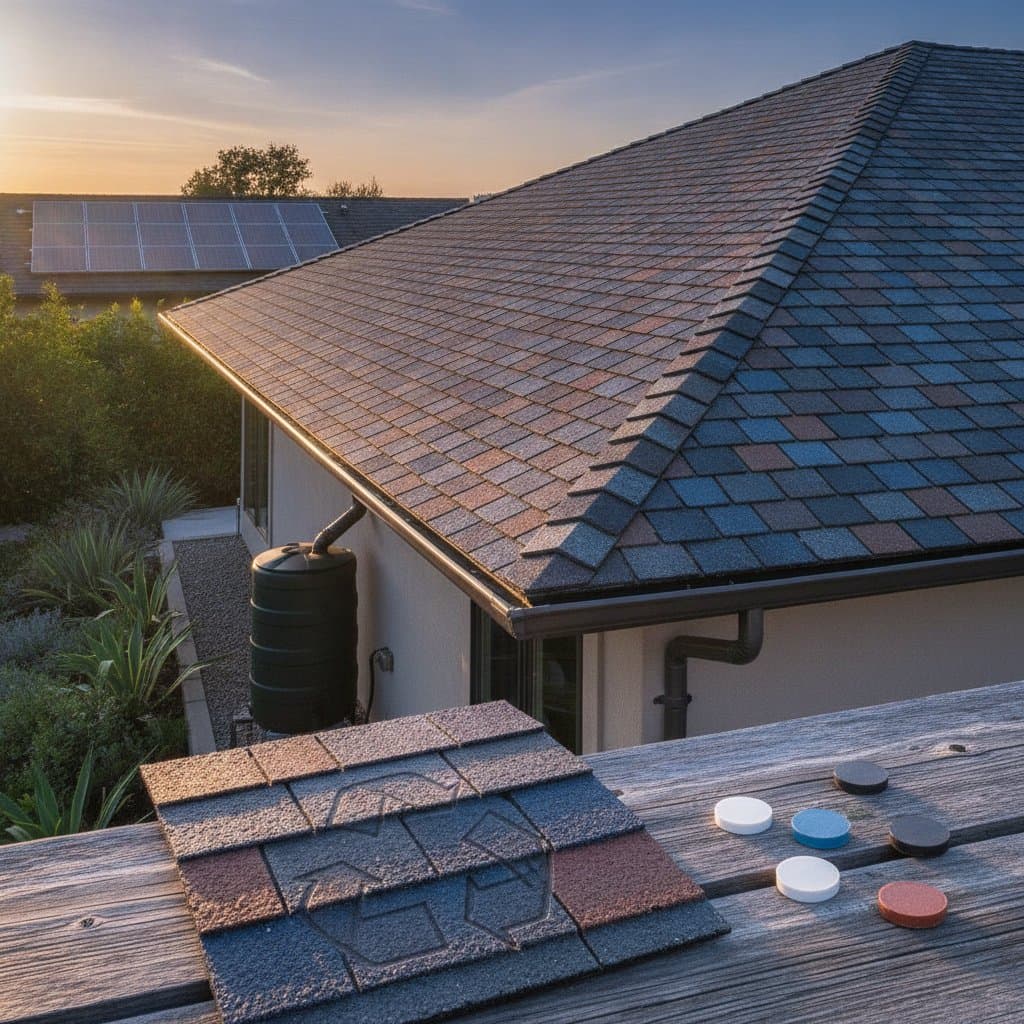
Picture standing in your driveway after a heavy rainstorm and watching water sheet off your roof. Now imagine that roof made from the same recycled plastics once used for bottles, wrappers, and packaging. Recycled plastic roofing is quickly becoming one of the most practical upgrades for homeowners who want to cut maintenance, lower energy bills, and reduce environmental waste.
This material is an engineered product designed for performance, longevity, and style. For those planning eco-conscious upgrades, plastic-based roofing made from recycled materials is a serious contender.
Why It Matters for Homeowners
Traditional roofing materials like asphalt shingles often require replacement every couple of decades and typically end up in landfills. Recycled plastic roofing can last up to two or three times longer depending on quality and installation. It resists cracking, fading, and moisture absorption, which makes it ideal for climates with temperature swings or heavy storms.
Financially, the numbers add up. While a recycled plastic roof may cost between 10 and 25 percent more upfront than standard shingles, it can save thousands in maintenance and replacement costs over its lifetime. Since it often weighs less than clay or slate, it can also reduce structural stress on older homes.
Environmentally, it tackles two challenges at once: the need for durable roofing and the global issue of plastic waste. Manufacturers melt down post-consumer plastics and reform them into composite tiles or panels that mimic slate, wood, or metal finishes. Each roof can repurpose thousands of pounds of plastic that would otherwise sit in a landfill for centuries.
Key Considerations for Planning
Before choosing recycled plastic roofing, homeowners should evaluate several factors to match their goals and local conditions.
- Climate Compatibility: Plastic roofing performs exceptionally in both hot and cold climates because it expands and contracts less than metal and resists UV degradation.
- Roof Structure: Some older roofs may require reinforcement depending on the product weight, though most recycled plastic systems are lighter than traditional tile.
- Aesthetic Choices: Styles range from rustic shake to sleek modern panels. Because the material can be molded easily, design flexibility is high.
- Fire and Building Codes: Always confirm that the product meets local fire ratings and code requirements. Many certified recycled plastic tiles carry Class A fire ratings.
A professional installer familiar with composite or polymer roofing systems can ensure proper underlayment, flashing, and ventilation. Poor installation can shorten lifespan and reduce energy efficiency.
Cost Breakdown and ROI Analysis
Recycled plastic roofing typically costs around 7 to 12 dollars per square foot installed, depending on complexity and brand. Asphalt shingles may start as low as 4 dollars per square foot, while natural slate or clay can exceed 15. The middle-ground pricing makes recycled plastic attractive for those seeking durability without luxury-level costs.
Long-term return on investment often comes from three key factors. Reduced maintenance means plastic tiles rarely require sealing or painting. Extended lifespan delivers 40 to 60 years of useful service with proper care. Energy efficiency improves when products incorporate reflective pigments that keep attic temperatures up to 10 degrees cooler, reducing cooling costs by roughly 10 to 15 percent.
When factoring in lower replacement frequency, the total cost of ownership often beats traditional shingles by a wide margin.
Sustainable Features and Efficiency Gains
Recycled plastic roofing contributes to sustainability in several ways. Material reuse allows each roof to recycle thousands of plastic containers. Energy savings occur because manufacturing consumes less energy than producing concrete or metal roofing. Reduced weight means lower transportation emissions and easier installation. Water shedding and collection improve because smooth surfaces make it easier to collect rainwater safely for garden or irrigation use.
Some systems even integrate solar-ready designs, allowing panels to mount directly onto the roofing surface without heavy brackets.
Frequently Asked Questions
Is recycled plastic roofing noisy during rain?
No, it is relatively quiet compared to metal roofing because it absorbs sound through its flexible structure.
How does it handle extreme temperatures?
High-quality recycled plastic roofing is engineered with stabilizers that prevent warping or brittleness, maintaining integrity across wide temperature ranges.
Can it be repaired if damaged?
Yes, damaged tiles can be replaced individually without disturbing the rest of the roof, which keeps repair costs manageable.
Does it fade over time?
UV inhibitors are mixed into the polymer blend, so colors remain stable for decades.
Is it recyclable again at the end of its life?
Many manufacturers design their products to be fully recyclable, completing the material loop rather than sending old panels back to waste streams.
Protecting Your Long-Term Investment
Regular inspections twice a year help identify any loose fasteners or debris buildup before they affect performance. Keeping gutters clear supports proper drainage and extends the life of the entire system. Homeowners who follow these steps enjoy decades of reliable protection while maintaining the environmental benefits of their original choice.