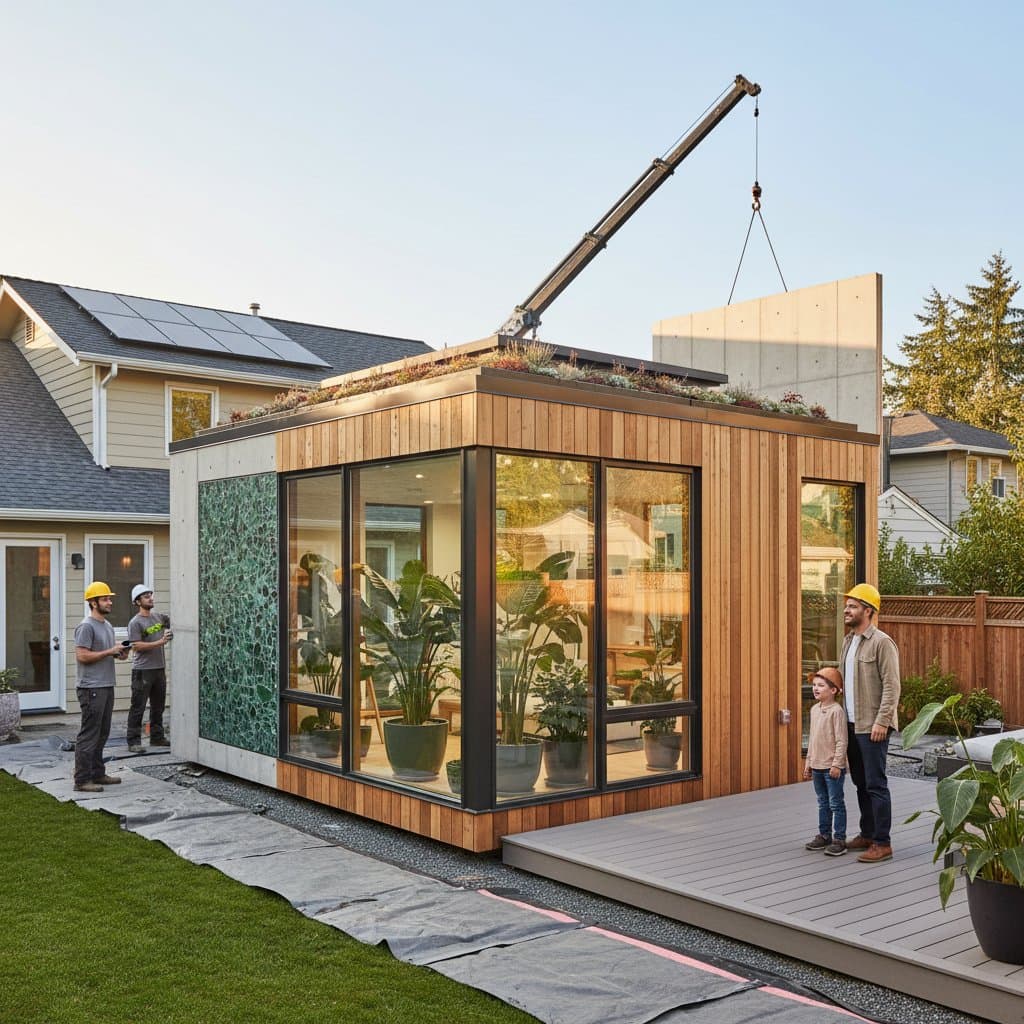
Key Benefits of Modular Green Expansions
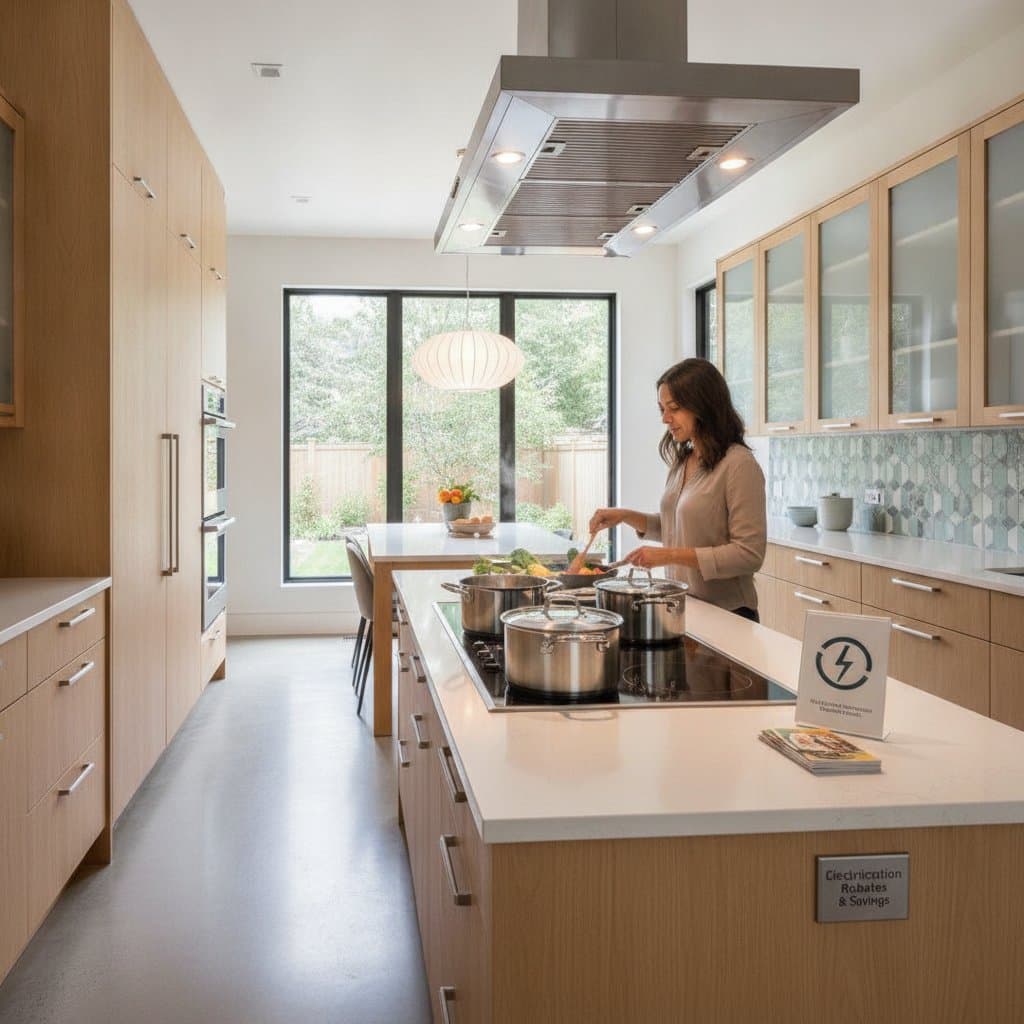
- These additions provide extra living space while minimizing material waste and energy demands.
- Prefabricated components reduce on-site construction time by as much as 50 percent relative to traditional methods.
- Incorporation of energy-efficient materials, intelligent layouts, and versatile designs enhances overall property value.
- Options scale to accommodate diverse budgets and environmental conditions, suiting urban apartments or rural residences.
Rethinking Home Expansion
Homeowners often face the challenge of needing additional space amid the chaos of traditional construction, including prolonged noise, scattered debris, and fluctuating expenses. Modular green expansions address these issues effectively. These structures consist of prefabricated units constructed off-site in controlled settings, then transported and assembled on location, with sustainability integrated into every aspect of the design. Such approaches enable responsible growth, yielding spaces that outperform standard builds in efficiency, durability, and operational costs.
Conventional additions frequently result in significant material waste and high energy use during construction. They also interrupt household routines for months. In contrast, modular methods relocate the majority of labor to factories, thereby eliminating weather-related setbacks, cutting waste by up to 70 percent, and delivering exacting quality that surpasses typical on-site framing techniques.
Financial Advantages of Modular Additions
Wise investments in home improvements consider initial costs alongside ongoing comfort and potential returns. Modular green additions perform strongly across these dimensions. The prefabrication process generally lowers total expenses by 10 to 20 percent through optimized material utilization and decreased labor requirements. Accelerated project timelines further decrease financing charges, eliminate needs for interim accommodations, and minimize interruptions to work-from-home productivity.
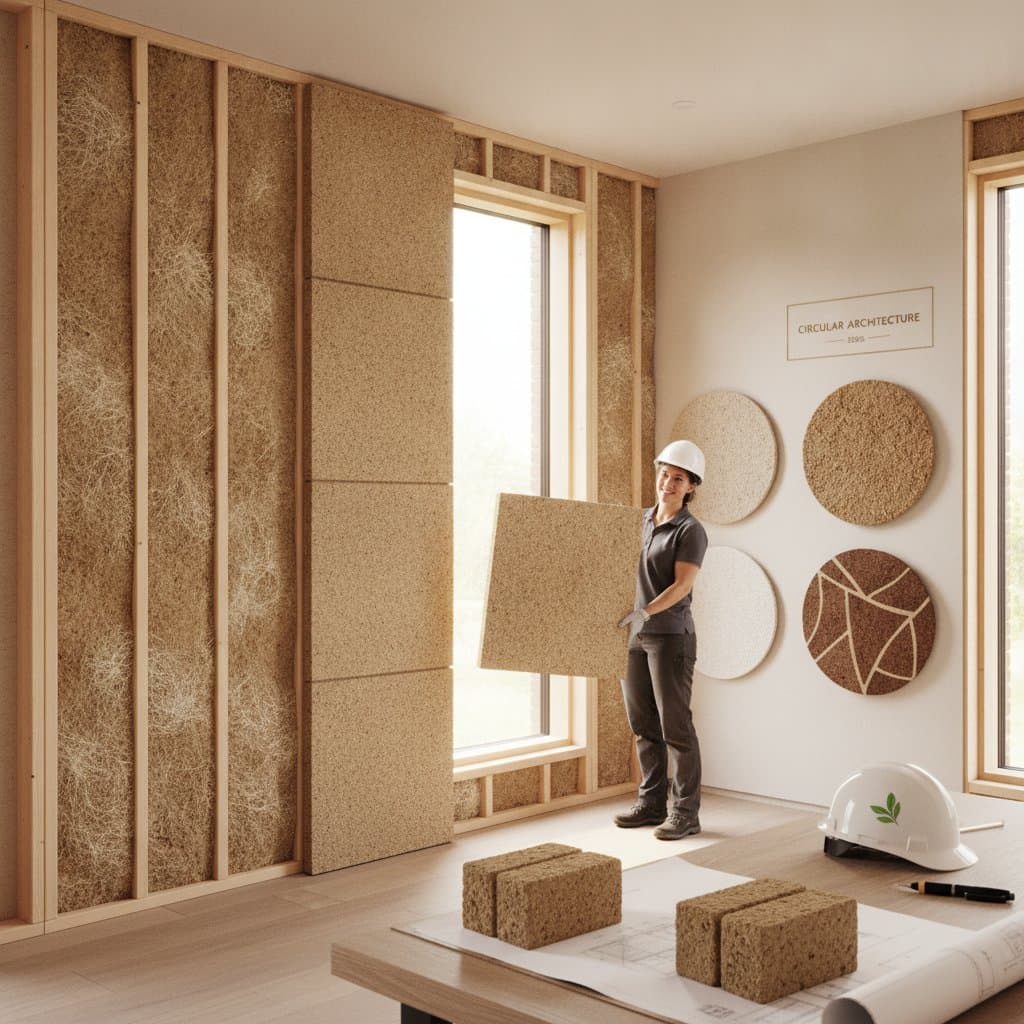
Features such as advanced insulation, windows with low-emissivity coatings, and sealed envelopes diminish heating and cooling needs by 20 to 40 percent. These reductions accumulate, offering a clear return on investment. For numerous owners, the gains from enhanced energy performance recoup the added expense of green materials within a few years of use.
Market data indicates that properties with energy-efficient expansions and verified sustainable elements command higher sale prices and attract buyers more quickly. Prospective purchasers regard these upgrades as essential for modern living and protection against escalating energy prices.
Cost Estimates and Return Overview
- Basic modular addition: Approximately 150 to 250 dollars per square foot, varying by finish quality and geographic location.
- Mid-level green addition: 250 to 400 dollars per square foot, incorporating energy-saving enhancements.
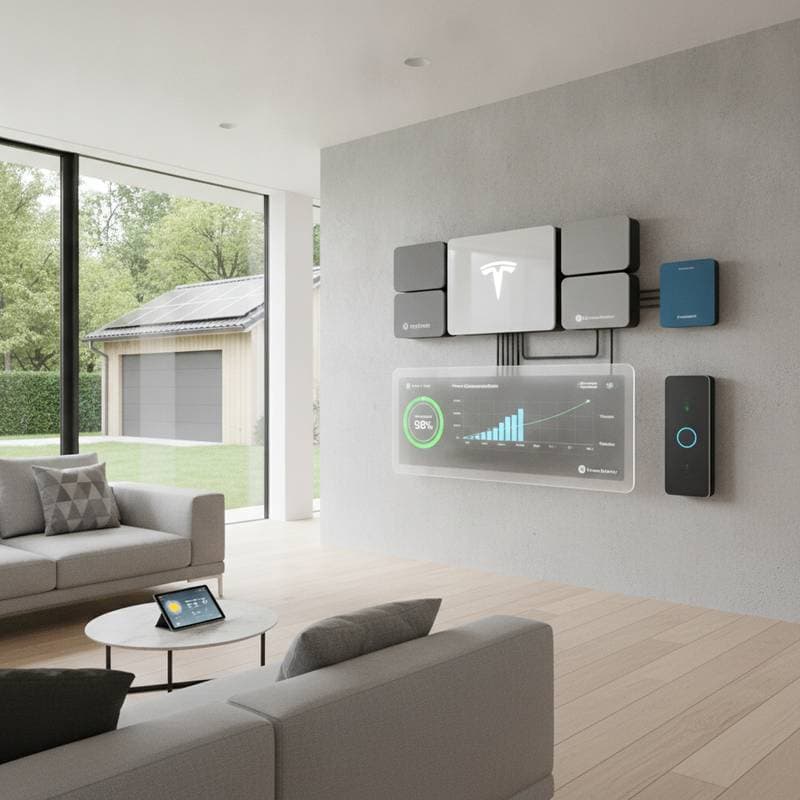
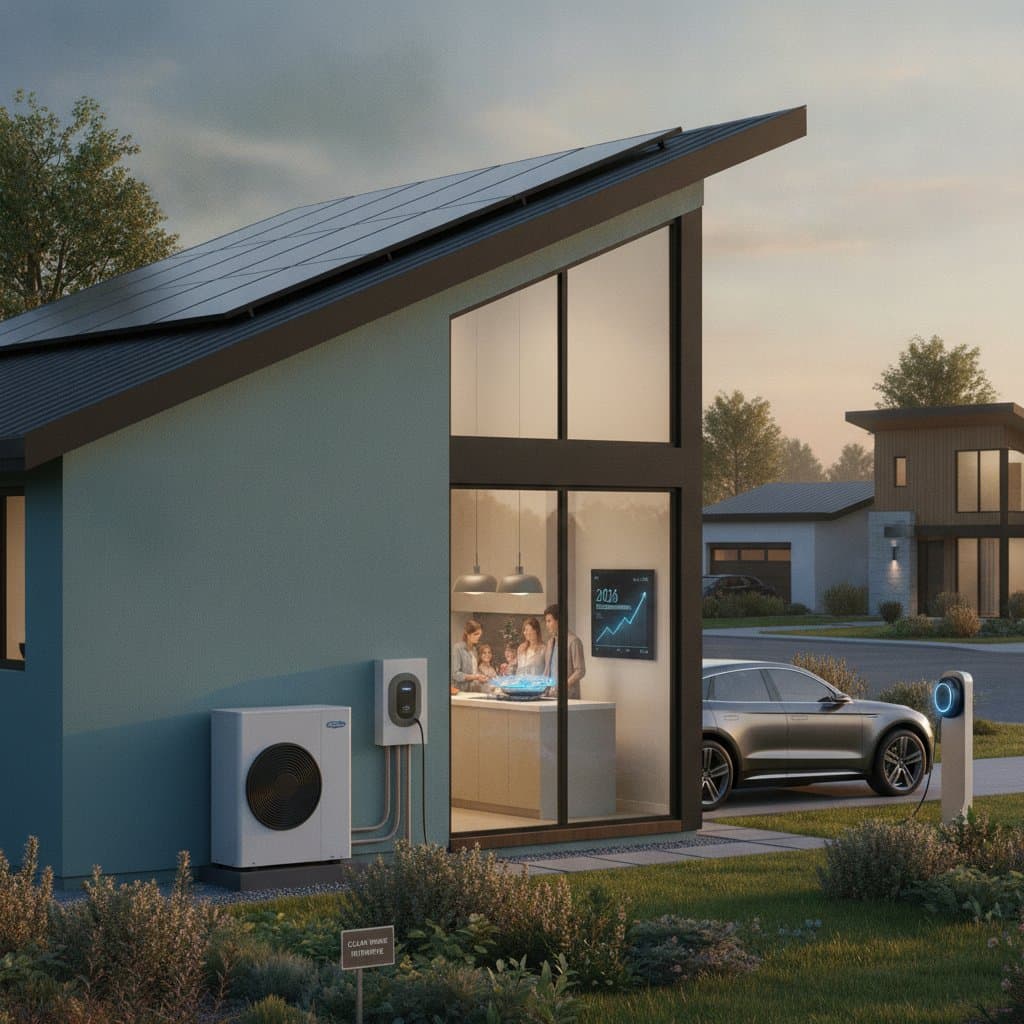
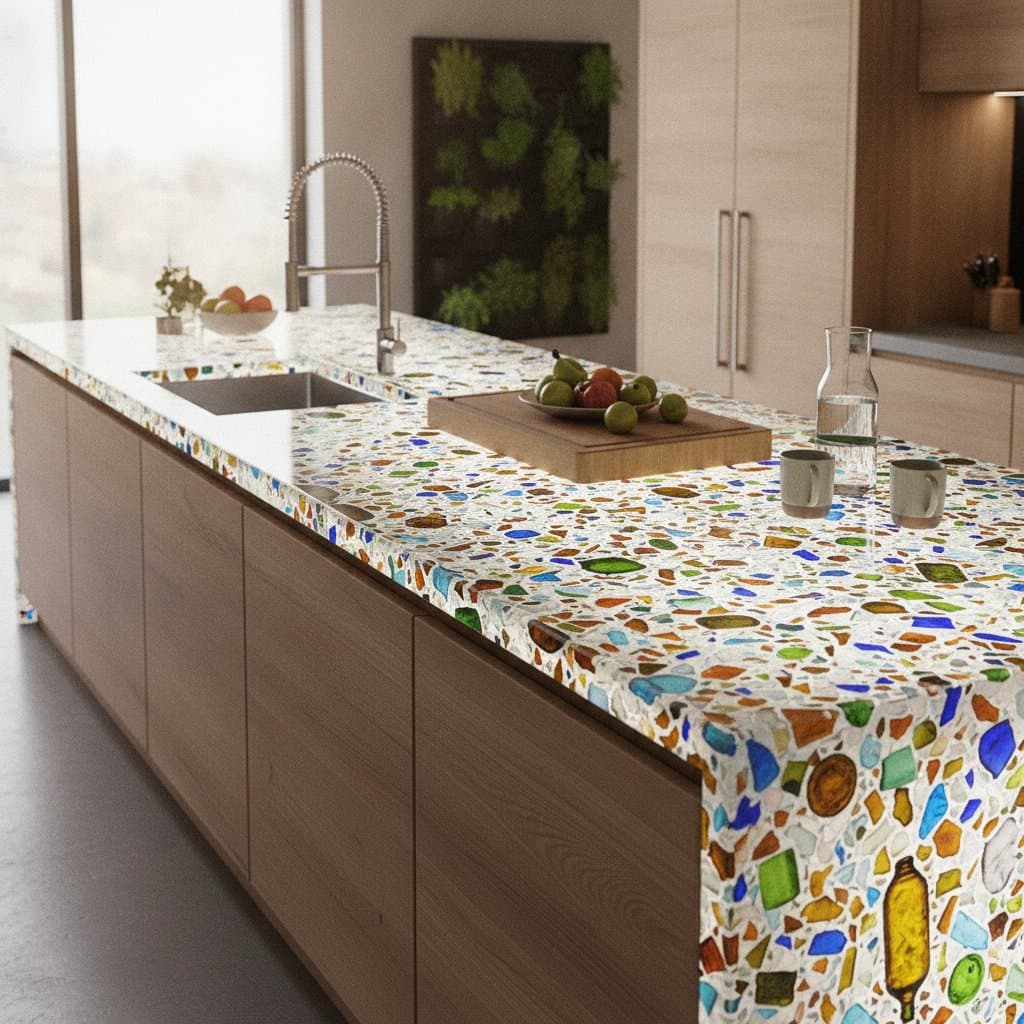
- High-end sustainable addition: 400 to 600 dollars per square foot, featuring solar integration, automated controls, and reclaimed resources.
With considerations for energy reductions, increased resale premiums, and lower upkeep, returns typically fall between 8 and 15 percent per year during the initial ten years.
Prioritizing Durability and Indoor Health
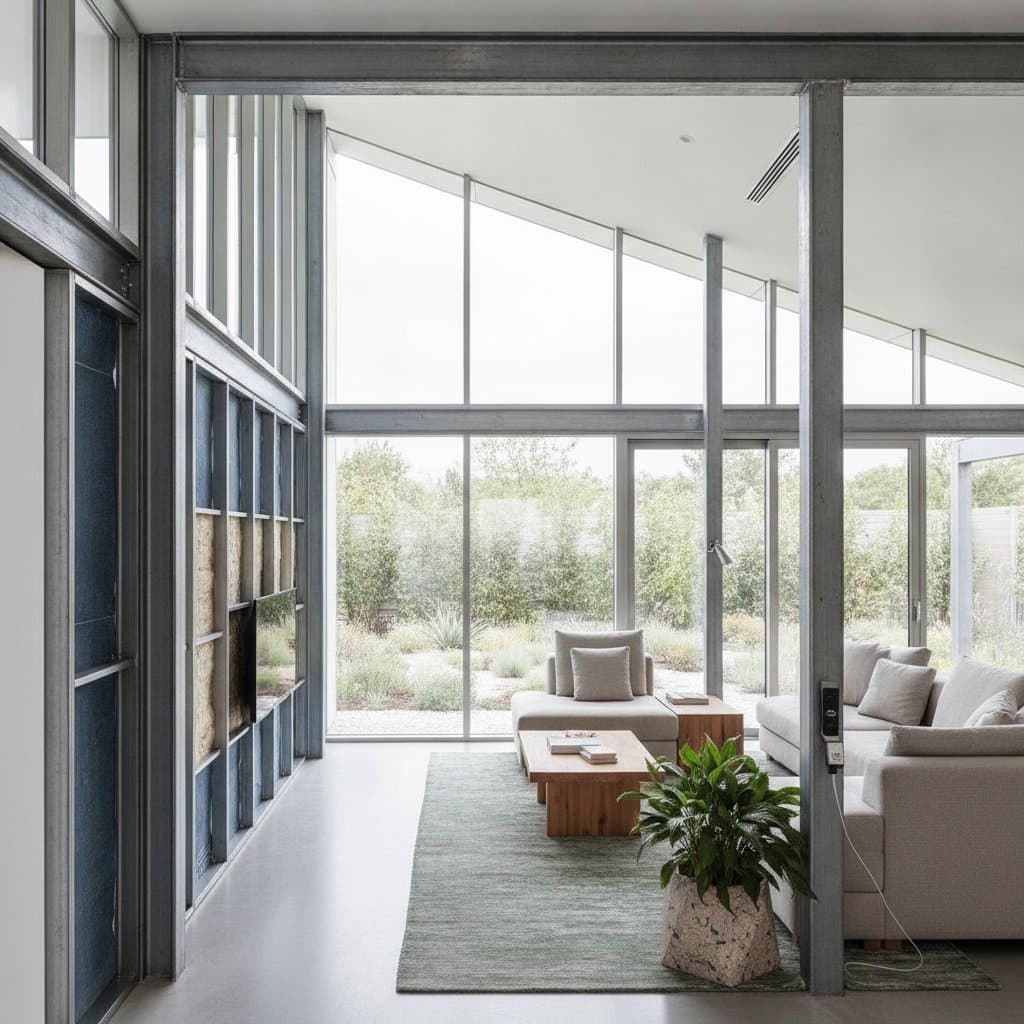
Sustainability extends beyond energy conservation to encompass well-being, ease, and endurance. Modular green expansions commonly incorporate paints with low volatile organic compounds, cabinetry free of formaldehyde, and permeable wall assemblies that elevate indoor air standards. Strategies for natural illumination, including high-level windows or roof openings, lessen reliance on electric lighting and support better emotional balance.
Materials engineered for resilience, such as framing from recycled steel, synthetic wood alternatives for outdoor areas, and panels resistant to humidity, prolong the structure's service life and curb long-term repair expenses. These elements safeguard the addition from elemental damage, infestations, and general deterioration over years of exposure.
Adapting Designs to Individual Needs
Modular construction stands out for its versatility. Owners may commence with a compact workspace or visitor quarters and subsequently attach further units for creative studios or larger communal zones. The accuracy inherent in factory production guarantees that subsequent pieces integrate flawlessly with prior installations.
This flexibility also facilitates inclusive and intergenerational accommodations. Elements like broader entryways, reduced step heights, and configurable sanitary facilities can form part of the original blueprint, avoiding later modifications as household dynamics shift.
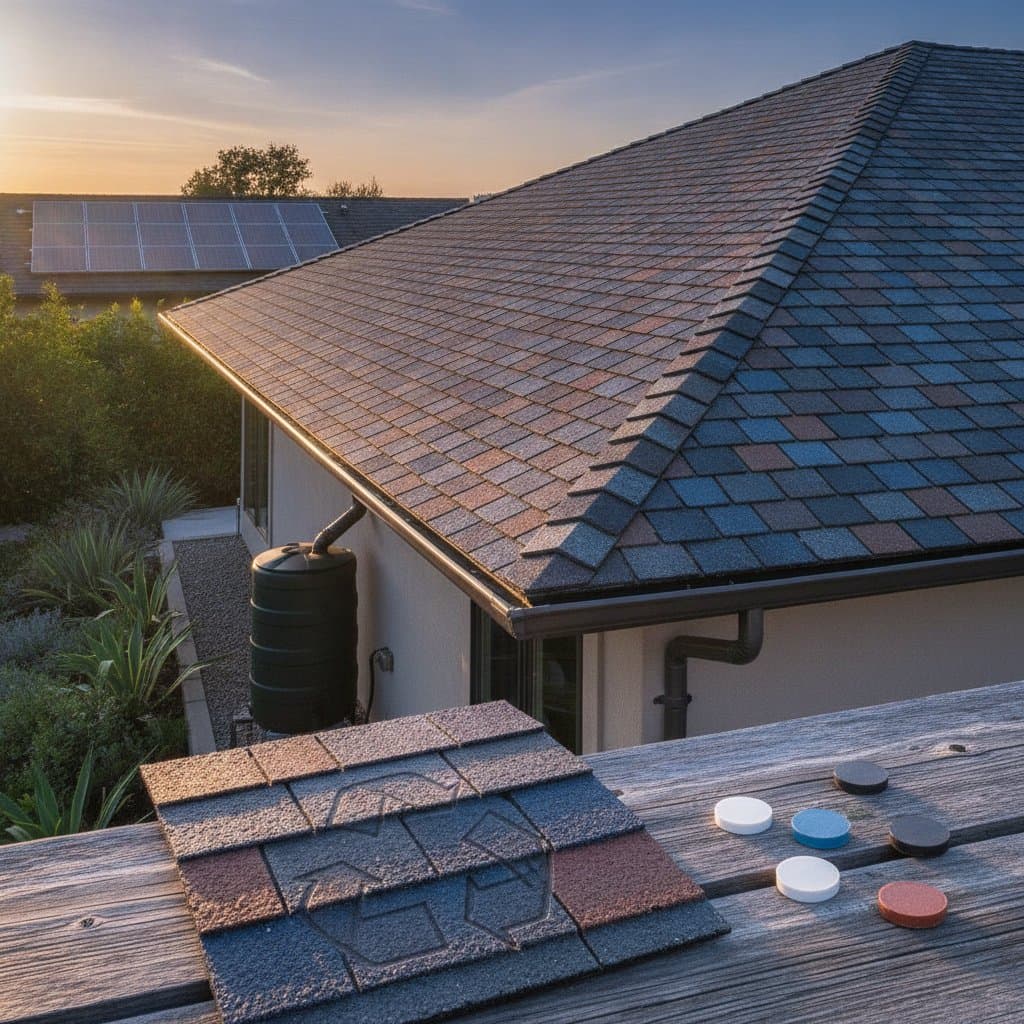
Regional climates influence optimal choices. In warmer locales, selections might include roofs that reflect heat and protective eaves, whereas colder environments favor multi-layered glass and orientations that capture southern sunlight. Collaboration with regional experts ensures year-round suitability and performance.
Steps to Implement Modular Expansion
Prospective owners should initiate the process with thorough evaluation of their site's configuration, foundational integrity, and regulatory approvals. Engage an architect or specialized builder versed in modular techniques to facilitate seamless incorporation into the current residence.
Seek comprehensive analyses of lifetime expenses rather than isolated bids. Investments in superior energy features, though initially elevated, generate substantial savings across the addition's duration. Confirm that suppliers adhere to established benchmarks like Energy Star or equivalent green building certifications to validate reliability.
Funding options differ by situation. Equity-based loans serve many, while specialized green programs provide favorable rates for efficient projects. Account for regional rebates supporting renewable integrations or eco-materials.
Post-installation, sustain optimal function via routine checks in varying seasons, timely filter changes, and verification of seals. Diligent upkeep upholds efficiency levels and sustains the benefits of comfort and worth.
Enhancing Life Through Sustainable Growth
Modular green additions transcend mere enlargement of area. They elevate daily experiences, lighten ecological impacts, and fortify the economic stability of the home.