Key Points
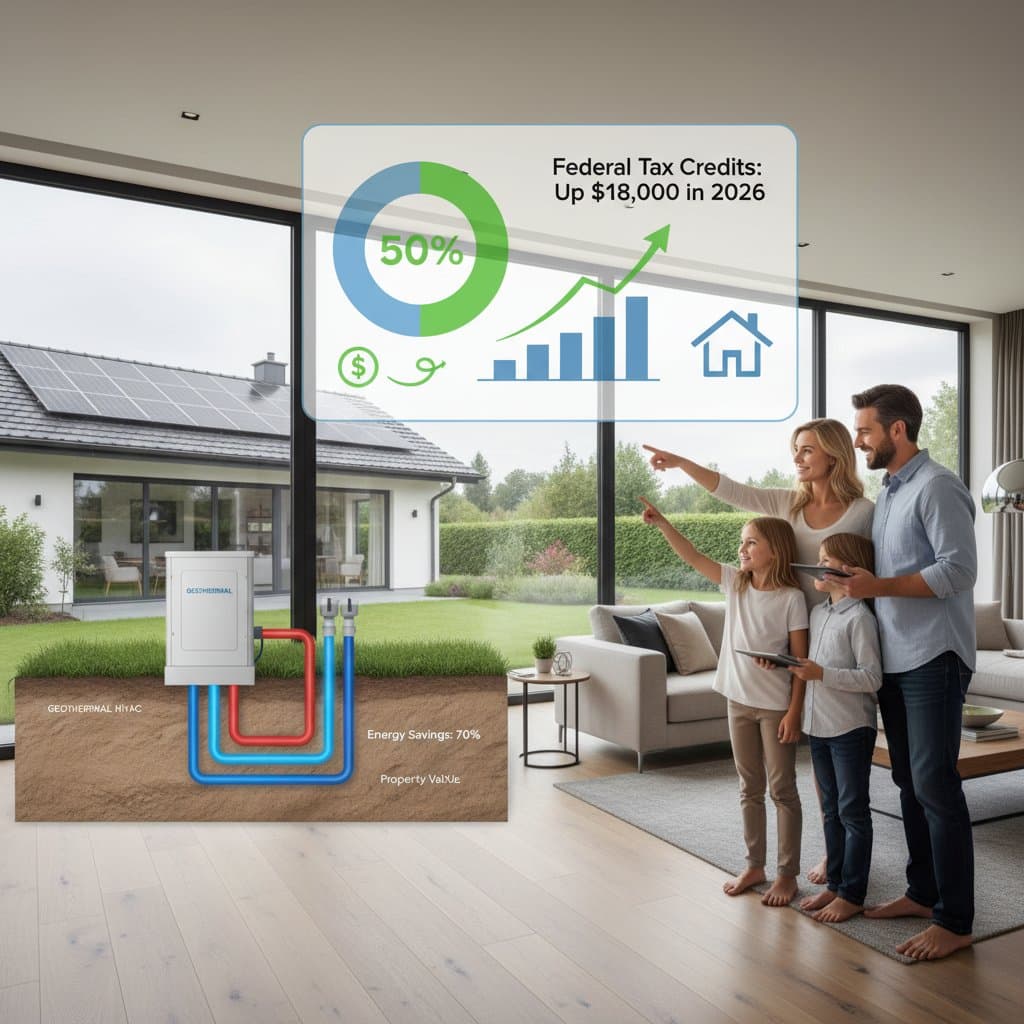
- Federal tax credits for geothermal HVAC systems reach up to $18,000 by 2026, covering roughly half the installation cost for many homes.
- These ground-source heat pumps deliver 40 to 70 percent savings on utility bills relative to traditional air-source or gas systems.
- Return on investment typically occurs within eight to twelve years, influenced by local energy prices, system size, and site-specific factors.
- Optimal performance demands thorough site assessment, including soil testing, alongside installation by certified professionals to meet incentive requirements.
- Geothermal adoption improves indoor comfort, system durability, home resale value, and environmental footprint through zero on-site emissions.
Understanding Geothermal Systems and Their Core Benefits
Geothermal systems harness the stable temperatures found several feet below the earth's surface to regulate home heating and cooling. The technology employs underground loops filled with fluid to extract heat from the ground in winter and dissipate excess heat in summer. This method requires minimal electricity to operate the pump, focusing on heat transfer rather than direct generation, which sets it apart from conventional furnaces or air conditioners.
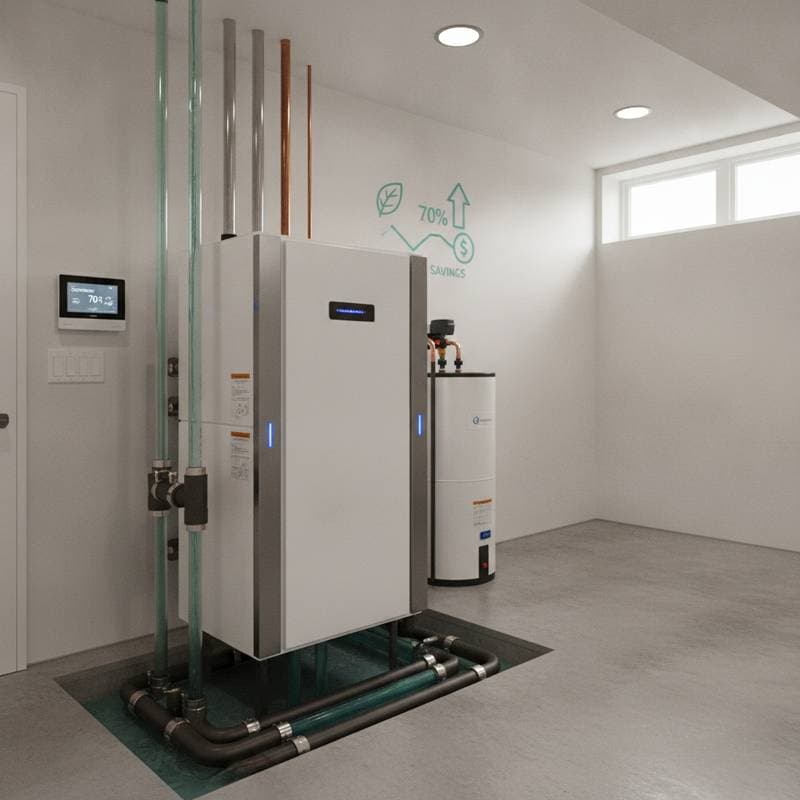
The financial advantages become evident through consistent energy reductions. Industry analyses indicate potential decreases of up to 70 percent in heating expenses and 50 percent in cooling costs for average households. For families facing annual energy bills in the range of $2,000 to $4,000, these savings accumulate to $20,000 or more over two decades, offsetting upfront investments and yielding positive net returns.
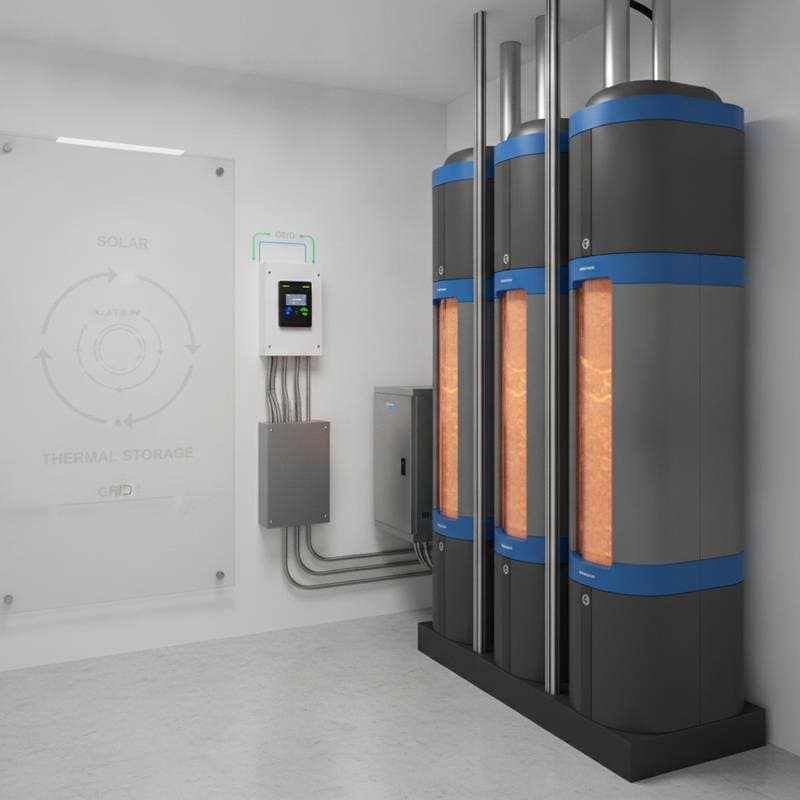
On the environmental front, these systems generate no direct emissions at the point of use, contributing to cleaner air and reduced reliance on fossil fuels. Their silent operation avoids the disruptive noise from external units, and integration with solar panels or other renewables positions homes toward energy independence and lower carbon profiles.
Breaking Down Costs, Incentives, and Return on Investment
Residential geothermal installations generally cost between $20,000 and $40,000, varying by factors such as square footage, loop type, and local labor rates. Horizontal closed-loop systems suit properties with ample yard space and prove more budget-friendly than vertical drilling or open-loop alternatives that draw from groundwater. Site evaluations, including geological surveys, guide the selection of the most suitable configuration to balance upfront expenses with long-term efficiency.
Federal incentives significantly lower the barrier to entry. The tax credit, part of the Inflation Reduction Act, escalates to 30 percent of qualified costs, capped at $18,000 starting in 2026, with additional state rebates available in many regions. After applying these, net outlays often fall to $15,000 to $25,000. With annual savings averaging $1,500 to $2,500 based on U.S. Energy Information Administration data, payback periods range from eight to twelve years under typical conditions.
Post-recovery, the system generates pure profit for its remaining lifespan, which spans decades. Underground loops endure 50 years or longer with proper installation, while above-ground components last 20 to 25 years. In real estate markets, homes equipped with geothermal technology attract premiums of 3 to 5 percent, as buyers prioritize predictable utility costs amid rising energy prices and climate concerns.
Enhancing Health, Comfort, and System Longevity
Geothermal systems excel in delivering uniform indoor climates by leveraging earth's consistent thermal energy, minimizing temperature fluctuations that plague ducted air systems. This even distribution reduces energy waste from overworking units to correct hot or cold zones, fostering a more pleasant living environment year-round.
Health benefits arise from the design's inherent safety features. Without combustion processes, risks of gas leaks or carbon monoxide exposure vanish entirely. The closed-loop setup filters out outdoor pollutants and allergens, improving air quality for residents with sensitivities or respiratory issues.
Durability further strengthens the case for geothermal. Lacking exposed outdoor elements, the system withstands weather extremes better than traditional units, resulting in fewer repairs and extended service intervals. Annual maintenance involves simple tasks like filter changes, keeping operational costs low and reliability high over time.
Steps to Install and Qualify for Geothermal Incentives
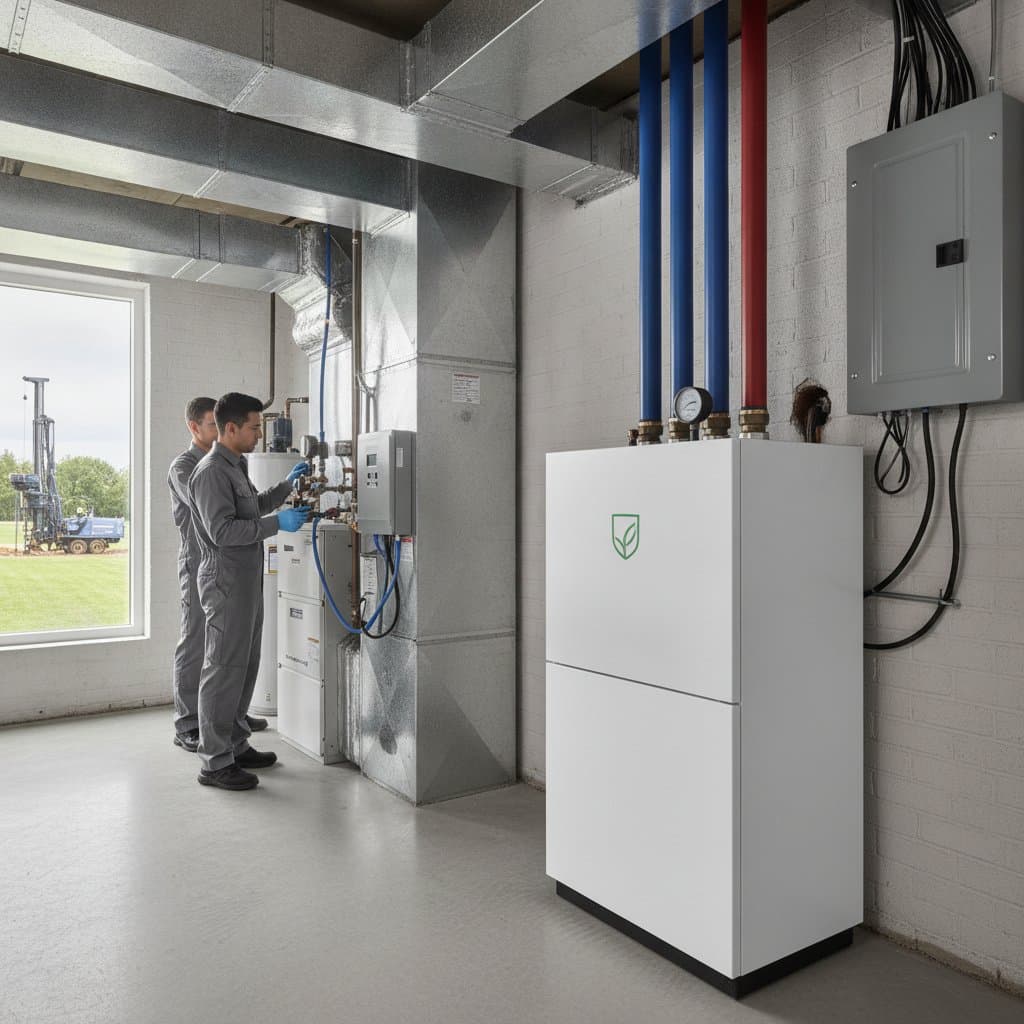
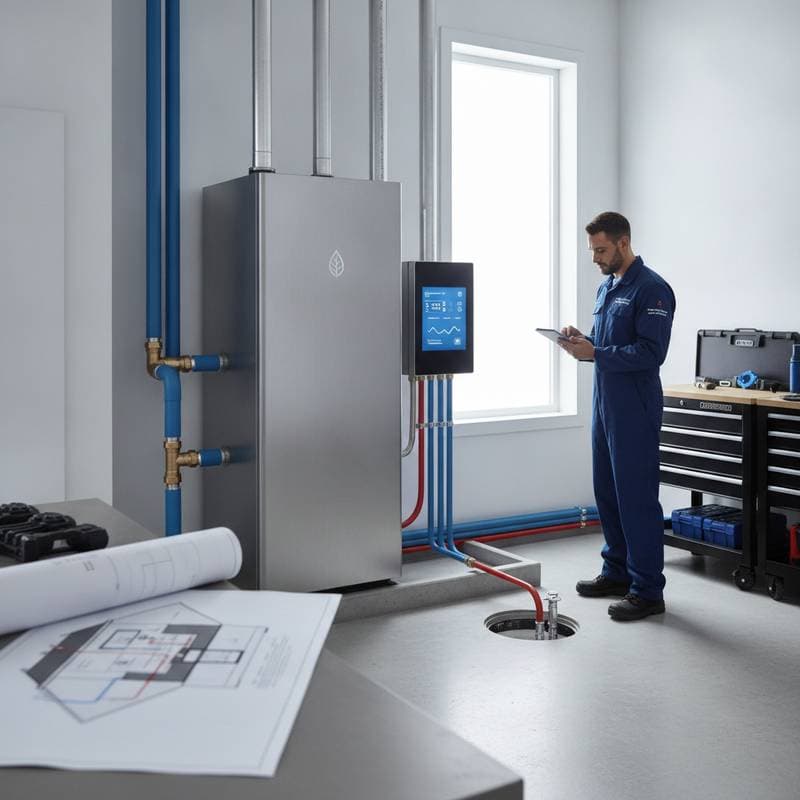
Begin by consulting a certified geothermal contractor through organizations like the International Ground Source Heat Pump Association. Request a comprehensive site assessment to evaluate soil conductivity, water table levels, and space constraints, ensuring the design aligns with your home's heating load calculated via Manual J protocols.
Next, verify eligibility for federal and local incentives. Systems must meet Energy Star standards and incorporate qualified components to claim the full tax credit; retain all documentation, including receipts and certifications, for IRS filing. Explore utility rebates or low-interest loans from programs like those offered by the Department of Energy to further reduce costs.
During installation, oversee the process to confirm adherence to best practices, such as proper loop burial depth and insulation integration. Post-installation, monitor performance with smart thermostats to optimize efficiency and track savings against baseline utility data.
Securing Lasting Value Through Geothermal Adoption
Investing in geothermal HVAC extends beyond immediate savings to build a resilient, future-proof home. Property owners gain peace of mind from reduced environmental impact and enhanced marketability in an era of sustainability-focused buyers. By acting now to leverage expanding incentives, individuals position themselves for decades of reliable comfort and financial security.