Geothermal Heating and Cooling: Slash Energy Bills by 40-70%
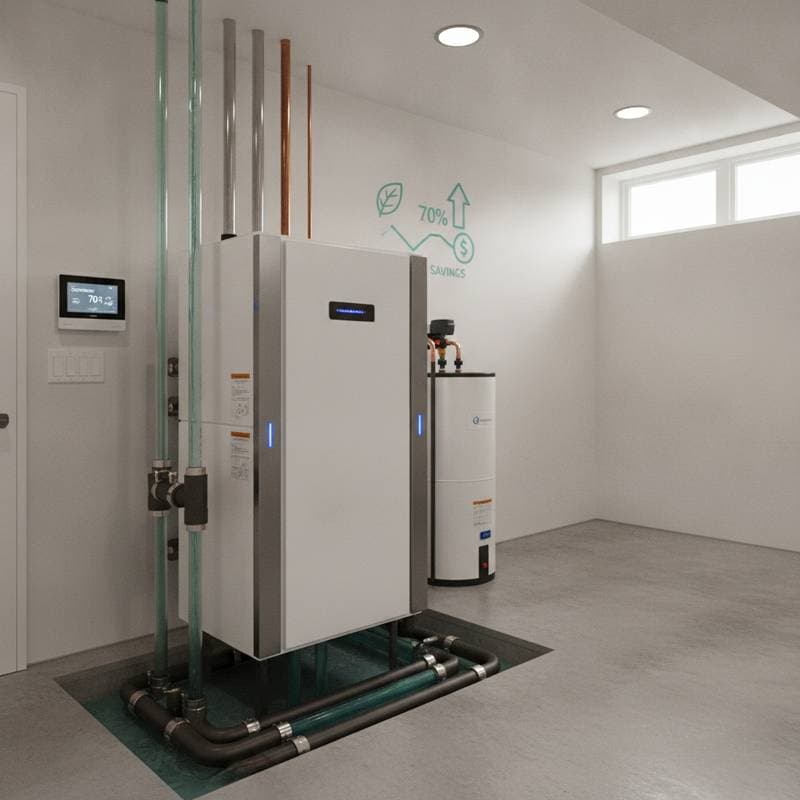
Geothermal heating and cooling systems draw on the earth's consistent underground temperatures to deliver efficient comfort throughout the year. These systems achieve energy savings of 40 to 70 percent over conventional heating and cooling approaches. Homeowners gain lower utility costs, higher property values, and reduced environmental impact.
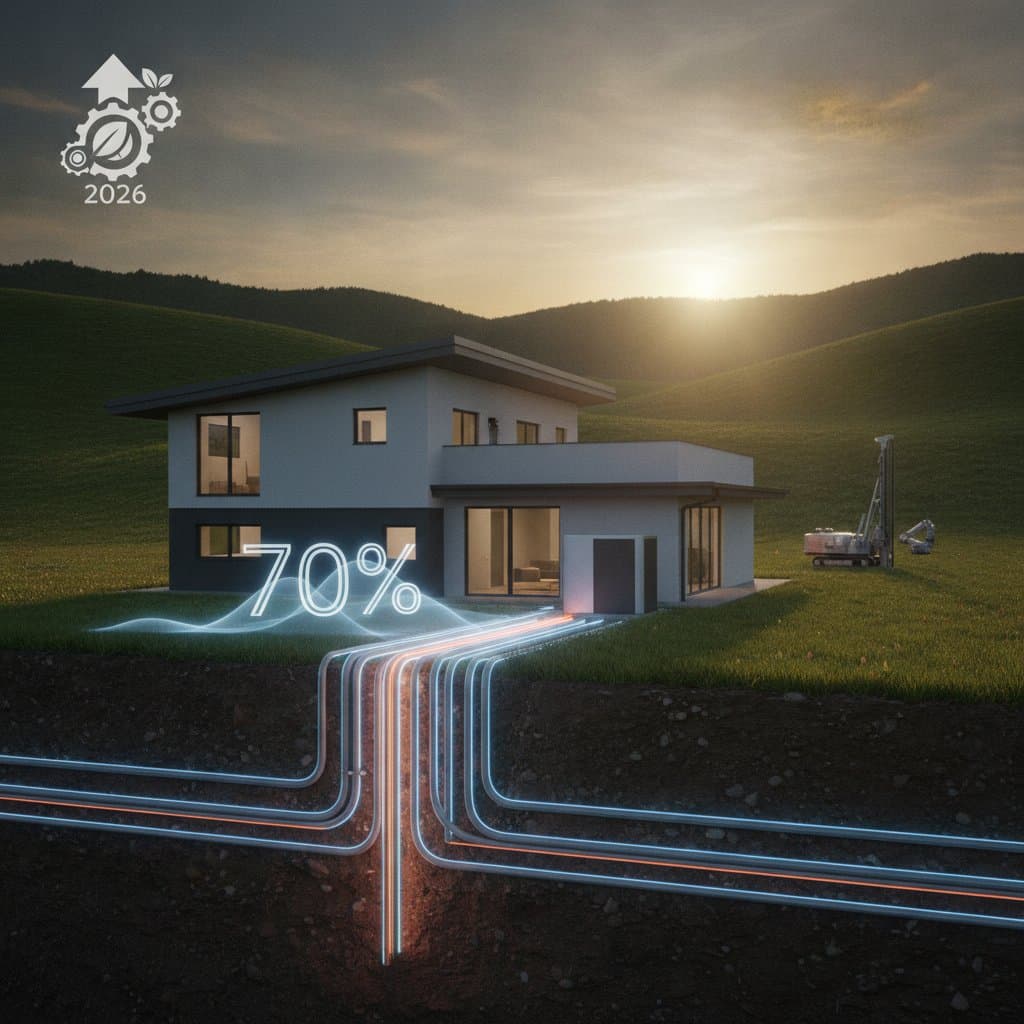
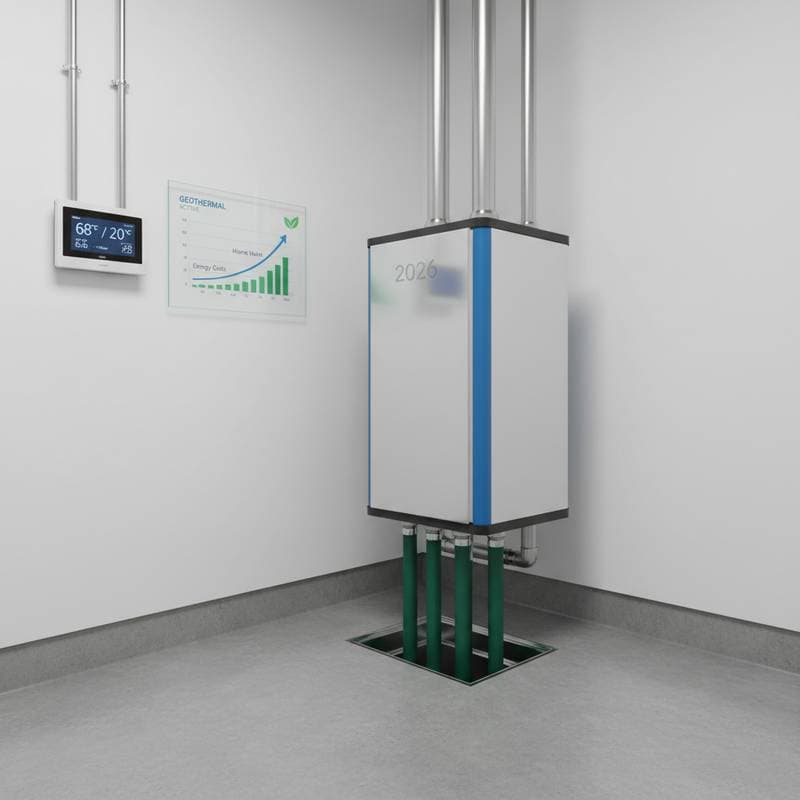
A ground-source heat pump forms the heart of every geothermal setup. This device moves a water-based fluid through underground pipes known as the loop field. In winter, the fluid pulls heat from the ground and transfers it inside. During summer, it removes excess indoor heat and deposits it back into the earth.
Multiple loop designs accommodate various property types:
- Closed-loop horizontal systems use shallow trenches and suit homes with large yards.
- Closed-loop vertical systems involve deep boreholes, fitting well on small or rocky sites.
- Pond or lake loops utilize adjacent water sources for cost-effective heat exchange.
- Open-loop systems draw directly from groundwater, performing strongly where aquifers exist.
Experts tailor these configurations to match local soil conditions, climate patterns, and space constraints. This flexibility enables installations across urban properties, suburban homes, and expansive rural lands.
Installation Costs and Return on Investment
Expect residential geothermal systems to range from $20,000 to $40,000 in total cost, influenced by home size, loop configuration, and site requirements. Tough soil or remote water access can raise expenses through additional drilling or piping. Larger residences or complex terrain often demand the upper end of this spectrum.
The upfront investment pays off quickly through substantial savings. With 40 to 70 percent reductions in energy bills, most systems recover costs within five to ten years. After payback, owners benefit from low ongoing expenses for decades. Underground loops last 50 years or longer, and indoor components endure 20 to 25 years under regular maintenance.
Geothermal stands out among home improvements for its enduring financial returns. Solar panels rely on variable sunlight, and added insulation provides only initial benefits, but geothermal delivers continuous savings on both heating and cooling. Homes with these systems attract eco-conscious buyers, frequently selling for 5 to 10 percent more.
Key Performance Metrics
Efficiency measures help evaluate system performance. The Coefficient of Performance (COP) quantifies heating output relative to electricity input. Standard furnaces hover around a COP of 1, whereas geothermal systems deliver 3 to 5, generating three to five units of heat for each unit of power used.
Cooling efficiency uses the Energy Efficiency Ratio (EER). Typical air conditioners range from 10 to 15, but geothermal models reach 20 to 30. These figures support steady indoor temperatures and humidity levels, eliminating uneven spots or drafts found in older systems.
Field studies validate these ratings. Across different climates, geothermal setups use 50 to 70 percent less electricity than air-source heat pumps while maintaining optimal comfort.
Durability and Resilience Advantages
Geothermal elements resist wear from weather and time. Buried loops protect against sunlight, temperature swings, and accidental damage. Indoor heat pumps bypass outdoor risks such as frost or dirt buildup.
This sturdy construction means minimal upkeep. Homeowners need only replace air filters annually and arrange professional checks every few years. Maintenance demands fall 60 percent below those of traditional HVAC systems, reducing surprise repair bills.
Across 20 years, total ownership costs for geothermal prove 30 to 50 percent lower than for oil, gas, or electric resistance heating. This dependability aids in reliable financial planning and reduces daily worries.
Health and Indoor Comfort Gains
Geothermal technology improves indoor air quality by skipping combustion that produces harmful emissions like carbon monoxide. Built-in filters trap particles, pollen, and bacteria, creating healthier spaces for occupants.
The systems keep humidity at 30 to 50 percent, which prevents mold and irritants from thriving. Fans operate below 50 decibels, quieter than a conversation, unlike the drone of standard units. Many users notice deeper sleep and fewer allergy symptoms in these environments.
Such enhancements quietly improve quality of life. Households with geothermal report greater contentment with even temperatures and overall health.
Financing Options and Incentives
Initial expenses concern many, but financing tools make geothermal attainable. Energy-efficient mortgages incorporate projected savings into longer repayment periods. Home equity loans or specialized green financing provide favorable terms for eligible borrowers.
Public programs further lower barriers. Federal tax credits reimburse 30 percent of costs until 2032. Local utilities and states offer rebates worth thousands, depending on the area; certain programs grant up to $5,000 outright.
Start by contacting certified professionals to pinpoint available support. Detailed quotes show post-incentive expenses, often trimming payback periods to fewer than seven years.
Essential Steps for Design and Installation
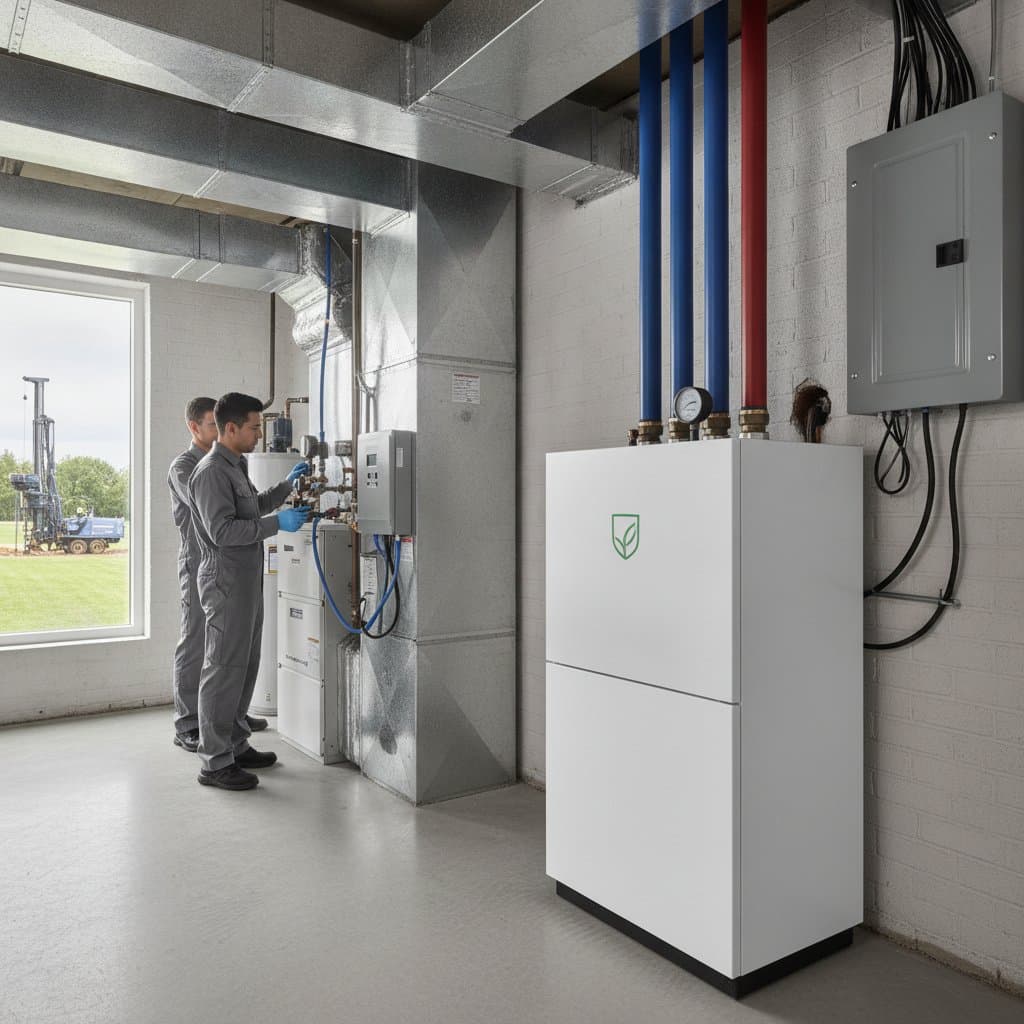
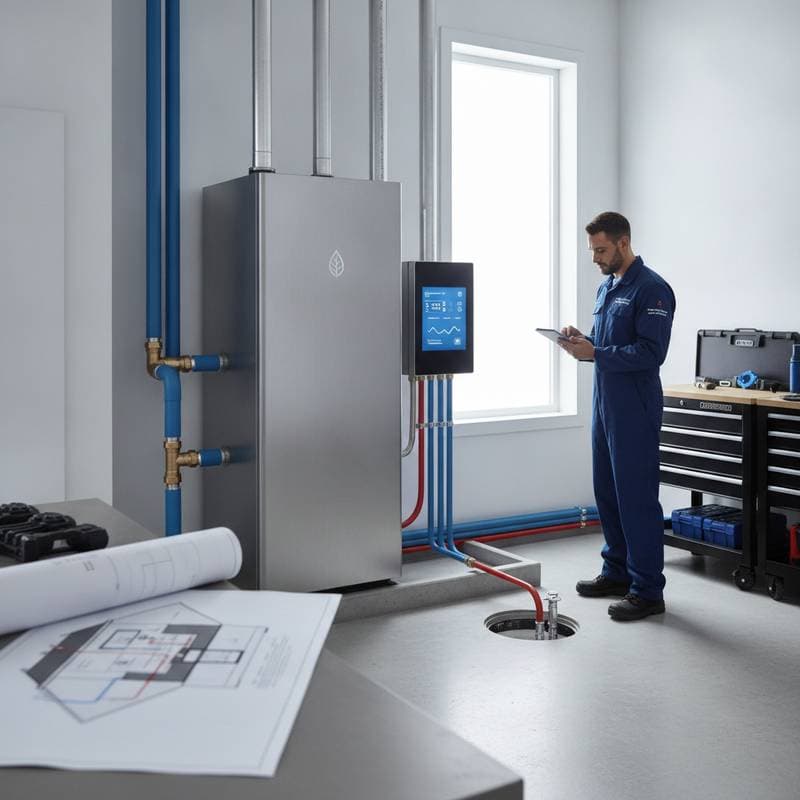
Effective geothermal requires precise planning. Technicians perform heat load calculations to determine the right system capacity. Soil analyses guide loop placement and materials for maximum output.
Choose installers certified by the International Ground Source Heat Pump Association. These specialists follow protocols for excavation, pipe laying, and system connections. Steer clear of errors like short loops, which reduce efficiency by up to 20 percent.
Gather multiple bids that specify expected savings, coverage periods, and project schedules. Confirm details on permits, site restoration, and yard repair. Solid groundwork ensures smooth addition to existing homes or new constructions.
Addressing Frequent Concerns
Can geothermal work in existing homes? Yes, retrofits suit nearly all buildings. Work proceeds in stages to limit disruption, typically wrapping up in one to two weeks.
How does it handle extreme cold? Stable ground temperatures of 45 to 75 degrees Fahrenheit at depths below six feet support operation in climates down to -20 degrees Fahrenheit without extra heating.
What maintenance is required? Replace filters every three months and book yearly inspections. The loops need no attention over their full service life.
Are the systems quiet? Indoor components run at whisper levels comparable to a library, with zero outdoor compressor noise.
Can it pair with solar? Yes, combining geothermal with solar panels cuts electricity needs further, often reaching net-zero energy use.
Steps to Adopt Geothermal Today
Audit your home's current energy patterns to identify savings potential. Schedule a site visit with qualified local specialists for tailored advice. Review financing and incentive options to establish a realistic budget. Proper execution transforms your home into an efficient, comfortable haven amid escalating energy costs.