Key Points
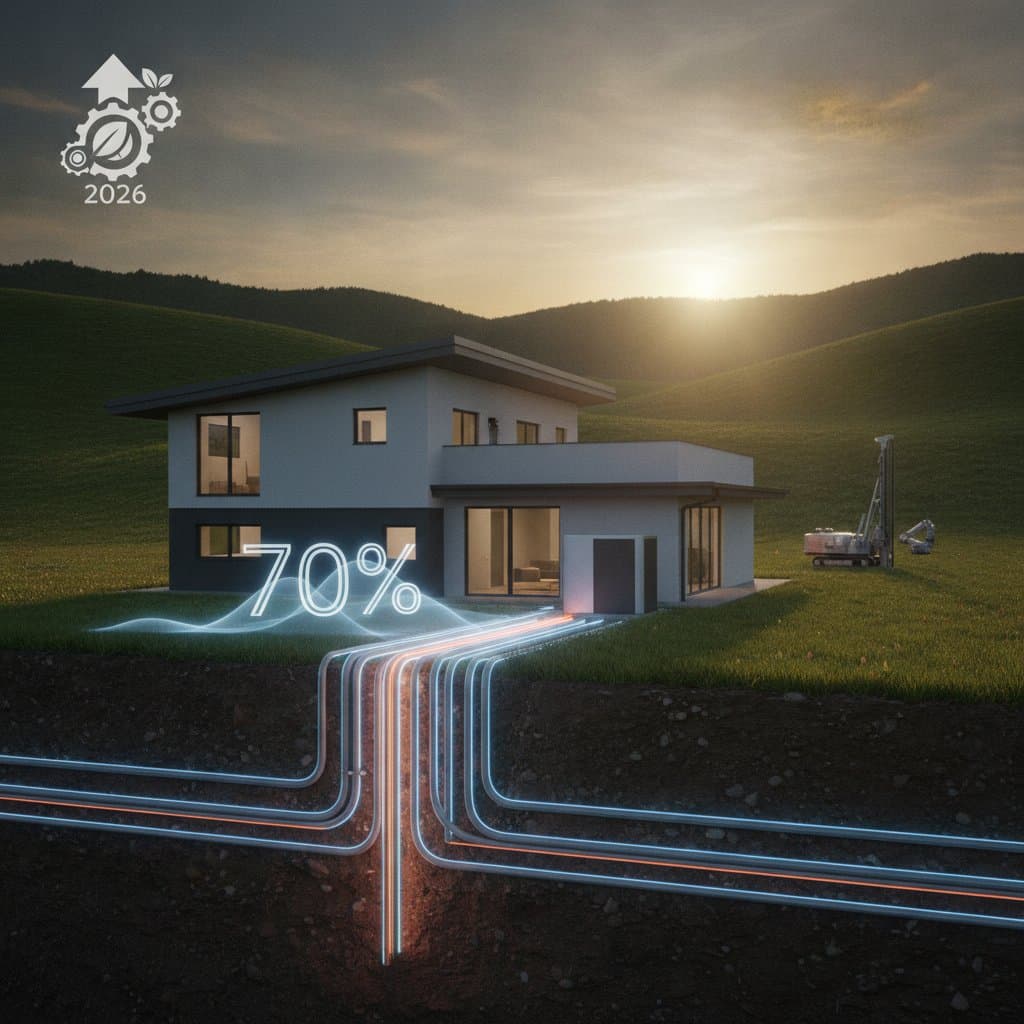
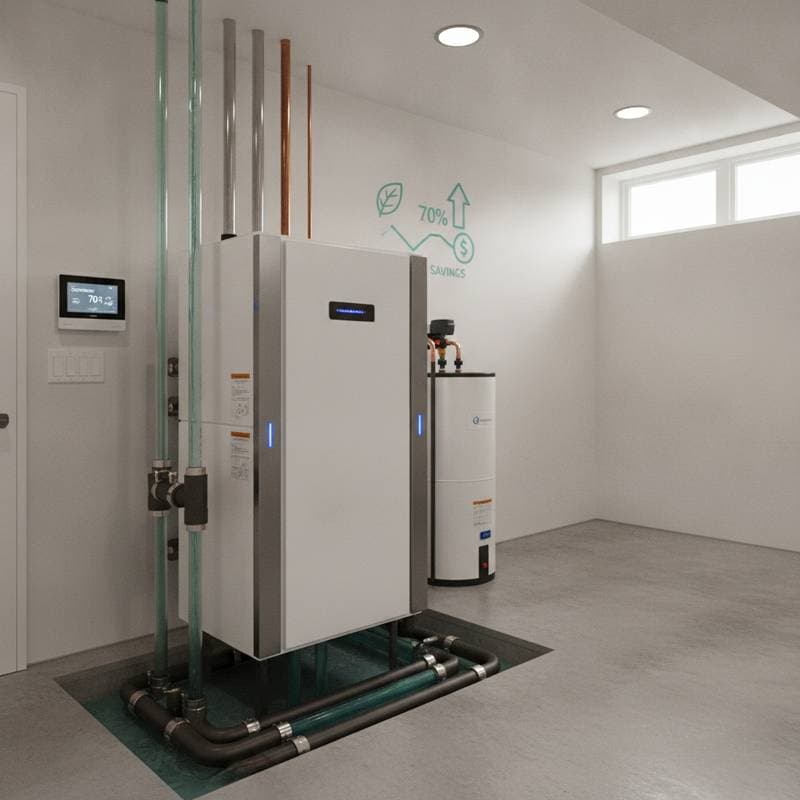
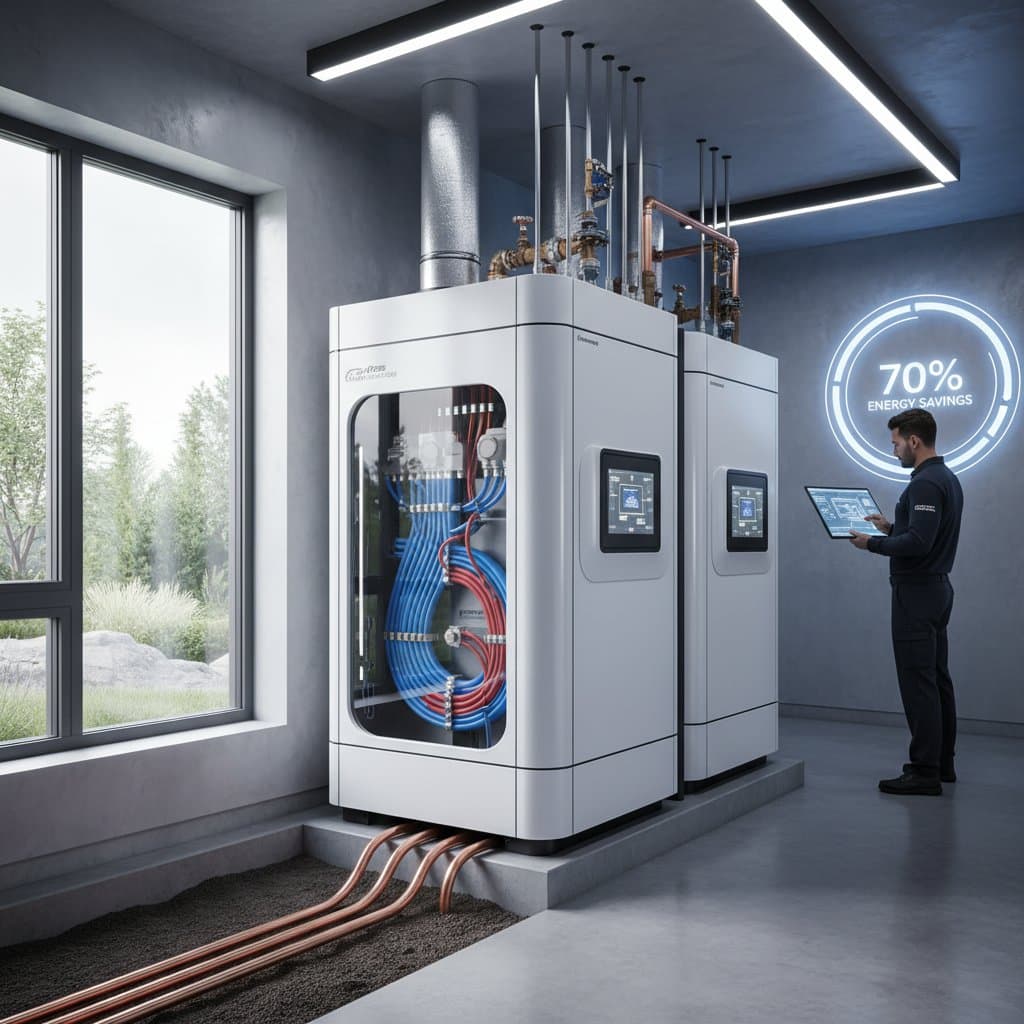
- Geothermal HVAC systems reduce household energy use by up to 70 percent compared with conventional heating and cooling systems.
- Homeowners typically recover installation costs within seven to ten years through reduced utility bills and available rebates.
- Modern ground-source heat pumps operate more quietly, last longer, and demand less maintenance than standard air-source systems.
- Government incentives, utility rebates, and advancing technology accelerate adoption in residential and commercial sectors.
- Proper installation and system design prove essential for optimal efficiency and enduring reliability.
Harnessing Stable Underground Energy
Consider accessing clean, reliable comfort from the earth directly beneath a property. Traditional HVAC systems struggle against fluctuating outdoor temperatures, whereas geothermal systems utilize the consistent thermal energy located mere feet underground. This stable resource maintains a near-constant temperature, enabling the system to transfer heat efficiently rather than produce it from scratch. Consequently, energy consumption decreases sharply, and monthly utility bills decline noticeably.
Data from the U.S. Environmental Protection Agency indicates that geothermal heat pumps achieve efficiencies of 300 to 600 percent. This means the systems deliver three to six units of heating or cooling for each unit of electricity consumed. In contrast, even efficient gas furnaces seldom surpass 98 percent efficiency. Such disparities lead to reduced operating expenses and a diminished carbon footprint.
Understanding Geothermal HVAC Operations
The foundation of a geothermal HVAC system consists of the ground-source heat pump, which circulates a water-based fluid through underground loops. In winter, these loops extract heat from the ground and deliver it indoors via a distribution network. In summer, the process inverts: the pump extracts indoor heat and deposits it into the cooler earth.
Several loop configurations exist to suit different sites:
| Loop Type | Description | Typical Use Case |
|---|---|---|
| Horizontal Closed Loop | Pipes laid in shallow trenches over a broad area | Properties with sufficient land space |
| Vertical Closed Loop | Vertical pipes in deep boreholes | Smaller lots or urban environments |
| Pond or Lake Loop | Coils placed in adjacent water bodies | Sites near stable water sources |
| Open Loop | Direct use of groundwater, subject to regulations | Areas with reliable, high-quality water |
A correctly sized and installed system supplies heating, cooling, and even domestic hot water, forming a unified solution for continuous comfort.
Achieving Tangible Energy and Cost Reductions
Geothermal HVAC appeals financially due to its superior efficiency. The U.S. Department of Energy reports that homeowners can lower heating costs by up to 70 percent and cooling costs by up to 50 percent relative to traditional systems. These reductions frequently balance the elevated initial installation expense, which generally falls between fifteen thousand and thirty thousand dollars for a single-family residence.
Although the upfront cost appears significant, the investment yields strong returns. Utility bills decrease right away, and systems endure beyond two decades with limited upkeep. The underground loops often persist for fifty years or longer. When paired with incentives like tax credits and utility rebates, geothermal HVAC evolves from a premium choice into a sound financial decision.
For instance, a homeowner facing three thousand dollars yearly in heating and cooling expenses might save approximately two thousand dollars annually post-installation. These cumulative savings transform the system into an asset that generates profit over time.
Environmental Advantages and Enhanced Living
Geothermal systems extend beyond economics to support environmental sustainability. They relocate existing heat without combusting fuel, resulting in no direct emissions. Paired with renewable electricity sources, they function entirely without carbon output.
Additional lifestyle improvements include:
- Quiet performance: Absence of external compressors or fans eliminates noise.
- Superior indoor air quality: Stable humidity reduces allergens and maintains freshness.
- Consistent comfort: Uniform temperatures avoid drafts or uneven heating in forced-air setups.
- Minimal upkeep: Fewer components and no combustion lead to reduced failures.
Experts view geothermal technology as a connection between convenience and environmental awareness. Adopting such a system lowers emissions and expenses, fostering sustainable habits without compromising daily ease.
Insights from Specialists and Industry Growth
Dr. Laura Freeman, an energy systems engineer with more than two decades of practical experience, notes that geothermal HVAC adoption surges due to technological progress and supportive policies. "The efficiency levels we are seeing now are unmatched in the residential market," she stated. "When homeowners realize they can cut energy use by 60 to 70 percent while improving comfort, the conversation quickly shifts from cost to opportunity."
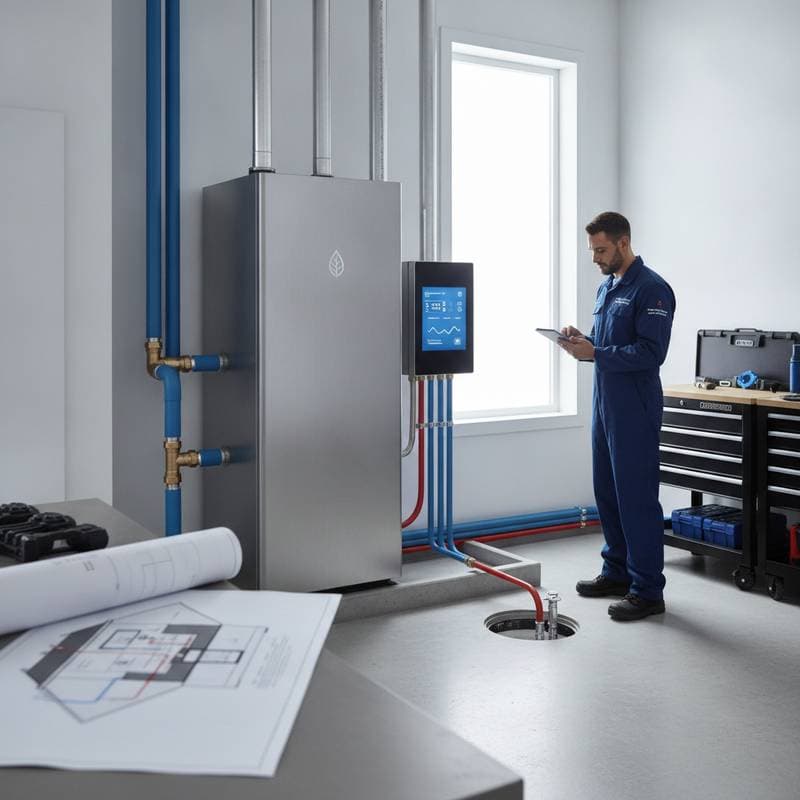
Manufacturers enhance compressors, loop materials, and controls for greater compactness and dependability. Remote monitoring software enables technicians to oversee performance, minimizing on-site visits and optimizing efficiency. New constructions increasingly feature geothermal-compatible designs to meet rising demand.
Commercial applications expand as well. Institutions such as schools, hospitals, and office complexes adopt shared geothermal networks for facility-wide climate control. These initiatives highlight the technology's scalability and establish its viability for sustained use.
Essential Factors for Successful Installation
Geothermal HVAC suits many scenarios, yet site-specific elements shape the approach. Evaluate these aspects prior to proceeding:
- Soil and rock characteristics: Dense formations raise drilling expenses; loose soils demand stabilization measures.
- Available land: Horizontal loops require extensive surface area compared to vertical options.
- Water resources: Proximity to ponds or aquifers enhances certain loop efficiencies.
- Current setup: Older homes may need ductwork or electrical modifications for integration.
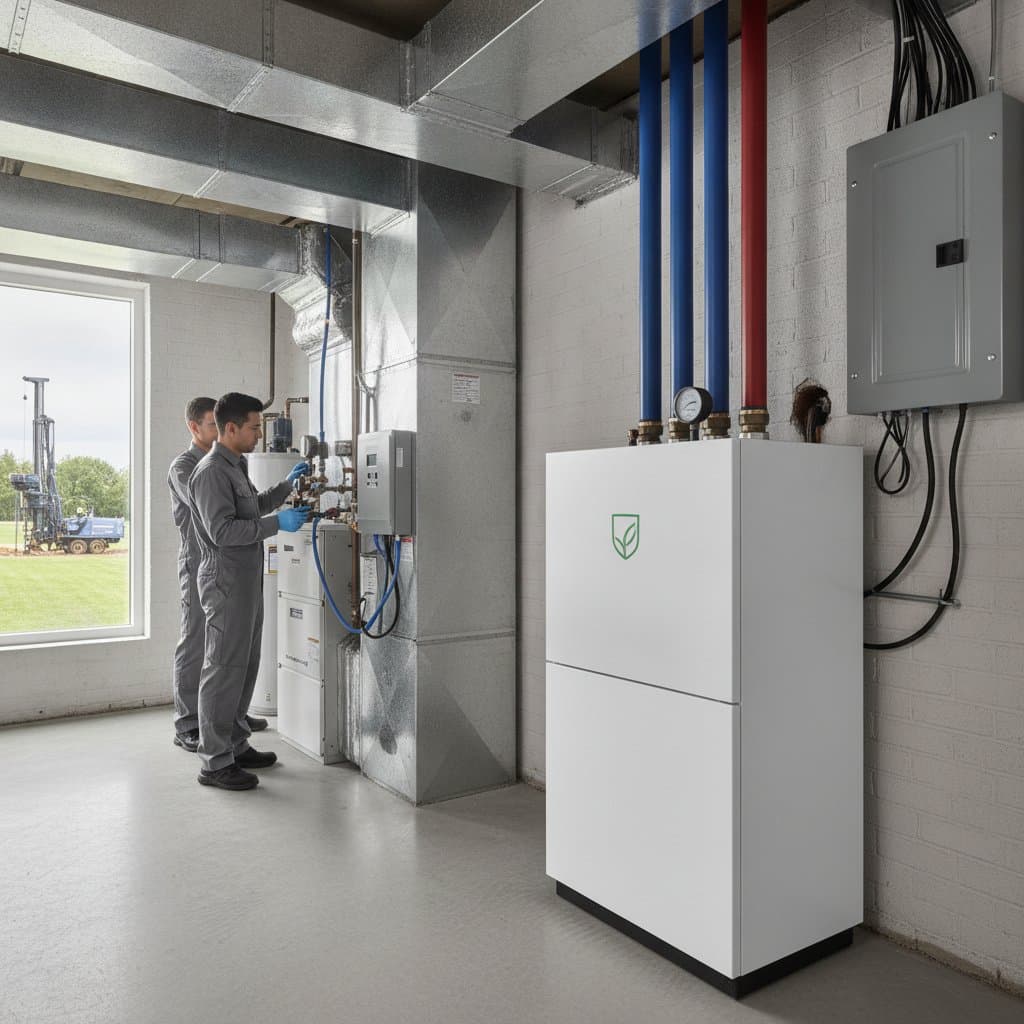
- Professional qualifications: Select certified installers familiar with local regulations and geological conditions.
Conduct a comprehensive site evaluation to confirm appropriate sizing and output. Overlooking this can result in inefficient loops, suboptimal performance, or elevated running costs.
Steps to Implement Geothermal HVAC
Shifting to geothermal HVAC demands preparation, yet guidance simplifies the path. Start with an energy audit to assess current usage and project savings. Secure estimates from vetted installers who detail equipment choices and rebate opportunities.
For new builds, embed loops during construction to minimize expenses. When replacing outdated units, explore hybrid systems that leverage existing infrastructure for reduced upfront investment.
Post-installation, routine tasks like filter replacements and yearly checks suffice for peak operation. Owners frequently find that after initial use, the system integrates seamlessly, delivering ideal conditions with subdued energy demands.
Advancing Toward Sustainable Comfort
Geothermal HVAC transcends equipment replacement; it embodies energy autonomy and ecological stewardship. By accessing the earth's reliable thermal reserves, individuals secure reliable climate control, trim expenses, and support a reduced-emission tomorrow.