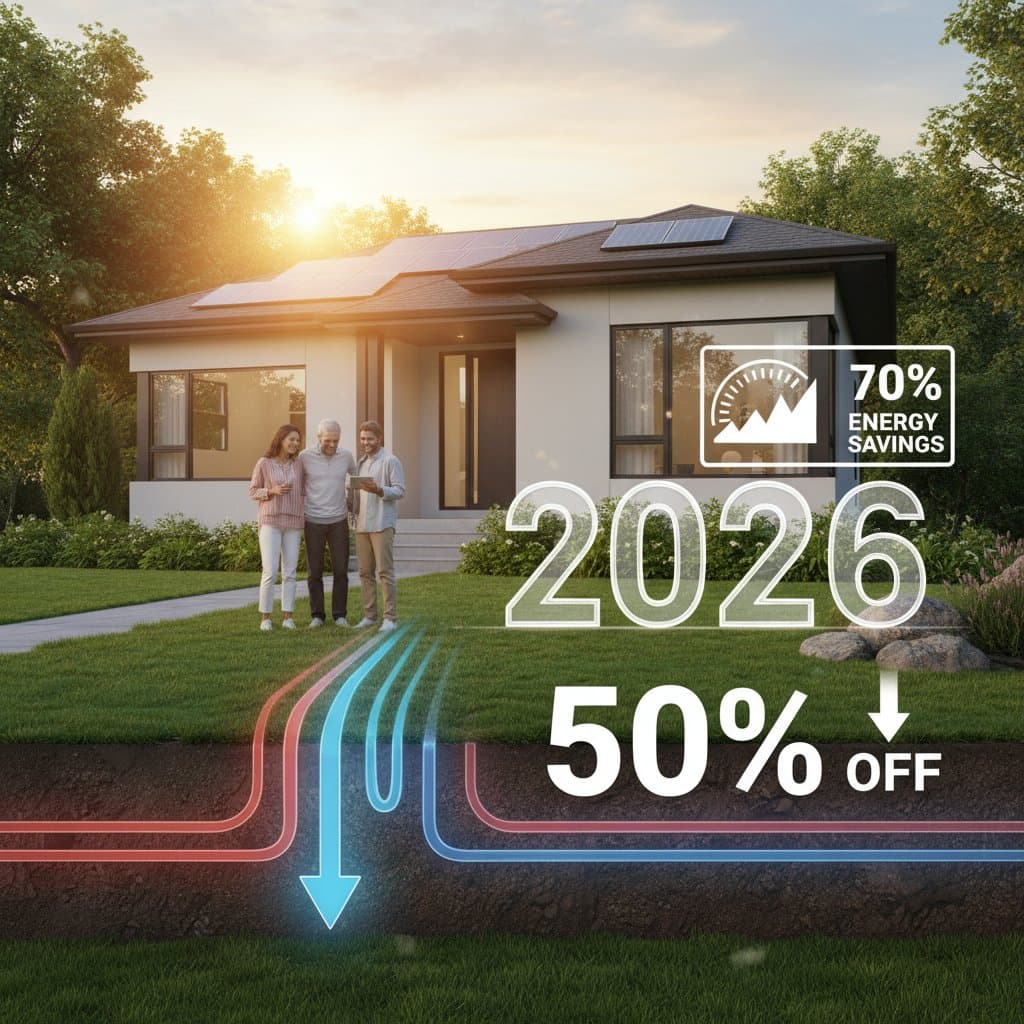
Geothermal Boom: 2026 Tax Credits Slash Energy Bills
When the monthly energy bill arrives, many individuals consider cleaner and more efficient options for heating and cooling their homes without excessive financial strain. Geothermal heating and cooling systems offer a reliable solution, and recent federal tax credit expansions make installation more accessible. These incentives position geothermal energy as a practical choice for sustainable home energy management.
Key Benefits of Geothermal Systems
- Homeowners qualify for federal tax credits that reduce upfront installation costs by a significant margin for geothermal heat pumps.
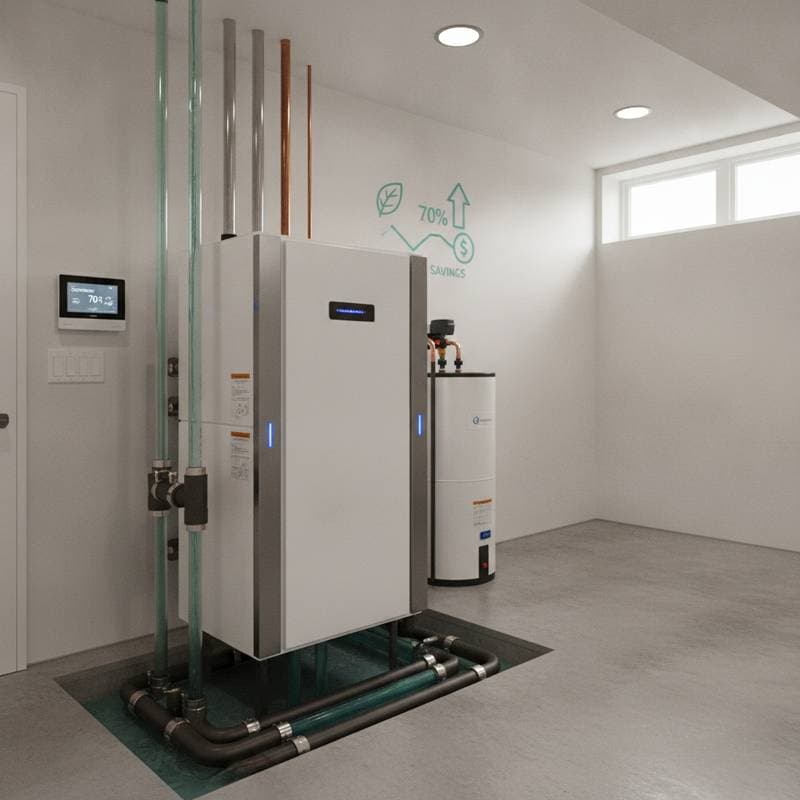
- These ground-source systems lower heating and cooling expenses by up to 70 percent relative to conventional HVAC setups.
- Incentives shorten the payback period from more than ten years to approximately five years or less.
- Maintenance requirements stay minimal compared to gas or oil-based alternatives, resulting in substantial long-term savings.
- Combined federal, state, and local programs render geothermal among the most economical renewable energy investments.
Details on the Tax Credits
The federal energy efficiency program offers a tax credit covering a portion of qualified geothermal system installation costs, including equipment, labor, and site preparation. This benefit extends to both new constructions and retrofits, enabling upgrades to existing properties or integrations into fresh builds.
For a $30,000 system, the credit offsets a considerable amount of the expense. State and local governments frequently provide supplementary rebates or low-interest loans. Utilities may issue additional rebates based on documented energy reductions, enhancing overall financial advantages.
Landlords benefit as well, since the program includes installations in rental or multi-family units. Such upgrades decrease operational expenses and attract environmentally aware tenants.
Addressing Installation Concerns
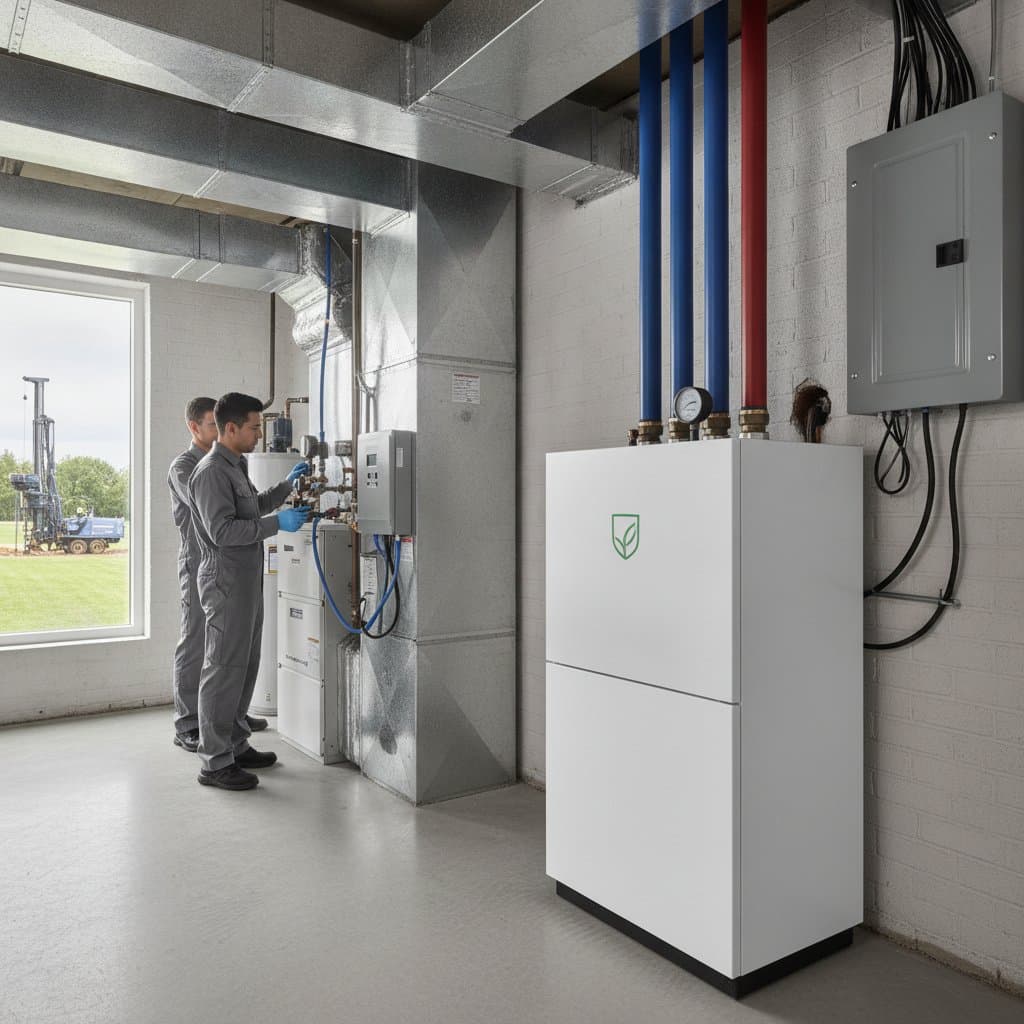
Homeowners often pause due to the need for underground loops, which appear complex or demanding of space. In practice, most sites support horizontal loops for expansive areas or vertical loops for compact urban and suburban settings.
The process requires only a few days, followed by low-maintenance operation. Buried loops endure for 50 years or longer, while indoor units function for 20 to 25 years.
Upfront expenses concern some, yet financing grows more available. Lenders provide specialized green loans with adaptable terms, and utilities offer on-bill repayment integrated into regular statements.
Environmental and Community Impacts
Geothermal systems draw from stable ground temperatures, eliminating on-site emissions from combustion. Transitioning from fossil fuel systems reduces a household carbon footprint by multiple tons each year.
Wider adoption creates jobs for local installers and maintainers. Neighborhood-scale implementations ease utility peak loads, strengthening grid stability.
According to the Geothermal Exchange Organization, broad uptake could decrease national residential energy use by over 10 percent in the coming decade. This change promotes energy security and fortifies community resilience.
Steps to Install Geothermal Systems
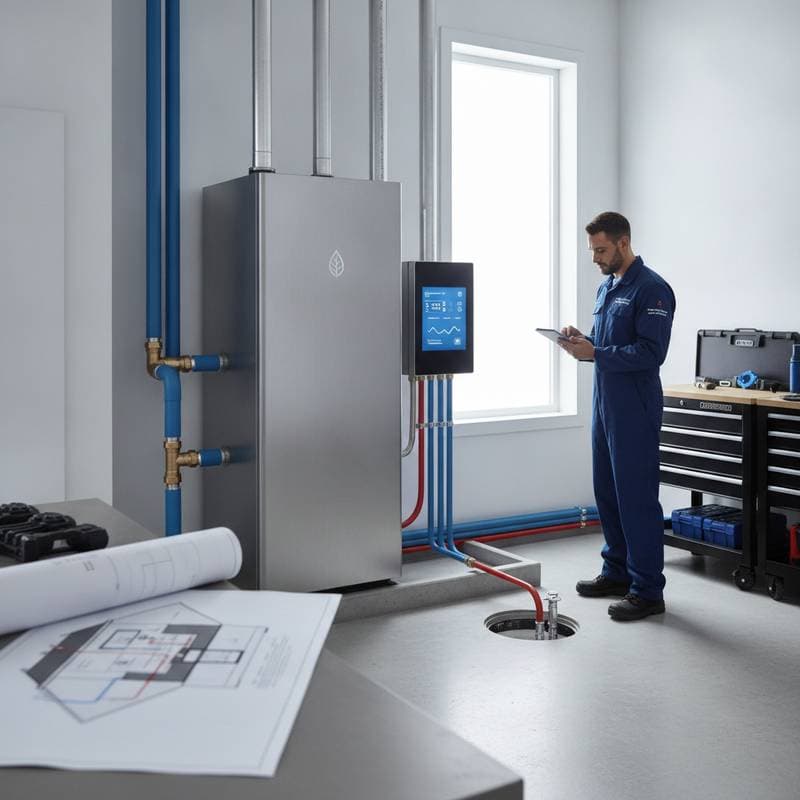
Prospective adopters should initiate with a professional energy audit to evaluate heating and cooling demands. A certified contractor assesses site suitability, including loop configuration, soil type, and equipment scale.
Investigate incentives across federal, state, and local sources, as certain programs demand prior approval. Obtain bids from several licensed professionals and review detailed savings forecasts.
Post-installation, track consumption via utility portals or integrated smart devices. Regular monitoring confirms efficiency, aids warranty processes, and validates rebate eligibility.
Advancing Sustainable Home Energy
Geothermal technology equips households with efficient, eco-friendly heating solutions. The 2026 tax credits accelerate access, yielding immediate savings and enduring benefits for individuals and communities alike.