Key Points
- Cool roofs reflect more sunlight than traditional materials, which reduces indoor heat gain and decreases air conditioning use by up to 25 percent.
- Reflective coatings provide a cost-effective retrofit option for existing roofs without requiring full replacement.
- Regional climate and roof design influence performance, so professional evaluation is essential before installation.
- Long-term savings encompass lower energy bills, extended roof life, and enhanced comfort during hot weather.
Why Cool Roofs Reduce Air Conditioning Costs by 25 Percent
Imagine the afternoon heat enveloping your neighborhood while your air conditioner operates at maximum capacity. Inside, you adjust the thermostat repeatedly, yet the rooms fail to cool evenly. As a green building advisor, I have observed this scenario numerous times. Homeowners often blame insulation or heating, ventilation, and air conditioning systems, but the root cause frequently lies overhead. The roof absorbs sunlight, warms the attic, and compels the cooling system to exert extra effort. A cool roof addresses this issue and improves both home comfort and efficiency.
Cool roofs function by reflecting more solar radiation and emitting absorbed heat more effectively than conventional roofing materials. When installed correctly, they lower roof surface temperatures by more than 50 degrees Fahrenheit in some cases. This reduction directly decreases interior heat gain, eases the load on air conditioning units, and lowers utility expenses each summer.
The Challenge: Increasing Cooling Demands in Hotter Climates
In numerous regions, escalating temperatures and extended heat waves elevate cooling expenses. In humid coastal zones, a dark asphalt roof absorbs up to 90 percent of solar energy. That heat transfers downward through attic spaces, elevating indoor temperatures long after sunset. Field studies in green building indicate that homes with untreated asphalt shingles incur up to 25 percent higher cooling costs than those with reflective surfaces.
Homeowners encounter two primary obstacles. Traditional roofing materials degrade more quickly under harsh sunlight, leading to discomfort and repair expenses. Many older homes also lack the reflective coatings or insulation mandated by current energy codes. Fortunately, a single upgrade resolves both concerns.
The Solution: Reflective Roof Systems
Contemporary cool roof systems integrate solar reflectance and thermal emittance. Solar reflectance quantifies the amount of sunlight the surface repels, while thermal emittance assesses how readily the roof dissipates retained heat. Superior cool roofs perform well in both metrics, substantially cooling attics on intense days.
Based on extensive field experience, I advise homeowners to assess their roof's existing state and orientation first. South-facing sections endure the greatest solar exposure and gain the most from reflective applications. Incremental enhancements in reflectivity lower peak temperatures and significantly reduce cooling requirements.
Strategies to Enhance Home Energy Efficiency
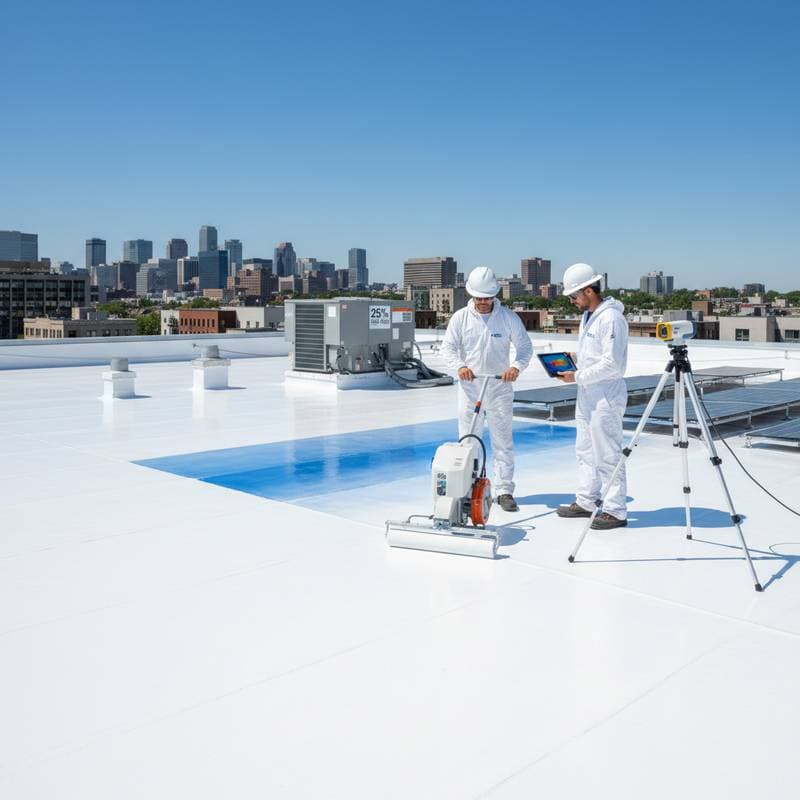
- Apply Reflective Coatings: Use acrylic or silicone-based products rolled or sprayed over current roofs. Expenses typically range from $1.50 to $3 per square foot, varying by product and surface preparation.
- Select Light-Colored Materials: During re-roofing, opt for white or light-gray shingles, tiles, or metal panels that inherently repel more sunlight.
- Inspect and Seal Gaps: Cracks or openings undermine effectiveness. Engage a professional to seal joints and flashing prior to coating application.
- Improve Ventilation: Pair cool roofing with attic airflow enhancements to ensure proper circulation and avoid moisture accumulation.
- Perform Regular Maintenance: Reflective properties diminish over time. Annual cleaning removes debris or algae that impair performance.
Assess Energy Shortfalls Proactively
A highly reflective roof integrates into your home's overall energy plan. Inadequate insulation or ductwork leaks diminish potential gains. As a green building specialist, I suggest combining cool roof installations with a comprehensive energy audit. This process uncovers opportunities like sealing attic penetrations or installing radiant barriers to amplify efficiency.
Essential Factors for Homeowners
Budgeting for a cool roof extends beyond upfront costs. Benefits include diminished cooling needs, prolonged roof durability, and available rebates for efficient products. Utilities and local governments in various areas provide incentives to cover portions of expenses. For average roof sizes, return on investment occurs within three to seven cooling seasons.
Broader Environmental Advantages: Reflective roofs conserve energy and mitigate urban heat islands. Cooler exteriors release less warmth into the atmosphere, improving conditions for entire communities.
Increased Durability: Reduced temperature fluctuations lessen thermal expansion and contraction. This minimizes cracking and distortion, prolonging the service life of roofing layers.
Health and Safety Improvements: Lower attic heat curbs emission of volatile compounds from warming materials. It also promotes superior indoor air quality in well-sealed structures.
Professional Installation Versus Self-Application: Certain homeowners apply coatings independently on simple roofs, but complex designs demand expert handling. Qualified contractors guarantee adequate preparation, uniform application, and adherence to warranties.
Compliance with Standards: Building codes increasingly require minimum reflectivity for new constructions. For LEED certification or ENERGY STAR qualification, verify product specifications for reflectance and emittance.
Steps to Implement Your Upgrade
Installing a cool roof represents a worthwhile investment in sustainability. Success depends on meticulous preparation. Begin with a detailed roof assessment, followed by consultation with a certified green building professional familiar with local conditions. They will suggest tailored solutions, such as heat-reflective coatings for dry regions or emittance-focused membranes for moist environments.
Post-installation, changes become evident quickly. Air conditioners run less often, attics maintain cooler temperatures, and interiors stay comfortable all day. These adjustments yield significant cost reductions and environmental contributions over time.
Frequently Asked Questions
How long does a reflective roof coating endure before reapplication?
High-quality coatings typically last 10 to 15 years with diligent upkeep. Routine cleaning and checks prolong effectiveness and sustain reflectivity.
Is it possible to apply cool roof coatings over shingles?
Coatings adhere optimally to flat or low-slope roofs like metal or membranes. For shingled roofs, replacing dark shingles with pre-manufactured reflective versions yields superior results.