Key Benefits of Recycled Plastic Roofing
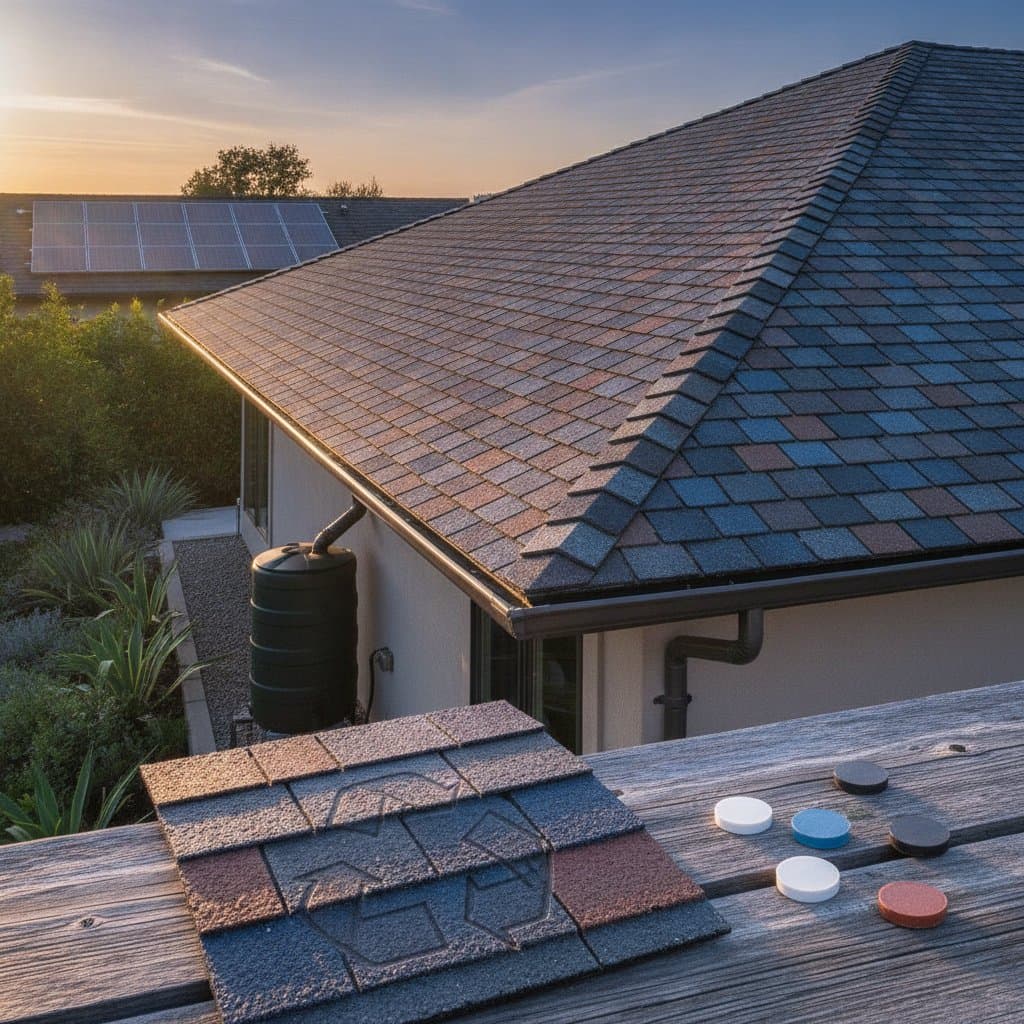
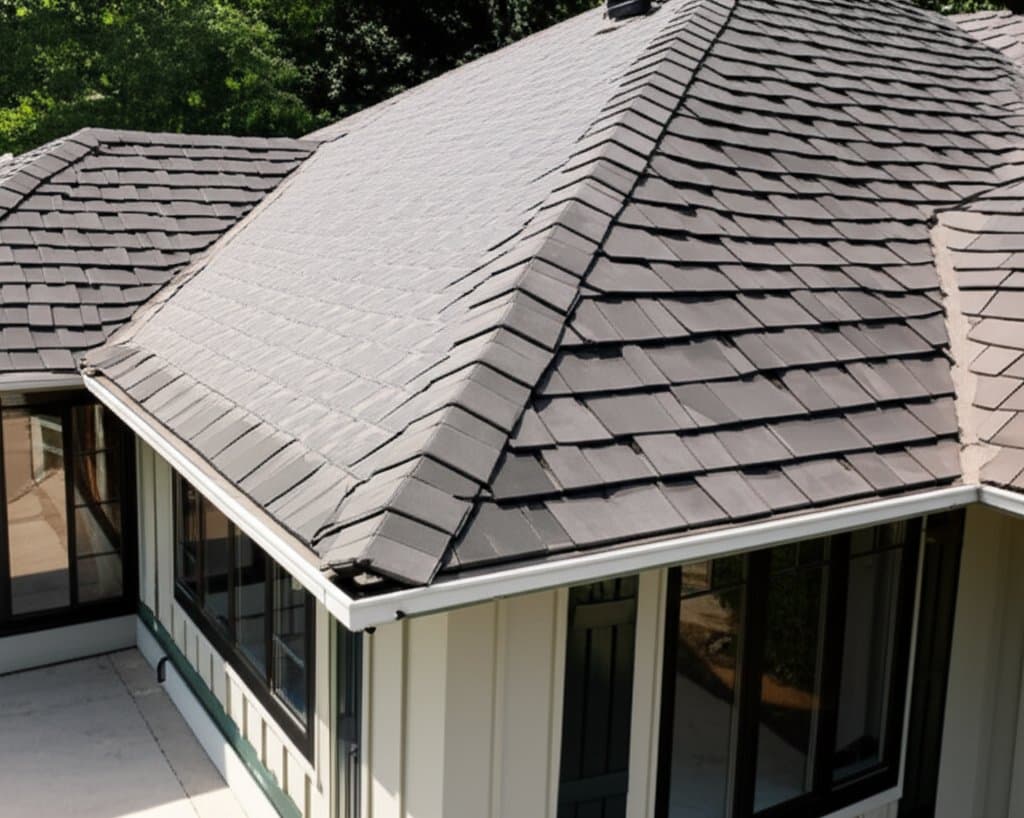
Recycled plastic roofing advances sustainable home design by combining durability, affordability, and environmental responsibility. Homeowners choose these materials to cut maintenance costs, reduce landfill waste, and boost property appeal. Modern options mimic the look of traditional slate or wood while offering greater longevity and resistance to severe weather.
Installation proves straightforward, and long-term returns make roof replacements more efficient. Opt for certified products from reputable manufacturers to ensure ecological benefits and structural strength. These features establish recycled plastic roofing as a smart choice for contemporary homes.
The Strategic Value of Recycled Plastic Roofs
A roof replacement counts as a major home investment, so selecting the right material matters for lasting results. Recycled plastic roofs help owners save money over time with longer lifespans, lower upkeep needs, and reduced energy use. Environmentally, they keep plastic waste out of landfills and oceans by turning items like bottles and packaging into durable building parts.
Financially, these roofs increase resale value by attracting sustainability-minded buyers. They also preserve natural resources by reducing demand for virgin materials. The lightweight design eases installation on new builds or existing roofs with little interruption.
In total, recycled plastic roofs cut ownership costs. Upfront prices match mid-range asphalt or premium metal systems, typically six to twelve dollars per square foot installed. Many carry warranties of fifty years or more with minimal maintenance, often lasting two to three times longer than standard shingles.
Detailed Cost Analysis and Return on Investment
Costs for recycled plastic roofing depend on design complexity, material quality, and regional labor rates. Typical ranges include:
- Standard composite panels: Six to eight dollars per square foot installed
- Advanced architectural styles: Nine to twelve dollars per square foot installed
- High-end, customized finishes: Twelve to fifteen dollars per square foot installed
Labor costs stay lower than for heavy slate or tile due to the easier handling of recycled plastics. Over thirty to fifty years, owners see forty to sixty percent savings in maintenance and replacements compared to asphalt.
Energy savings add to the value. Many recycled plastic roofs feature reflective surfaces that block solar heat, dropping attic temperatures and cutting cooling costs by ten to twenty percent. Pair them with proper insulation and ventilation for even greater gains in hot climates.
For resale, sustainable roofing raises home value by three to five percent in eco-aware markets. On a four hundred thousand dollar property, that adds twelve thousand to twenty thousand dollars, often covering much of the initial expense.
Core Sustainable Attributes and Performance Enhancements
Recycled plastic roofing goes further than simple eco-appeal; it serves as a comprehensive upgrade that improves multiple sustainability metrics.
Waste Diversion Strategies
One roof can divert thousands of pounds of plastic from landfills. Manufacturers often source from post-consumer items like detergent bottles and food packaging, giving everyday waste a second life.
Resource Efficiency Measures
Making recycled plastics uses much less energy than producing new ones, which lowers the roof's overall carbon footprint from manufacturing and shipping.
Durability and Extended Service Life
Longer performance means fewer replacements and less waste over time. This durability also reduces the need for new materials, packaging, and transport tied to repeated installations.
Indoor Environmental Benefits
Modern recycled plastic roofs avoid volatile organic compounds and harmful additives. They create a tight seal against weather, preventing moisture buildup and mold in attics to support better indoor air quality.
Circular Economy Integration
Some producers design products for recycling at the end of use, creating a closed-loop system that supports circular economy principles.
Common Questions About Recycled Plastic Roofing
What recycled content levels do these roofs usually include?
Quality products contain seventy-five to ninety-five percent recycled materials. The rest includes additives like stabilizers, pigments, and UV protectors for performance.
Can installation occur over existing shingles?
Yes, in many cases. The low weight permits overlay on one layer of old shingles if the deck remains sound and codes allow. Always check with a certified roofer and local rules.
Do these roofs hold up in extreme temperatures?
Yes. Recycled plastic stays stable in wide temperature swings, avoiding cracks in cold and warping in heat, which fits various climates.
Does color fade from sun exposure?
High-quality versions use through-color methods, mixing pigments into the material to resist surface wear from prolonged sunlight.
How to confirm a product's sustainability?
Look for third-party certifications on recycled content and environmental effects. Approvals from recognized green building programs or transparency reviews confirm high standards.
Can these roofs handle heavy loads like snow or solar panels?
Yes. Testing verifies load capacity. Ensure the product meets local snow load requirements or solar mounting needs.
Preserving Performance: Essential Maintenance Practices
Routine checks twice a year keep a recycled plastic roof in top condition. Inspect seams, flashing, and edges for signs of damage. Clear debris right away to avoid moisture traps, and use mild soap and water for cleaning; skip harsh chemicals.
Fix small problems like loose fasteners through pros to keep the warranty intact. After storms in risky areas, inspect promptly for issues. These habits ensure the roof stays effective, safe, and attractive for decades, maximizing the sustainable upgrade.