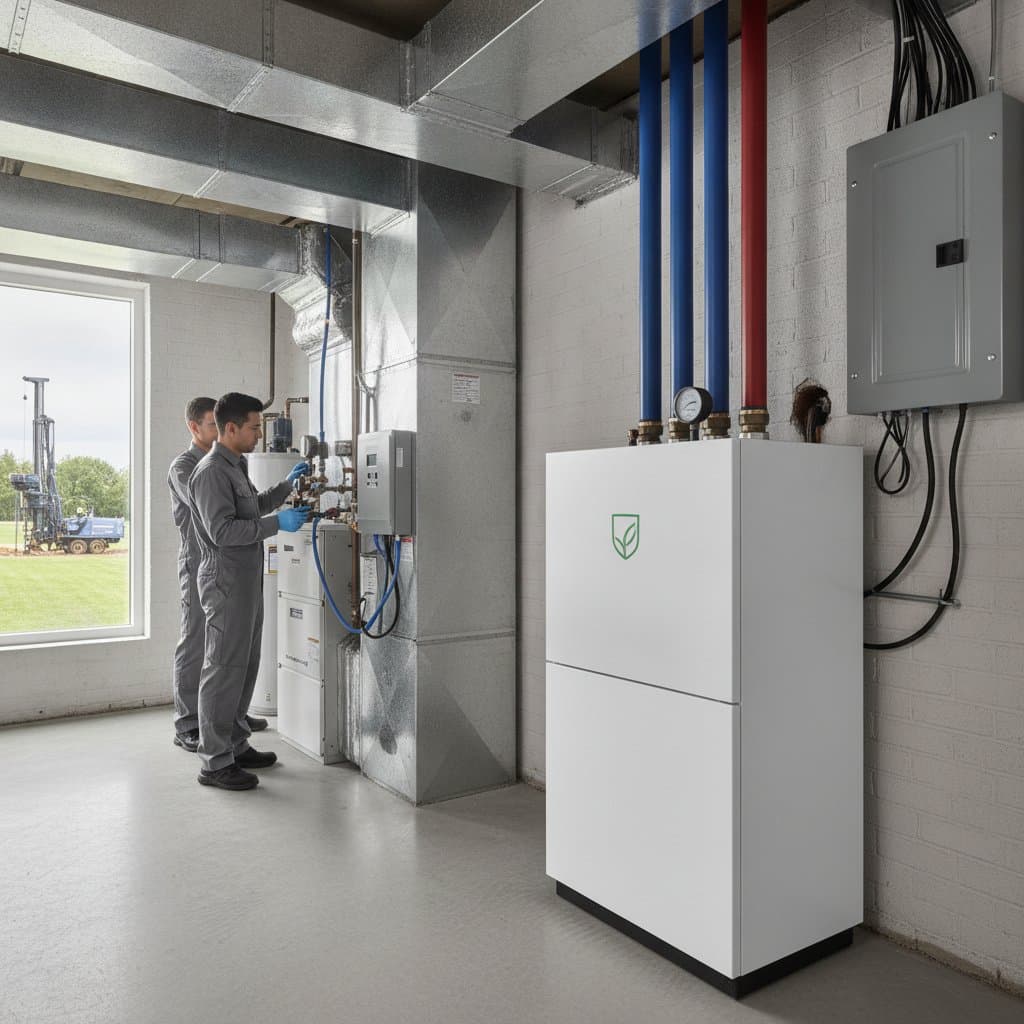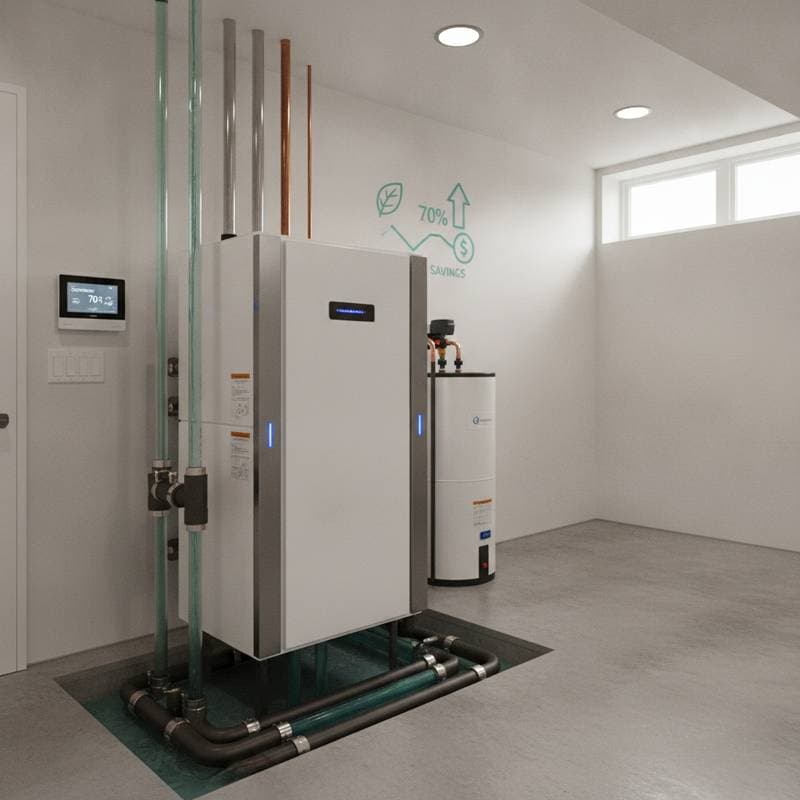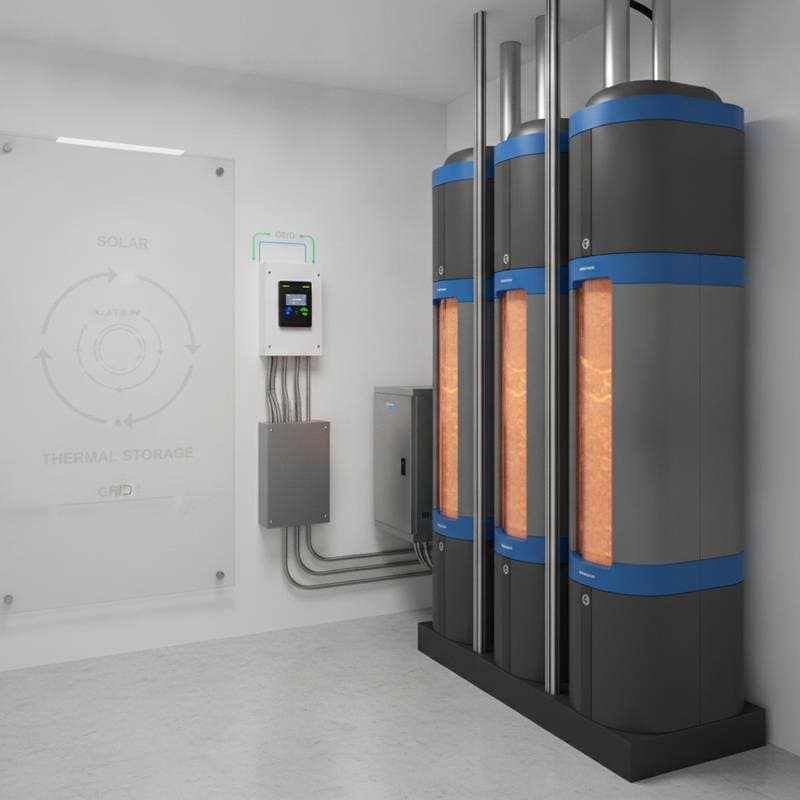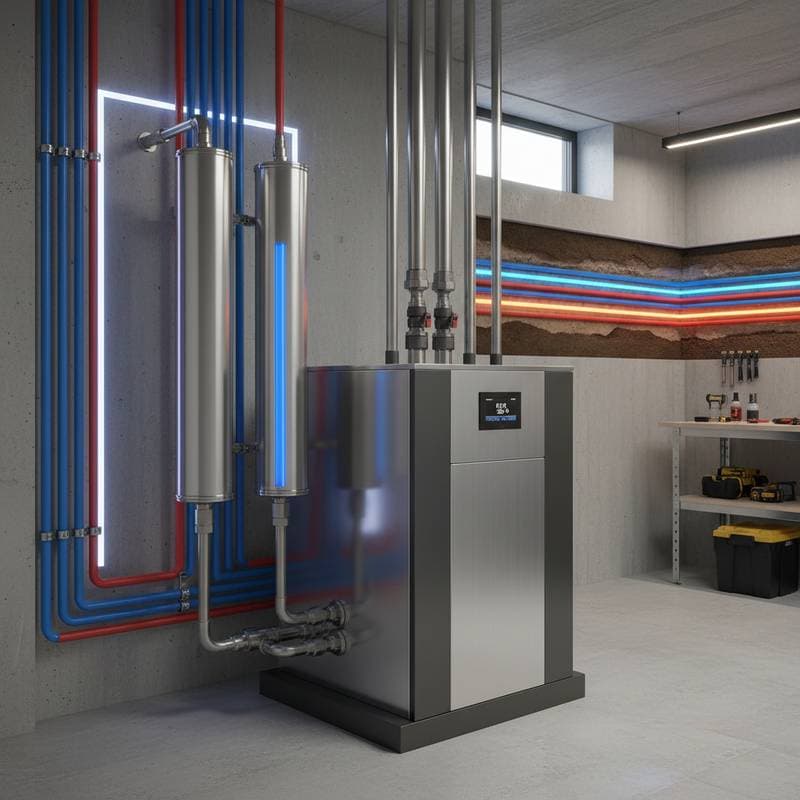
Because the ground temperature remains steady just a few feet below the surface throughout the year, geothermal equipment endures far less stress than traditional HVAC systems. Compressors function at reduced pressures, fans activate less often, and mechanical failures become rare. Consequently, indoor components typically last 20 to 25 years, while ground loops endure 50 years or longer.
Another advantage lies in the system's quiet performance, which many overlook. Without an outdoor condenser unit, exterior noise vanishes entirely. Inside, the unit produces only a soft hum, avoiding the disruptive on-off cycles of standard HVAC setups.
Balancing Costs and Returns
Homeowners often wonder if the initial investment justifies itself. The decision hinges on property features, local energy prices, and future goals. Consider these typical cost ranges for installation:
- Closed-loop horizontal systems: The most budget-friendly option, generally priced at $15,000 to $25,000.
- Vertical systems: Suitable for compact properties, ranging from $20,000 to $35,000.
- Open-loop systems: These draw from groundwater and may cost less under ideal conditions, but they demand stricter permits.
At first, these figures exceed those for efficient air-source heat pumps or central air conditioners. However, the return on investment arrives in five to ten years, influenced by household energy use. After that point, running expenses drop sharply, paired with decades of low-maintenance reliability.
Financing options, such as home equity loans or efficiency incentives, allow monthly savings to offset payments. Viewed through a financial lens, geothermal shifts costs from volatile bills to a stable asset that builds equity.
Environmental and Health Benefits
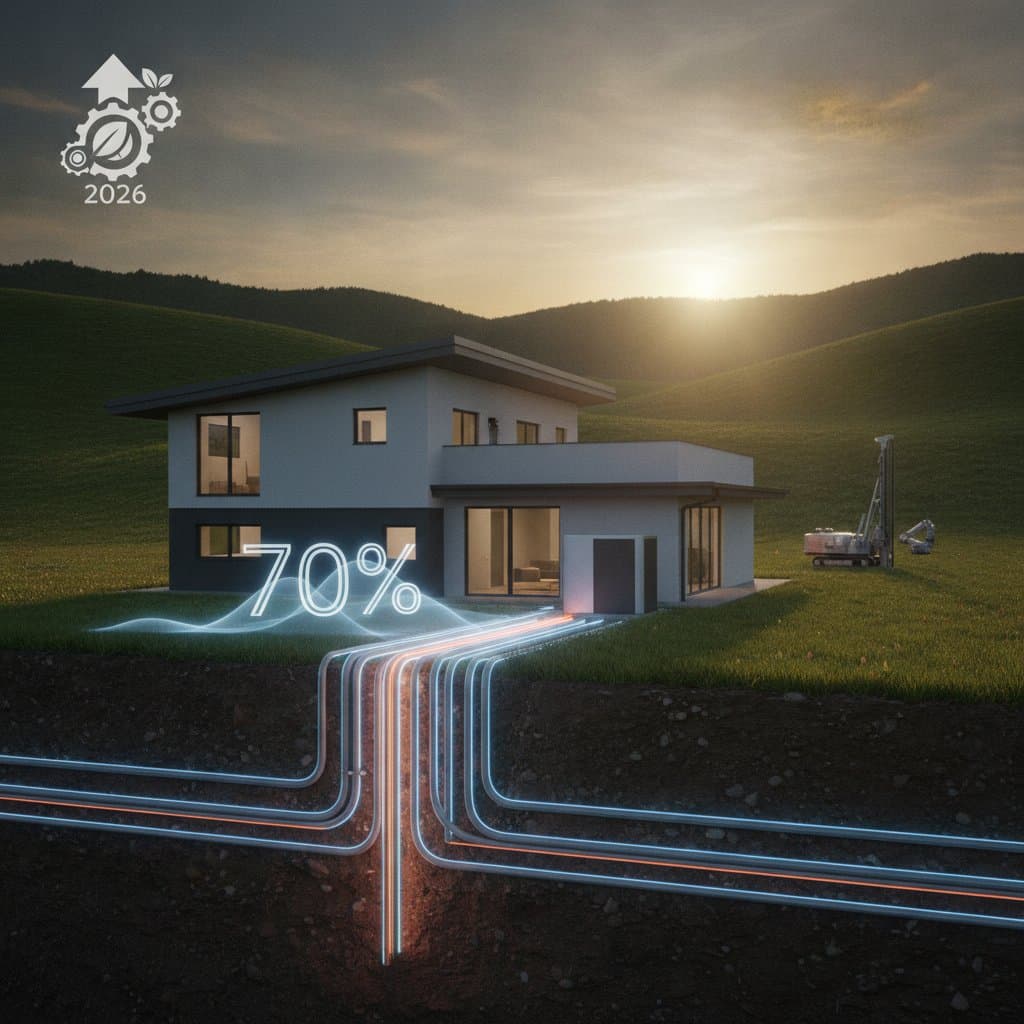
Geothermal HVAC advances sustainability with tangible impacts. By moving heat instead of burning fuel, it slashes greenhouse gas emissions by up to 70 percent relative to fossil fuel alternatives.
For indoor well-being, the absence of combustion removes hazards like carbon monoxide. Humidity stays balanced, enhancing comfort and easing breathing issues. Steady temperatures also curb mold growth by limiting moisture buildup.
On a broader scale, this technology taps the earth's renewable warmth without harm. Closed-loop configurations avoid groundwater pollution, preserving the environment while ensuring consistent operation.
Adapting to Different Climates and Properties
Geothermal systems suit virtually every region, from frigid northern areas to sweltering, humid southern ones. Success depends on tailored design and appropriate loop dimensions. Factors like soil type, water content, and site size guide the setup.
- In cold areas: Engineers specify deeper loops or increased fluid circulation to capture sufficient warmth.
- In warm regions: Configurations focus on effective heat dispersal to avoid excess temperatures.
- On constrained sites: Vertical bores or coiled loops enable installation in tight urban spaces.
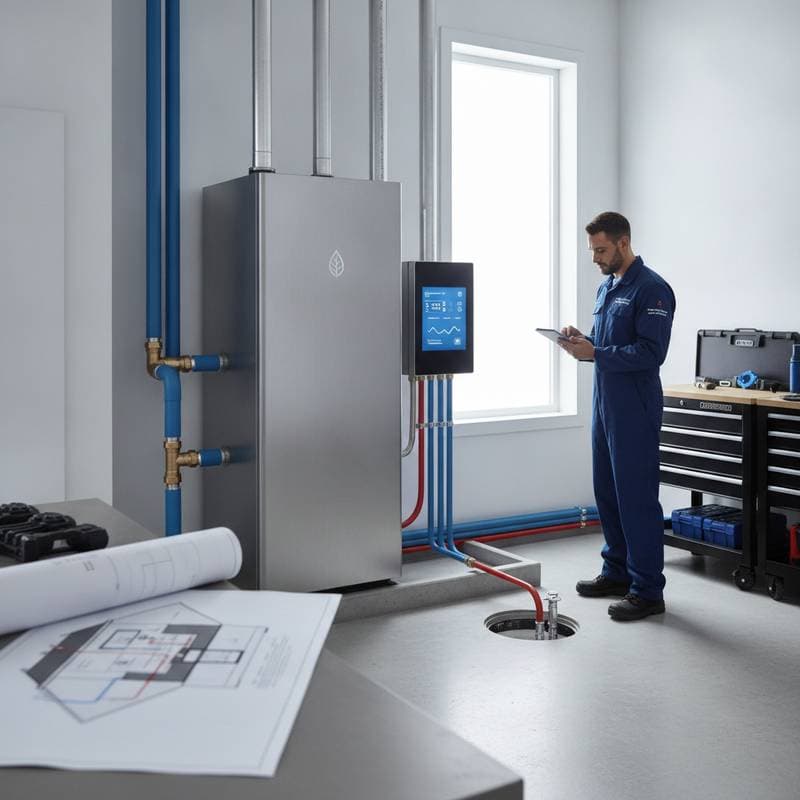
Engage certified professionals for a thorough evaluation. They perform soil tests for heat transfer rates and customize plans to match your home's demands and local conditions. This approach yields precise efficiency forecasts and peak performance.
Market Value and Future-Proofing
Installing geothermal HVAC elevates more than daily comfort; it enhances market appeal. Properties equipped with advanced efficiency features attract quicker sales and premium offers, particularly as buyers prioritize ongoing costs. Experts observe that eco-friendly upgrades can increase home worth by 3 to 8 percent, varying by market and buyer preferences.
The extended durability minimizes future outlays. Rather than replacing units every ten years, owners benefit from 20 to 50 years of service with routine checks. This dependability resonates with residents and prospective purchasers alike.
Making It Happen
To pursue geothermal, start with an expert site assessment. Inquire about installers' geothermal expertise, affiliations with professional groups, and client testimonials. Insist on a comprehensive quote covering loops, interior units, and electrical modifications.
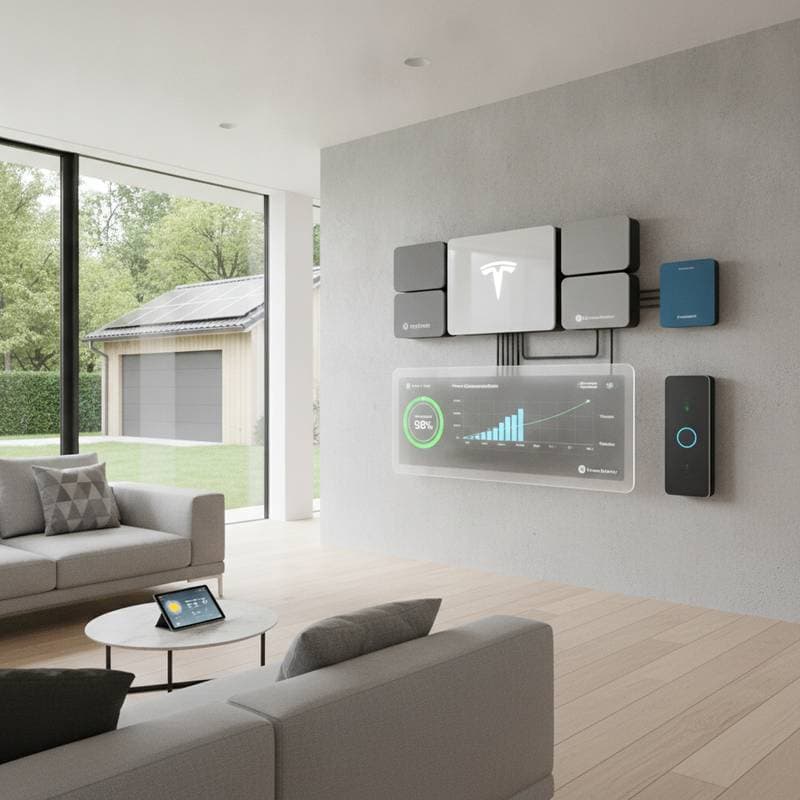
Geothermal HVAC signals a move toward intelligent, eco-conscious residences. For new builds or renovations, this ground-source solution provides enduring comfort, cost reductions, and planetary advantages.