Recycled Plastic Shingles Cut Roof Costs 25 Percent
Introduction to a Sustainable Roofing Revolution
Homeowners face rising costs for roof replacements, yet innovative materials offer relief. Recycled plastic shingles emerge as a practical solution, reducing expenses by 25 percent compared to traditional asphalt options. These shingles combine affordability with environmental responsibility, making them ideal for budget-conscious and eco-aware individuals alike.
Crafted from post-consumer plastics, such shingles transform waste into durable roofing. They withstand harsh weather conditions while contributing to waste reduction efforts. This approach not only lowers initial outlays but also promises long-term financial benefits.
Composition and Manufacturing Process
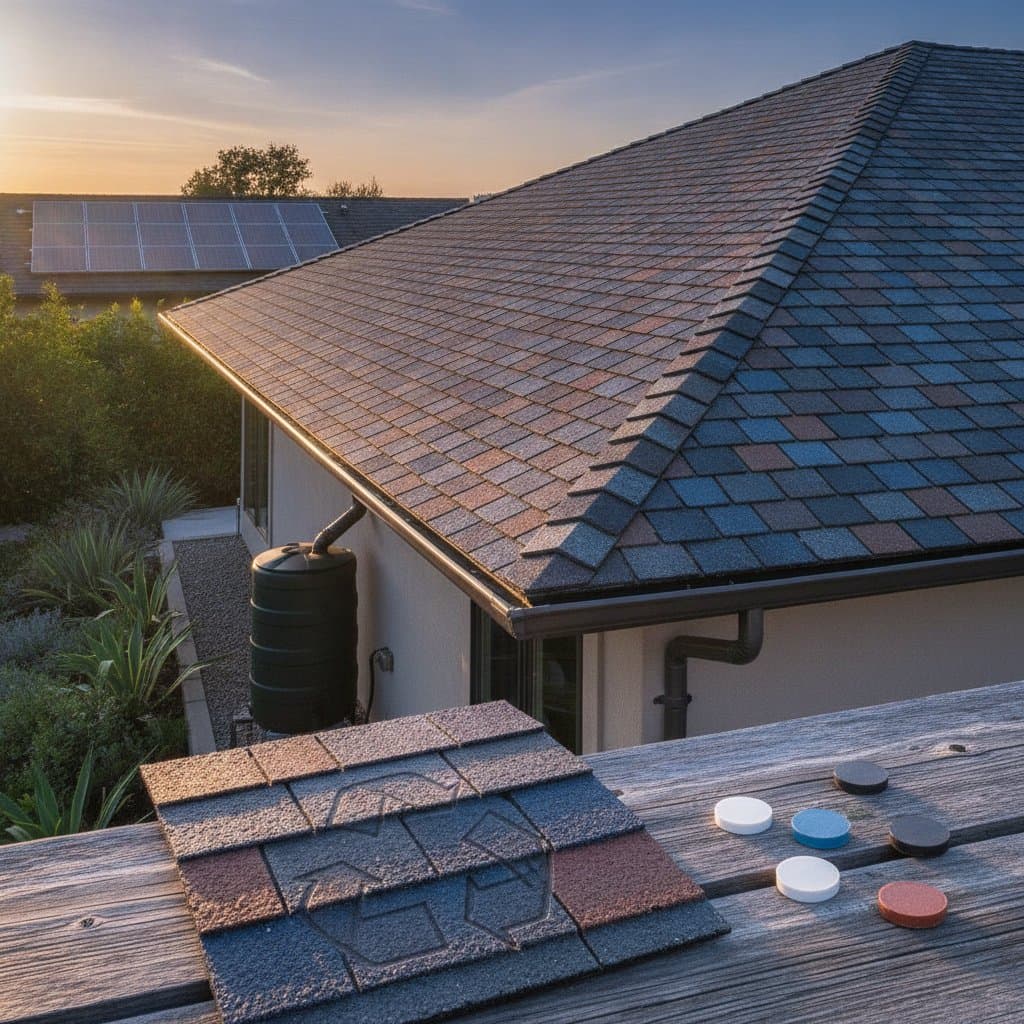
Recycled plastic shingles derive from materials like discarded bottles and packaging. Manufacturers collect and process these plastics through melting and molding techniques. The result yields a uniform product resistant to cracking and fading.
Unlike asphalt shingles, which rely on petroleum-based components, plastic variants avoid such dependencies. Production facilities repurpose millions of pounds of plastic annually, diverting it from landfills. This process ensures consistency in quality and performance across batches.
Key advantages include lightweight design, which eases handling during installation. Each shingle weighs approximately 1.5 pounds per square foot, half the weight of asphalt counterparts. Such properties simplify logistics and reduce structural demands on homes.
Cost Breakdown and Savings Analysis
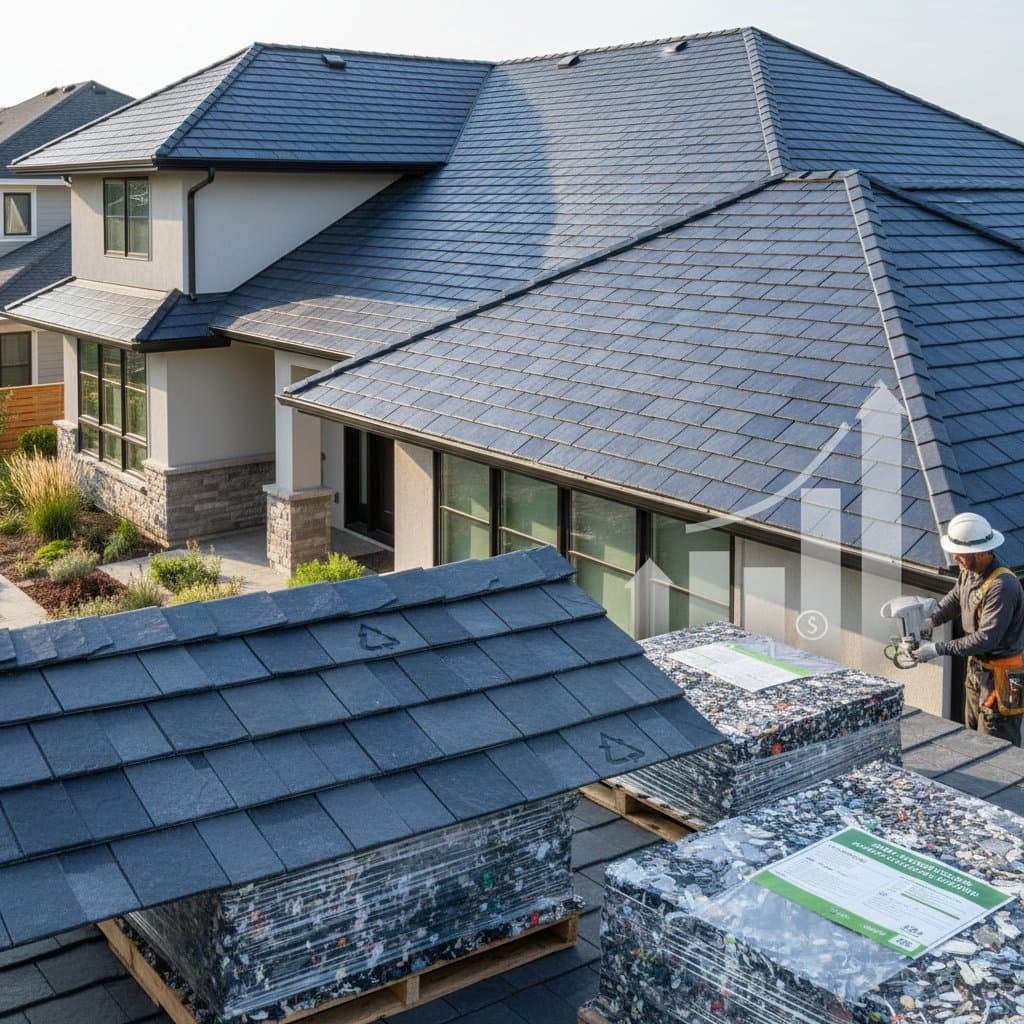
Initial costs for recycled plastic shingles average $3 to $5 per square foot installed, versus $4 to $7 for asphalt. This difference translates to substantial savings on larger roofs. For a typical 2,000-square-foot home, owners save around $4,000 to $8,000 upfront.
Installation proceeds faster due to the material's flexibility and interlocking design. Crews complete jobs in one to two days, minimizing labor expenses. Traditional asphalt requires more time for alignment and securing, inflating overall bills.
Long-term savings extend beyond purchase. These shingles resist moss and algae growth, eliminating frequent cleaning needs. Energy efficiency features, such as reflective surfaces, cut cooling costs by up to 15 percent in summer months.
Enhanced Durability and Lifespan
Recycled plastic shingles boast a lifespan of 50 years or more, double that of asphalt's 20 to 30 years. They endure extreme temperatures from -40 degrees Fahrenheit to 180 degrees without warping. Impact resistance protects against hail and falling branches.
UV stabilizers embedded during manufacturing prevent color degradation over time. Homeowners enjoy consistent appearance without the graying common in older roofs. This durability reduces replacement frequency, amplifying cost-effectiveness.
In regions prone to heavy snow or rain, these shingles shed water efficiently. Their non-porous nature discourages mold formation, preserving underlying structures. Such reliability appeals to those in variable climates seeking peace of mind.
Energy Efficiency and Environmental Impact
Reflective properties in recycled plastic shingles lower attic temperatures by reflecting solar heat. This effect decreases reliance on air conditioning, yielding measurable utility savings. Studies indicate potential reductions in energy use by 10 to 20 percent.
Environmentally, each square of shingles recycles about 1,000 plastic bottles. This practice conserves resources and cuts greenhouse gas emissions from new plastic production. Installation generates less waste, as scraps recycle easily on-site.
Broader adoption supports circular economy principles. Communities benefit from decreased landfill burdens and improved air quality. Homeowners contribute to sustainability goals without sacrificing performance or aesthetics.
Installation Considerations
Professional installation ensures optimal performance, though DIY options exist for skilled individuals. Begin by assessing roof pitch and existing structure compatibility. Remove old materials carefully to avoid damaging sub-layers.
Secure shingles with specialized nails or clips provided by manufacturers. Overlap edges by two inches to create watertight seals. Ventilation systems integrate seamlessly, maintaining airflow beneath the surface.
Post-installation, inspect for secure fastening annually. Minor repairs involve simple patching kits, unlike extensive asphalt overhauls. These steps preserve the roof's integrity for decades.
Selecting the Right Product
Evaluate warranties, typically spanning 50 years, for assurance. Choose colors that complement home exteriors, available in earth tones to vibrant hues. Consult local suppliers for regional availability and pricing variations.
Consider certifications from bodies like the International Code Council for compliance. Test samples for texture and weight if possible. These preparations lead to informed decisions aligned with specific needs.
Budget for accessories like ridge caps and starter strips, which enhance overall system performance. Total project planning avoids surprises and maximizes value.
Realizing Long-Term Benefits
Investing in recycled plastic shingles yields returns through reduced maintenance and energy costs. Home values appreciate with eco-friendly upgrades, attracting buyers in green-conscious markets. Durability ensures protection against unforeseen weather events.
Homeowners report satisfaction with the material's low upkeep and aesthetic appeal. Neighborhoods adopting these innovations foster sustainable living trends. This choice positions residences for future resilience amid evolving environmental challenges.
Embrace this roofing advancement to secure financial and ecological gains. The combination of cost savings, longevity, and sustainability redefines home improvement priorities.