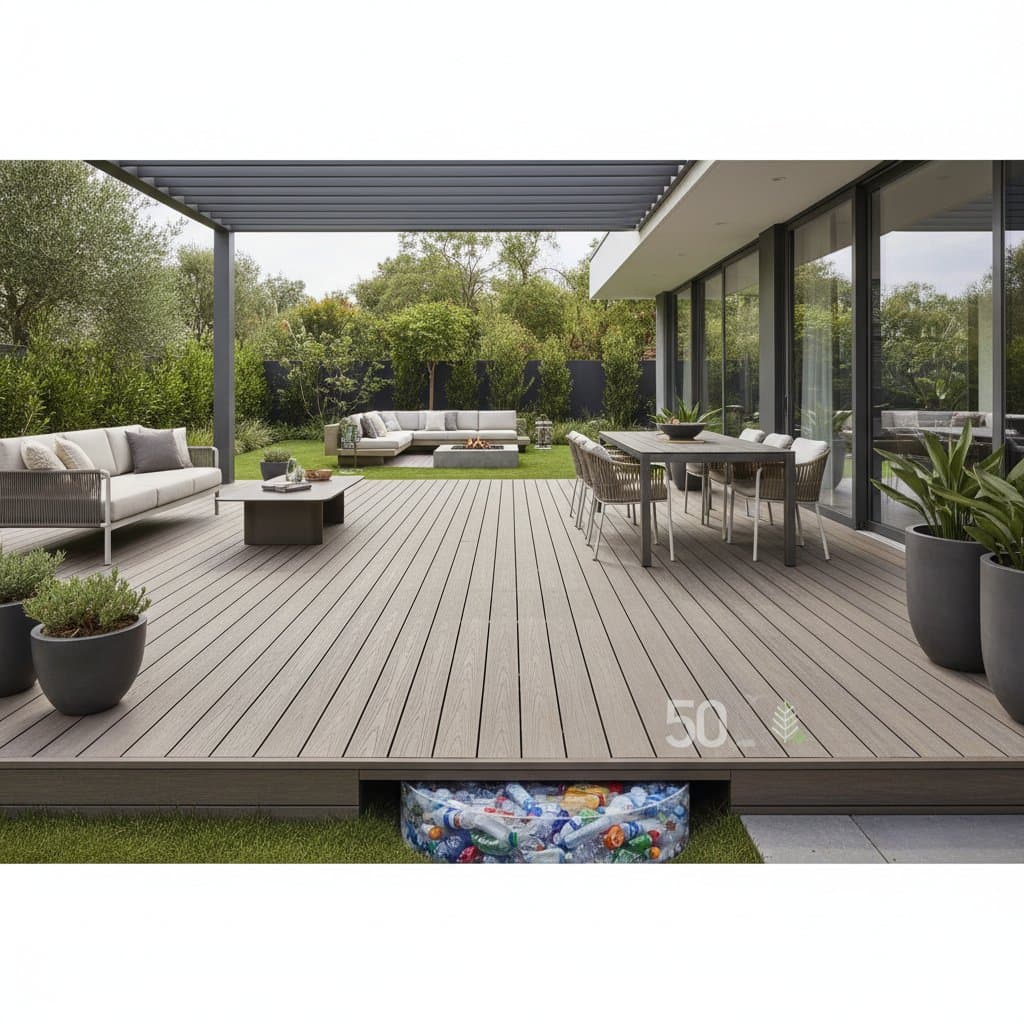
Recycled Plastic Decking: 50-Year Lifespan and 60 Percent Savings
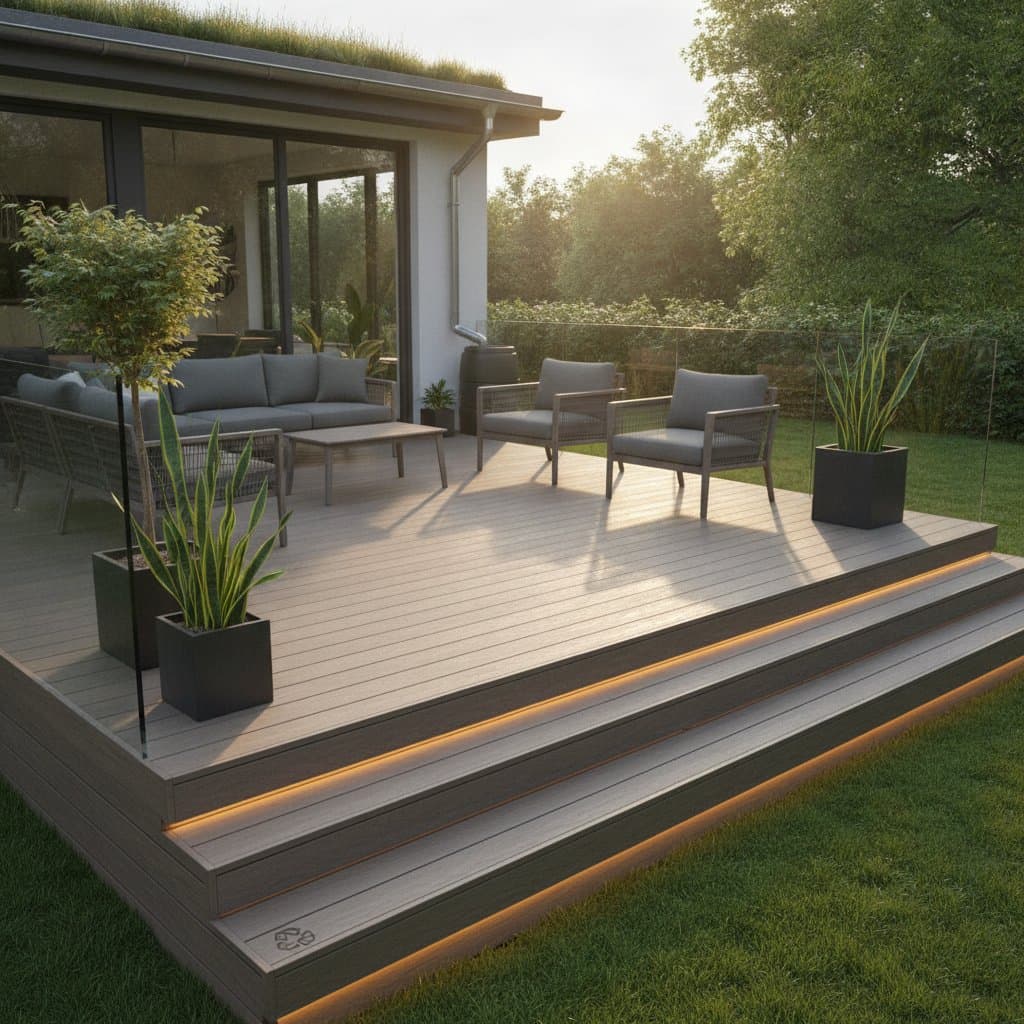
Recycled plastic decking transforms outdoor spaces by blending sustainability with exceptional performance. This material offers wood-like appearance, endures up to 50 years with little maintenance, and reduces long-term costs by 60 percent. Homeowners benefit from eco-friendly options that divert plastic waste from landfills while enhancing property value.
Key Advantages
- Recycled plastic decking matches traditional wood in visual appeal and strength.
- It provides a lifespan of up to 50 years and cuts maintenance expenses by 60 percent over the material's duration.
- Each deck repurposes more than 50,000 plastic bottles, keeping them out of landfills.
- Advanced production yields surfaces that resist slipping, block UV rays, and manage heat for comfortable outdoor use.
- Market data indicates a 30 percent yearly increase in demand for sustainable decking solutions.
Environmental Impact and Practical Benefits
Reducing Waste Through Material Reuse
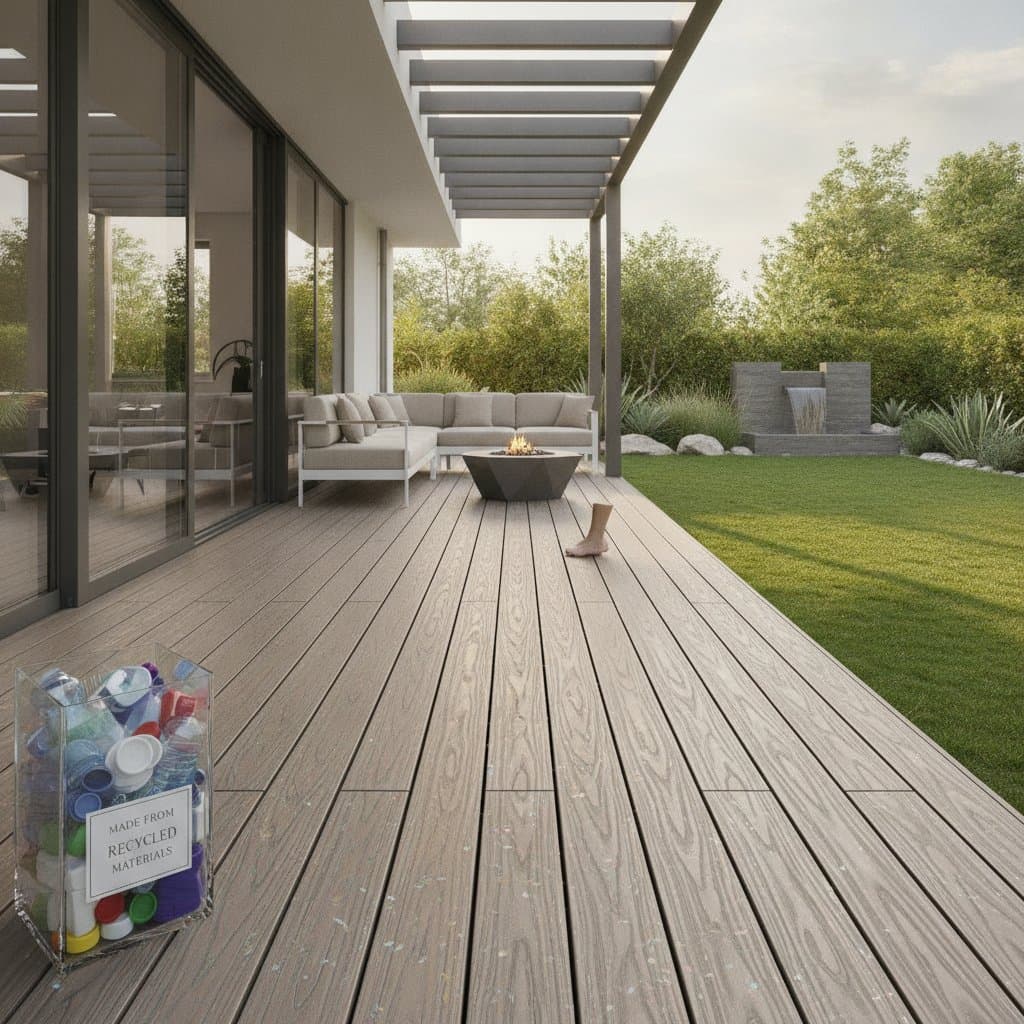
The Environmental Protection Agency reports that plastic waste adds millions of tons to landfills each year. Manufacturers address this issue by transforming post-consumer plastics into durable decking. For a typical 500-square-foot deck, recycled composites incorporate materials equivalent to 150,000 plastic bags or 50,000 bottles.
This process not only curbs waste but also decreases reliance on new resources. Builders observe that clients prioritize materials with clear environmental advantages. Recycled plastic decking delivers these benefits alongside reliable functionality, promoting responsible practices in residential design.
Superior Longevity Compared to Wood
Wooden decks demand regular sanding, sealing, and staining to combat deterioration. Recycled plastic decking withstands rot, moisture, insects, and sun exposure without such interventions. Research from construction experts confirms that these composites retain strength for decades, performing well in challenging conditions like high humidity or coastal areas.
Water absorption does not occur in these boards, avoiding issues such as warping or splitting. The consistent surface minimizes splinters and eliminates refinishing needs. Homeowners gain significant time savings and reduced expenses, allowing focus on enjoyment rather than repairs.
Advances in Material and Design
Production Techniques for Enhanced Boards
Producers blend recycled polyethylene or polypropylene with wood fibers or minerals to form decking boards. The blend undergoes heating, extrusion, and texturing to imitate natural wood grains. Recent developments in polymer science enable authentic color options and textures, ranging from cedar tones to walnut finishes.
Sources include items like milk jugs and detergent bottles, either singly or combined. The outcome is a robust material resistant to decay and abrasion. A protective cap layer further guards against stains and ultraviolet damage.
Improvements in Color Retention and Thermal Control
Previous generations of recycled decking occasionally faded or retained excessive heat in sunlight. Innovations in pigment technology and surface design resolve these concerns. Current boards remain up to 20 degrees Fahrenheit cooler than prior versions, ensuring comfort during warm weather.
Micro-textured finishes boost grip, improving safety near pools or in damp settings. Such enhancements broaden uses, including rooftop decks and waterfront paths.
Perspectives from Industry Professionals
Architects and designers regard recycled plastic decking as essential for contemporary outdoor projects. Landscape architect Dana Kline notes, “Clients seek polished outdoor areas that demand minimal care. Composite decking fulfills this while easing environmental impact.”
A product engineer from a prominent manufacturer highlights ongoing efforts: “We develop boards fully recyclable into new products at the end of use.” This strategy creates a complete cycle, turning waste into a perpetual asset.
Analysts forecast that recycled composites will feature in most new residential decks soon. Builders confirm that after examining samples, clients seldom choose wood alternatives.
Selecting the Ideal Decking Option
Verifying Standards and Assurances
Seek third-party validations like GreenCircle or Cradle to Cradle certifications, which confirm recycled content and ethical production. Reputable brands provide detailed reports on material origins and processes.
Examine warranties thoroughly. Premium composites typically include 50-year guarantees for structure and 25-year coverage for fading resistance. These commitments underscore product reliability.
Assessing Surface Options
Options span smooth matte finishes to intricate embossed patterns. Certain varieties emulate weathered wood, while others offer sleek modernity. Test samples in daylight to verify color harmony with your environment.
In rainy or humid climates, select high-traction boards. For sunny locations, lighter colors dissipate heat better.
Effortless Upkeep Strategies
Recycled plastic decking simplifies maintenance routines. Clean with a soft brush, mild soap, and water as needed. Stains from oil or grease respond to a vinegar-water mix, preserving the surface integrity.
Inspect fasteners and substructures regularly to maintain safety. Since boards resist rot, attention centers on the frame, which benefits from composite alternatives for comprehensive sustainability.
Implementation Guide
Practical Steps for Adoption
- Evaluate your existing deck to decide on retrofitting or replacement.
- Identify regional suppliers focused on recycled products with clear sourcing information.
- Compute total ownership costs, factoring in upkeep and longevity.
- Engage certified installers skilled in composite techniques for secure results.
- Inquire about recycling programs for future disposal.
These actions optimize ecological and economic gains. Professionals typically finish standard installations in one week.
Enduring Value for Properties and Ecosystems
Recycled plastic decking elevates home aesthetics and functionality while supporting planetary health. It minimizes waste, lowers expenses, and withstands time, creating lasting outdoor retreats. Invest in this material to enjoy sustainable living with confidence.