Mycelium Insulation: A Natural Path to 25% Energy Savings in Homes
Imagine entering a home that maintains steady comfort year-round without relying on excessive heating or cooling. This balance often stems from innovative materials hidden within the walls. Mycelium insulation, derived from the root systems of fungi, delivers this efficiency while promoting environmental regeneration through carbon absorption and safe decomposition.
Essential Benefits of Mycelium Insulation
Mycelium insulation achieves up to 25 percent lower energy consumption than conventional options. Its production process uses roughly 80 percent less energy compared to synthetic alternatives. The material decomposes fully in compost, avoiding any plastic waste. It also resists fire and mold inherently, which lowers long-term upkeep expenses.
The Science Behind Mycelium
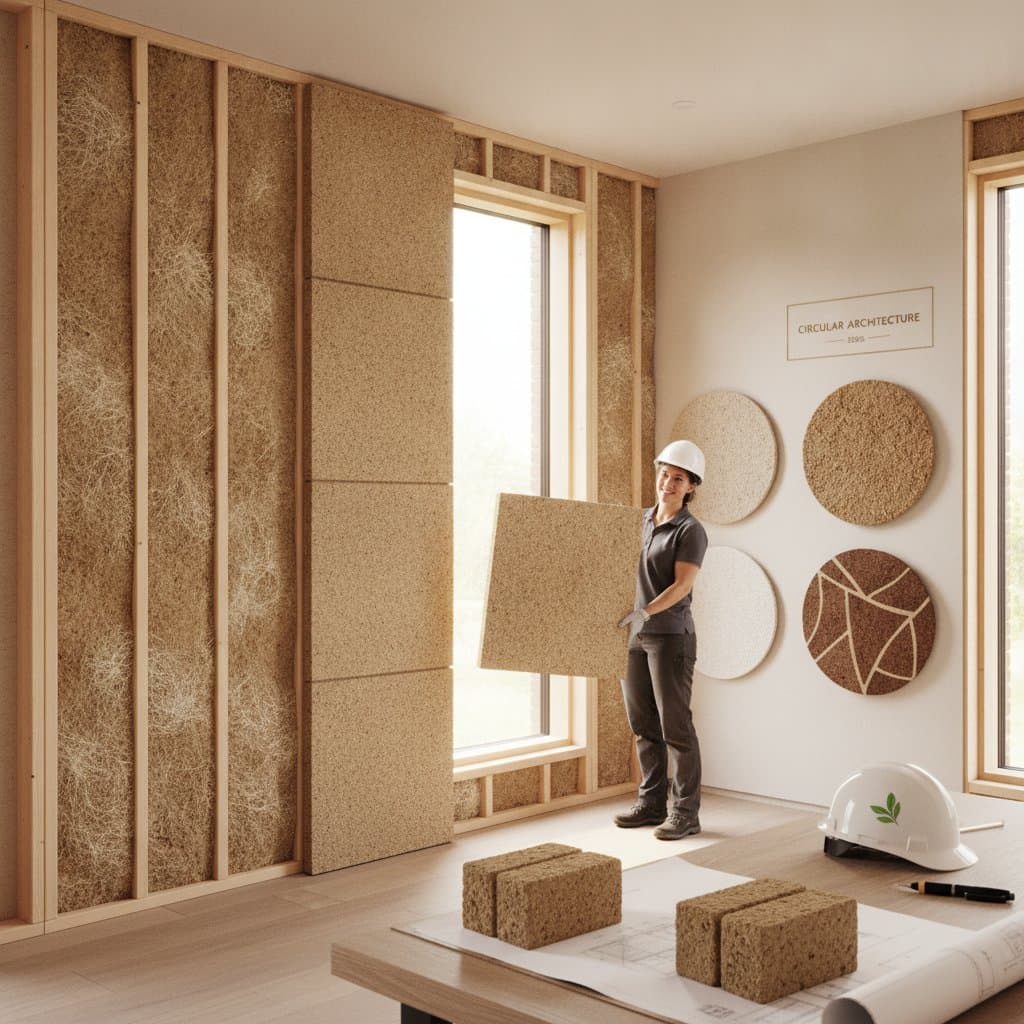
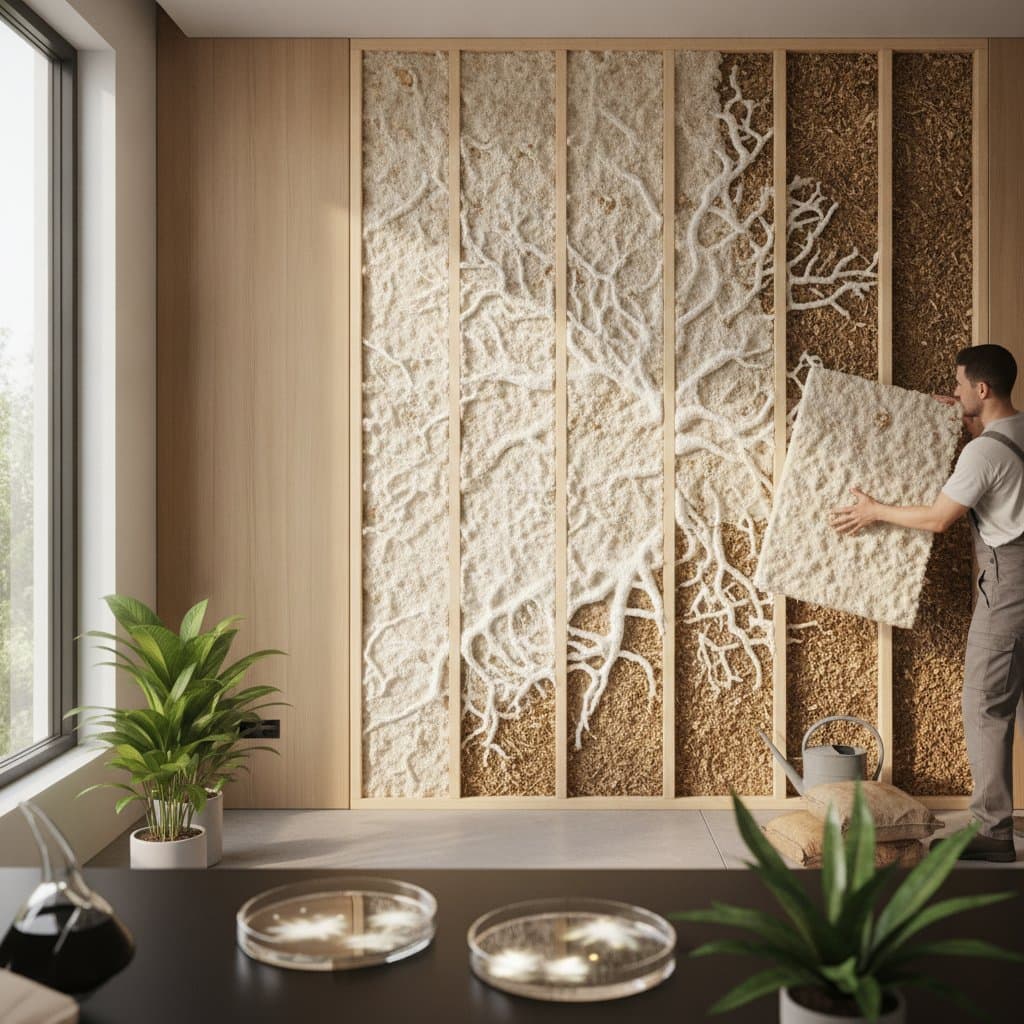
Mycelium forms the underground network of fungi, spreading through substrates like wood chips or crop residues. In controlled environments, this network develops into sturdy panels suitable for insulation. Studies from biomaterials experts show these panels match the insulating power of fiberglass while generating far fewer emissions.
This approach sidesteps the need for fossil fuel-based chemicals found in foams. Instead, it utilizes waste materials from farming, such as straw or cotton stalks, which fungi transform into a durable, airy structure. After growth completes, a brief heating process halts further development and stabilizes the panels for installation.
How Mycelium Stacks Up Against Standard Materials
| Property | Mycelium Insulation | Fiberglass | Mineral Wool |
|---|---|---|---|
| Thermal Performance (R-Value per inch) | 3.5 - 4.0 | 2.9 - 3.8 | 3.0 - 3.3 |
| Fire Resistance | High | Moderate | High |
| Moisture Resistance | Natural | Moderate | High |
| End-of-Life | Compostable | Landfill | Landfill or Recycle |
| Production Energy Use | Very Low | High | Moderate |
These comparisons highlight mycelium's advantages. Traditional fiberglass, though common, contributes heavily to carbon output during manufacturing. Mycelium supports local production with low energy demands. Data from energy agencies indicate that shifting to such bio-materials could cut sector-wide emissions by 18 percent.
Proven Results in Everyday Builds
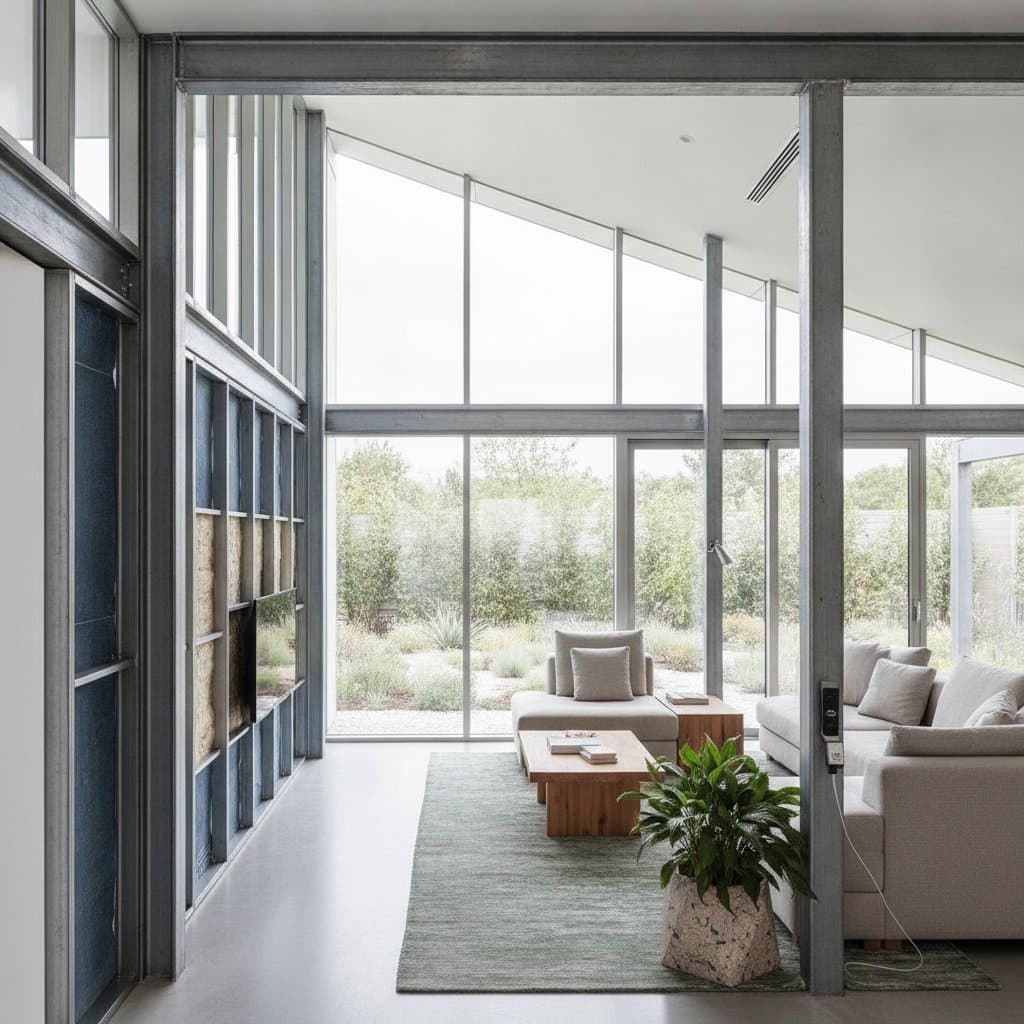
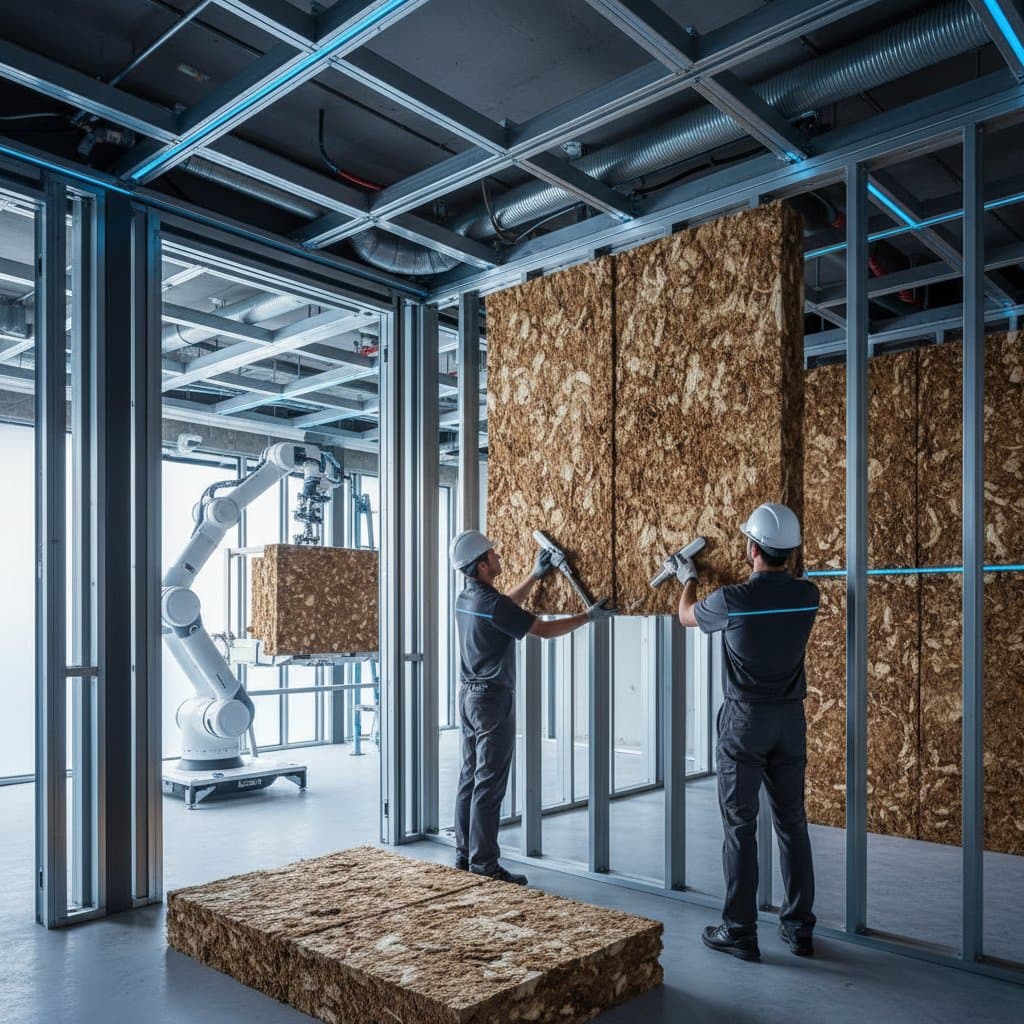
Mycelium excels in wall cavities and roof spaces, where stable temperature control matters most. Installers find the panels simple to trim and position, and their safety profile eliminates the need for masks or suits during handling. The material's permeability aids in moisture management, preventing condensation issues that lead to structural damage.
Homeowners gain from improved air purity, as mycelium releases no harmful chemicals into living spaces. Its durability resists settling over years, preserving effectiveness without frequent replacements. In regions with variable climates, this translates to noticeable reductions in utility bills.
Addressing Practical Hurdles and Expenses
Sustainability stands out, yet pricing draws scrutiny. Expect to pay $4 to $6 per square foot for mycelium panels, varying by volume and source. This exceeds basic fiberglass but aligns with premium natural insulators like recycled paper. Expanding manufacturing and local hubs should drive costs down in the coming years. Incentives for eco-friendly construction often cover the difference, making adoption more accessible.
Steps to Integrate Mycelium in Your Project
For renovations or new constructions focused on sustainability, mycelium provides a forward-thinking choice. Reach out to certified eco-builders who handle biological materials. Verify that your team follows guidelines for sealing edges and ensuring airflow to maximize performance.
Selecting mycelium fosters a cycle of renewal: it enriches soil upon disposal, conserves resources during use, and elevates living standards through efficient, healthful design.