Introduction to Mycelium Insulation
Sustainable building materials gain prominence as climate concerns intensify. Among these, mycelium insulation stands out for its unique origins and performance. Derived from the root-like structure of mushrooms, this material integrates fungi with organic substrates to create effective barriers against heat loss.
Traditional insulation often relies on synthetic foams or fiberglass, which carry high environmental costs during production and disposal. Mycelium offers a biological alternative that aligns with circular economy principles. Builders and homeowners alike discover its potential to lower long-term expenses while supporting planetary health.
What Is Mycelium Insulation?
Mycelium forms the vegetative part of fungi, consisting of a network of thread-like hyphae. In insulation production, these filaments bind agricultural waste such as corn stalks, hemp hurds, or sawdust. The mixture grows in molds over several days, forming solid panels or blocks once the process completes.
This growth method requires minimal energy compared to manufacturing petroleum-based products. The resulting material exhibits a lightweight, porous structure ideal for trapping air and reducing thermal conductivity. Panels typically measure several inches thick, customizable to fit standard building frames.
Unlike plant-based insulations that demand extensive farming, mycelium utilizes waste streams already available. This approach diverts materials from landfills, enhancing resource efficiency from the outset.
Key Benefits for Energy Efficiency and Carbon Reduction
Mycelium insulation excels in thermal performance, with R-values comparable to conventional options. The R-value measures resistance to heat flow; mycelium achieves ratings around R-3 to R-4 per inch, sufficient for walls, roofs, and floors in temperate climates.
Homeowners benefit from reduced heating and cooling demands. In a typical residence, proper insulation cuts energy use by up to 20 percent, translating to hundreds of dollars in annual savings on utility bills. Over a building's lifespan, these reductions compound, offsetting installation expenses.
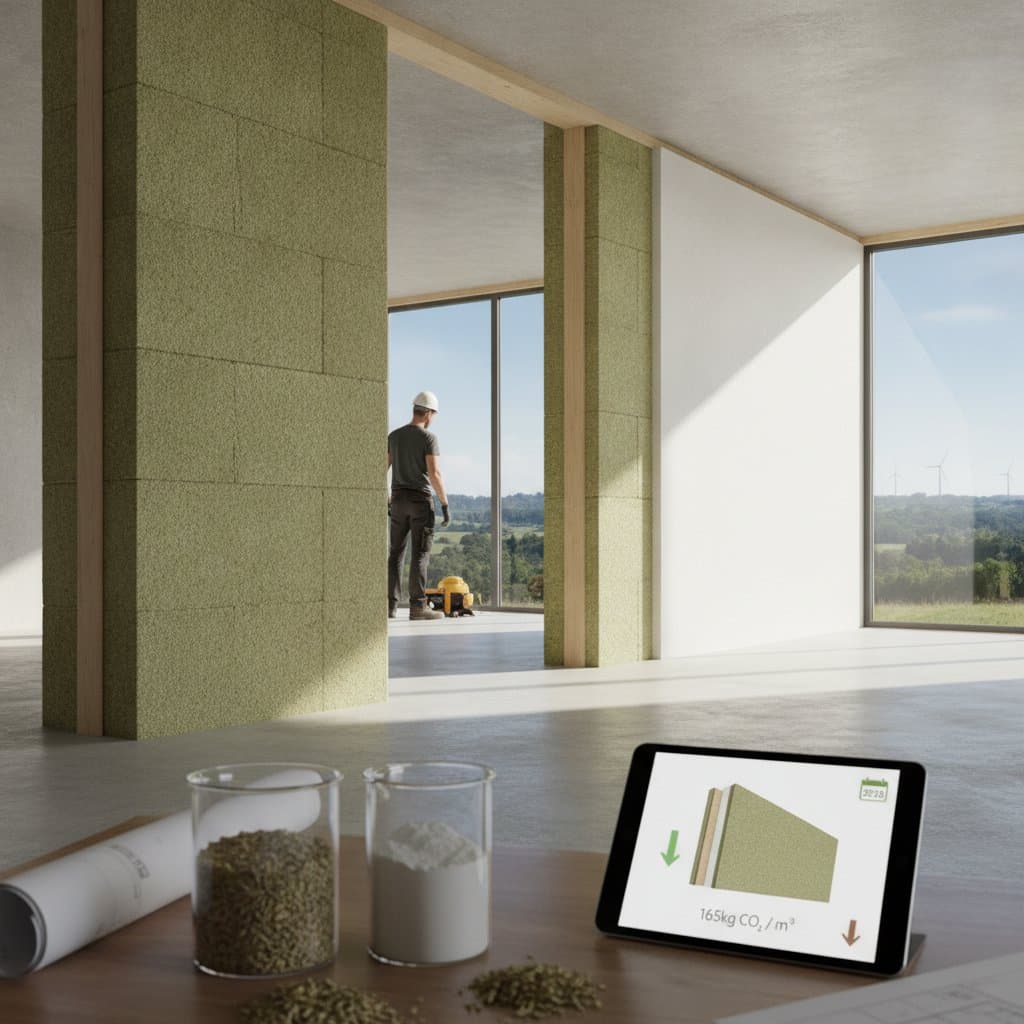
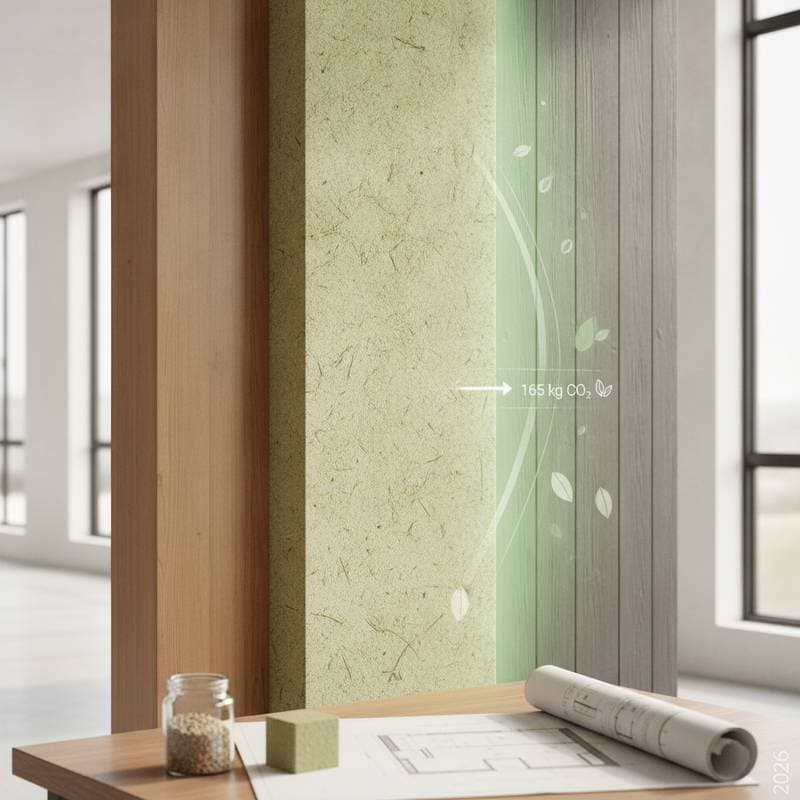
Carbon savings extend beyond operational efficiency. Production emits far less CO2 than fiberglass or foam alternatives, which involve energy-intensive processes and fossil fuel derivatives. Mycelium's embodied carbon footprint remains low, often under 10 kilograms of CO2 equivalent per square meter, supporting net-zero construction goals.
Fire Resistance and Safety
Safety features enhance mycelium's appeal. The material naturally resists flames due to its high water content and fungal composition, which chars rather than ignites. Tests show it meets Class A fire ratings, outperforming many synthetic insulations without added chemicals.
This property proves valuable in residential and commercial settings. Builders avoid flame-retardant treatments that release volatile compounds, ensuring safer indoor air quality.
Sound Control and Comfort
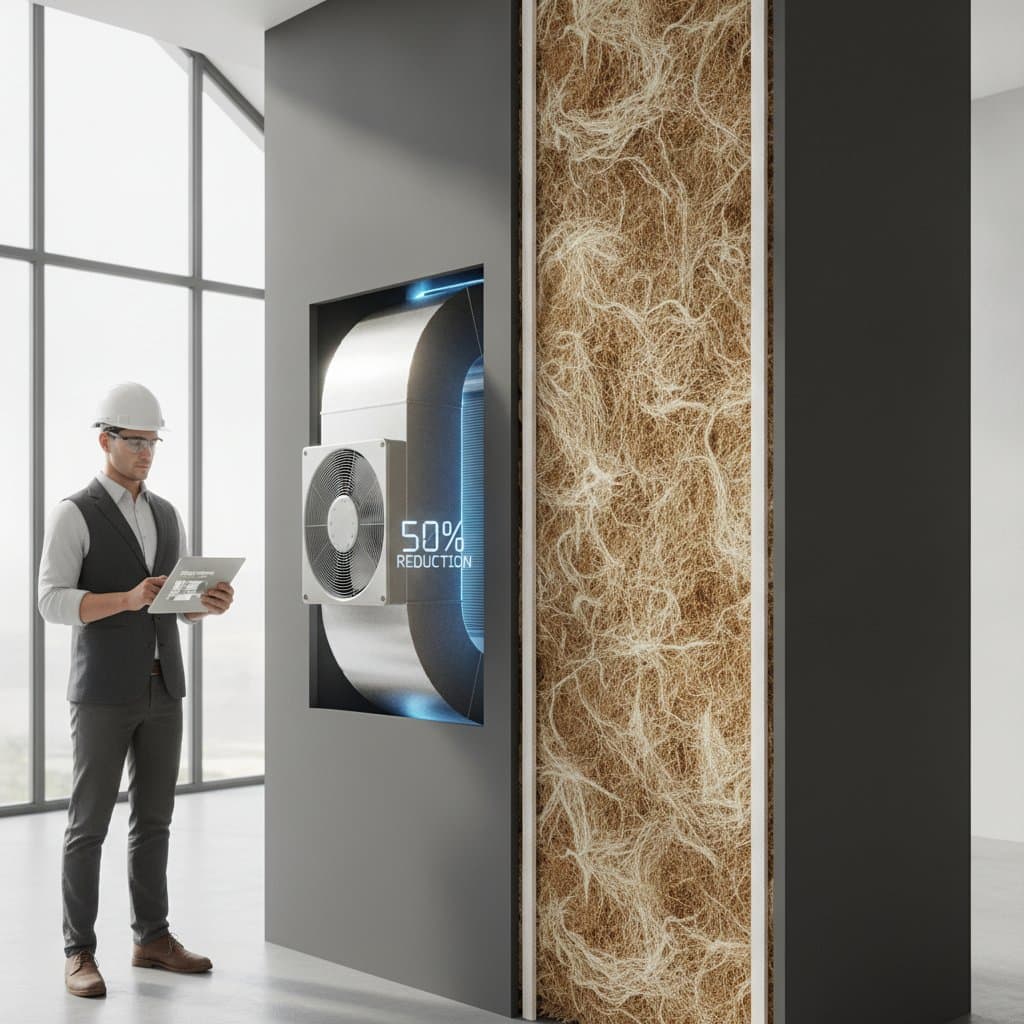
Beyond thermal benefits, mycelium dampens noise effectively. Its fibrous structure absorbs sound waves, reducing transmission by 30 to 40 decibels in wall applications. Urban dwellers appreciate this for creating quieter living spaces amid city sounds.
The material also regulates humidity, preventing mold growth common in damp environments. This contributes to overall well-being, as cleaner air correlates with fewer respiratory issues.
Production and Installation Process
Creating mycelium insulation begins with selecting substrates. Producers inoculate waste materials with mushroom spores in controlled environments. Over five to seven days, the mycelium colonizes the mix, binding particles into a cohesive form.
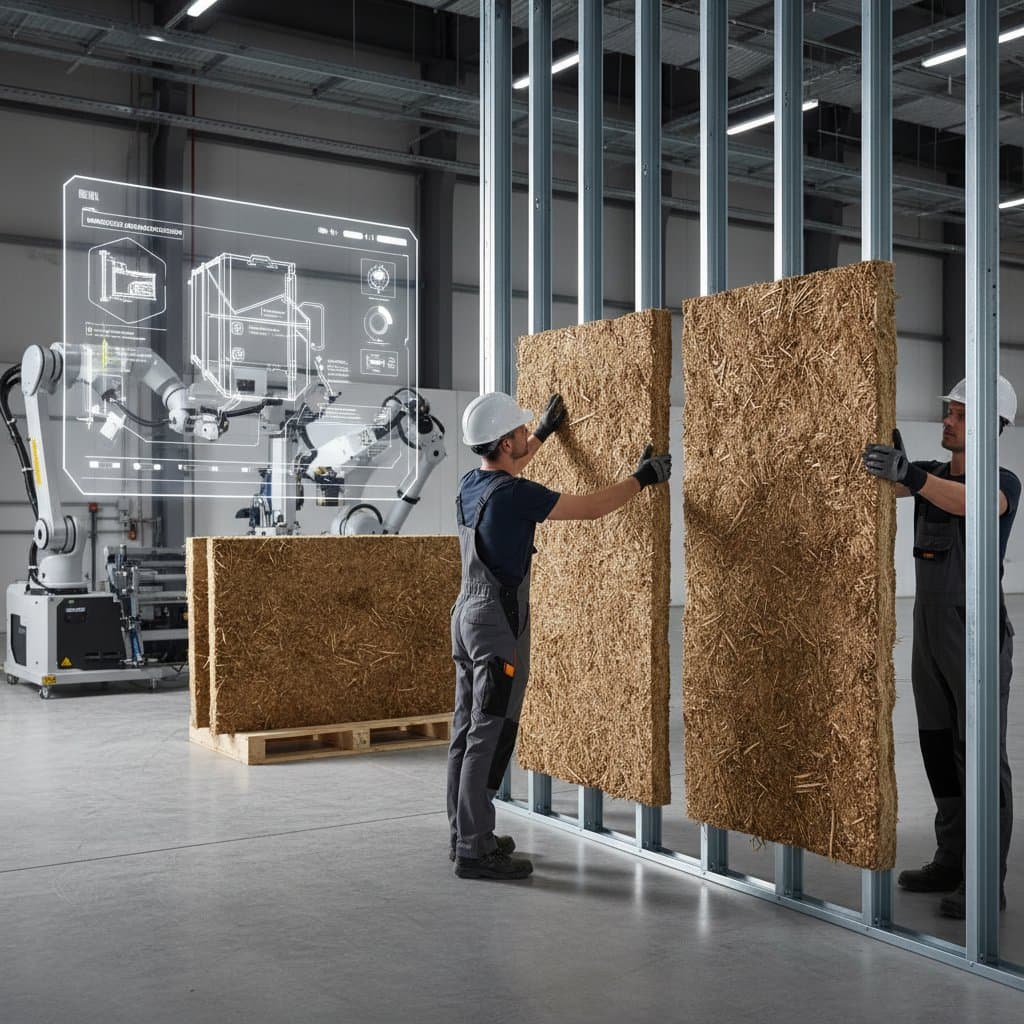
Once grown, panels dry to halt fungal activity, yielding stable products. Sizes vary from 2-foot by 4-foot sheets to custom shapes for curved surfaces. The process scales through modular molds, allowing adaptation to different project needs.
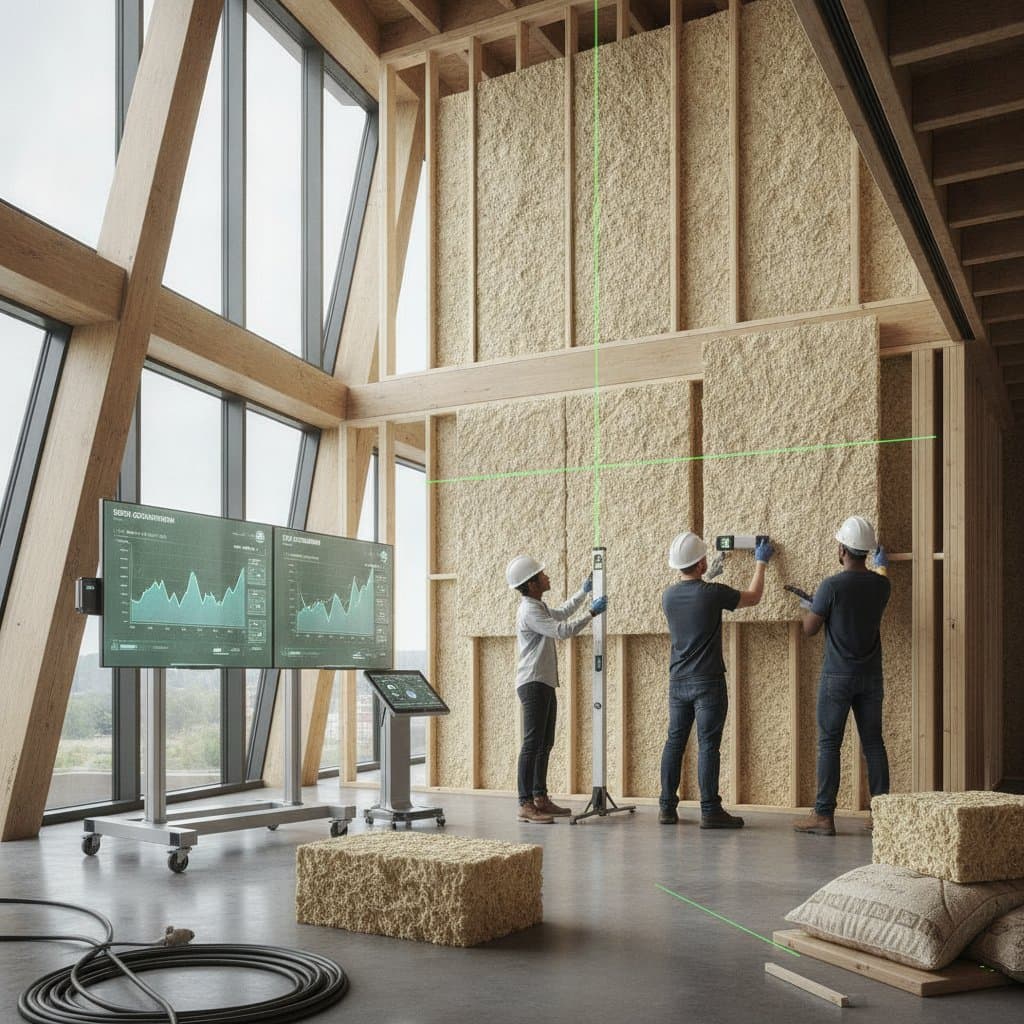
Installation mirrors traditional methods. Workers cut panels to fit cavities using standard tools, securing them with adhesives or mechanical fasteners. No specialized equipment proves necessary, making it accessible for retrofit projects.
For new constructions, integrate mycelium during framing stages. In renovations, remove old insulation carefully to avoid contamination, then insert new layers. Professionals recommend sealing edges to maximize performance.
Applications in Sustainable Building
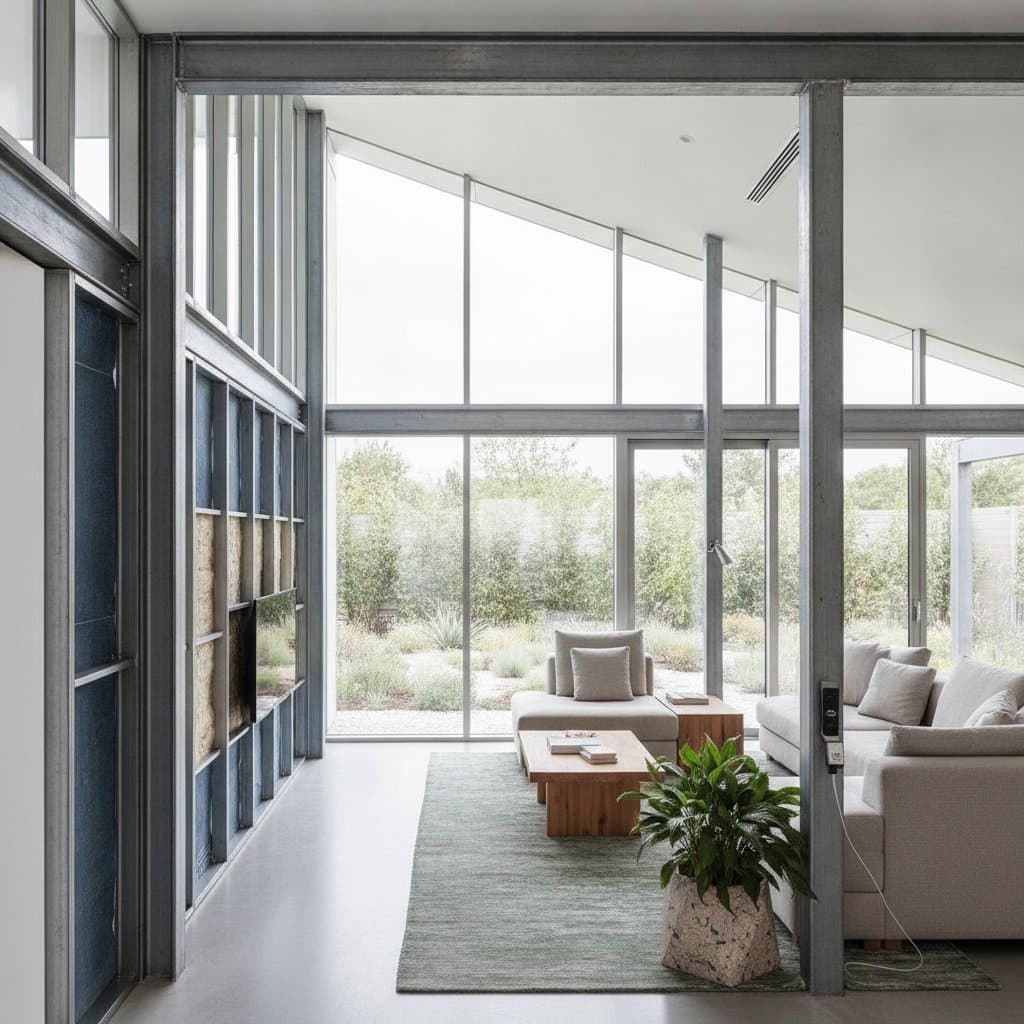
Mycelium suits diverse scenarios. In residential retrofits, it upgrades older homes lacking adequate barriers, often qualifying for green energy rebates. New builds incorporate it into walls and attics for comprehensive efficiency.
Architects explore creative uses, such as acoustic panels in offices or decorative elements in eco-lodges. Its moldability allows integration into prefabricated modules, speeding construction timelines.
Commercial projects benefit too. Warehouses and schools adopt mycelium for its durability and low maintenance. As regulations tighten on building emissions, this material positions developers ahead of compliance curves.
Challenges and Pathways to Affordability
Current limitations include higher upfront costs, ranging from 20 to 50 percent above standard insulations. Small-scale production drives these prices, but economies of scale promise reductions as demand grows.
Availability remains regional, concentrated in areas with strong biotech sectors. Transportation adds to expenses, though local sourcing mitigates this.
Researchers address durability concerns through enhanced formulations. Blends with natural binders improve moisture resistance, extending service life beyond 50 years. Certifications from bodies like the International Building Code validate performance, building industry trust.
Looking Ahead: Transforming Home Insulation
Mycelium insulation heralds a shift toward bio-based solutions in construction. As production advances, it democratizes access to sustainable options, enabling more households to achieve energy independence.
Adopting this material fosters resilience against rising energy prices and climate variability. Homeowners gain not only financial relief but also pride in contributing to a cooler planet. The journey from niche innovation to widespread practice accelerates, inviting builders to pioneer greener futures.