Hempcrete Walls Store Carbon While Cutting Energy Bills
Hempcrete represents a breakthrough in sustainable building materials. This innovative composite combines the natural strength of hemp with lime and water to create walls that not only insulate homes effectively but also contribute to environmental health. As climate concerns grow, builders and homeowners seek options that balance performance with planetary benefits.
Understanding Hempcrete Composition
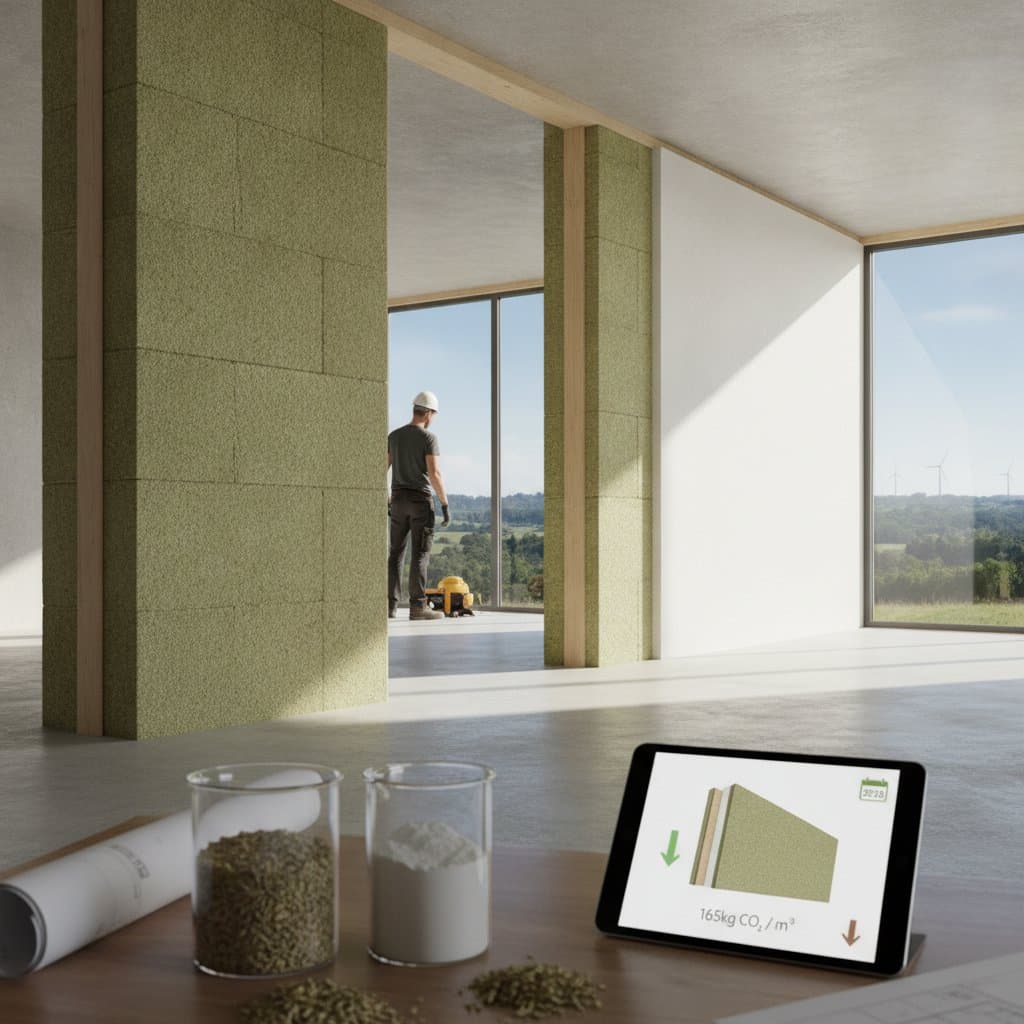
Hempcrete forms from the woody core of the hemp plant, known as hurd, mixed with lime-based binder and water. The hurd provides a lightweight, fibrous structure that absorbs carbon dioxide during the hemp plant's growth and continues to sequester it as the material cures. This process results in a bio-based block or cast-in-place wall system that differs from traditional concrete in its low environmental footprint.
The mixture cures through a chemical reaction where lime absorbs CO2 from the atmosphere, effectively locking away carbon for the building's lifespan, which can exceed 100 years. Unlike dense concretes, hempcrete's porous nature allows it to breathe, preventing moisture buildup that leads to mold in conventional structures. Builders appreciate its workability, as it can be molded on-site or prefabricated for efficiency.
Carbon Sequestration in Action
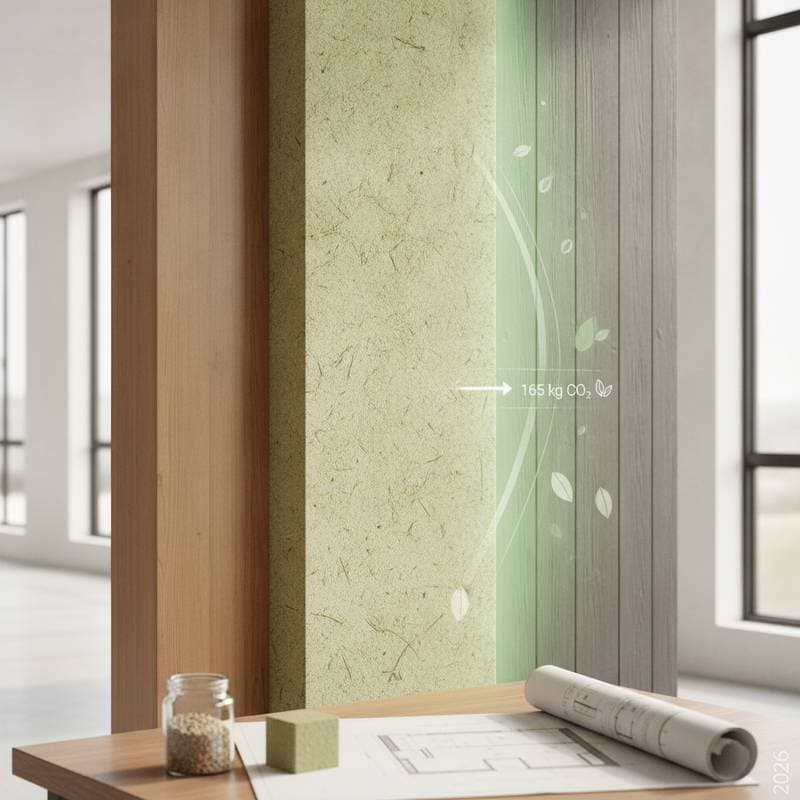
One of the standout features of hempcrete lies in its ability to store carbon. Hemp plants grow rapidly, capturing CO2 at rates up to four times higher than trees per hectare. When processed into hempcrete, this carbon remains trapped within the walls, offsetting emissions from construction and operation.
Studies indicate that a single cubic meter of hempcrete can sequester around 100 kilograms of CO2, depending on the mix ratio. Over a home's lifetime, this adds up to significant carbon savings, equivalent to planting dozens of trees. For larger projects like commercial buildings, the cumulative effect supports broader carbon-neutral goals, making hempcrete a vital tool in reducing the construction industry's 39 percent share of global emissions.
Reducing Energy Costs Through Superior Insulation
Hempcrete excels in thermal performance, offering insulation values that rival synthetic foams without the environmental drawbacks. Its R-value, a measure of thermal resistance, typically ranges from 2.4 to 3.0 per inch, providing consistent temperature regulation year-round.
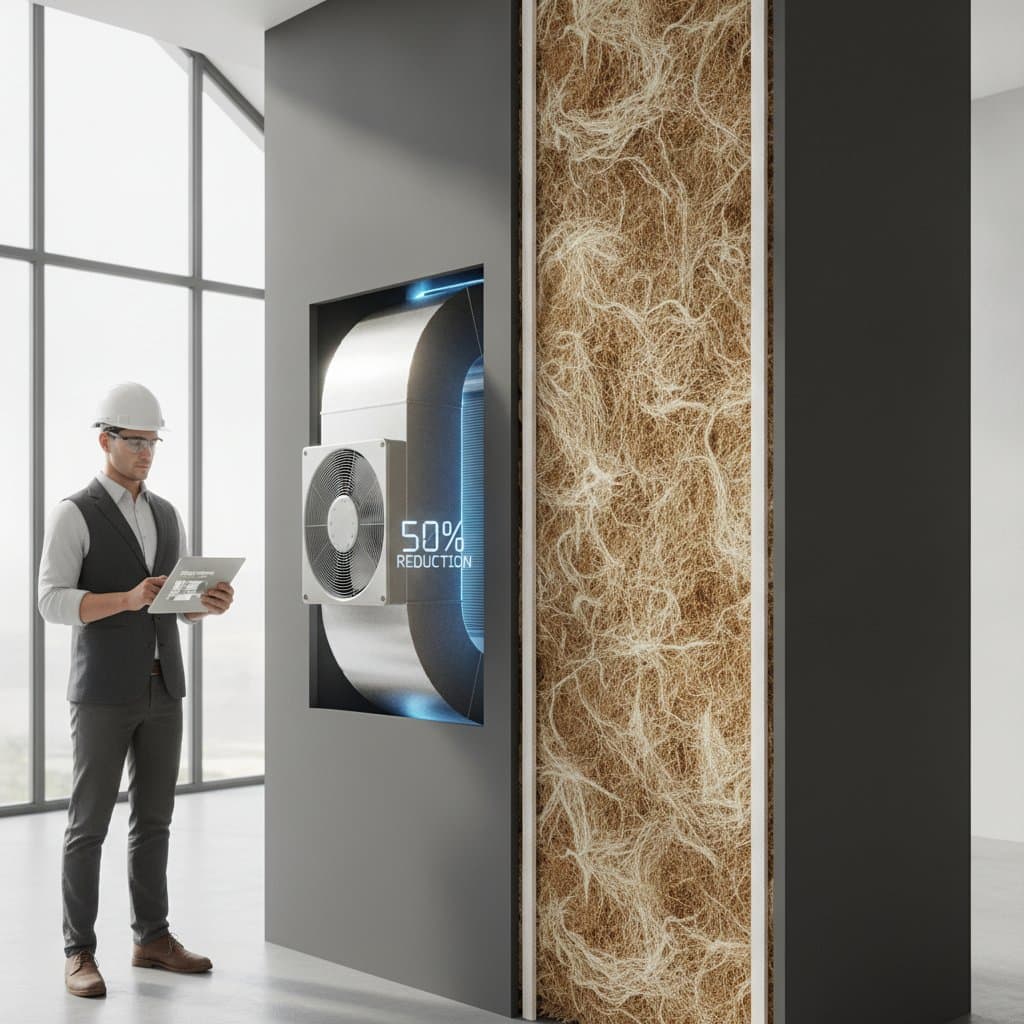
In practice, homes with hempcrete walls maintain comfortable interiors with less reliance on heating and cooling systems. Data from European installations show energy savings of up to 40 percent on utility bills compared to standard brick or concrete structures. The material's thermal mass helps stabilize indoor temperatures, reducing peak loads on HVAC systems and extending equipment life.
For regions with extreme climates, hempcrete's breathability ensures humidity control, further enhancing efficiency. Homeowners report noticeable differences in comfort, with even heat distribution that eliminates cold spots common in older builds.
Additional Benefits for Durability and Safety
Beyond carbon storage and energy savings, hempcrete offers practical advantages in durability and safety. The material resists fire effectively, achieving Class 0 fire ratings in tests, as the lime component chars rather than burns. This property makes it suitable for urban developments where fire codes demand high performance.
Pest resistance comes naturally from the lime's alkalinity, deterring insects and rodents without chemical treatments. Structurally, while not load-bearing on its own, hempcrete pairs well with timber frames, providing infill that enhances overall stability. Its flexibility absorbs minor seismic movements, adding resilience in earthquake-prone areas.
Maintenance proves minimal, as the material weathers gracefully and requires no special coatings. Over time, it maintains integrity, contributing to lower long-term costs for property owners.
Implementing Hempcrete in Modern Builds
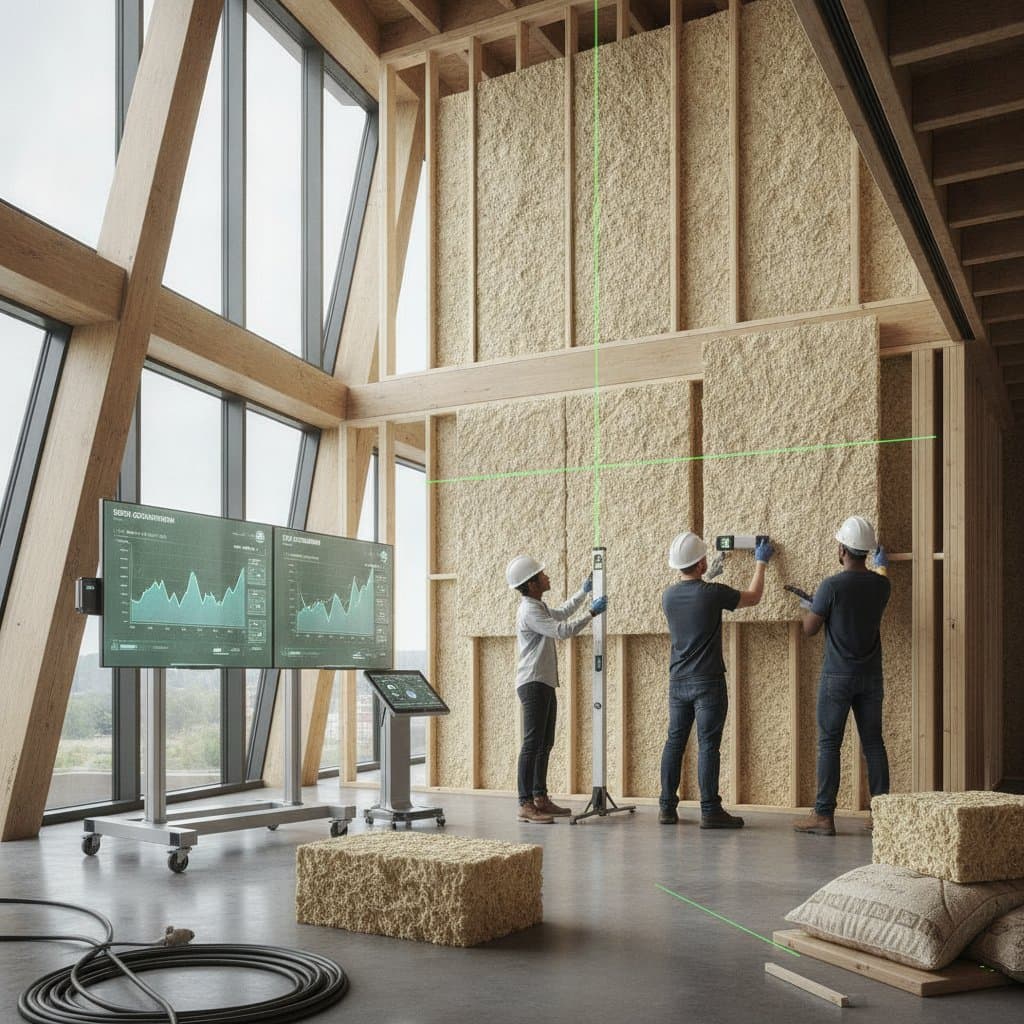
Adopting hempcrete starts with selecting certified suppliers who ensure consistent quality. For new constructions, architects integrate it into designs using standard framing techniques, often casting walls directly on-site for seamless integration.
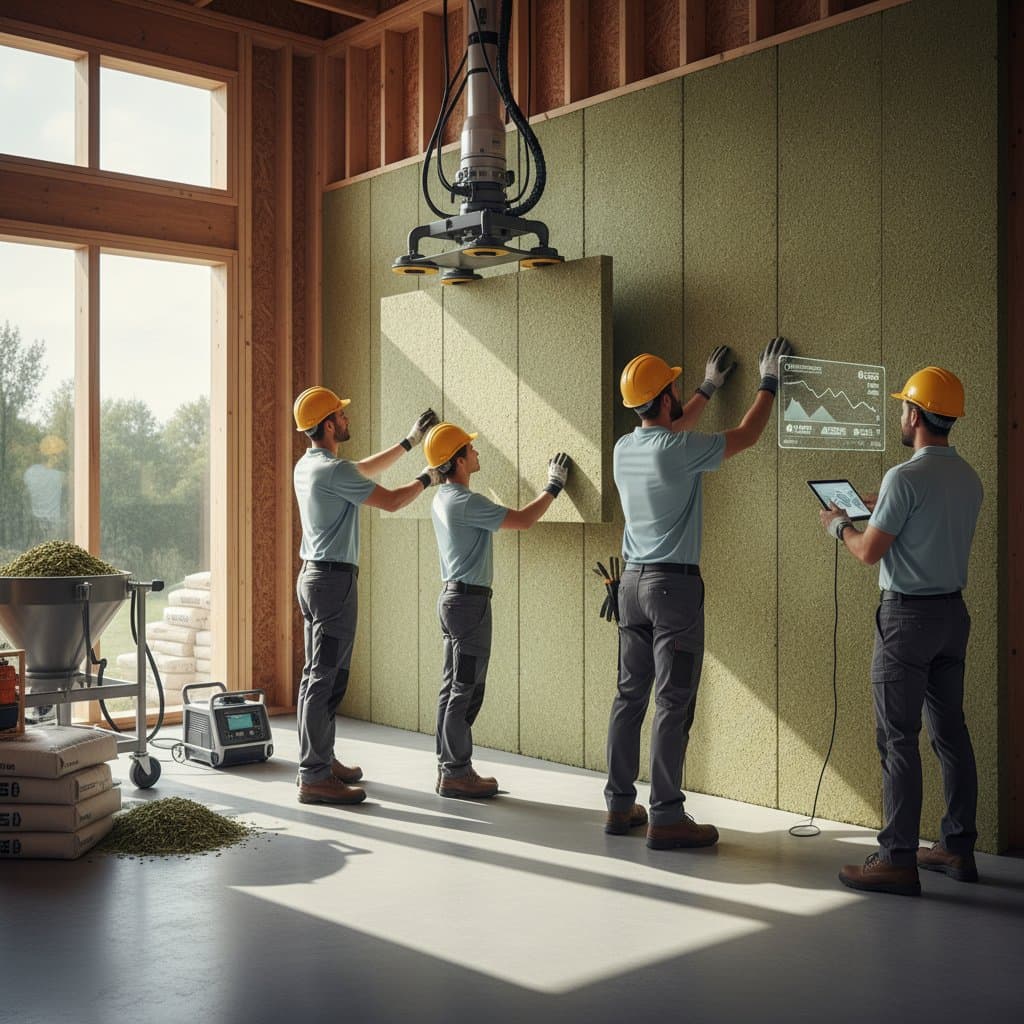
Renovations benefit too, with hempcrete applied as insulation panels or plasters over existing walls. Cost considerations include initial material expenses, which range from 10 to 20 percent higher than conventional options, but payback occurs within five to seven years through energy savings. Incentives like green building rebates accelerate adoption, particularly in regions prioritizing sustainability.
Training for installers remains key, as proper mixing and curing demand attention to detail. Organizations offer workshops to equip tradespeople, ensuring widespread accessibility by 2026 as supply chains mature.
The Path to Sustainable Homes
Hempcrete paves the way for buildings that actively improve the environment while enhancing livability. By storing carbon and slashing energy use, it addresses pressing challenges in housing. As demand rises, this material promises a shift toward regenerative construction practices.
Homeowners and developers who choose hempcrete invest in resilient, efficient spaces that align with future regulations and values. The result: structures that support a cooler planet without compromising on comfort or performance.