Key Points
- Hempcrete walls resist fire through a mineral binder of lime that encases hemp fibers in a non-combustible structure.
- This fire resistance enhances long-term safety and may lower insurance premiums in wildfire-prone regions.
- Hempcrete also improves indoor air quality, controls humidity, and sequesters carbon for extended periods.
- Proper installation and lime-based finishes ensure optimal fire-resistant properties.
- Initial costs exceed those of conventional insulation, yet benefits in durability, safety, and energy efficiency provide strong returns over time.
A Living Material That Refuses to Burn
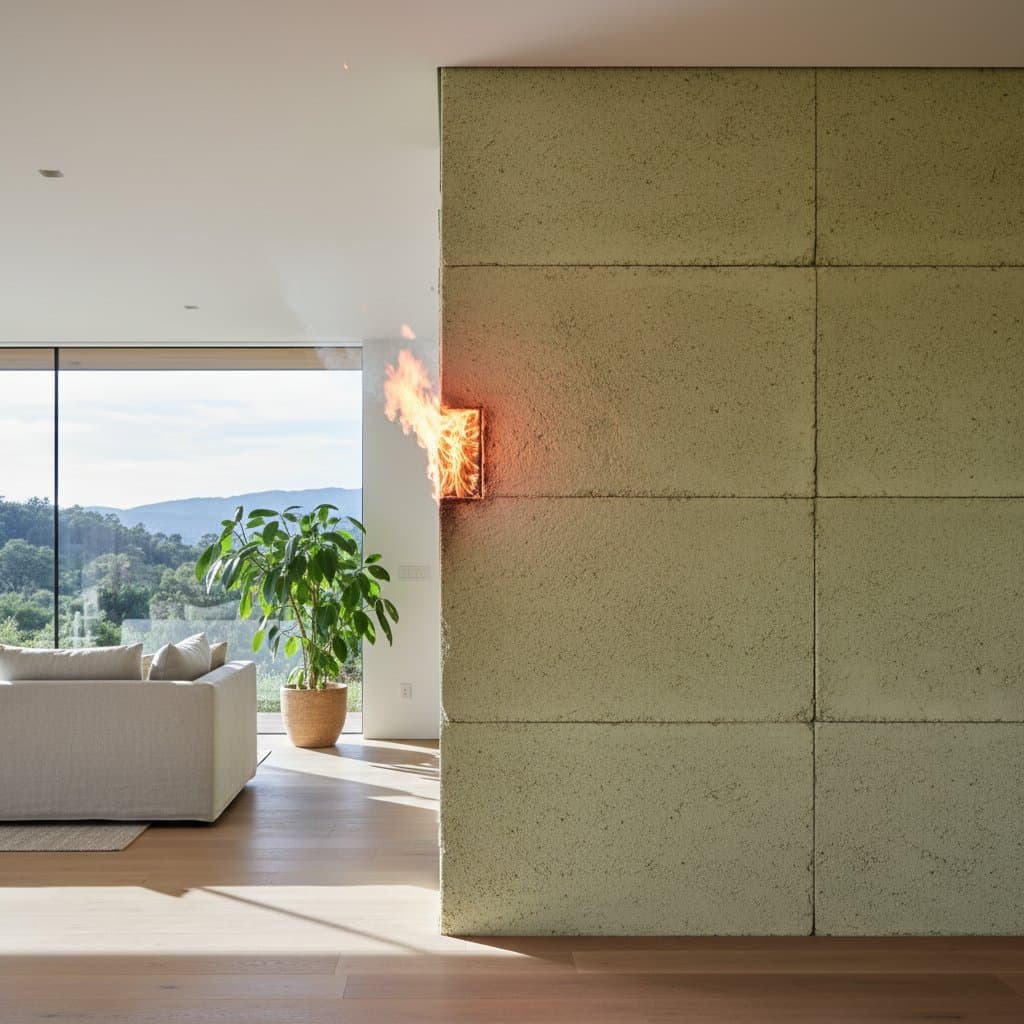
Imagine standing inside a newly constructed eco-home, enveloped by warm, light-colored walls that combine solidity with breathability. The surface texture evokes natural stone yet allows air to pass through. When a flame contacts this material, it chars only superficially before the reaction halts. This demonstrates the inherent reliability of hempcrete.
Individuals seeking sustainable building options frequently concern themselves with potential trade-offs in strength or security. Hempcrete addresses these doubts directly. It integrates natural insulation, humidity control, and fire resistance that matches or surpasses numerous synthetic alternatives.
Why Fire Resistance Matters for Eco Homes
Fire safety extends beyond basic regulatory compliance. With intensifying summer heat, erratic weather patterns, and escalating insurance rates, constructing a residence that withstands flames represents a strategic measure of fortitude. Materials that impede or halt fire progression safeguard not only the building but also its inhabitants and cherished contents.
Conventional insulations like fiberglass or foam often melt under intense heat or release hazardous vapors. Hempcrete behaves differently. It establishes a defensive layer that resists ignition and restricts heat conduction. Thus, hempcrete not only delays fire advancement but also contributes to its containment.
The Science Behind Hempcrete's Fire Resistance
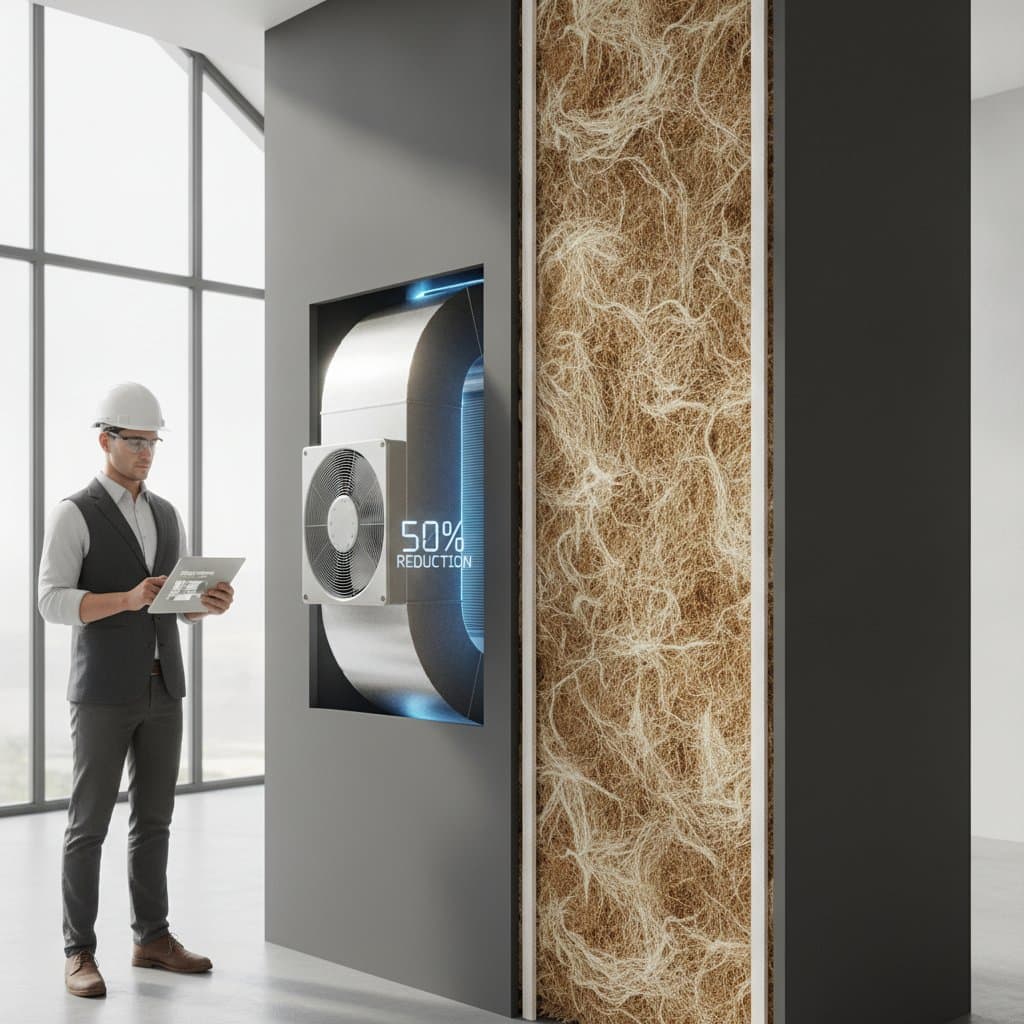
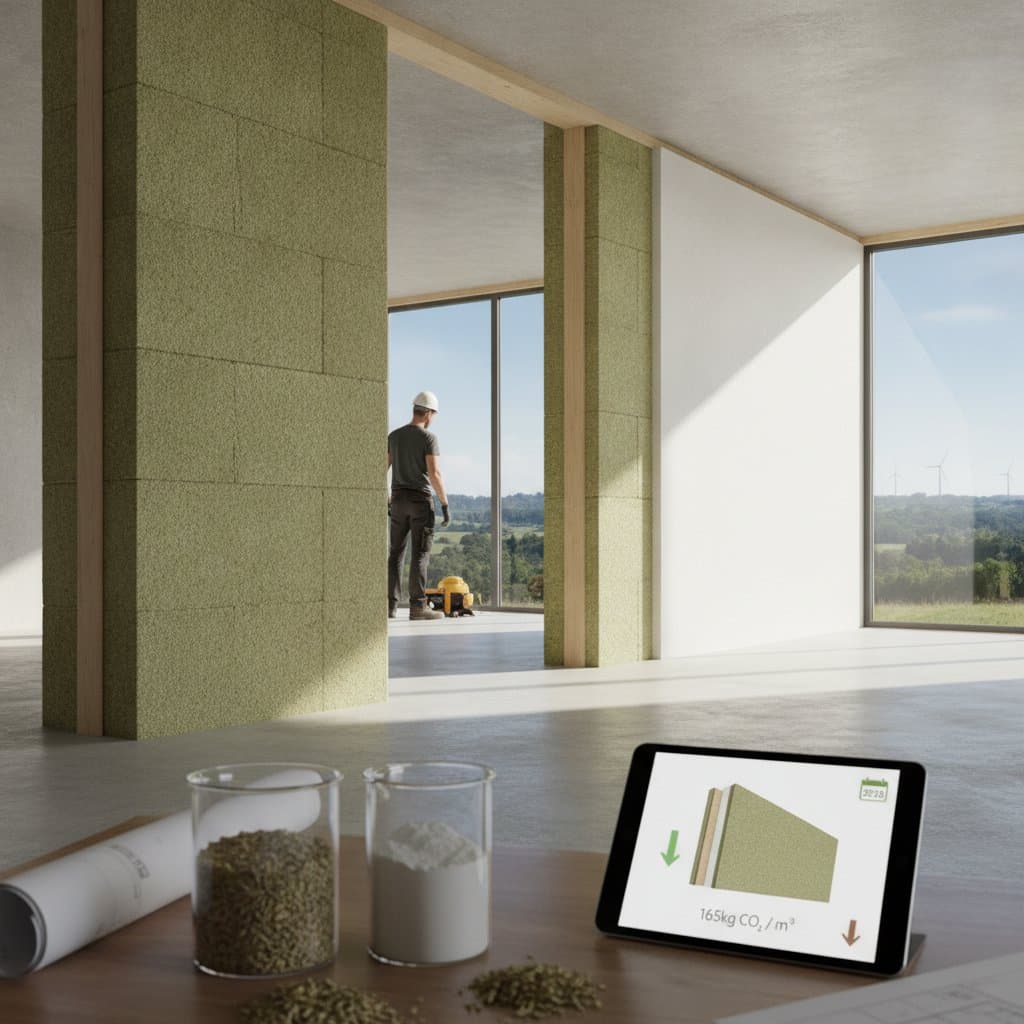
Hempcrete consists of three primary components: hemp hurd from the plant's inner stalk, a lime-based binder, and water. The transformation occurs during mixing and curing. The lime mineralizes the hemp fibers, embedding them within a durable, stone-like framework that remains porous yet impervious to flames.
Lime possesses alkaline properties and inherent non-flammability. Upon curing, it develops into calcium carbonate, a substance resilient to elevated temperatures and dampness. Hemp elements within this matrix carbonize modestly under fire exposure, forming a char barrier that shields the core. This mechanism parallels the protective charring observed in dense timber, which preserves internal integrity.
Fire testing on properly built hempcrete walls reveals endurance against direct flames for several hours prior to any structural compromise. The material supplies no additional fuel to the blaze, and combustion ceases promptly once the heat source withdraws.
Key Considerations for Planning
To attain reliable fire resistance in hempcrete projects, attention to precise execution proves essential. Consider these elements:
- Mix Ratio: The proportion of hemp hurd to lime binder determines density and fire endurance. Increasing lime enhances resistance but may diminish thermal adaptability.
- Wall Thickness: Typical hempcrete walls measure 10 to 16 inches. Greater thickness bolsters both insulation and fire endurance duration.
- Surface Finish: Lime plasters or renders provide an extra safeguard by sealing the exterior and blocking flame penetration to inner fibers.
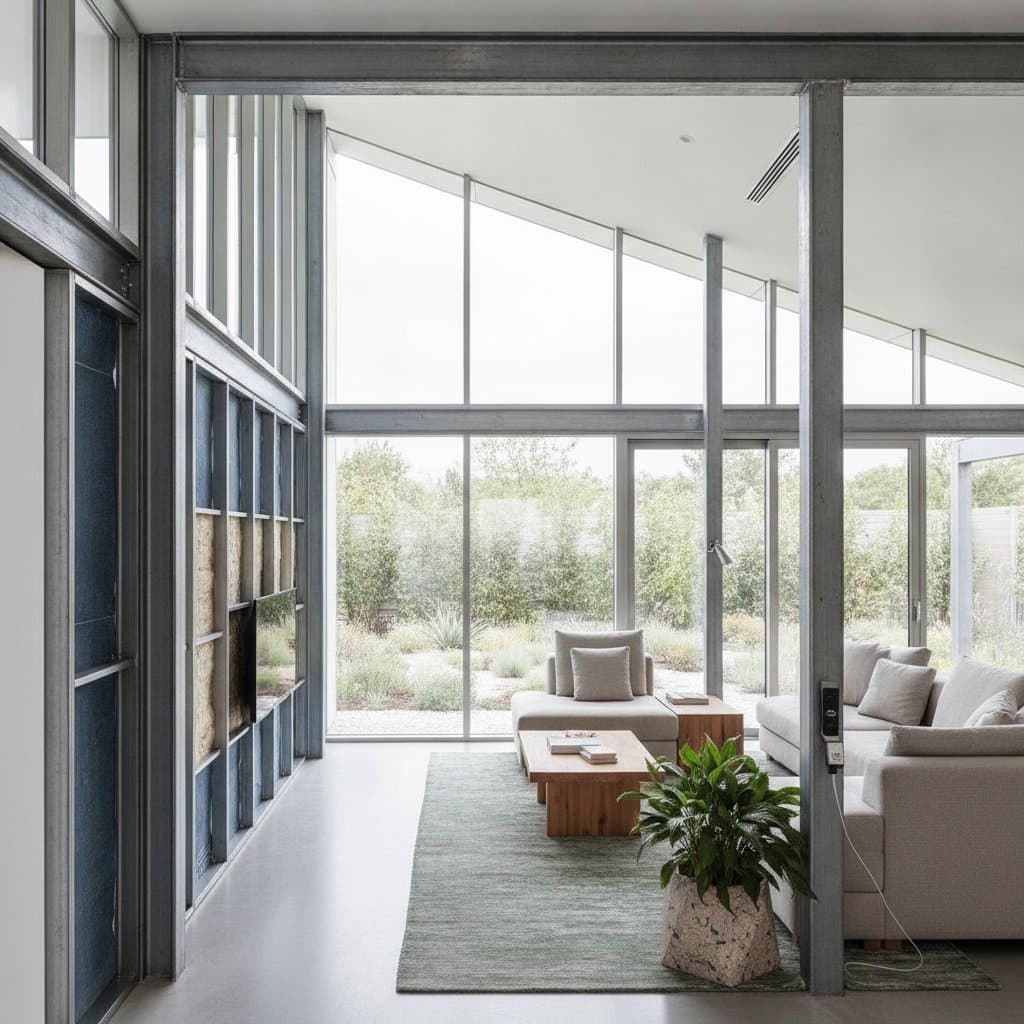
- Framing Material: Hempcrete lacks load-bearing capacity, so it pairs with a frame of wood, steel, or composite. The frame must satisfy fire codes to maintain overall system efficacy.
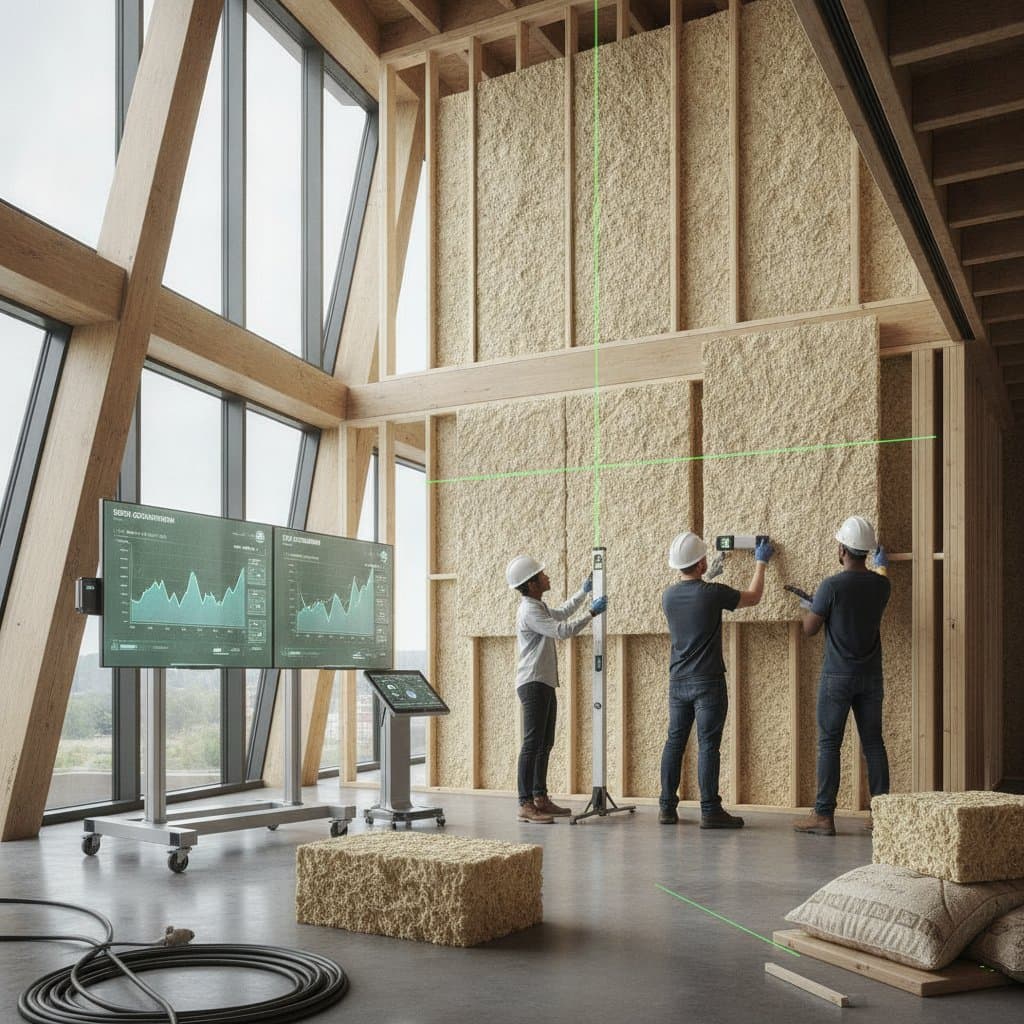
Engage certified professionals for installation to guarantee adequate curing, compaction, and integration with framing. Inadequate compaction or premature curing diminishes fire performance.
Cost Breakdown and ROI Analysis
Hempcrete construction generally incurs 10 to 30 percent higher expenses than traditional walls with fiberglass or foam. This premium arises from labor-intensive mixing and casting processes, plus the cost of lime binder. However, calculations incorporating diminished energy use, minimal upkeep, and prolonged service life reveal substantial long-term value.
- Material Costs: Approximately 15 to 20 dollars per square foot of wall area.
- Labor Costs: Vary based on pre-cast blocks versus on-site pouring.
- Energy Savings: Potential 25 to 40 percent decrease in heating and cooling bills, thanks to superior thermal mass.
- Insurance or Safety Benefits: Certain property owners secure lower premiums owing to the non-combustible composition.
Across a building's lifespan, hempcrete recoups its upfront differential via energy conservation, risk mitigation, and fewer repairs.
Sustainable Features and Efficiency Gains
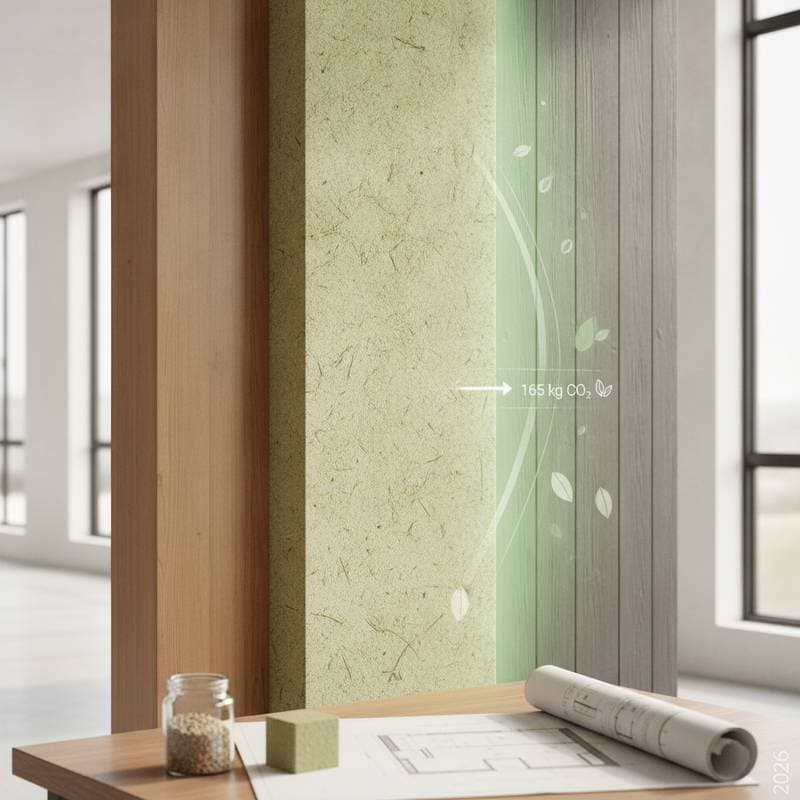
Fire resistance forms just one facet of hempcrete's advantages. Its environmental profile shines through rapid hemp growth, low fertilizer needs, and substantial carbon dioxide uptake during cultivation. The lime integration enables ongoing carbon sequestration during curing, yielding a carbon-negative wall assembly.
Hempcrete regulates interior humidity organically, curbing mold growth and elevating occupant comfort. Its permeable design facilitates moisture migration without condensation risks. The material's thermal mass stabilizes temperatures, fostering cooler summers and milder winters.
These attributes synergize with fire protection. A hempcrete wall serves as more than a flame deterrent; it functions as an active component in a harmonious indoor ecosystem.
Factors Influencing the Project
Hempcrete excels in performance, yet certain constraints warrant candid review. As a non-structural infill, it requires a supporting frame. Curing periods extend timelines, and procuring high-quality hemp hurd or lime can prove difficult in underdeveloped supply chains.
Local climate and building codes shape viability. Certain jurisdictions demand supplementary testing or certifications for innovative materials. Verify adherence at the outset to prevent setbacks.
Advancements in production address these hurdles. Prefabricated hemp-lime panels and spray methods accelerate assembly and uniformity.
Frequently Asked Questions
Is hempcrete completely fireproof?
No material achieves absolute fireproof status, but hempcrete demonstrates superior resistance. It ignites with difficulty, avoids toxic emissions, and substantially retards flame propagation.
How does hempcrete compare to concrete in fire performance?
Concrete offers fire resistance, yet hempcrete's reduced weight and vapor permeability provide advantages in heat and moisture management. Concrete risks cracking under thermal stress, whereas hempcrete preserves cohesion through insulation.
Can hempcrete be used in areas prone to wildfires?
Yes, it suits wildfire zones effectively. The non-combustible lime structure and insulating qualities shield interiors amid extreme external heat.
Does fire resistance affect indoor air quality?
Yes, positively. Hempcrete neither burns nor releases harmful substances, minimizing toxin exposure during fires or routine occupancy.
Does adding finishes affect performance?
Natural lime or clay plasters augment resistance and breathability. Steer clear of synthetic coatings that impede permeability or add flammability.
Building Resilience with Hempcrete
Hempcrete empowers homeowners to construct enduring, eco-conscious spaces that prioritize safety and sustainability. By integrating fire-resistant lime chemistry with natural hemp, these walls deliver protection, efficiency, and environmental benefits. Embrace hempcrete to fortify your home against modern challenges while advancing a healthier planet.