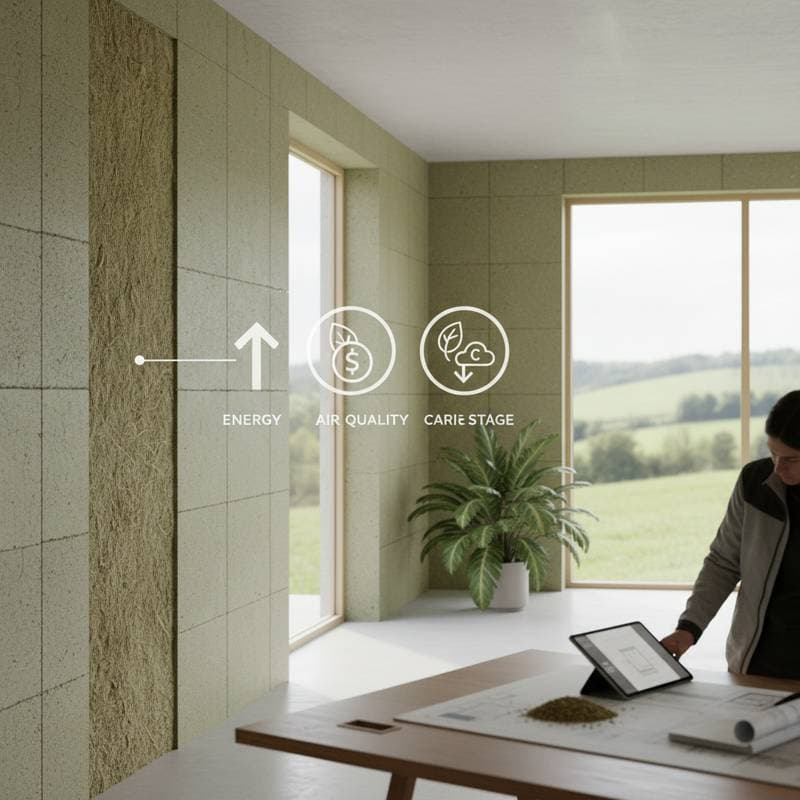
Hempcrete: Halving Insulation Costs for 2025 Sustainable Builds
Imagine sourcing the solution to halve building insulation costs from one of Earths oldest crops. In the construction sector, hempcrete emerges as more than an eco-friendly option; it proves a prudent financial decision for energy-efficient residential and commercial developments. Professionals such as builders, architects, and homeowners adopt it to decrease energy expenses, minimize embodied carbon, and foster healthier interiors.
Essential Advantages
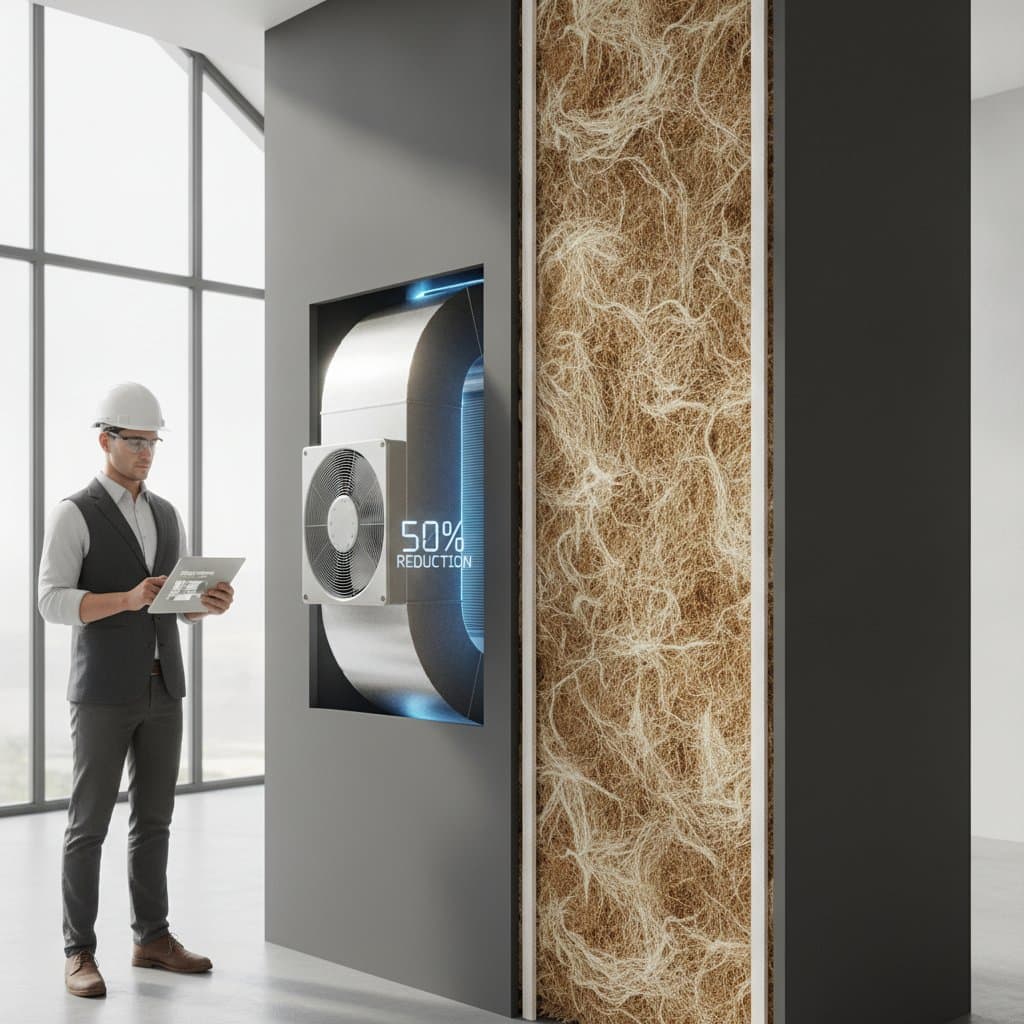
- Cost Efficiency: Hempcrete insulation lowers heating and cooling expenditures by as much as 50 percent relative to traditional options.
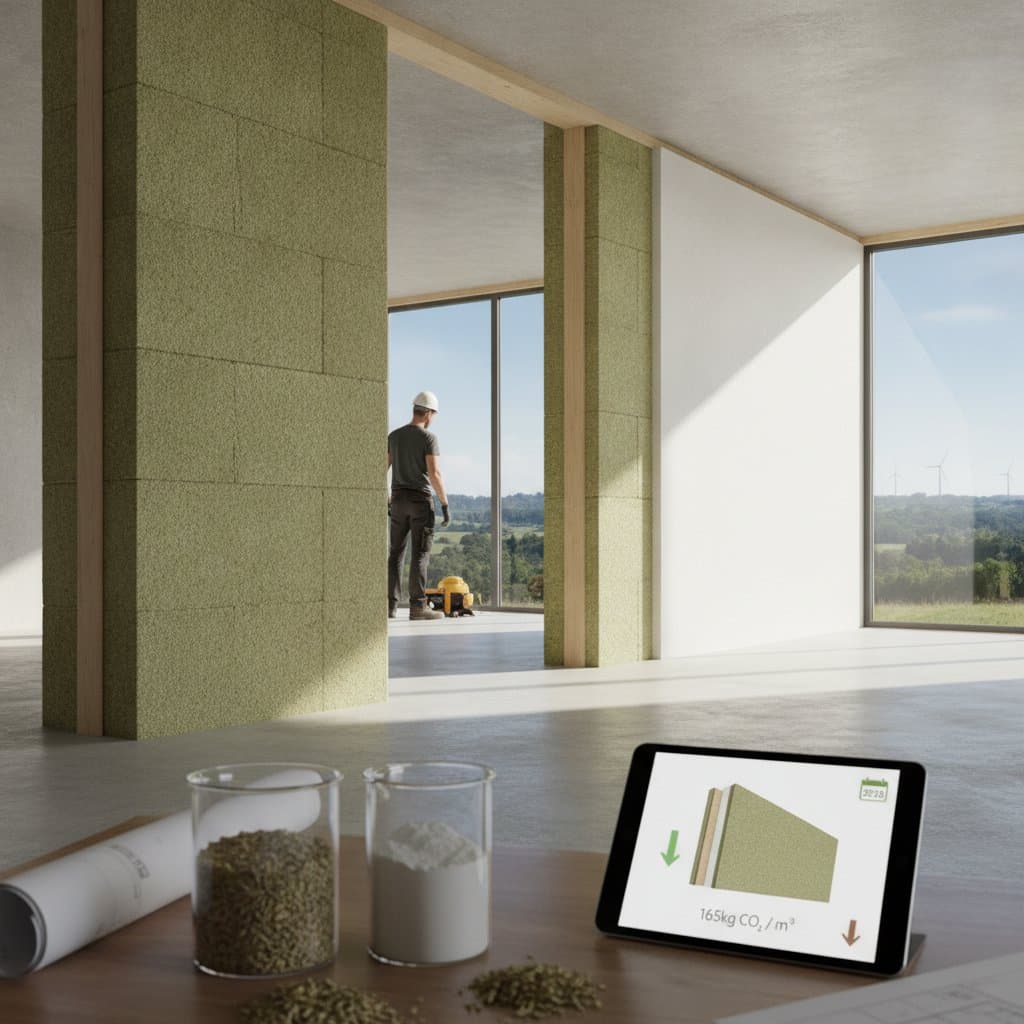
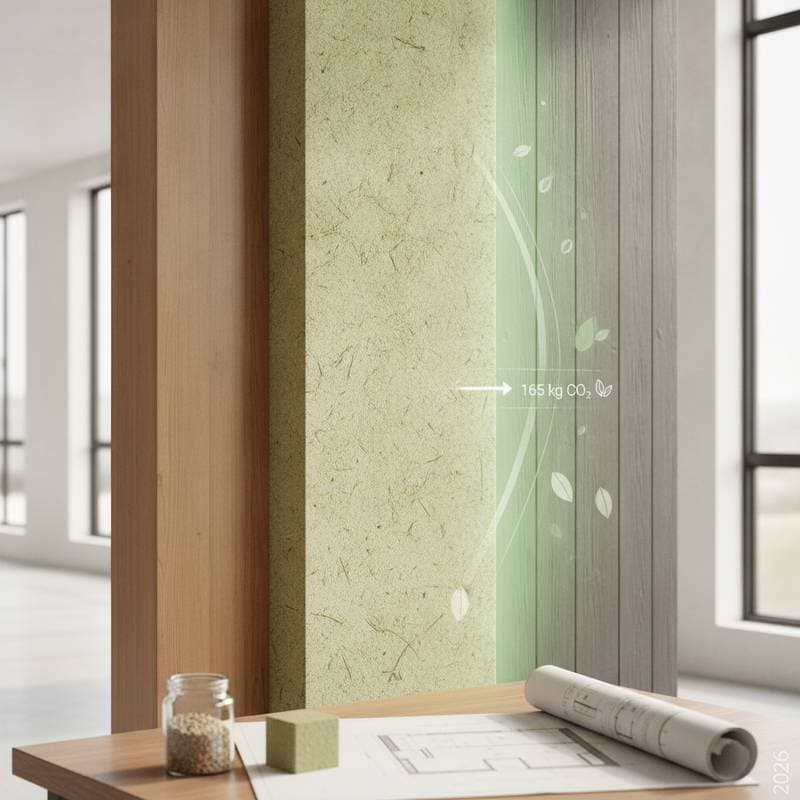
- Carbon Capture: Each cubic meter sequesters up to 165 kilograms of carbon dioxide throughout its lifecycle.
- Enduring Breathability: When correctly formulated and applied, hempcrete endures for decades and regulates indoor humidity effectively.
- Resistance to Fire and Pests: The lime component inherently repels fire, mold, and insects, which curtails ongoing maintenance expenses.
- Renewable Production: Hemp matures rapidly without chemical inputs, restores soil health, and bolsters regional farming communities.
Hempcrete Versus Traditional Insulation
| Material Type | Average R-Value per Inch | Estimated Cost per Square Foot | Carbon Footprint (kg CO₂/m³) | Moisture Resistance | Longevity |
|---|---|---|---|---|---|
| Fiberglass Batt | 3.0 | $1.20 | +2.5 | Moderate | 10-20 years |
| Spray Foam | 6.0 | $2.80 | +3.0 | Low | 20-30 years |
| Cellulose | 3.7 | $1.50 | +1.0 | Moderate | 15-25 years |
| Hempcrete | 2.8-4.2 | $1.60-$2.00 | -165 | High | 50+ years |
Although hempcretes initial material price exceeds that of fiberglass or cellulose marginally, its superior longevity and carbon-negative attributes position it as the superior choice for eco-conscious projects. The lime binder carbonates progressively, enhancing strength and capturing further carbon dioxide.
Data from the U.S. Green Building Council indicates that a standard residence insulated with hempcrete achieves operational emission reductions of up to 45 percent, advancing net-zero objectives.
Environmental and Health Advantages
Carbon Capture and Ecological Impact
Hempcretes entire lifecycle promotes environmental gains. The hemp plant draws substantial carbon during cultivation, and the lime binder absorbs additional carbon dioxide as it sets. This process renders the material carbon negative, as it retains more carbon than released in manufacturing.
Research from the Carbon Smart Materials Consortium reveals that constructing a 1,200-square-foot home with hempcrete sequesters up to 20 tons of CO₂. Such capacity compensates for emissions associated with materials like steel or concrete.
Enhancing Indoor Environments
In contrast to synthetic insulators that release volatile organic compounds, hempcrete remains completely non-toxic. Its vapor permeability facilitates moisture passage through walls, averting condensation and mold proliferation. This feature proves particularly beneficial for individuals prone to allergies or structures in moist climates.
Residents frequently note improved air freshness and stable humidity, which diminishes reliance on artificial dehumidifiers.
Evaluating Total Expenses
Hempcretes upfront material outlay may seem elevated, yet overall project economics often even out through simplified finishing labor and sustained energy reductions.
Detailed Cost Analysis:
- Materials (hemp hurd and lime): $1.60 to $2.00 per square foot
- Installation labor: $4 to $6 per square foot
- Ongoing energy benefits: 30 to 50 percent decrease in heating and cooling bills
Relative to spray foam, which surpasses $7 per square foot when installed, hempcrete strikes an optimal equilibrium of efficacy and environmental stewardship.
Architectural consultant James Kellar observes, “When factoring in energy reductions, longevity, and elimination of remediation for mold or emissions, hempcrete recoups investment within six years.”
Proven Applications in Practice
Home Renovation Example
In a Pacific Northwest residence, crews substituted fiberglass with 12-inch hempcrete walls during a retrofit. Subsequent assessments documented a 47 percent decline in yearly heating and cooling costs, alongside elevated indoor air quality. The owner experienced consistent humidity across seasons.
Office Development Case
A Midwest two-story office incorporated hempcrete panels in exterior walls. Simulations indicated a 40 percent reduction in energy use compared to mineral wool equivalents. Over five years, upkeep remained negligible, and interiors maintained balance without humidification equipment.
These instances demonstrate hempcretes adaptability to diverse structures and conditions, affirming its value as an economical, green solution.
Implementing Hempcrete Effectively
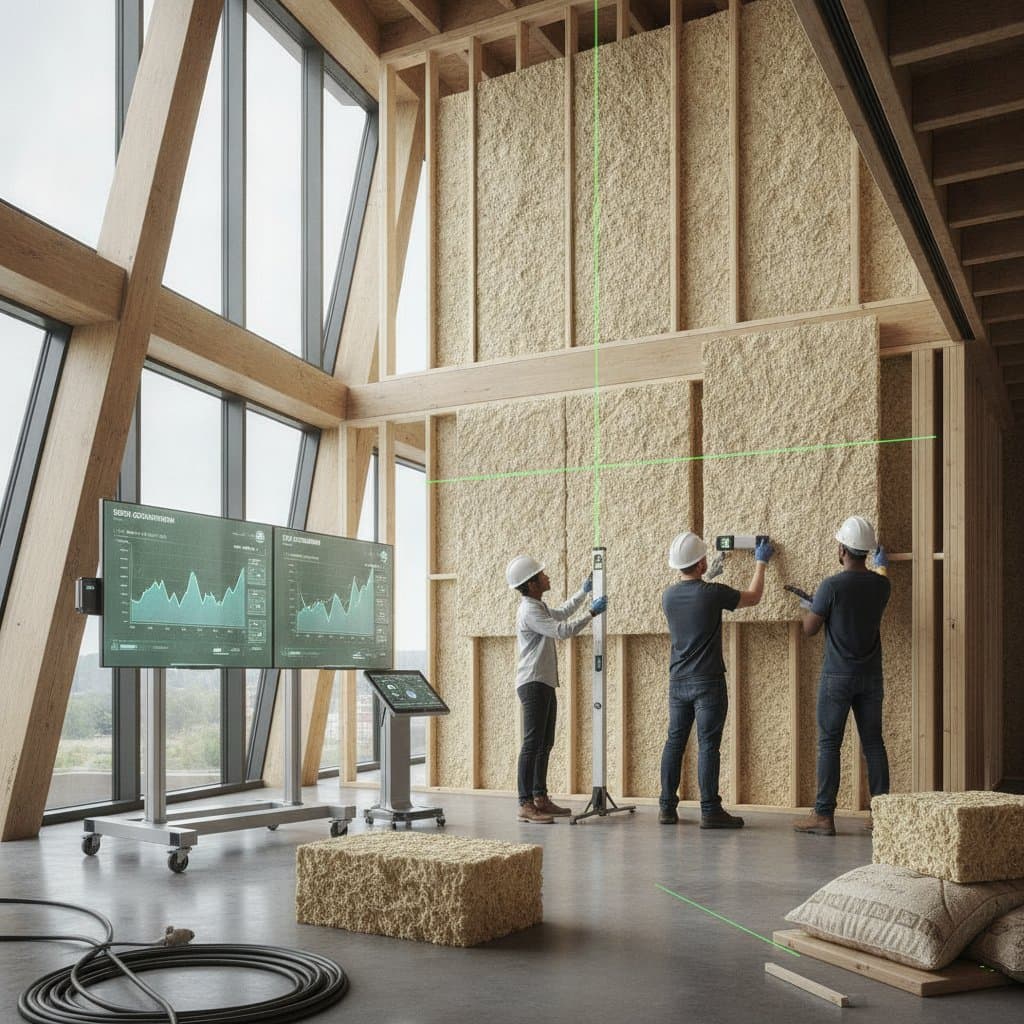
To incorporate hempcrete in upcoming projects, engage architects or contractors experienced in bio-based systems. Confirm local codes permit hemp-lime mixtures or secure engineer validations.
Steps for Successful Adoption:
- Evaluate Site Conditions and Objectives: Hempcrete excels in moderate or damp areas benefiting from thermal mass and moisture management.
- Procure Regional Supplies: Local sourcing minimizes transport emissions and amplifies carbon benefits.
- Account for Setting Period: Schedule allowances ensure hempcrete attains peak solidity prior to surface treatments.
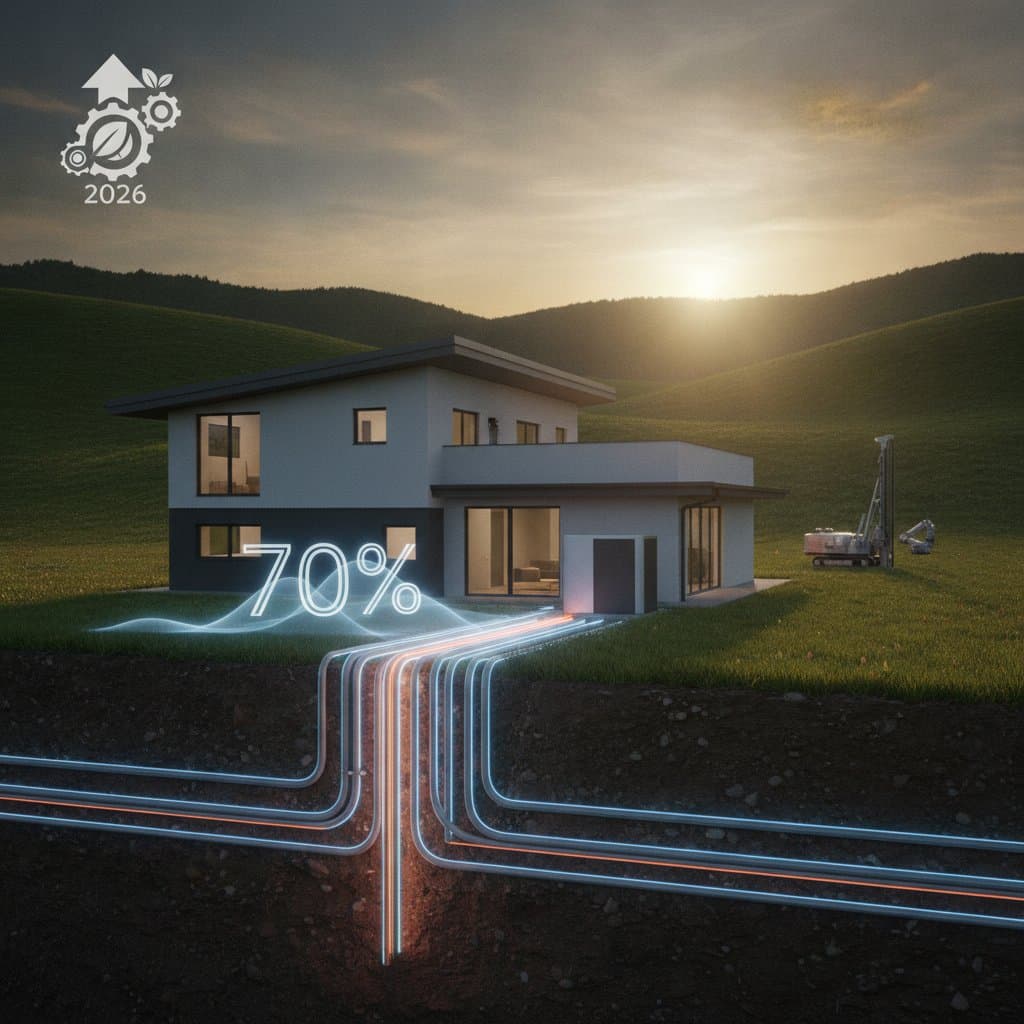
- Integrate Complementary Technologies: Pair with solar or geothermal setups to optimize performance.
- Monitor Outcomes: Deploy energy trackers to measure efficiencies and confirm financial returns.
Adopting hempcrete enables tangible expense savings, superior indoor spaces, and progress toward reduced-carbon building practices. This fusion of time-tested agriculture and contemporary engineering provides a model for construction that prioritizes occupant well-being, fiscal prudence, and ecological preservation.
Hempcrete transcends mere insulation; it reimagines building design to harmonize human needs, economic viability, and global sustainability.