Key Points
- Geothermal heating systems provide superior long-term returns compared to solar panels by addressing both heating and cooling requirements with a single installation.
- Although initial expenses may exceed those of solar, the reduced operating costs result in shorter payback periods that frequently surpass solar setups.
- Progress in ground-source heat pump technology and efficiency benchmarks accelerates widespread use, particularly among homeowners pursuing reliable, annual savings.
- Data from home resale markets and energy simulations indicate that geothermal installations elevate property values more effectively than many other renewable enhancements.
The Challenge: Selecting the Optimal Energy Investment
Homeowners often face a difficult decision when evaluating renewable energy options. Solar panels capture abundant sunlight to generate electricity, while geothermal systems utilize the earth's stable temperatures for heating and cooling. Both technologies offer environmental benefits, yet one demonstrates a clearer path to financial recovery.
Performance metrics and practical examples reveal geothermal systems as the preferable choice for sustained value. These ground-source heat pumps deliver consistent comfort and cost savings throughout the year, distinguishing them from solar's variable output.
Why Return on Investment Guides Energy Choices
Investing in home energy upgrades requires assurance of financial viability. Return on investment calculates the duration needed for energy savings to offset upfront expenditures. Solar panels primarily offset electricity bills through power generation, whereas geothermal systems manage heating, cooling, and sometimes hot water demands.
Geothermal installations can reduce heating and cooling expenses by 40 to 70 percent relative to conventional furnaces and air conditioners. The combination of these savings, minimal upkeep, and extended durability often yields returns that exceed solar systems over comparable periods.
Essential Factors in Geothermal Planning
Effective geothermal performance hinges on several foundational elements. Understanding these allows homeowners to optimize their investment.
-
System Configuration and Ground Conditions
Closed-loop designs, which circulate fluid through underground pipes, dominate residential applications. Horizontal layouts work well in areas with ample yard space, while vertical drilling suits limited sites. Stable subsurface temperatures, typically four to six feet below ground, ensure dependable operation across diverse climates. -
Building Energy Profile
System efficacy improves in homes with robust insulation and airtight construction. These features lower overall energy needs, thereby enhancing payback timelines. -
Unit Specifications and Capacity
Select equipment calibrated to the home's precise heating and cooling requirements. Properly sized units operate efficiently, avoiding the pitfalls of excess capacity or inadequate performance. -
Utility Costs and Financial Support
Geothermal relies on electricity, so regional pricing influences economics. Pairing with solar generation creates a hybrid approach that minimizes grid dependence and maximizes incentives.
Detailed Cost Structure and Return Analysis
Residential geothermal setups range from $20,000 to $40,000, influenced by system scale, excavation depth, and terrain. This investment supplants separate furnace and air conditioner replacements, each potentially exceeding $10,000.
Annual savings on heating and cooling can reach $2,000 for typical households. Such reductions translate to payback periods of five to ten years, followed by decades of economical operation.
In contrast, solar arrays cost $15,000 to $30,000 and generate annual savings of about $1,000, contingent on solar exposure and tariffs. Payback for solar extends to eight to twelve years. Geothermal thus achieves breakeven more rapidly, particularly in cold-weather zones with elevated heating needs.
Integration and Spatial Considerations
Geothermal designs adapt to various property types. Horizontal loops integrate seamlessly into expansive lawns, vertical options minimize surface disruption on smaller plots, and water-based loops leverage nearby ponds for efficiency.
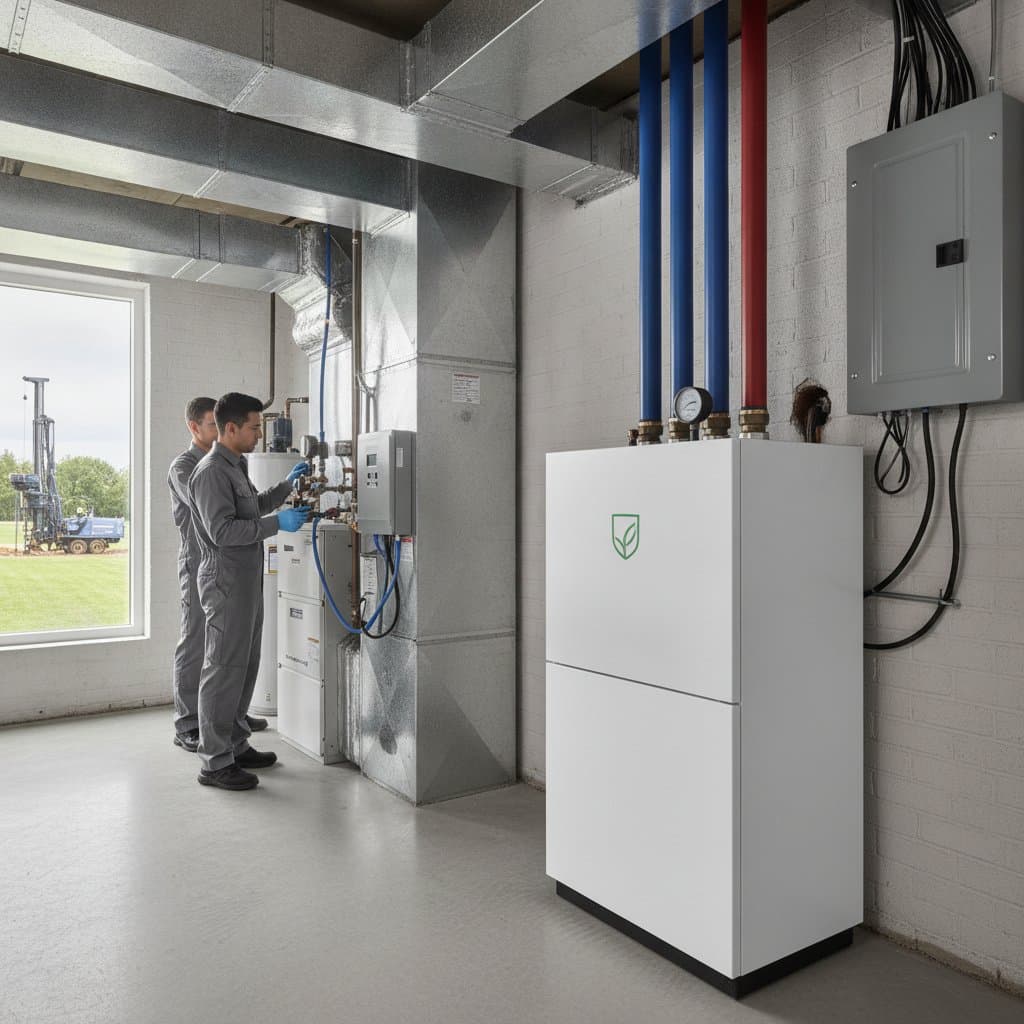
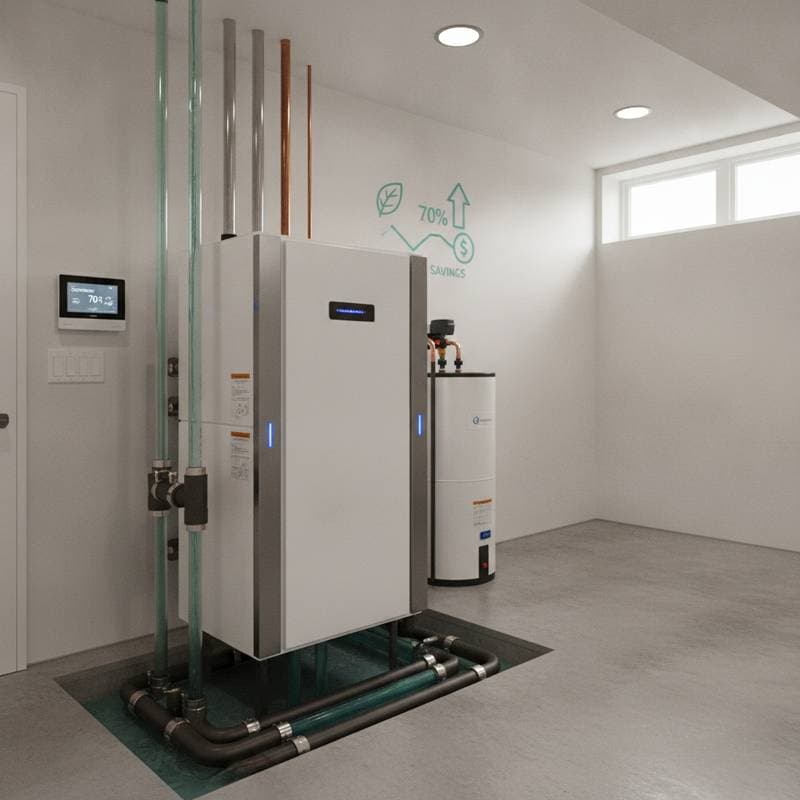
The indoor heat pump unit mirrors a conventional furnace in appearance and connects to existing ducts or hydronic systems. It transfers thermal energy quietly, preserving indoor humidity and avoiding the noise of traditional equipment.
Incorporating radiant floor heating enhances comfort and efficiency. In warmer regions, the system delivers uniform cooling without the discomfort of direct air blasts.
Environmental Benefits and Performance Metrics
Geothermal excels in sustainability by leveraging earth's thermal stability without fuel combustion. Efficiency ratios of 300 to 500 percent mean each unit of electricity input yields three to five units of useful heating or cooling.
Sourcing power from renewables enables carbon-neutral function. This profile supports certifications like LEED and ENERGY STAR, while component longevity—25 years for indoor parts and over 50 for loops—outlasts solar needs for periodic maintenance.
Variables Affecting Implementation
Multiple elements shape geothermal outcomes:
-
Ground Thermal Properties: Wet, compact soils conduct heat better than arid or loose varieties, boosting system responsiveness.
-
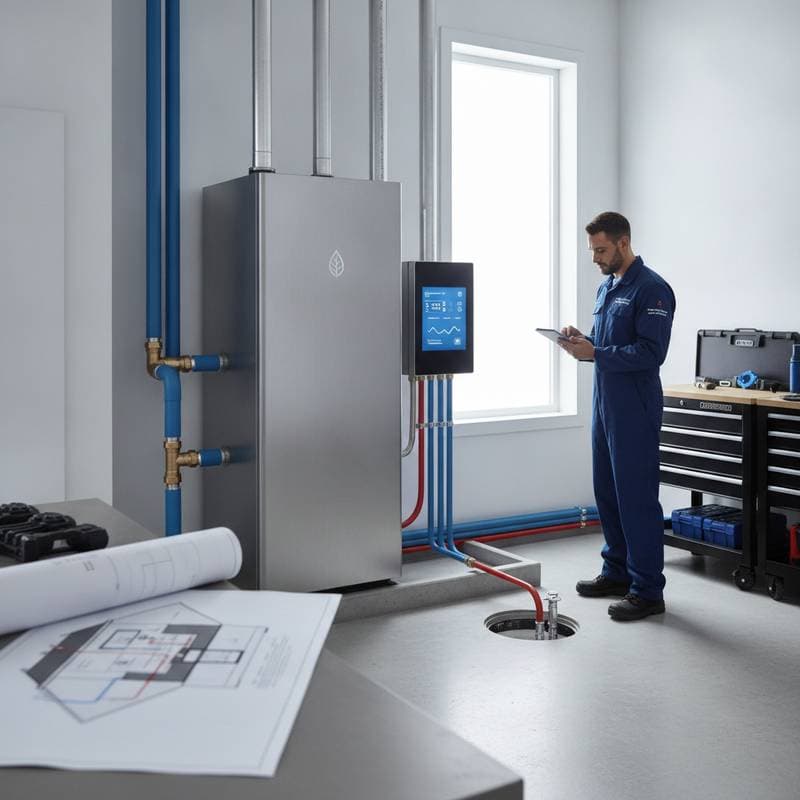
Professional Installation: Engage certified experts to prevent errors in design or drilling, ensuring optimal loop integrity.
-
Ongoing Upkeep: Schedule yearly reviews of filters, circulation pumps, and fluid levels to sustain peak efficiency.
-
Market Energy Pricing: Escalating utility rates amplify geothermal advantages over time.
Long-term residents capture the fullest benefits, but even transient owners gain from elevated marketability and appraisals.
Frequently Asked Questions
Does geothermal function in all locations?
Geothermal operates nationwide, with adaptations for local conditions. Deeper installations in frigid areas access reliable warmth, while in temperate zones, the system excels at heat dissipation for cooling.
Is integration with solar feasible?
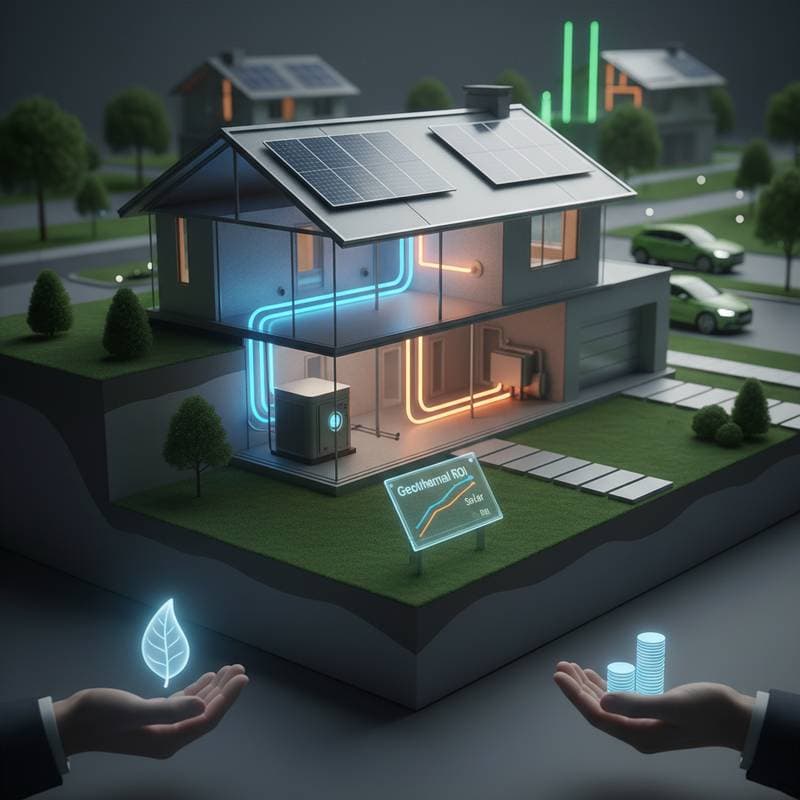
Yes, solar arrays can supply electricity to the geothermal pump, forming a comprehensive renewable ecosystem that virtually erases utility expenses.
How invasive is the setup process?
Temporary landscaping impacts occur from drilling, but sites restore swiftly. Horizontal configurations might involve brief reseeding or leveling.
Are funding options accessible?
Specialized loans and rebates treat geothermal as a premium upgrade, providing competitive rates. This structure allows immediate savings despite phased payments.
What upkeep does it demand?
Routine filter replacements and inspections suffice, far less than fuel-dependent alternatives. The subsurface loop remains sealed and self-sustaining.
Safeguarding Long-Term Performance
To maximize geothermal value, establish a maintenance routine early. Professional tune-ups every one to two years address any emerging issues, preserving efficiency ratings.
Monitor energy usage patterns post-installation to confirm optimal operation. Homeowners who integrate smart thermostats gain precise control, further extending savings and comfort.
Ultimately, geothermal investments reward proactive stewardship with reliable, eco-friendly performance that endures for generations.