Geothermal HVAC Now Affordable with 2026 Tax Credits
Geothermal heating, ventilation, and air conditioning systems utilize the stable temperatures beneath the earth's surface to provide efficient heating and cooling for homes. These systems offer significant advantages over traditional HVAC options, including lower energy consumption and reduced environmental impact. The introduction of tax credits in 2026 makes this technology accessible to more homeowners, transforming a once-costly upgrade into a practical investment.
Understanding Geothermal HVAC Systems
Geothermal HVAC systems function by transferring heat to or from the ground using a network of underground loops filled with water or antifreeze. In winter, the system extracts warmth from the earth to heat the home; in summer, it releases excess indoor heat into the cooler soil. This closed-loop process ensures consistent performance regardless of outdoor weather conditions.
Homeowners appreciate the quiet operation of these systems, as they eliminate the need for noisy outdoor compressors found in conventional units. Additionally, geothermal setups require minimal maintenance, often lasting 25 years or more for the ground loops and 10 to 15 years for indoor components. The result is reliable comfort year-round with far less strain on energy resources.
Key Benefits for Homeowners
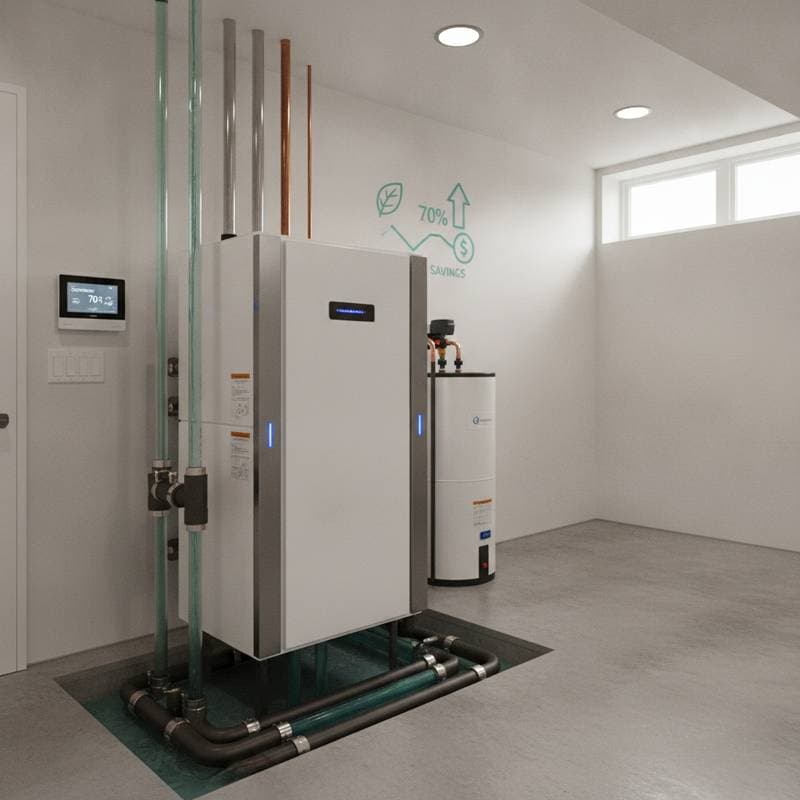
One primary advantage lies in energy efficiency. Geothermal systems can achieve efficiencies up to 400 percent, meaning they deliver four units of heat for every unit of electricity used. This efficiency translates to substantial reductions in utility bills, often by 30 to 70 percent compared to standard air-source heat pumps or furnaces.
Environmental benefits are equally compelling. By relying on renewable ground heat, these systems produce fewer greenhouse gas emissions and decrease dependence on fossil fuels. Homeowners contribute to sustainability efforts while enjoying enhanced indoor air quality due to the system's advanced filtration capabilities.
Long-term value adds another layer of appeal. Property values tend to increase with energy-efficient upgrades like geothermal HVAC, and warranties often cover major components for decades. Insurance premiums may even decrease because of the reduced risk of fire or mechanical failure associated with these systems.
The Impact of 2026 Tax Credits
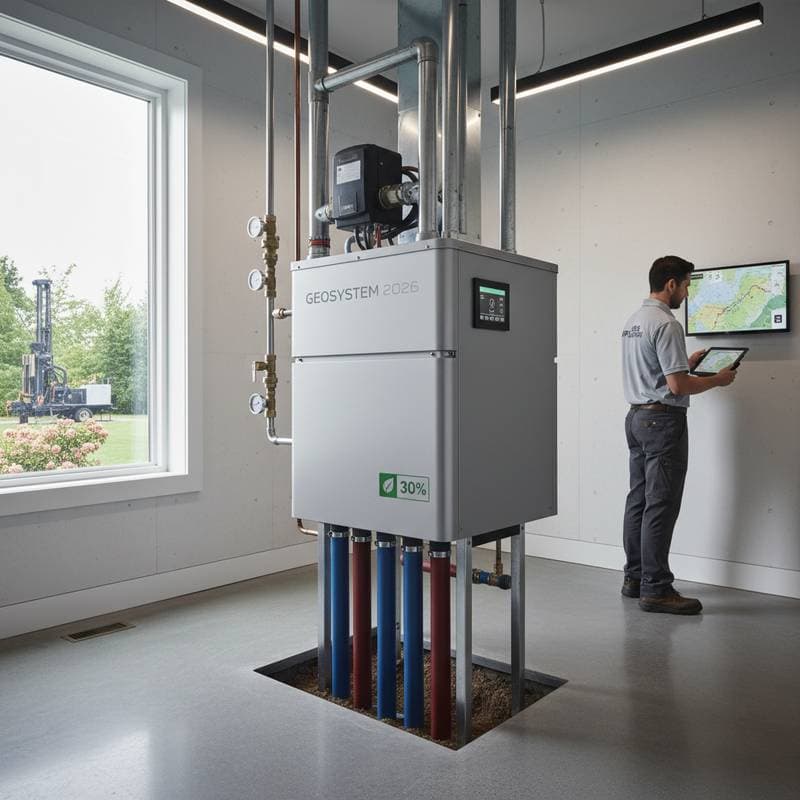
Starting in 2026, federal tax credits under the expanded Inflation Reduction Act will cover up to 30 percent of the total cost of qualifying geothermal HVAC installations, with no upper limit on the credit amount. This incentive applies to both new installations and retrofits, provided the system meets Energy Star certification standards. Homeowners must ensure their project qualifies by consulting IRS guidelines specific to that year.
These credits directly address the main barrier to adoption: high upfront costs, which typically range from $20,000 to $40,000 depending on home size and site conditions. After applying the credit, the net investment drops significantly, often achieving payback within five to ten years through energy savings alone. State and local rebates may further enhance affordability in certain regions.
Steps to Implement a Geothermal System
Conduct a Site Evaluation
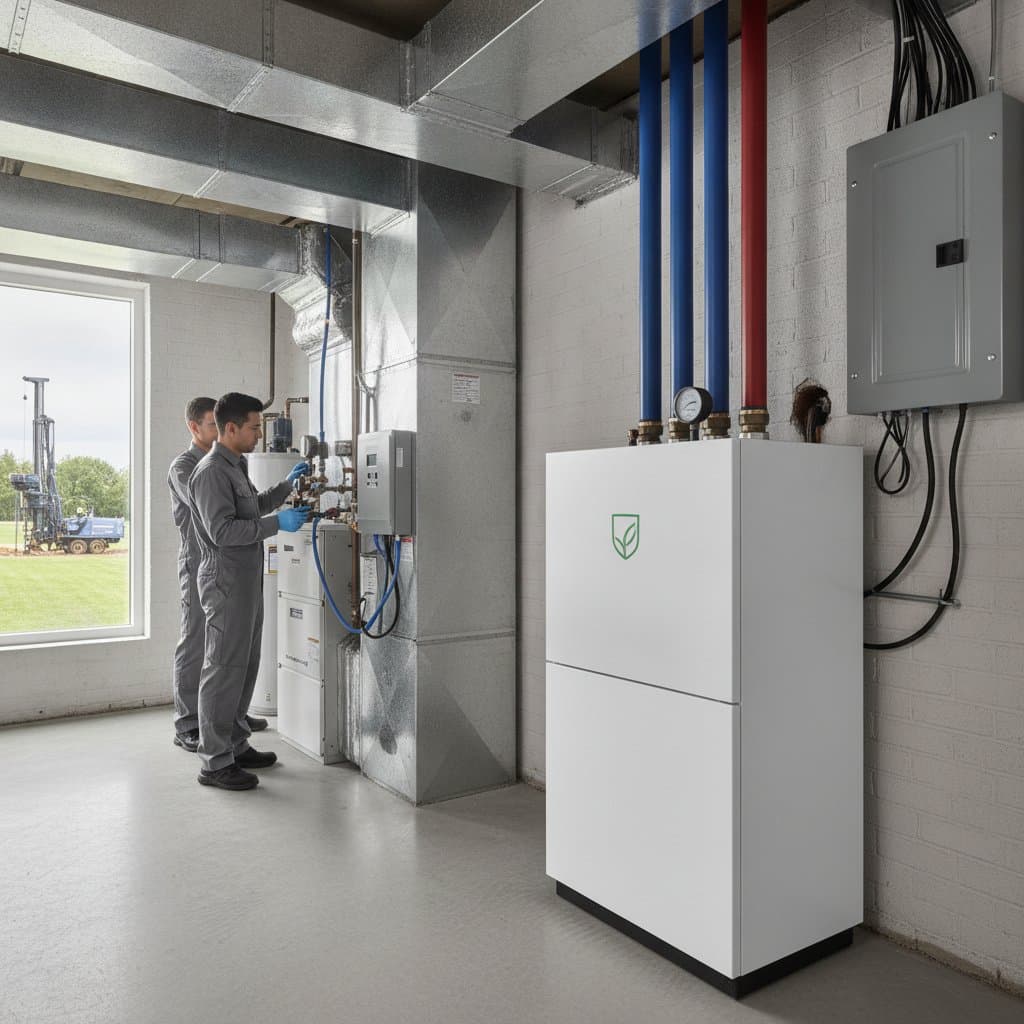
The first step involves a professional site assessment to determine soil type, available land for loops, and groundwater conditions. Experts use tools like thermal conductivity tests to predict system performance accurately. This evaluation, usually costing $500 to $2,000, prevents costly surprises and ensures optimal design.
Design the System
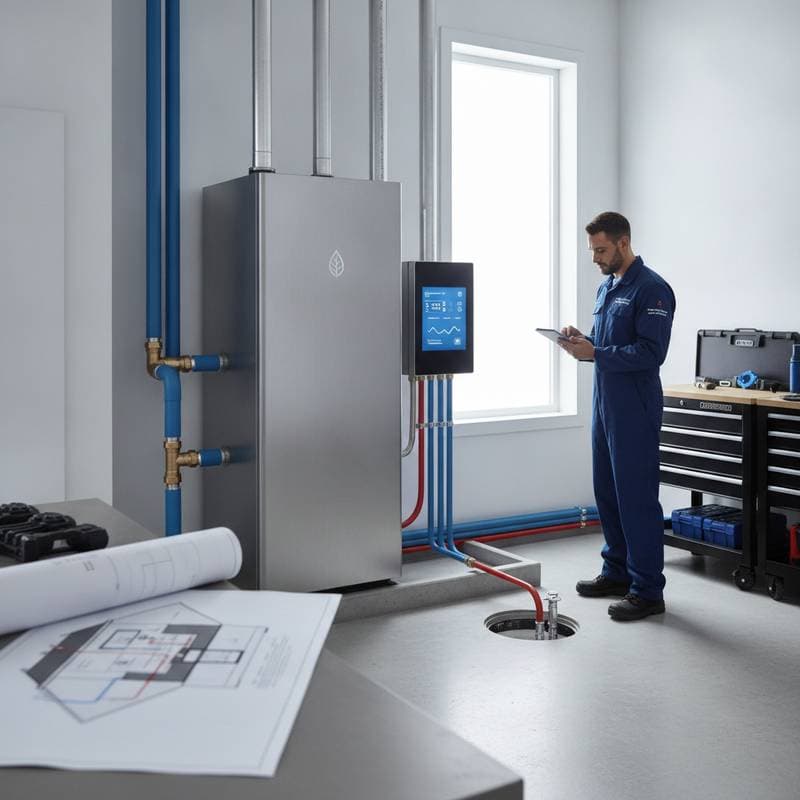
Once the site is evaluated, engineers customize the loop configuration—horizontal, vertical, or pond-based—to fit the property. They calculate the exact tonnage needed based on home square footage, insulation levels, and climate zone. Proper sizing avoids inefficiencies and maximizes the tax credit eligibility.
Select Certified Installers
Choose contractors certified by the International Ground Source Heat Pump Association for quality assurance. Review portfolios of past projects and verify licensing and insurance. A skilled installation team completes the work in phases, from excavating loops to integrating the indoor heat pump unit.
Maintenance and Longevity
Routine maintenance for geothermal systems is straightforward and infrequent. Annual filter changes and periodic loop flushing keep the system running smoothly. Professional inspections every few years detect any issues early, preserving efficiency and extending lifespan.
Homeowners should monitor energy usage post-installation to confirm expected savings. Smart thermostats compatible with geothermal setups allow fine-tuned control, further optimizing performance. With diligent care, these systems deliver decades of reliable service.
Realizing the Full Value of Your Investment
Investing in a geothermal HVAC system supported by 2026 tax credits positions homeowners for immediate comfort and enduring financial benefits. Energy savings accumulate over time, while the eco-friendly design supports broader sustainability goals. Take the initiative to explore this option and elevate your home's efficiency today.