Key Points
- Geothermal HVAC systems use the earth’s consistent underground temperature to heat and cool homes efficiently.
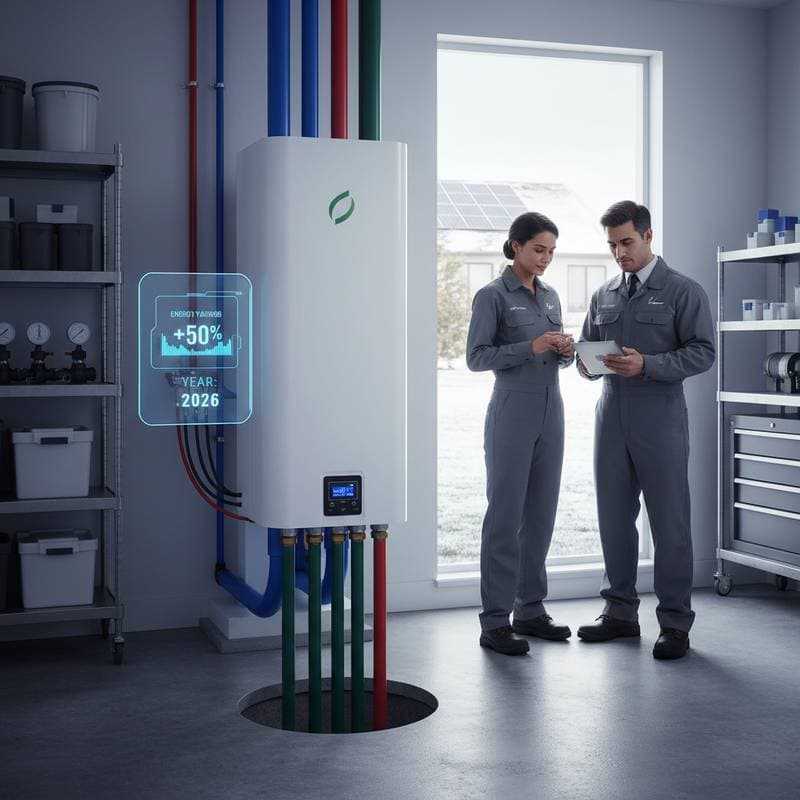
- Experts predict a major cost reduction soon, with potential upfront price drops of around 50 percent.
- Long-term savings on energy bills, reduced maintenance, and improved comfort often outweigh initial costs.
- Proper design, soil conditions, and installation quality determine real performance outcomes.
- Homeowners should evaluate payback periods, available incentives, and home suitability before investing.
The Big Question: Is the Ground Beneath Your Feet the Future of Home Comfort?
Imagine a home that quietly draws comfort from the earth itself. No roaring furnace, no icy blasts from aging air ducts, just steady, natural temperature control. The idea sounds futuristic, yet geothermal HVAC systems have been around for decades. What changes the conversation now is the prediction that their costs could drop by roughly half in the near future. That kind of shift can turn a niche, eco-friendly system into a mainstream investment. But is it truly worth it for your home?
Why Geothermal Systems Matter
A geothermal HVAC system uses a ground-source heat pump to move heat between your house and the stable temperature a few feet below the surface. In winter, it captures heat from the ground and transfers it indoors. In summer, it reverses the process, sending unwanted heat back underground. Because the earth maintains a consistent temperature, the system works more efficiently than air-source heat pumps or conventional furnaces.
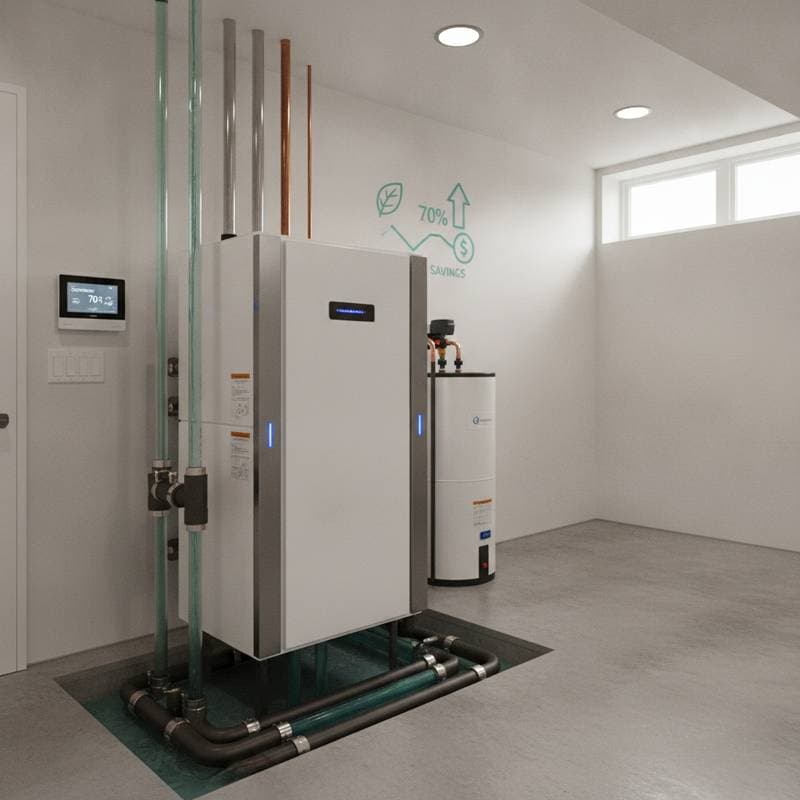
The appeal goes beyond comfort. Energy consumption can drop by 30 to 70 percent compared to traditional heating and cooling equipment. Lower energy use means lower bills and fewer greenhouse gas emissions. Add in the projected cost reductions on the horizon, and the potential return on investment starts looking very attractive.
Key Considerations for Planning
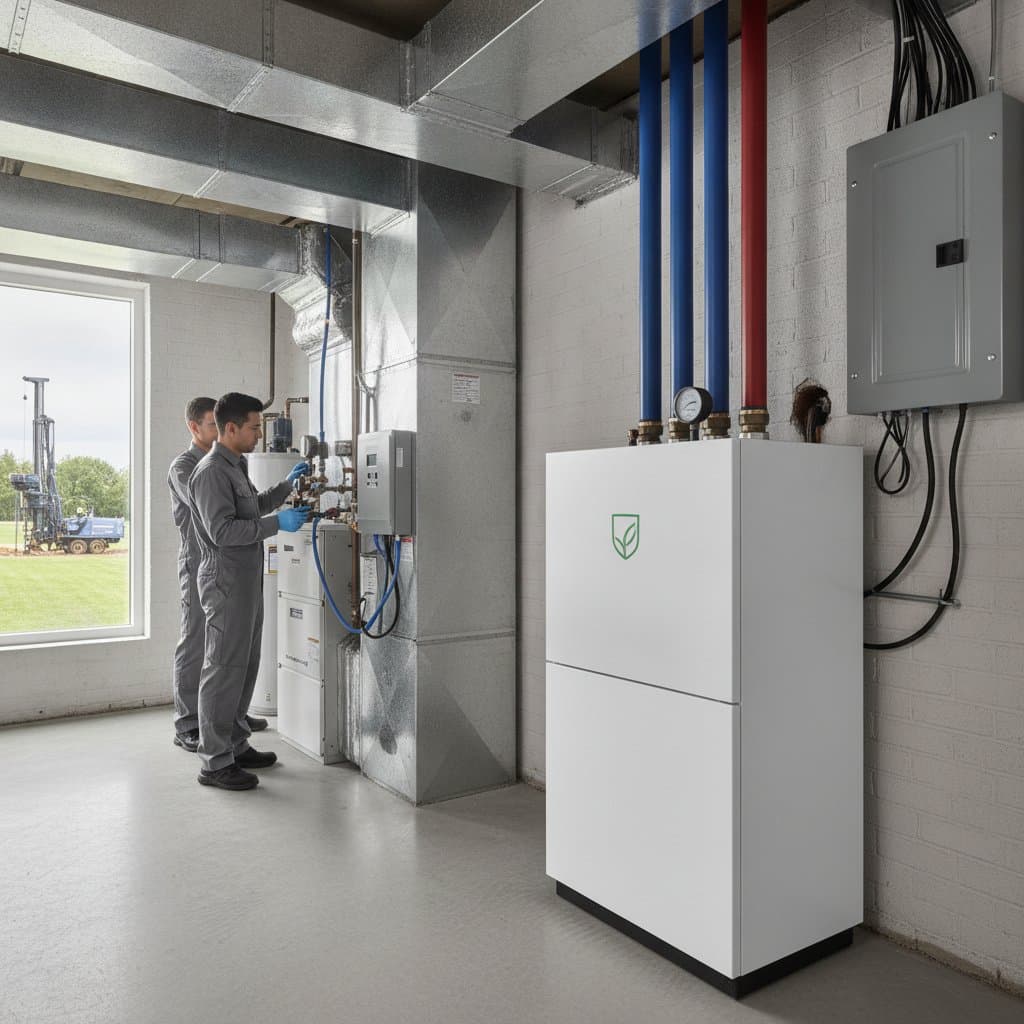
Before getting swept up in the excitement of cutting-edge efficiency, it helps to look at the planning side. Installing a geothermal system is more complex than swapping out a furnace. It requires drilling or trenching to bury the ground loop, the network of pipes that circulates the heat transfer fluid.
Consider these factors when planning:
-
Site Conditions
Soil composition, moisture content, and available land influence the type and cost of installation. Loamy or sandy soils conduct heat well, while rocky ground may increase drilling costs. -
System Type
Closed-loop systems circulate fluid through sealed pipes, while open-loop systems use groundwater directly. Closed loops are more common for residential use due to lower maintenance and regulatory simplicity. -
Home Size and Insulation
A well-insulated home can use a smaller heat pump, lowering costs. Poor insulation undermines any efficiency gains, so sealing drafts and upgrading insulation is often a smart first step. -
Local Codes and Incentives
Building codes, environmental rules, and available rebates can shape both upfront and lifetime costs. Incentives often make a meaningful difference in the final price tag.
Cost Breakdown and ROI Analysis
Right now, a typical residential geothermal system can cost between 18,000 and 30,000 dollars for an average home. Larger or more complex sites can push that higher. The projected 50 percent cost reduction could bring those numbers closer to 9,000 to 15,000 dollars, which suddenly puts geothermal in the same ballpark as premium air-source systems.
That upfront cost is only part of the story. Homeowners can save anywhere from 1,000 to 2,000 dollars annually on energy bills, depending on local energy prices and usage patterns. Over time, those savings add up. Many systems achieve full payback within 5 to 10 years, and since the underground loop can last 50 years or more, the long-term value is substantial.
Maintenance costs are another bonus. Since geothermal systems are protected from outdoor weather, components last longer and require fewer repairs. Simple filter changes and periodic checks are usually enough to keep things running smoothly.
Design and Layout Ideas
Designing a geothermal system requires a balance between performance and practicality. The loop layout depends on your property’s space and geology.
- Horizontal Loops:
Installed in trenches about 4 to 6 feet deep, ideal for spacious lots with good soil conditions. - Vertical Loops:
Drilled hundreds of feet deep, better for smaller yards or rocky terrain. - Pond or Lake Loops:
Use a nearby water body as the heat exchange medium, offering efficiency with lower excavation costs.
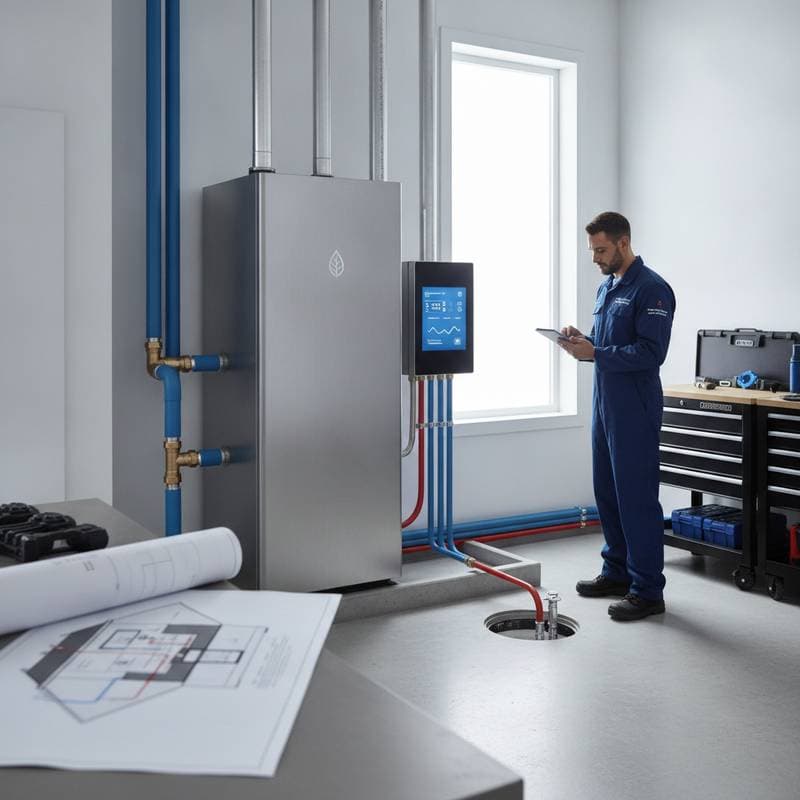
Inside the home, geothermal units are compact and can connect to existing ductwork or radiant floor heating systems. Many homeowners pair them with smart thermostats or zone controls to fine-tune comfort even further.
Sustainable Features and Efficiency Gains
Geothermal HVAC systems are often considered one of the most sustainable ways to heat and cool a building. They rely on renewable thermal energy stored in the ground, which drastically reduces fossil fuel consumption. When powered by renewable electricity, they can operate nearly carbon-free.
Performance is often measured using the Coefficient of Performance (COP) for heating and the Energy Efficiency Ratio (EER) for cooling. A typical geothermal system achieves a COP of 4 or higher, meaning it produces four units of heat for every unit of electricity used. That efficiency can translate into energy savings of 40 to 70 percent over conventional systems.
Durability is another sustainability factor. The underground loop can last half a century or longer, while the indoor components usually perform for 20 to 25 years. That longevity reduces material waste and replacement costs, both financially and environmentally.
Market and Economic Factors
The predicted cost drop stems from improvements in drilling technology, manufacturing scale, and growing demand for low-carbon solutions. As more contractors gain experience and supply chains adapt, installation costs should continue to fall. Energy prices and climate concerns are also influencing homeowner interest, creating conditions where energy-efficient systems gain value in the resale market.
In many areas, homes equipped with geothermal HVAC systems sell faster and at higher prices because buyers recognize the long-term savings. Even if you are not planning to move soon, investing in a system that future buyers appreciate can protect your property’s market appeal.
Frequently Asked Questions
How long does installation take?
A typical residential project can take one to two weeks, depending on soil conditions and loop type. Drilling or trenching is the most time-consuming step.
Can geothermal replace both heating and cooling?
Yes. The system works year-round, reversing the heat flow in summer to provide efficient air conditioning.
Do I need a large yard?
Not necessarily. Vertical loop systems require minimal surface area, making them suitable for smaller urban lots.
What about existing homes?
Geothermal retrofits are possible if ductwork or radiant floors can be adapted. The loop field installation is the main challenge, but many homeowners successfully retrofit older properties.
Is maintenance complicated?
Routine checks include changing filters, verifying fluid levels, and inspecting pumps. Professional service every few years keeps the system in peak condition.
Making It Happen
If you are intrigued by geothermal HVAC, start by assessing your property’s suitability. A professional site evaluation can reveal soil conditions, available space, and the most efficient loop design. Compare quotes from certified installers and ask for projected energy savings based on your home’s size and insulation level.
For many households, geothermal technology represents more than an upgrade. It is a shift toward long-term resilience, independence from volatile energy prices, and comfort that adapts naturally to the seasons. Whether or not the expected cost drop arrives exactly as predicted, the direction is clear.