Why Geothermal Systems Lead in 2026 Home Cooling Efficiency
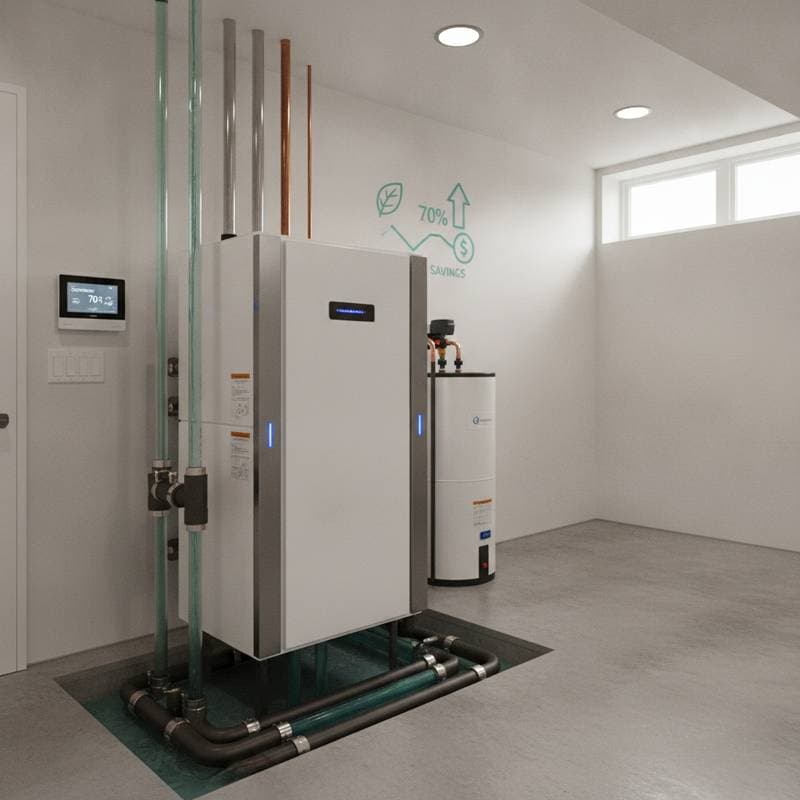
Homeowners face rising temperatures and increasing energy demands each summer. Traditional air conditioning units struggle with high outdoor heat, leading to elevated bills and inconsistent comfort. Geothermal cooling systems address these challenges by drawing on the earth's constant underground temperature, which remains stable year-round. This method ensures reliable cooling with reduced energy consumption.
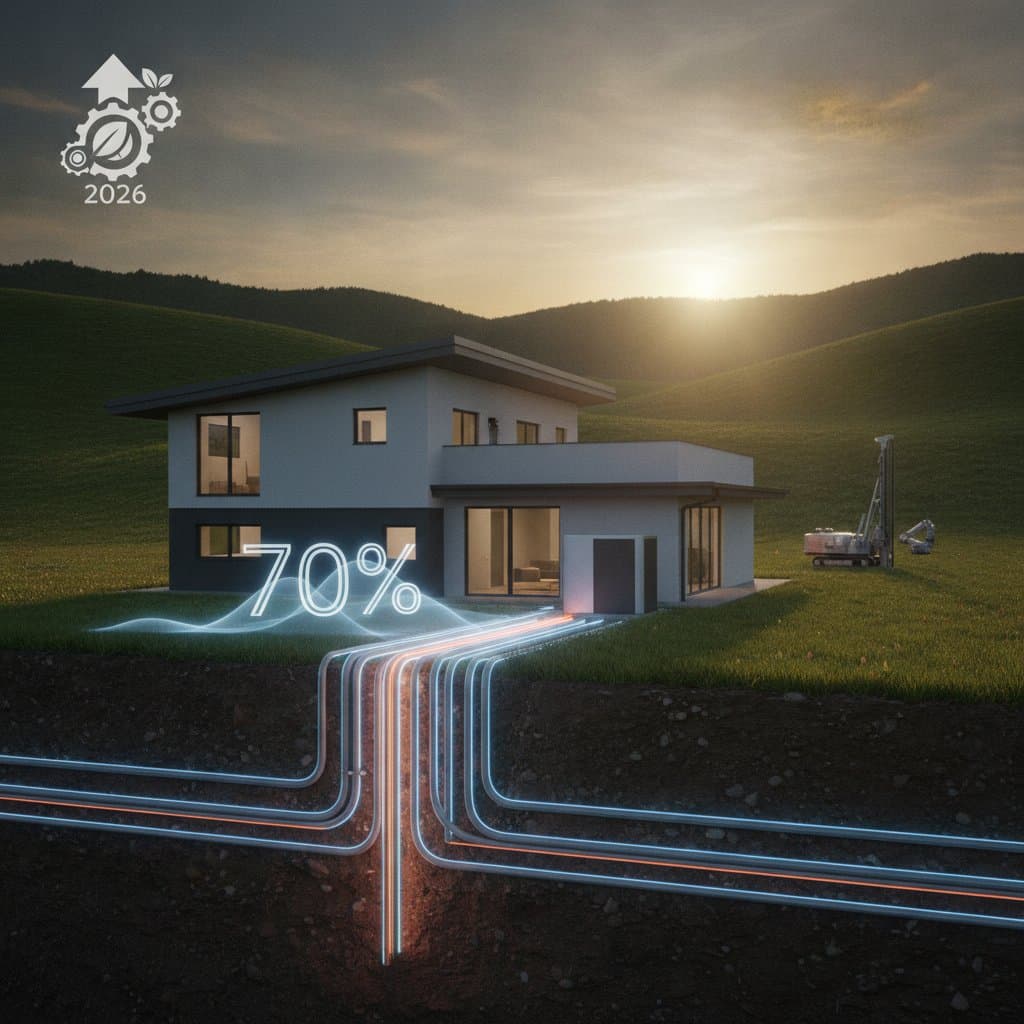
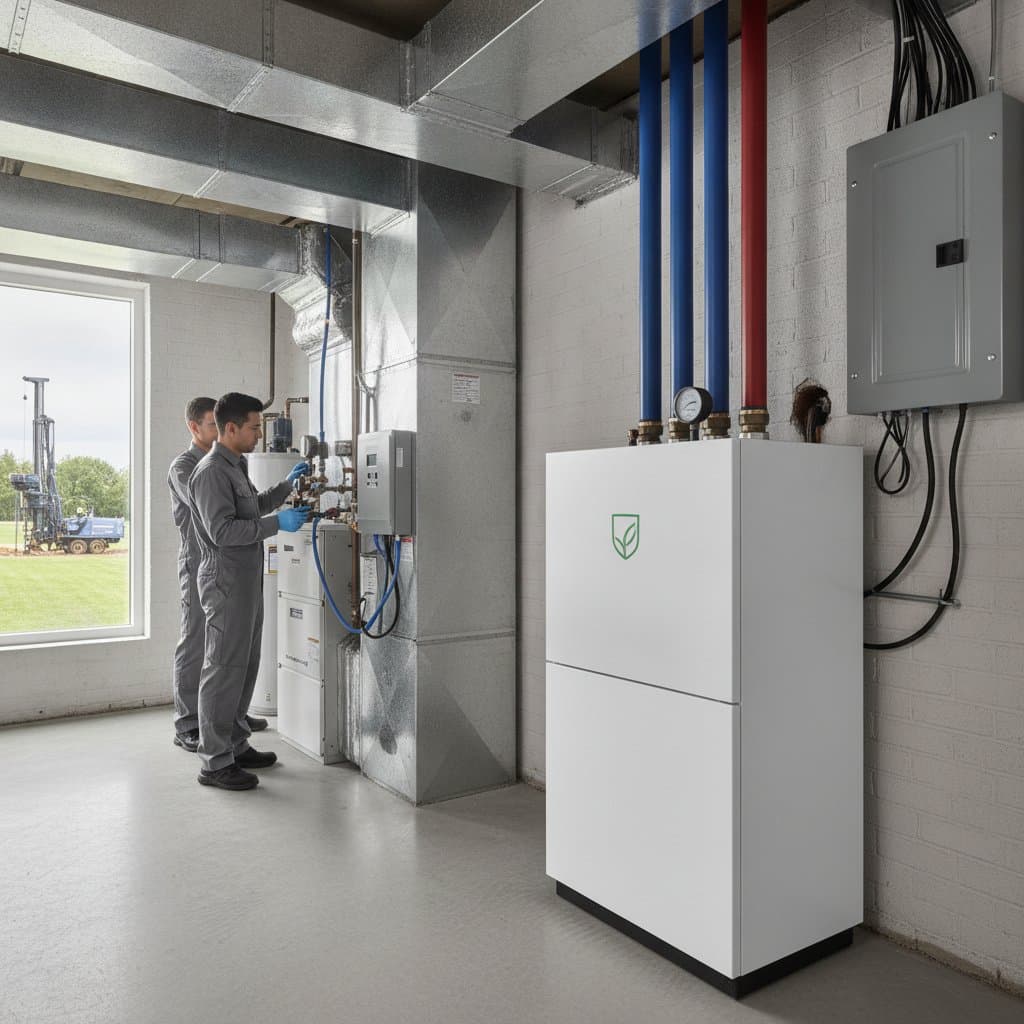
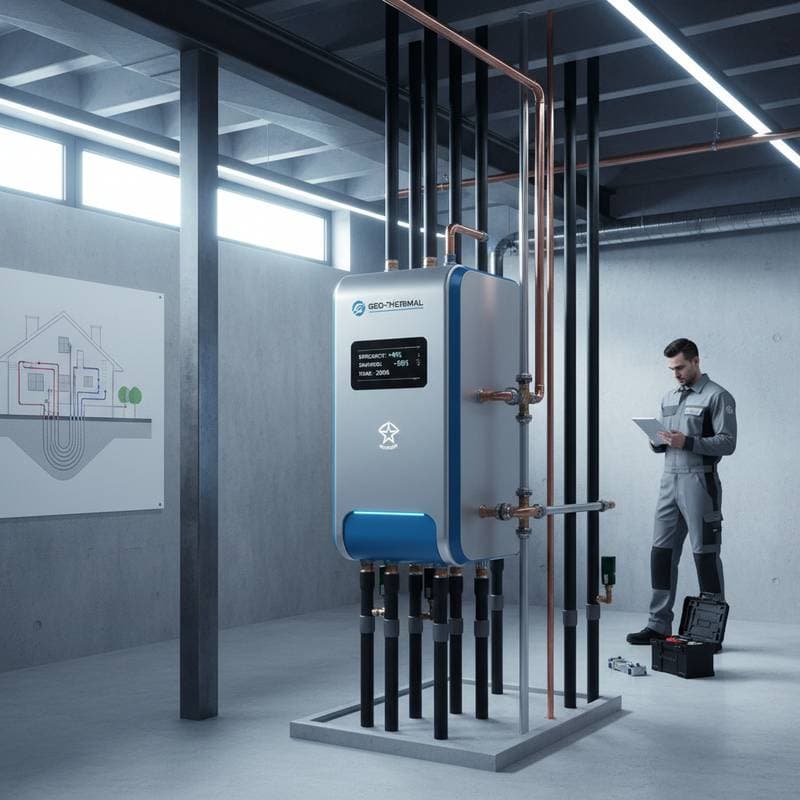
Geothermal technology integrates seamlessly into residential setups. Installers bury loops of piping beneath the ground to circulate fluid that absorbs or releases heat as needed. The result is a system that operates quietly and efficiently, even during peak heat waves.
Key Advantages
- Geothermal systems deliver energy efficiencies up to 45 percent higher than conventional air-source units.
- They reduce operating costs by 25 to 60 percent, varying with local climate and soil type.
- Return on investment typically occurs within 8 to 12 years, supported by equipment that outlasts standard HVAC by decades.
- Federal tax credits and local rebates offset initial installation expenses by thousands of dollars.
- These systems handle both heating and cooling, optimizing performance across seasons for comprehensive home climate control.
Geothermal Versus Traditional Cooling Systems
Geothermal cooling outperforms conventional air conditioners in multiple areas. The table below outlines critical differences based on established performance metrics.
| Feature | Geothermal Cooling | Conventional Air Conditioner |
|---|---|---|
| Energy Efficiency Ratio (EER) | 20 to 30 | 10 to 15 |
| Average Lifespan | 20 to 25 years (indoor components) / 50+ years (ground loop) | 12 to 15 years |
| Operating Cost Savings | 25 to 60 percent | Baseline |
| Noise Level | Very low | Moderate to high |
| Maintenance Requirements | Minimal | Regular cleaning of coils and refrigerant checks |
The ground loop in geothermal setups serves as a durable heat exchanger, free from exposure to weather elements. This design minimizes wear on components like compressors. Without outdoor fans, systems run silently, enhancing livability in residential areas.
Environmental and Health Advantages
Geothermal cooling supports sustainability by transferring heat naturally, without burning fuel on-site. This process generates zero direct emissions, lowering a home's carbon footprint significantly. According to data from heat pump associations, broad implementation could decrease residential emissions by up to 40 percent in applicable regions.
Health benefits extend to indoor environments. These systems preserve natural humidity levels, unlike traditional units that often dry out the air and promote allergens. Stable temperatures reduce drafts and fluctuations, fostering a healthier living space for occupants.
Proven Performance in Real Applications
Studies by the Electric Power Research Institute demonstrate that geothermal systems retain efficiency during extreme conditions. Air-source alternatives falter as temperatures soar, but geothermal maintains steady output. Homeowners experience even cooling without the peaks and valleys associated with older technologies.
Reliability stems from the system's enclosed design. Loops remain protected from contaminants and corrosion, common culprits in HVAC breakdowns. With simplified mechanics and secure refrigerant pathways, service calls become rare, extending operational life.
Steps to Adopt Geothermal Cooling
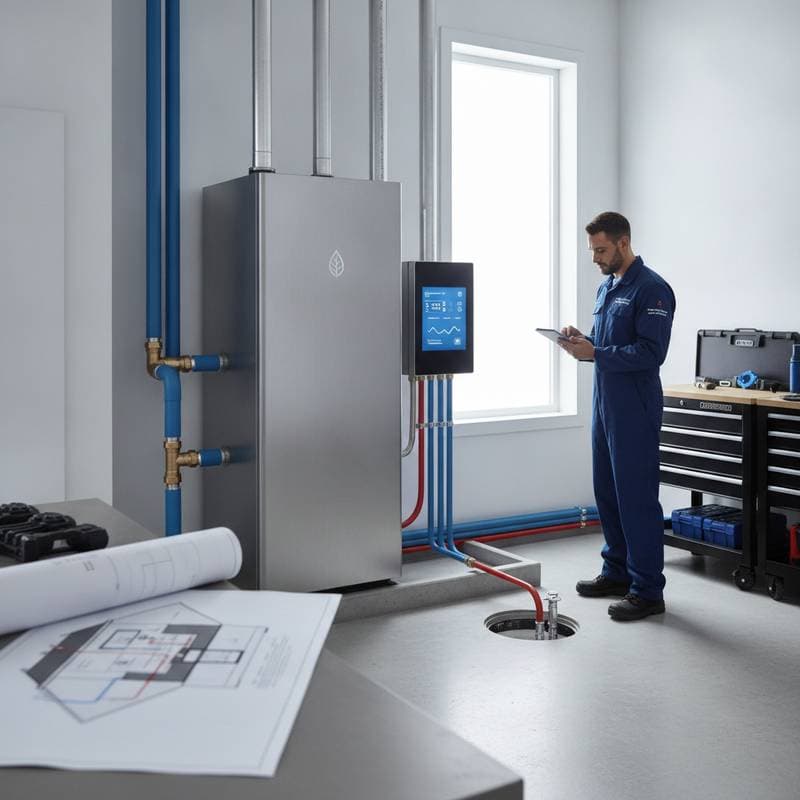
Evaluate your property for geothermal suitability through a professional site survey. Technicians assess soil quality, space for loops, and integration with existing ducts. Request detailed projections on energy savings over 10 to 15 years, factoring in available incentives.
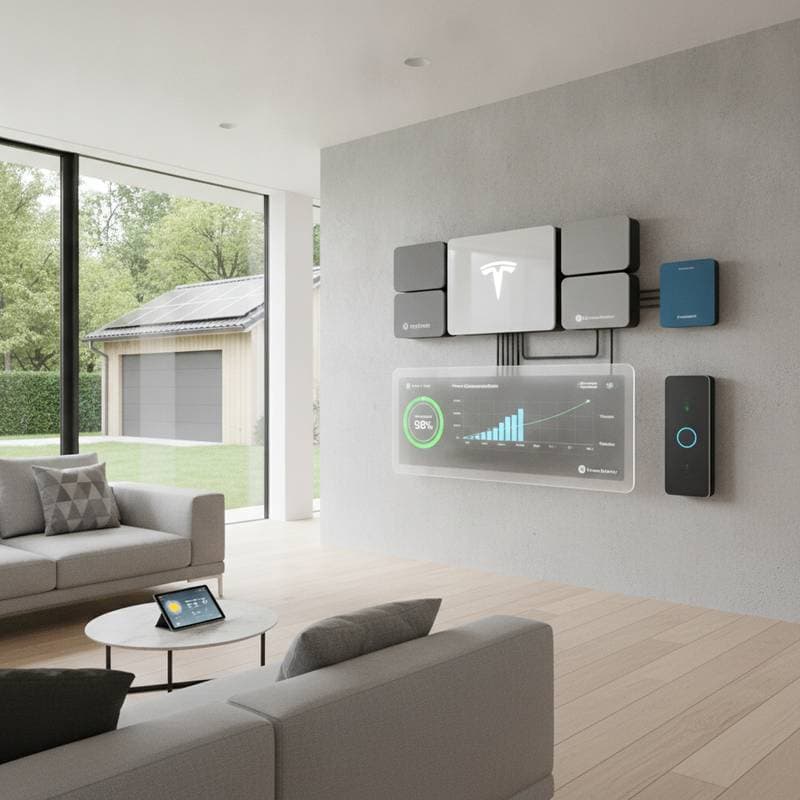
Financing options abound, including low-interest loans and grants for energy-efficient upgrades. Post-installation, integrate smart controls to monitor usage and optimize settings. Annual inspections ensure peak performance and verify ongoing savings on utility statements.
Geothermal cooling secures lasting efficiency, comfort, and ecological benefits for forward-thinking households.