Key Points
- Vehicle-to-home technology converts electric vehicles into mobile energy storage units for household use.
- Homeowners offset utility expenses, maintain steady power supply, and gain backup during outages.
- Selection of a compatible EV, bidirectional charger, and energy management system shapes performance and payback.
- Growing partnerships among automakers and energy brands expand options across price points.
- Review of installation steps, expense ranges, and long-term gains supports informed property upgrades.
The New Energy Frontier at Home
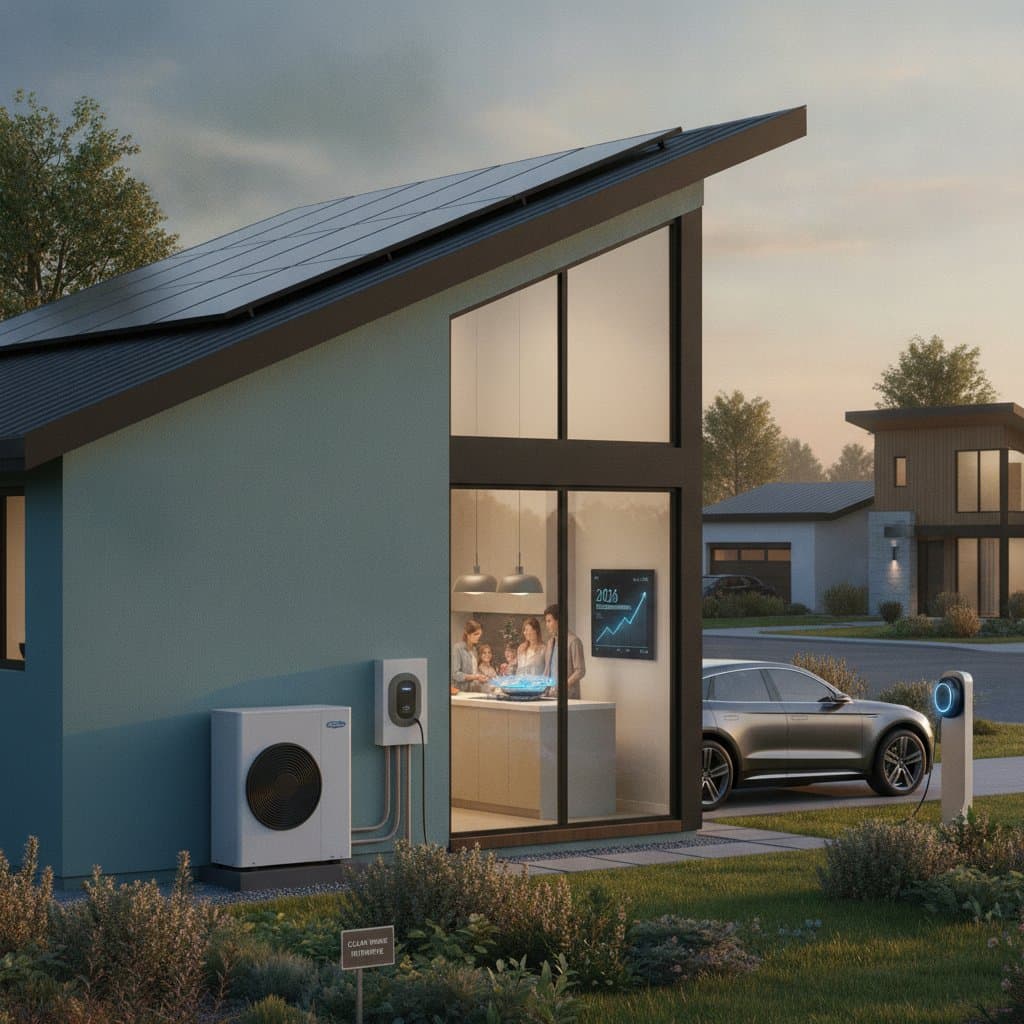
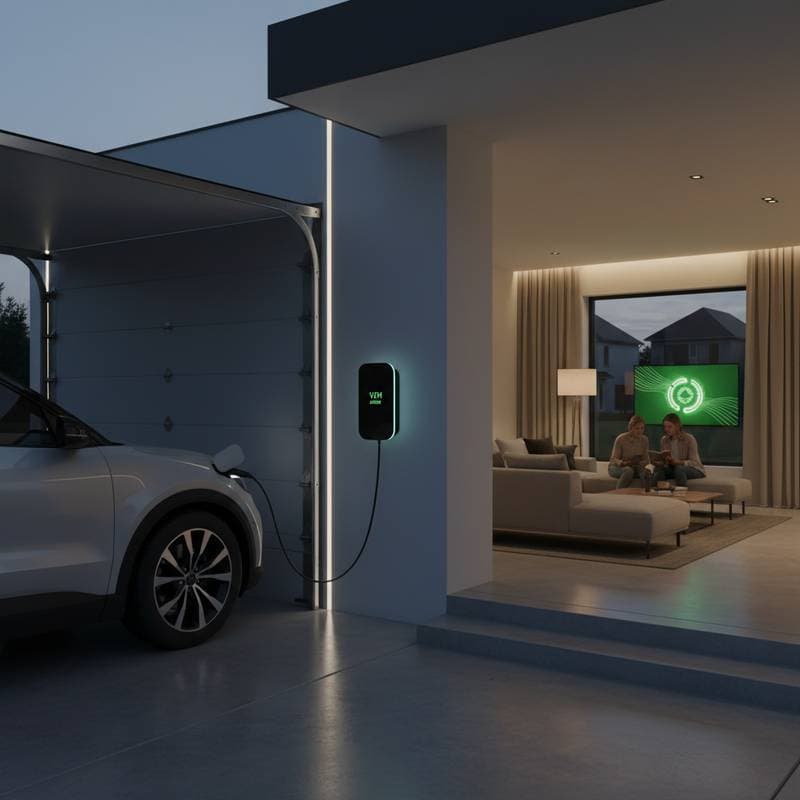
A quiet evening can proceed with lights on and appliances running while an electric vehicle supplies power to the residence. No generator runs in the background and no grid connection is required. Only stored energy from the driveway keeps systems active. This arrangement illustrates the practical role of vehicle-to-home technology.
Homeowners now focus on the steps required to link an EV with household circuits. Energy independence, expense reduction, and lower emissions meet at one location.
How Vehicle-to-Home Technology Works
Standard chargers move electricity from the grid into the vehicle battery. Bidirectional units reverse that direction and send power from the car into selected home circuits. The EV functions as a sizable portable battery that covers peak-rate periods or outages.
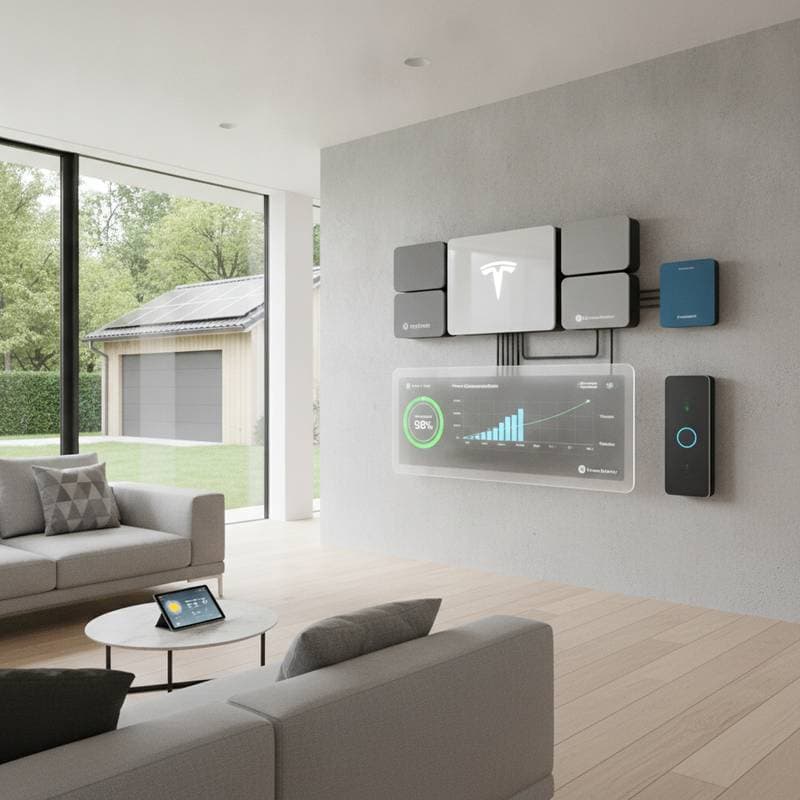
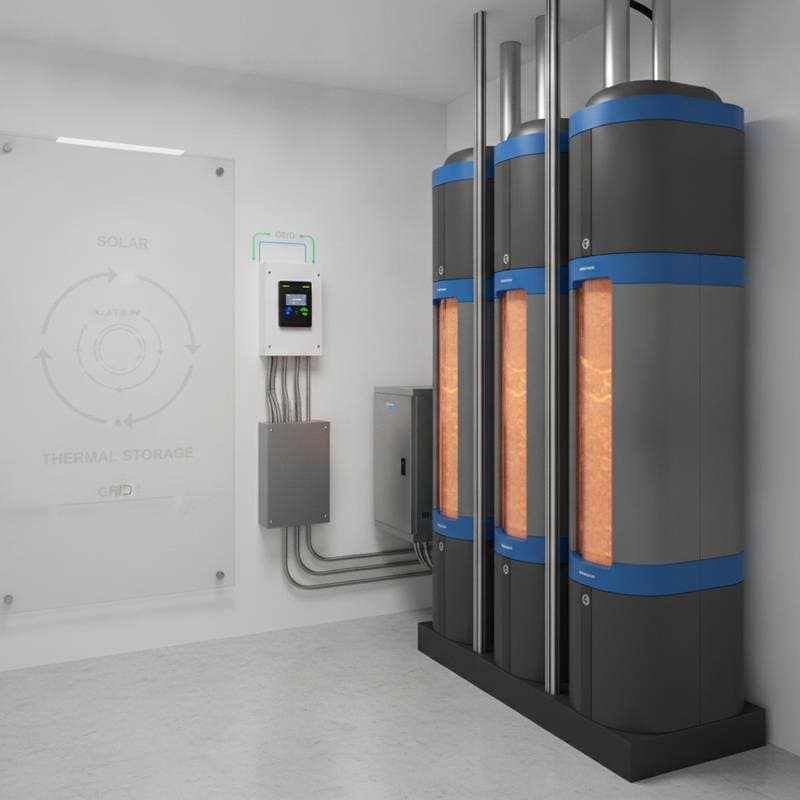
Three elements must operate together. A bidirectional charger handles two-way flow. An energy management system decides when to store or release power. The vehicle itself must contain the hardware and software that support communication with the charger.
Financial and Practical Advantages
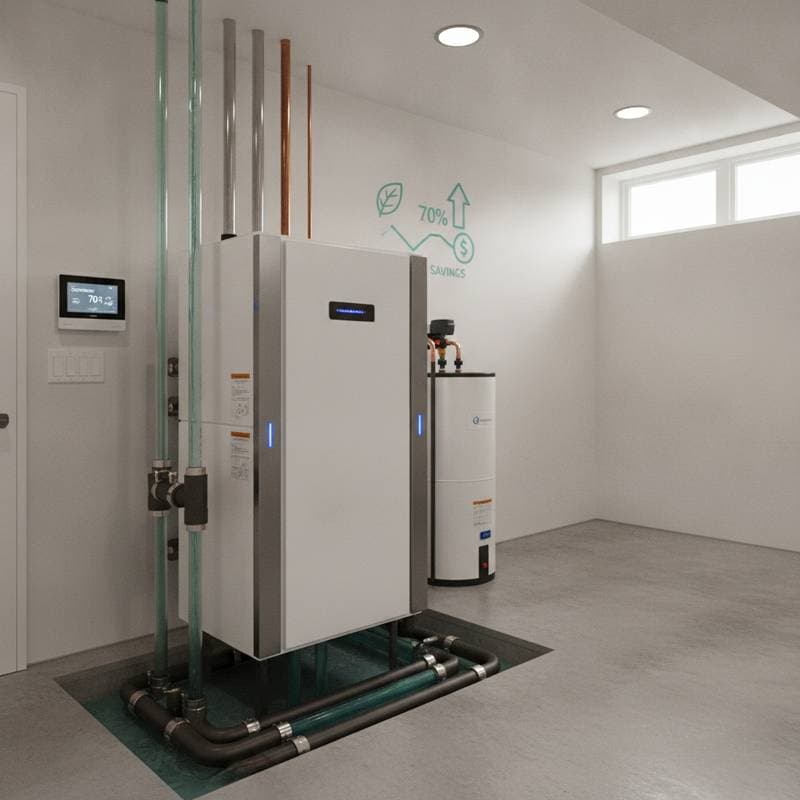
Evening electricity rates often exceed daytime rates. Charging the EV during off-peak hours or from solar panels and then discharging during high-rate periods lowers monthly bills. Reductions of 20 to 40 percent appear in many households once patterns and local pricing are considered.
Equipment and installation costs range from 4000 to 8000 dollars. Annual returns between 8 and 12 percent develop over several years through rate optimization and outage protection.
A fully charged EV battery supplies essential loads for multiple days. Refrigerators, lights, and communication devices remain active without fuel deliveries or generator maintenance.
Technical Requirements
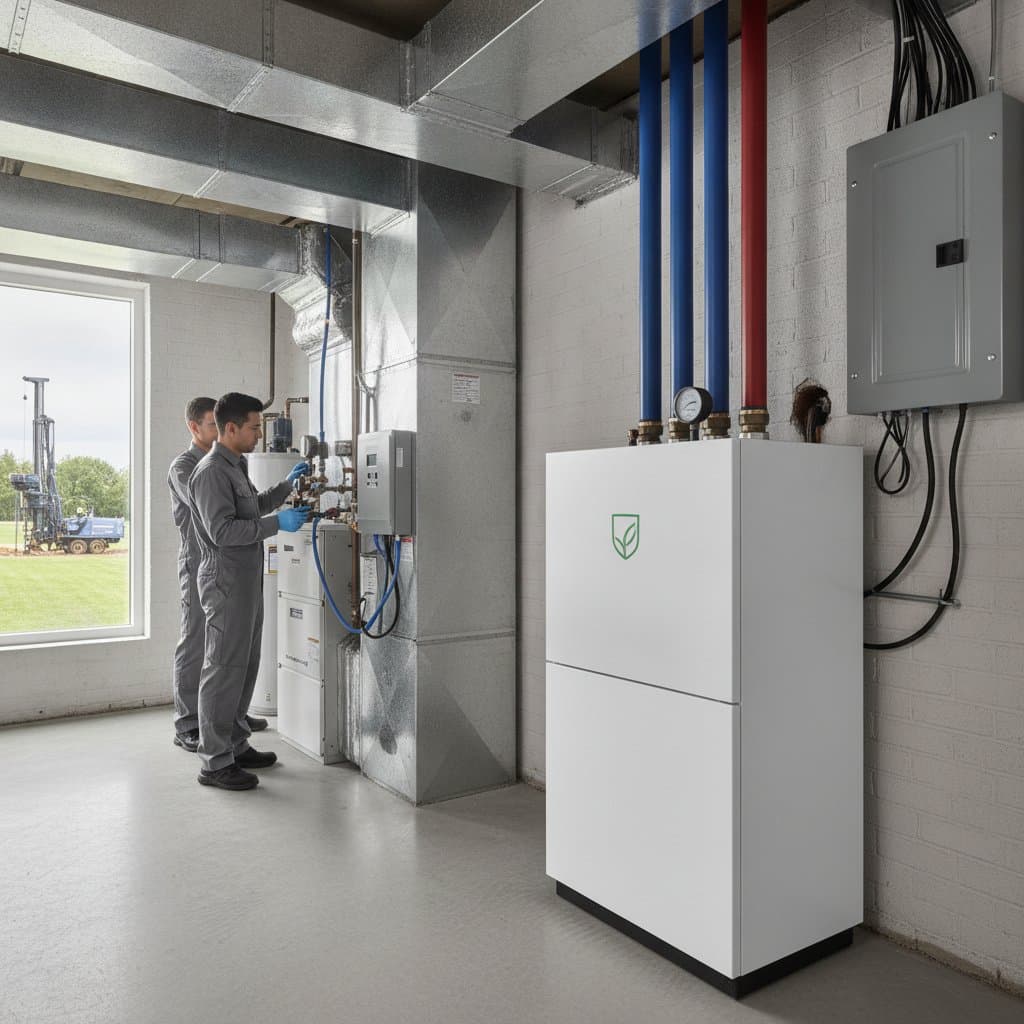
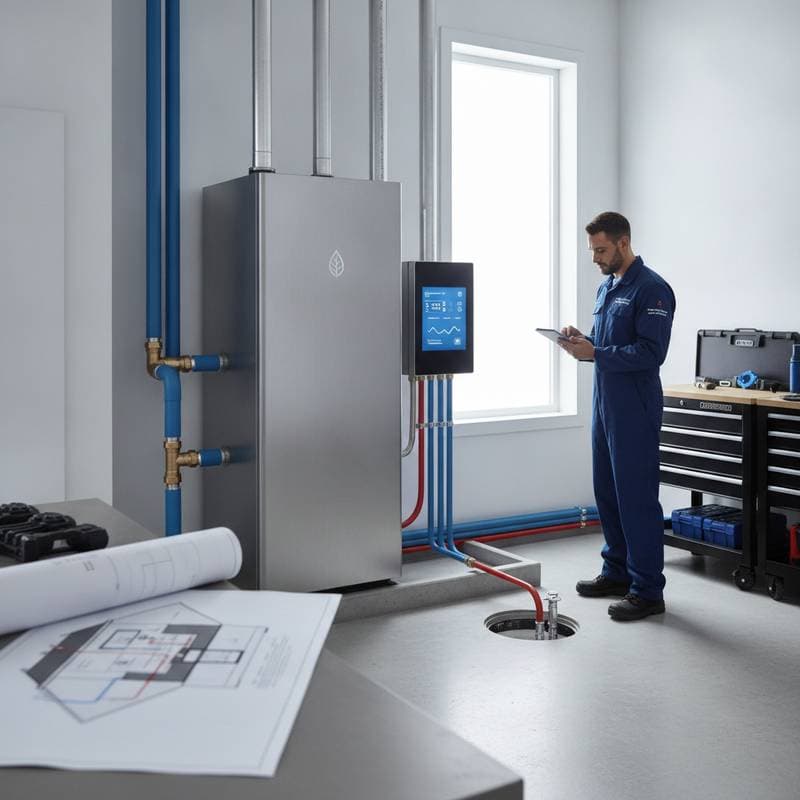
A licensed electrician connects the charger to a dedicated circuit in the main panel. The management system tracks solar output and household demand to schedule charge and discharge cycles.
Battery capacity in most EVs falls between 60 and 100 kilowatt-hours. A residence that uses 25 kilowatt-hours per day receives two to four days of backup. Continuous output from current chargers lies between 3 and 10 kilowatts, sufficient for typical loads but not for central air conditioning.
Current Market Options
Automakers now equip selected models with bidirectional capability at the factory. Charger makers offer standardized connectors that work across brands. Home energy platforms display vehicle status alongside solar and consumption data in one application.
These developments reduce integration barriers and increase consumer access.
Cost and Value Considerations
Bidirectional chargers carry prices from 2500 to 5000 dollars. Installation adds 1000 to 3000 dollars. Panel upgrades, when needed, add another 500 to 2000 dollars.
Savings arise from avoided peak-rate purchases, lower generator upkeep, and possible increases in resale value of 3 to 5 percent. Regional incentives may further shorten payback periods.
Common Questions Answered
Battery management systems limit discharge cycles to protect long-term capacity. Annual wear from vehicle-to-home use stays below 10 percent when guidelines are followed.
Only vehicles with confirmed bidirectional hardware support the function. Confirmation with both the vehicle maker and charger supplier is required before purchase.
Systems installed by licensed professionals include automatic isolation that prevents back-feed to the grid. This feature protects utility workers and home wiring.
Solar arrays pair directly with the setup. Excess daytime generation charges the vehicle while the vehicle supplies the home after sunset.
Steps to Install a System
Begin with a review of monthly consumption data to estimate required capacity. Verify that the current EV model supports bidirectional operation. Engage a certified electrician experienced with these chargers to assess panel space and wiring needs.
Pairing the installation with a time-of-use rate plan or rooftop solar increases annual savings. Pre-wiring during initial construction or renovation reduces future labor costs.
Next Steps for Homeowners
Homeowners who treat the driveway as an energy resource gain independence from external supply fluctuations. Early planning positions properties for lower operating costs and greater resilience as vehicle-to-home adoption expands.