Key Points
- Home electrification reduces utility costs by 20 to 50 percent, based on household usage and regional energy prices.
- Advanced electric technologies, including heat pumps, induction cooktops, and heat pump water heaters, deliver superior efficiency and comfort compared to traditional gas systems.
- Available incentives and financing programs help cover initial expenses, enabling electrification for households with varying budgets.
- A step-by-step upgrade process minimizes disruption and spreads costs over time.
Essential Systems for Home Electrification
Electrifying a home requires targeted upgrades to critical systems that impact daily comfort, energy use, and environmental footprint. These changes enhance efficiency without necessitating a full remodel.
Heating and Cooling
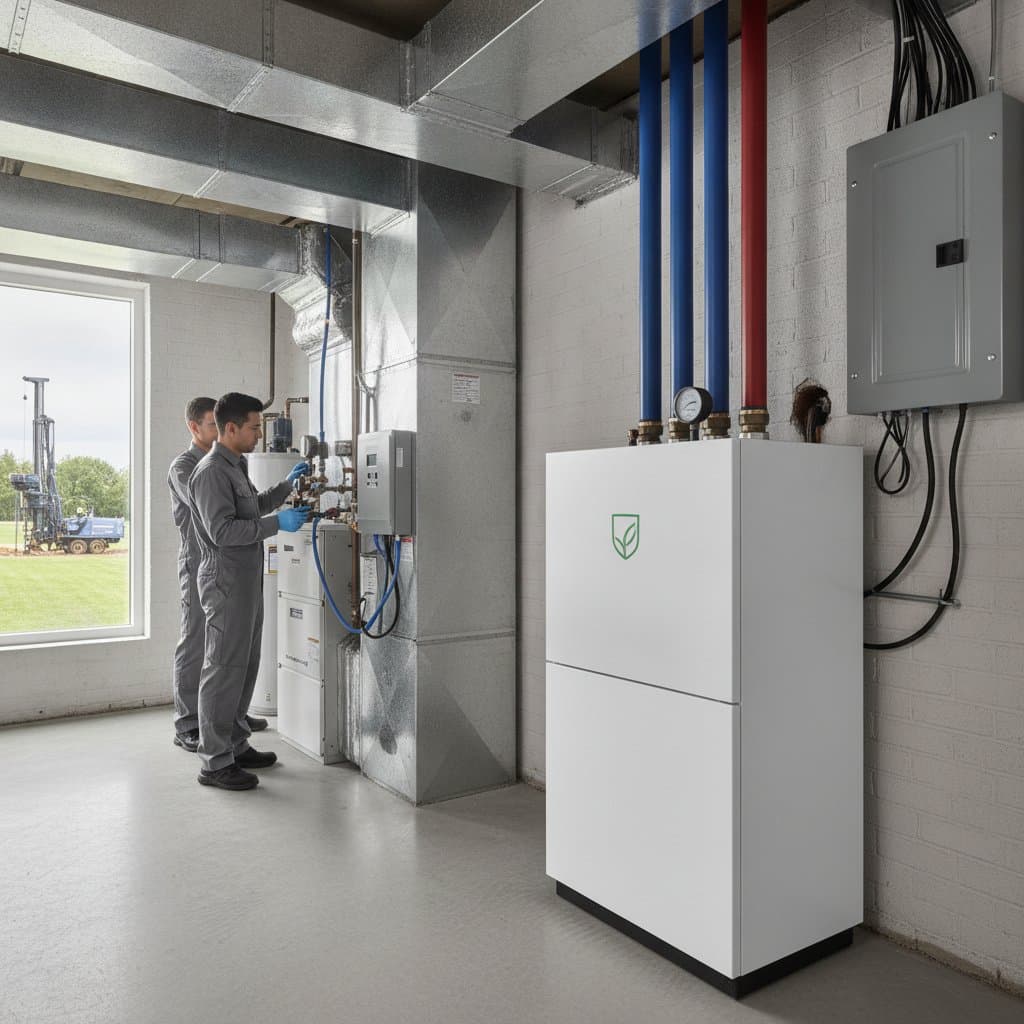
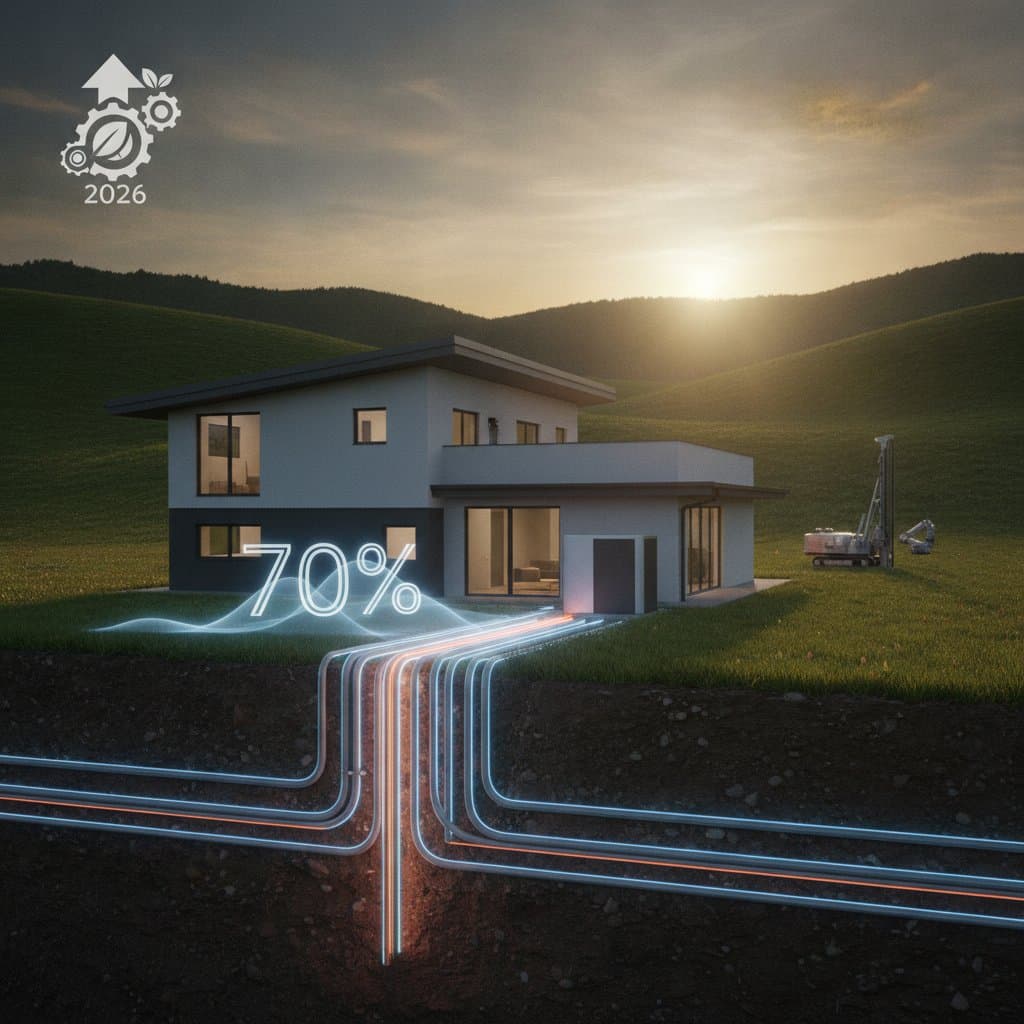
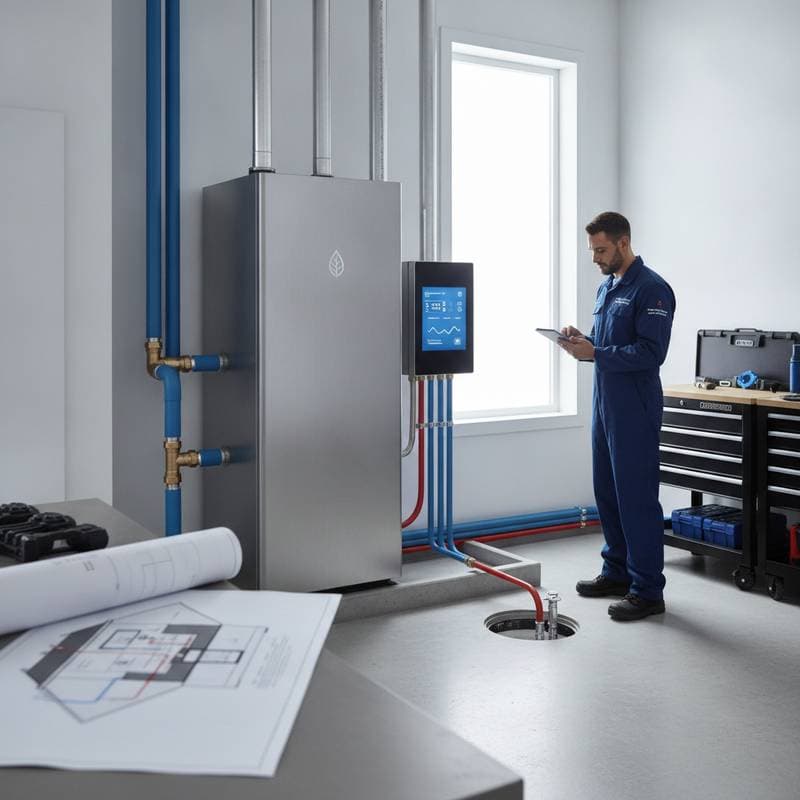
Heat pumps form the foundation of an electrified heating and cooling setup. These units transfer heat instead of producing it, handling both winter heating and summer cooling through one efficient system. Air-source heat pumps reduce heating expenses by 25 to 50 percent in typical climates, while ground-source options achieve even greater savings at the expense of more involved installation.
When replacing an outdated gas furnace or central air conditioner, integrate a heat pump as a seamless substitute. For homes without ducts or for room additions, ductless mini-split systems provide targeted climate control.
Typical return on investment appears within five to ten years, balancing moderate to high installation costs against substantial energy reductions.
Water Heating
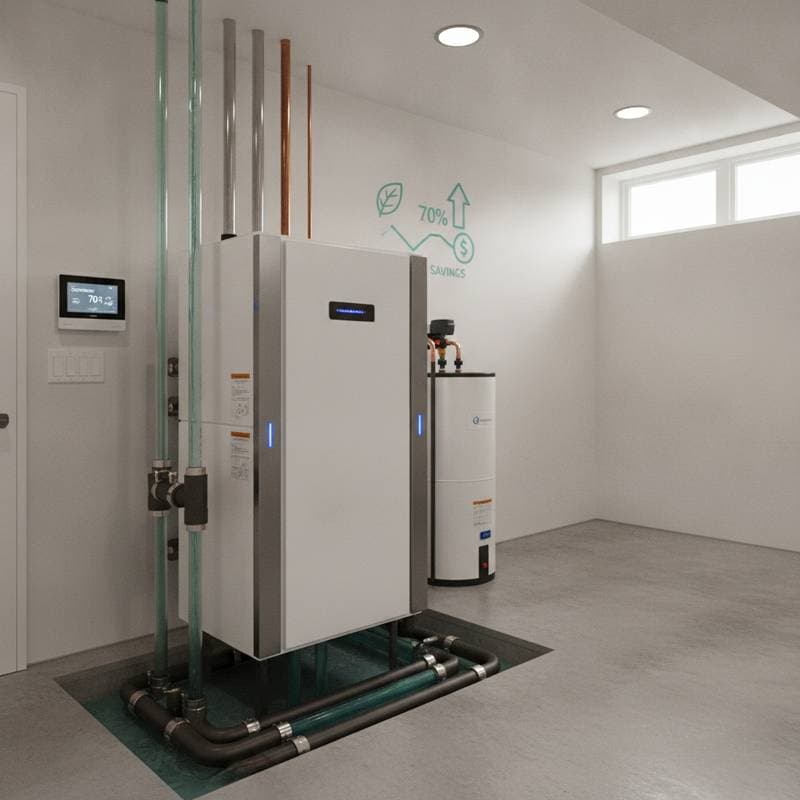
Heat pump water heaters extract ambient heat from the air using electricity, achieving two to three times the efficiency of conventional electric resistance units. As a bonus, they remove moisture from the surrounding area, which proves useful in damp basements or laundry spaces.
Installation involves moderate expenses, yet the efficiency improvements often lower water heating bills by up to 60 percent. Pair this upgrade with insulation on hot water pipes to amplify savings.
Cooking
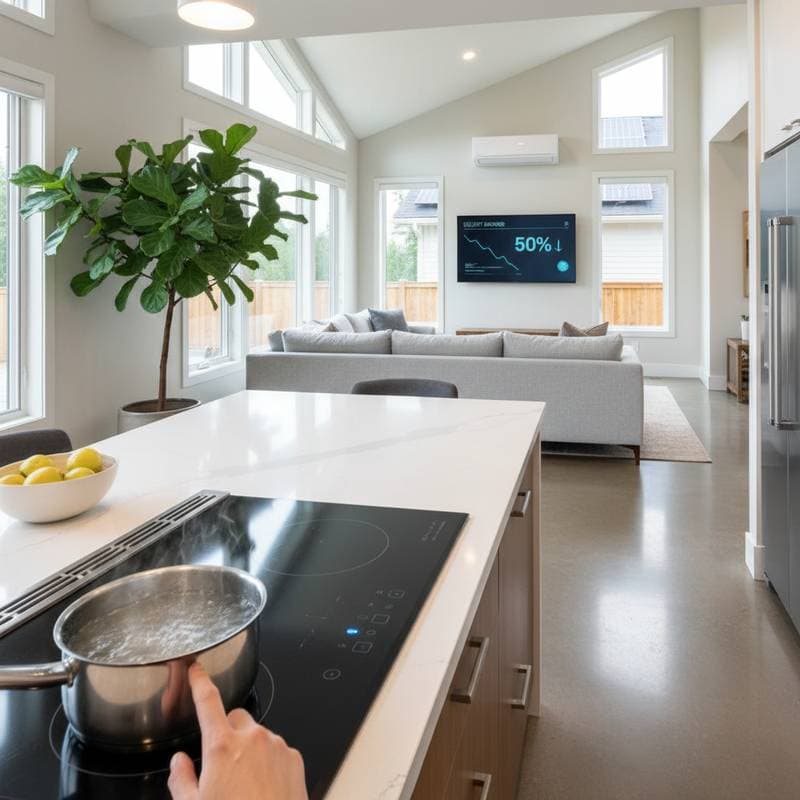
Induction cooktops revolutionize kitchen efficiency by employing electromagnetic fields to heat pots and pans directly. This method ensures rapid boiling, precise temperature adjustments, and eliminates the hazards of open flames, thereby cutting indoor pollutants like nitrogen dioxide.
Even professional cooks appreciate the responsive controls and safety features. Homeowners gain not only energy savings but also a healthier cooking environment with easier cleanup.
Although direct energy reductions remain modest, the combined health and usability advantages justify the investment.
Clothes Drying
Heat pump dryers capture and reuse warm air within the unit, slashing energy consumption by nearly 50 percent compared to traditional vented models. They treat fabrics more gently, extending clothing life, and work well in homes lacking outdoor venting.
Expect a medium initial outlay, offset by ongoing utility reductions and less frequent replacements of worn garments.
Benefits for Health and Comfort
Beyond cost savings, electrification elevates indoor living standards through cleaner air and consistent conditions.
Traditional gas appliances emit carbon monoxide, formaldehyde, and fine particles that linger indoors. All-electric alternatives remove these combustion byproducts entirely. Heat pumps deliver even temperatures and balanced humidity, fostering year-round well-being.
In frigid areas, cold-climate heat pumps operate at peak capacity below freezing. In humid zones, they control moisture without overcooling. These features promote respiratory health and reduce issues like dry skin or restless nights caused by uneven climates.
Adapting Electrification to Your Climate
Electric systems adapt effectively to regional variations when selected and installed thoughtfully.
In cold regions, opt for low-temperature-rated heat pumps and reinforce home insulation along with air sealing to optimize performance.
Hot, humid areas benefit from units featuring built-in dehumidifiers and variable-speed fans that avoid energy spikes.
For temperate zones with occasional extremes, hybrid setups pair electric heat pumps with supplemental sources for rare cold snaps, preserving overall efficiency.
Engage contractors experienced in local conditions and electric installations. Accurate system sizing, professional setup, and post-installation testing ensure reliable results.
Steps to Build Your All-Electric Home
Approach electrification as an incremental journey that builds equity and sustainability. Start by auditing your current setup to pinpoint gas-dependent appliances due for replacement soon. Research electric counterparts and review local rebate programs through utility providers or government sites.
Hire certified professionals for assessments that include energy audits to predict savings. Begin with high-impact changes, such as swapping a water heater, then progress to heating systems.
Monitor progress with home energy apps or utility tools to measure reductions. Fine-tune usage, like setting thermostats to 68 degrees Fahrenheit in winter or insulating attics, to enhance outcomes.
An all-electric home offers quiet operation, reduced maintenance, and protection against fuel price volatility. It delivers reliable comfort and positions your property for future market appeal.