The Rise of Carbon-Sequestering Insulation in Green Building
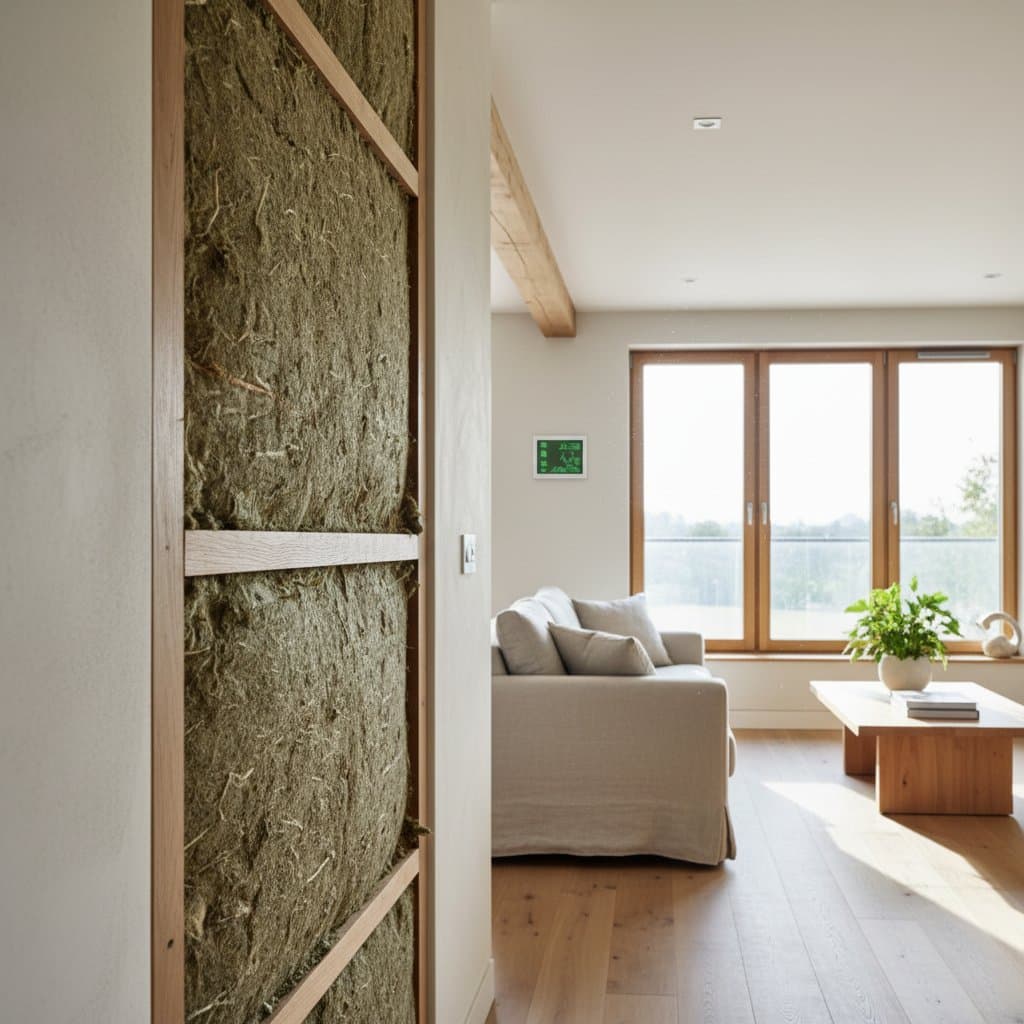
Imagine walls that not only block cold drafts but also capture and store carbon dioxide from the atmosphere. Bio-based insulation materials derived from plants like hemp, flax, and agricultural waste achieve exactly that. These innovations move beyond traditional energy savings to position homes as integral parts of the global effort to combat climate change.
The appeal lies in their lifecycle benefits. Plants absorb carbon during growth, and that carbon remains locked in the material for the building's duration, often decades. This approach aligns with emerging building codes that prioritize whole-life carbon assessments, making such insulation a strategic choice for new constructions and renovations alike.
Understanding the Environmental Impact
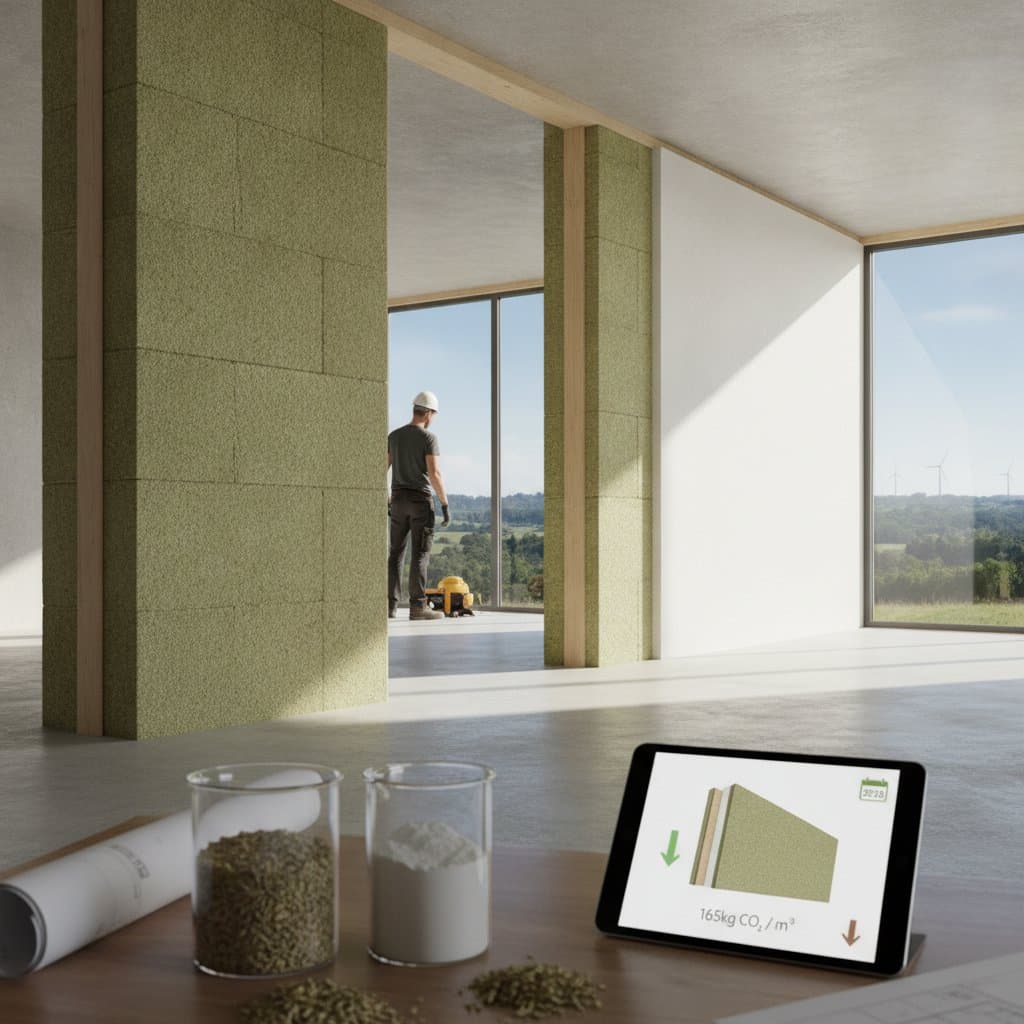
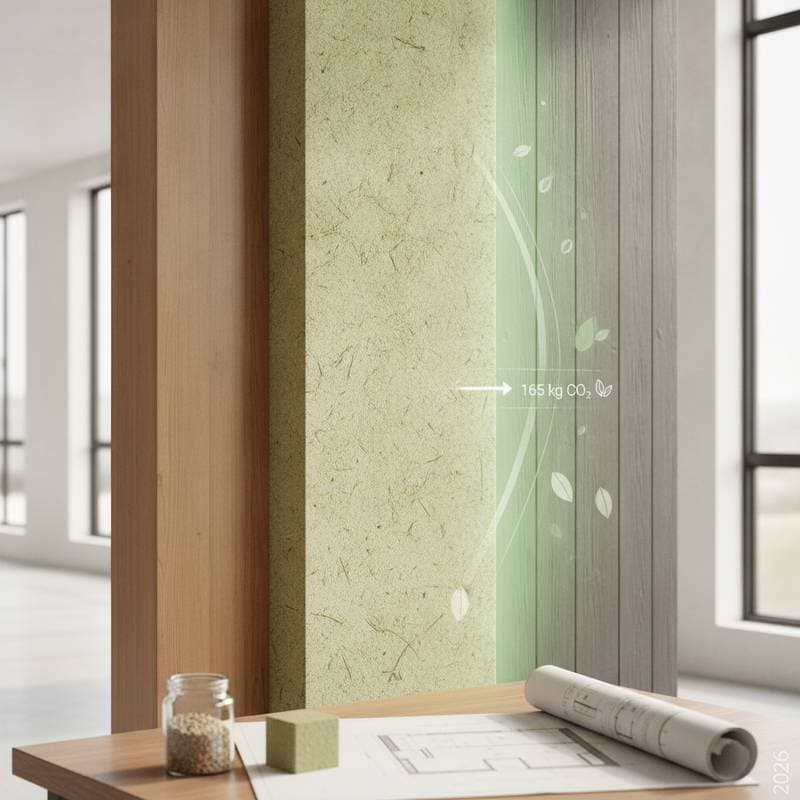
Conventional insulation materials, including fiberglass and foam boards, rely on resource-heavy production processes that generate significant emissions. In contrast, bio-based alternatives like hempcrete incorporate carbon captured by fast-growing plants, resulting in a net-positive environmental effect. For instance, one cubic meter of hempcrete can sequester up to 100 kilograms of carbon dioxide equivalent, directly offsetting the home's operational emissions.
This sequestration extends to broader sustainability goals. When integrated into a home, these materials reduce the demand on fossil fuel-based heating systems, further lowering the carbon footprint. Builders report that projects using such insulation often qualify for green certifications, enhancing project appeal to environmentally conscious clients.
Financial Benefits and Market Trends
Upfront expenses for carbon-sequestering insulation range from 20 to 40 percent above standard options, influenced by material availability and labor needs. However, these costs diminish over time through substantial energy reductions. In moderate climates, homeowners may achieve 15 to 30 percent lower annual heating and cooling expenses, with payback periods typically spanning five to ten years.
Market dynamics favor early adopters. Properties featuring advanced green materials command premiums of 5 to 10 percent at resale, driven by buyer preferences for sustainable features. As production scales with increased hemp cultivation and streamlined manufacturing, prices are projected to drop, broadening accessibility for residential projects.
Practical Steps for Implementation
Homeowners and builders must address several key factors to integrate these materials effectively.
- Evaluate site suitability: Assess local climate and building type to select appropriate bio-based options. Hempcrete excels in temperate zones, while mycelium-based alternatives suit varied conditions.
- Source responsibly: Partner with certified suppliers who prioritize sustainable harvesting. Regional producers minimize shipping emissions and support local economies.
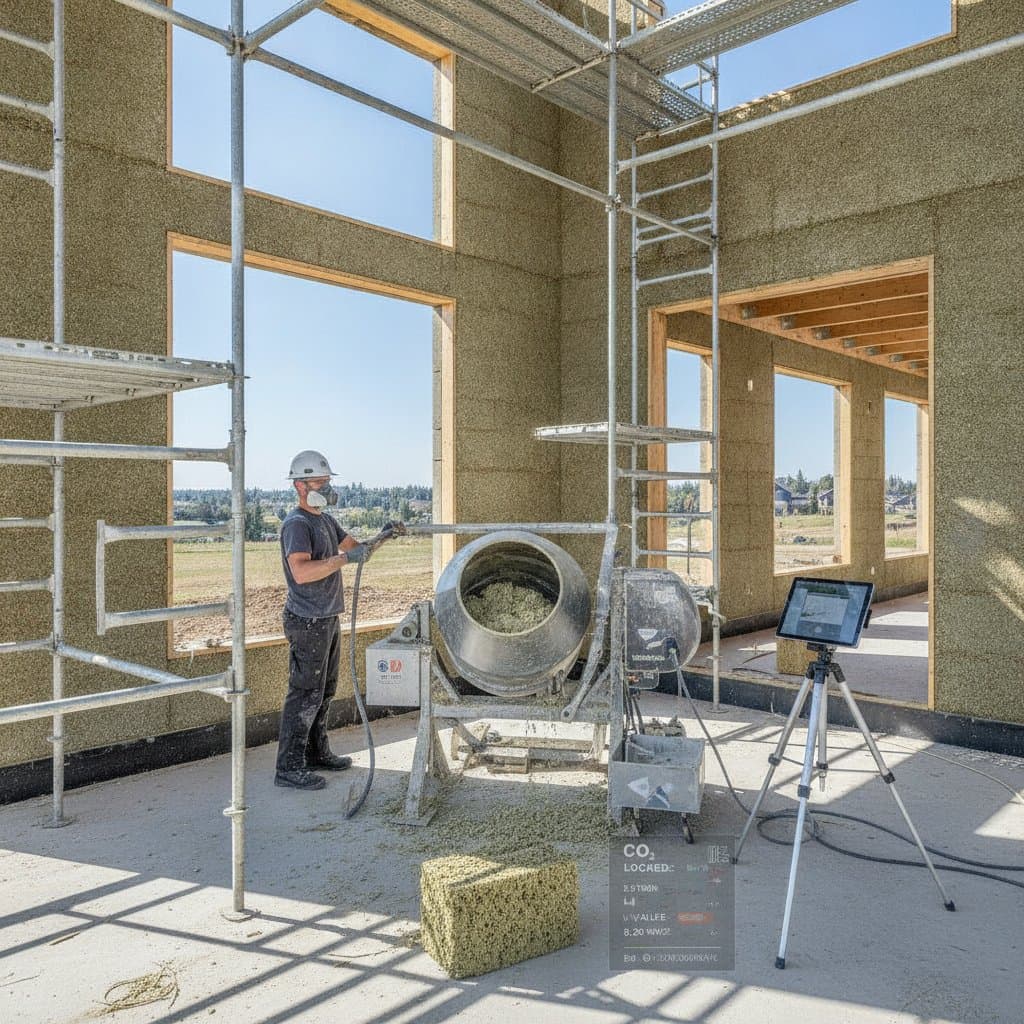
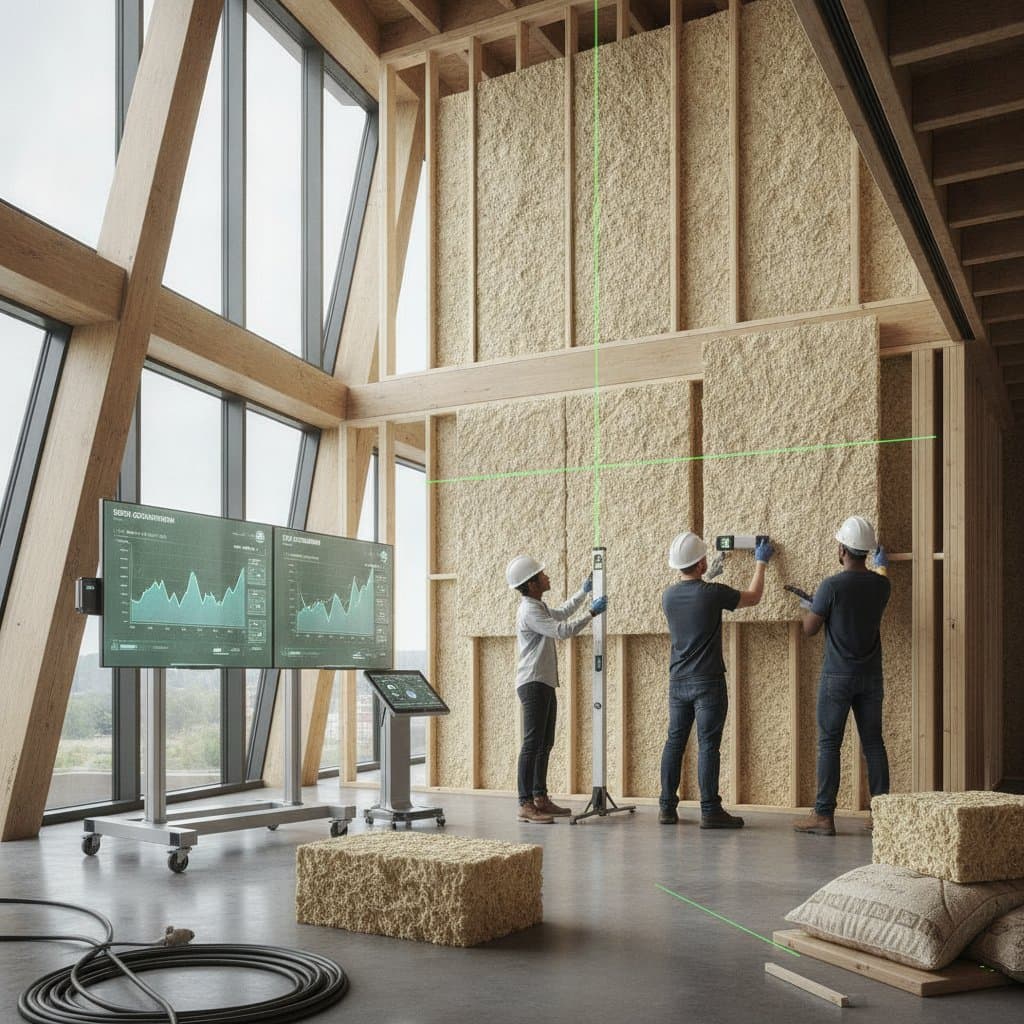
- Engage skilled professionals: Hire contractors experienced in bio-based installations to handle mixing ratios and curing times, ensuring optimal performance.
- Incorporate complementary designs: Pair insulation with vapor-permeable claddings and ventilation systems to maintain breathability and prevent moisture issues.
For retrofits, start with a structural audit to identify integration points, such as cavity walls or attic spaces, where these materials can replace outdated fillers without major disruptions.
Performance Advantages Beyond Insulation
These materials offer multifaceted enhancements to home functionality.
- Temperature regulation: They provide consistent thermal resistance, reducing temperature fluctuations and strain on HVAC systems.
- Humidity control: Natural breathability wicks away excess moisture, curbing mold growth and promoting healthier indoor environments.
- Sound dampening: Dense plant fibers absorb noise effectively, ideal for urban settings or family homes.
- Durability and low upkeep: Resistant to pests and degradation, they maintain efficacy over long periods with minimal intervention.
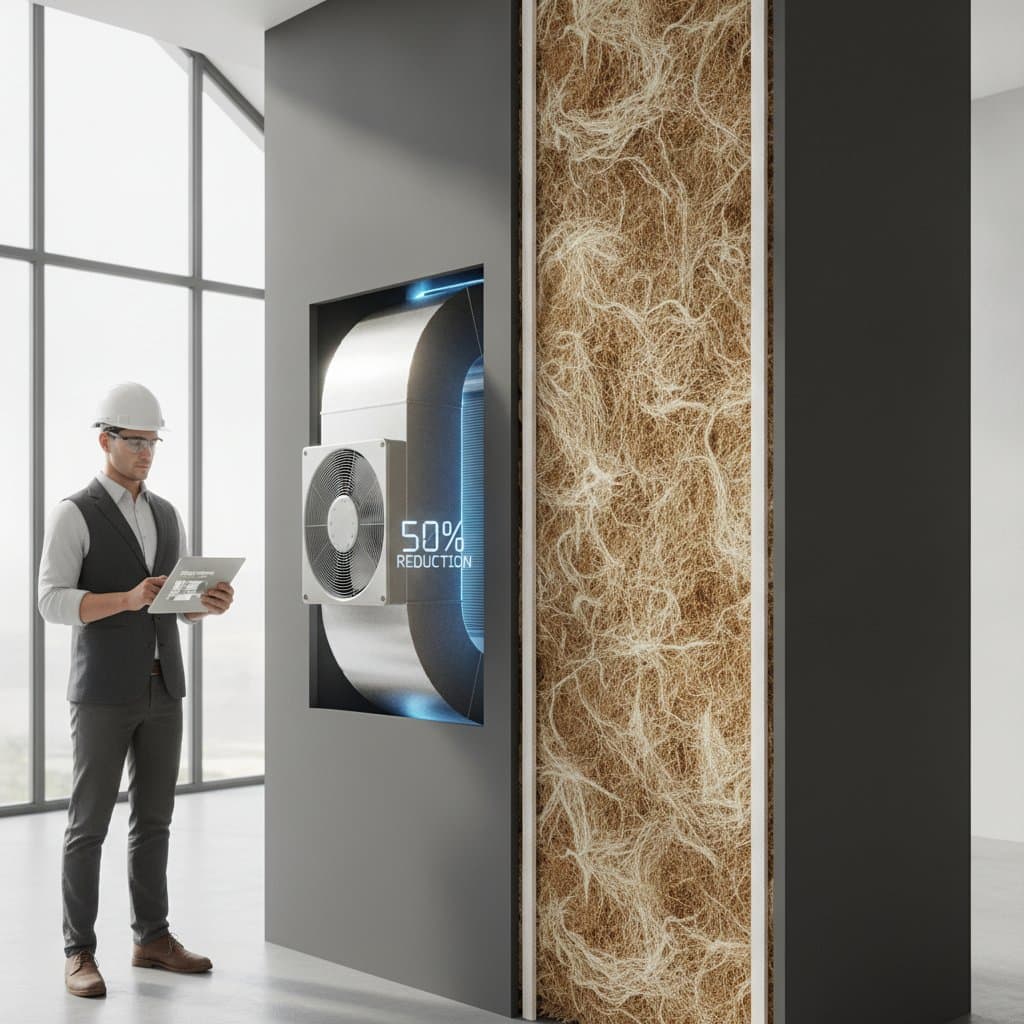
When combined with solar panels or smart thermostats, bio-based insulation amplifies overall efficiency, creating resilient homes that adapt to changing energy landscapes.
Addressing Common Concerns
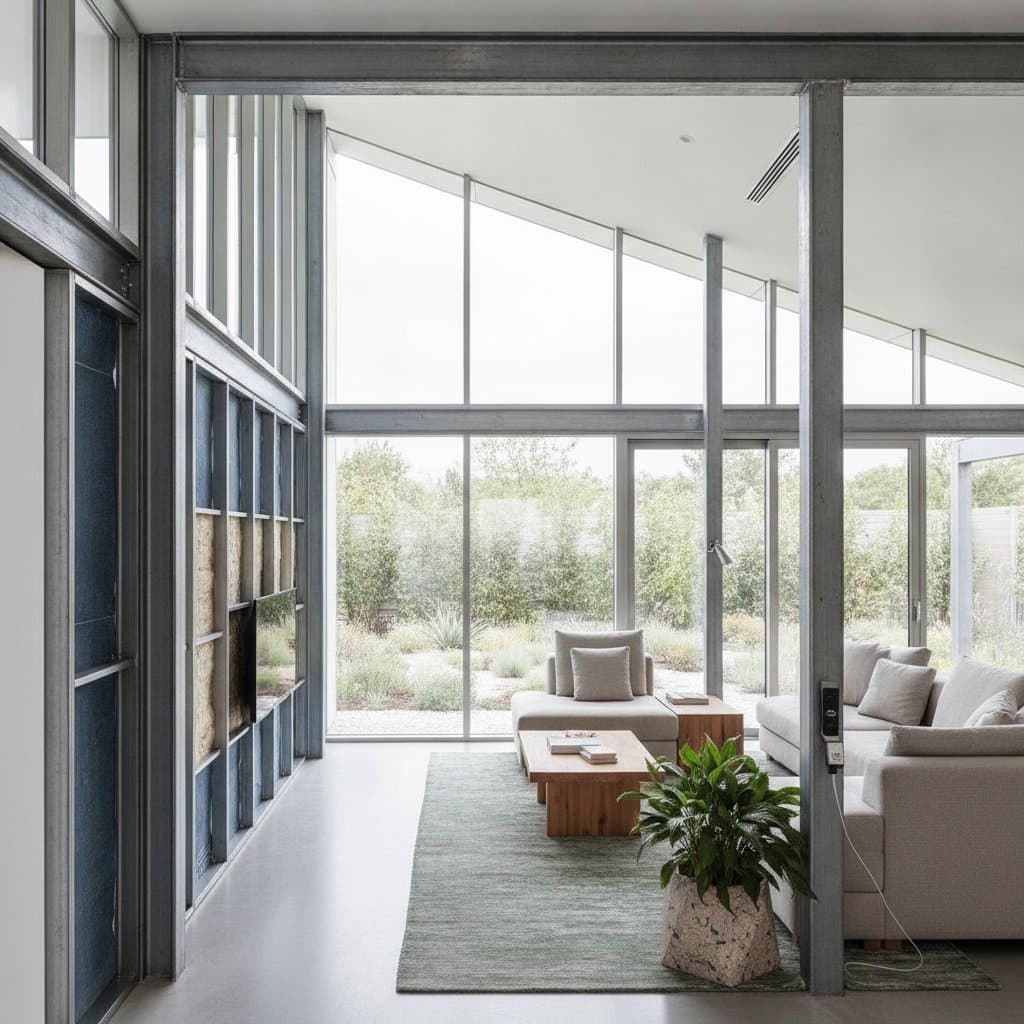
Does hempcrete provide structural support? No, it serves primarily as a non-load-bearing infill and insulator. Combine it with timber or metal frames for stability in wall assemblies.
Is it suitable for extreme weather? Absolutely, when designed correctly. Its thermal mass helps in cold winters, and breathable properties manage summer humidity in diverse regions.
How does ongoing care work? Installation includes protective barriers against direct water contact. Routine inspections every few years suffice to confirm integrity, far less than synthetic alternatives prone to settling.
Steps to Adopt Carbon-Sequestering Solutions
Transitioning to these materials begins with informed planning. Consult architects specializing in sustainable design to model carbon savings and cost projections tailored to your project. Explore incentives like tax credits for green building materials to offset initial outlays.
Ultimately, choosing carbon-sequestering insulation invests in a home that supports planetary health while delivering tangible daily benefits. This integration of ecology and architecture paves the way for widespread adoption, fostering communities built on regenerative principles.